
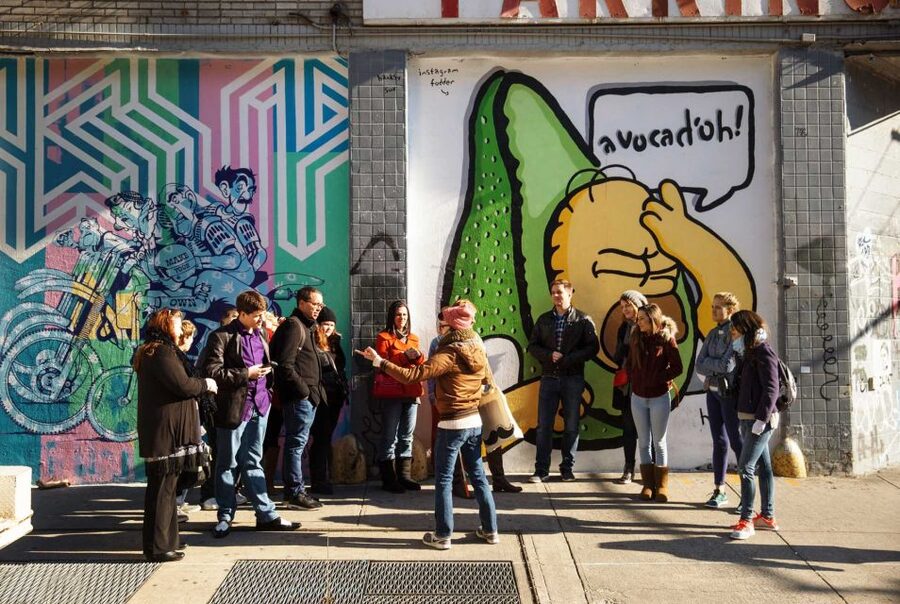
Review · CHINATOWN & LITTLE ITALY TOURS
SoHo, Little Italy, and Chinatown 2-Hour Guided Walk
New York rewards curiosity in tight spaces. This 2-hour walk stitches together SoHo street scenes, Little Italy’s immigrant-era grit, and Chinatown’s true-crime corners.
I especially like how the guide keeps the stories connected to what you’re seeing, not just dates on a wall. And I like that you’re not stuck in one theme, you get history, pop culture sightings, and food stops in a realistic walking loop.
The one drawback is simple: this is a mostly on-your-feet experience, and it isn’t suitable for people with mobility impairments.
Key moments you’ll actually notice on the streets

- SoHo’s Cast Iron District: watch for celeb buzz in a super-photogenic pocket of Manhattan
- The Manhattan Well Murder site: a specific landmark tied to the first recorded murder case in NYC
- E.V. Haughwout Building: a stop that points to the first safety elevator
- Bloody Angle (Doyers Street): one of the most pointed “true New York” corners on the route
- Food guidance in Little Italy: you get sampling-style stops, but you pay your own costs
Why these three neighborhoods make perfect sense in 2 hours
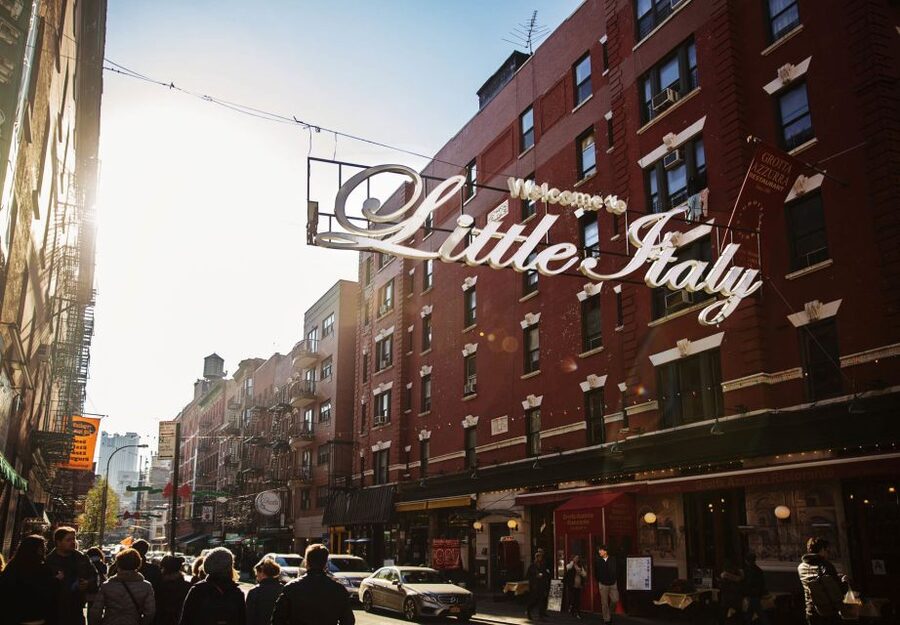
SoHo, Little Italy, and Chinatown look like three separate worlds when you stand at the subway entrance. Put them on one walking loop and you get the real New York story, the way people moved, worked, fought, and built communities block by block.
This walk works because it doesn’t treat neighborhoods like museum rooms. It ties the streets you can touch, Spring Street, Mulberry Street, Doyers Street, into bigger themes: immigration, hardship, survival, and the way crime stories cling to geography.
If you love the city as a living map, this format helps you get oriented fast. It’s short enough to feel doable even on a busy trip, but detailed enough that you’ll still talk about specific corners on the way back to your hotel.
You can also read our reviews of more walking tours in New York City



The 2-hour route: what the timing feels like on your feet
You’re looking at about 2 hours of guided walking, with three focused segments: SoHo first, then Little Italy, then Chinatown. The pace is designed for an enjoyable group walk, not a marathon, and you’ll have enough stopping time for explanations and photos.
Starting point can vary depending on the option, with Spring Street Park as a common start. The walk ends back near Columbus Park, which is a smart finish because it gives you an easy place to continue exploring without feeling stranded.
Practical tip: bring comfortable shoes. This is a walking tour, and the “good stuff” happens right at street level, not in a quick drive-by. Also dress for the weather, because you’ll be out long enough for heat, wind, or rain to matter.
SoHo stops: cast-iron facades, the safety elevator, and celebrity vibes
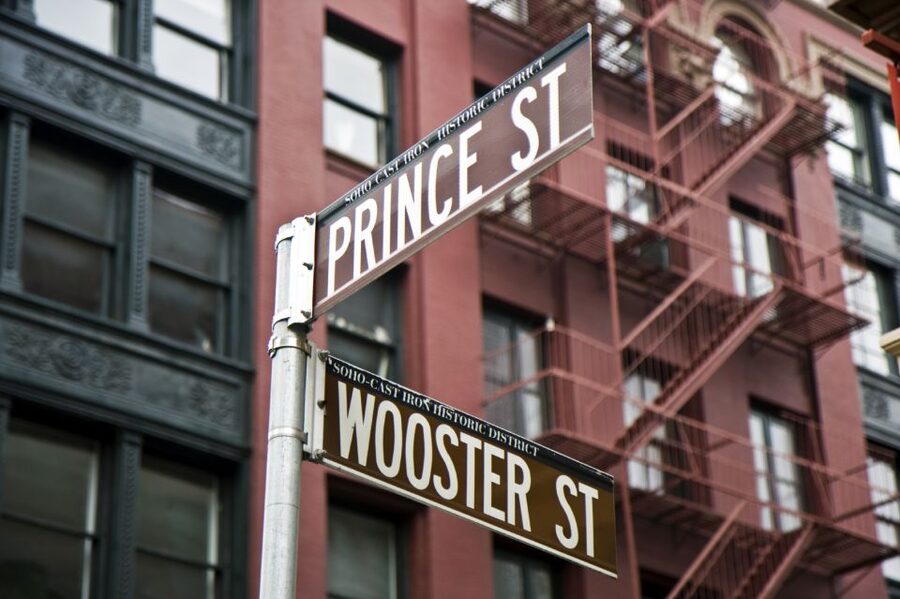
SoHo is where the tour turns the volume down on “dark city secrets” and turns it up on street style and architecture. You spend about 40 minutes here, and it’s a great introduction because the neighborhood itself helps explain why people first fell for it.
You’ll go by Spring Street, then toward the area around Greene and Spring streets, where you’ll hear about the Manhattan Well Murder. This is not an abstract story. It’s attached to a real location you can stand on, which makes the “first recorded murder case in New York City” feel concrete rather than trivia.
One of the most memorable anchors is the Cast Iron district. You’re guided to the historic cast-iron buildings, and you get a fun prompt to keep an eye out for celebrities and fashionistas. That doesn’t mean you’ll spot someone, but it does mean the guide will steer you toward the places where that kind of foot traffic and filming tends to happen.
Another technical but cool stop is the E.V. Haughwout Building, specifically called out as home to the first safety elevator. Even if you’re not an engineering person, it’s the kind of detail that makes you look up and notice how the city’s growth depended on practical inventions.
And yes, you may also hear a pop culture-style thread connected to 421 Broome Street, tied to Heath Ledger’s death and the idea that it’s in Mary Kate Olsen’s apartment. It’s a “you walked past it” type of story, which is exactly what a good city tour should do.
What to watch for in SoHo: the contrast. You’ll go from dramatic history points to sleek storefront streets, sometimes only a few turns apart. That shift is part of the payoff.
Little Italy: immigrant struggles, Alleva Dairy, and the Triangle Fire connection
Little Italy is about 40 minutes on the walk, and it’s the section where the tone often gets more emotional. This is where you hear stories of immigrants and their struggles, with the guide linking those themes to the street grid you’re walking through.
Mulberry Street is the main spine here. It’s described as the heart of Little Italy, so you know you’re in the right place as soon as you turn in. If you’ve ever wondered how a neighborhood stays itself while everything around it changes, this part helps you think about that.
You’ll also see Alleva Dairy, presented as a place where cheese has been made for a hundred years. That’s the kind of fact that makes a snack stop feel rooted, not random. Since food costs aren’t included, you’ll treat this as “buy your own” sampling time, but the guide’s pointing matters because you’ll know what to look for.
The Italian American Museum is another key stop. It’s tied to the Triangle Shirtwaist Factory fire, and that connection gives the neighborhood a serious anchor in labor history. Even if you don’t go inside anywhere, just hearing the link while you’re standing in the area helps you understand why these communities carried specific hopes and fears.
One more stop pulls the tone toward organized crime storytelling: Umbertos, presented as the site of the mob hit on Joe Gallo. It’s not a lecture that floats off into the past. It’s tied to a physical place, so you feel like you’re tracing the outline of real events through the current streets.
A consideration in Little Italy: the stories can involve violence and tragedy. If you prefer lighter sightseeing, decide in advance how much “true crime history” you want in your walking tour day.
Chinatown: opium den lore, the Bloody Angle, and street-level gang history
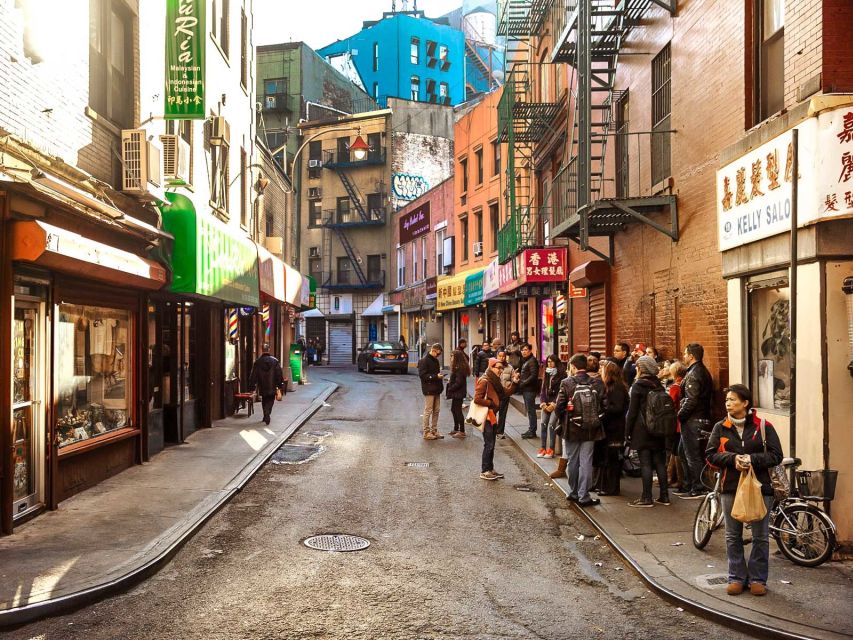
Chinatown is the final segment, also about 40 minutes, and it’s where the tour leans hardest into high-stakes history. You’re set up to hear about the places where Chinese gang violence occurred, with a guided route that makes those references feel geographically specific.
Doyers Street is one of the big names. You’ll learn about the Bloody Angle, which is a standout stop because it’s instantly recognizable as a story location. The phrase itself is a signal that you’re in a chapter of the city that people remember for a reason.
You’ll also be pointed toward an opium den stop. The guide uses it to connect social conditions, law, and crime to real spaces in the neighborhood. Even if you’ve read a true crime headline before, hearing it attached to where you’re standing changes the “distance” of the story.
Religion and ritual show up here too, with the National Shrine Church of San Gennaro. You’ll hear the story connected to the liquefaction of the saint’s blood. That’s a useful reminder that Chinatown is not just street legend and gang history. It’s also immigrant life, community identity, and public devotion.
If you’re into pop culture, Columbus Park at the finish connects to Gangs of New York fame. Even if you’re not thinking about the movie, the park ending acts like a reset button. You can regroup, grab a drink, and decide what neighborhood vibe you want next.
What makes Chinatown work on this tour: the guide doesn’t treat it like a single “criminal” theme. It’s more like a layered city, with violence stories living right next to everyday faith and community.
You can also read our reviews of more guided tours in New York City






Guides and what makes the experience feel worth it
The biggest strength here is the human factor. Across the guide names you’ll see for this tour, the pattern is consistent: people get a mix of street facts, humor, and room for questions.
For example, Arun shows up in bookings with praise for being engaging and follow-up strong. Felipe gets highlighted for being friendly, energetic, and for weaving in both food pointers and history. Angela pops up as a favorite for enthusiasm and a strong sense of humor. Steve is mentioned for local, personal storytelling. George and Jacob also come up for approachable group handling and for making the city feel like it has a pulse.
Even better, a few comments emphasize practical care, like adjusting on hot days by finding shade spots and staying aware of traffic while walking. That matters because you’re dealing with crosswalk timing, sidewalks that aren’t always smooth, and a group that needs to stay together.
Also, the pace gets called out as comfortable by many people. That helps you relax. You’re not racing the guide. You’re walking with a plan.
Food stops and how to handle costs without losing the fun
Food costs aren’t included, so you won’t get a bundled meal. But the tour does build in time for tasting-style stops and food suggestions, especially in Little Italy.
Here’s how I’d handle it: treat it like guided “snack strategy.” You’ll get a roadmap for what to try, but you control spending. If you want to keep costs down, pick one paid item plus a drink and move on. If you want to go heavier, you can do that too, because the neighborhoods give you plenty of options.
A smart move is to arrive with an appetite but not a fixed plan. The guide’s recommendations are the value add here. It’s not just where to eat, it’s what each stop represents in the neighborhood story, like the hundred-year cheese making connection at Alleva Dairy.
Price and value: is $39 a fair deal for 3 neighborhoods?
At $39 per person for 2 hours, the math is pretty straightforward. You’re paying for a live, English-speaking guide who covers three major areas in one loop. And since you’re walking in a compact section of Manhattan, the guide saves you time and helps you avoid random wandering.
Compared with taking subway across neighborhoods and then trying to self-navigate, the value is in the structure: you get a sequence of specific stops, each tied to a concrete story. You’re not paying for a generic overview. You’re paying for attention to details like:
- a specific murder location tied to early NYC history
- an elevator landmark connected to the first safety elevator
- street-level crime story points like the Bloody Angle and opium den lore
If you want a quick, guided way to understand why these blocks became famous, $39 can feel like a bargain. If you hate walking tours or you’re hoping for food included, you might feel differently. But for most first-timers who want context without a full day commitment, it’s solid value.
Who should book, and who should skip
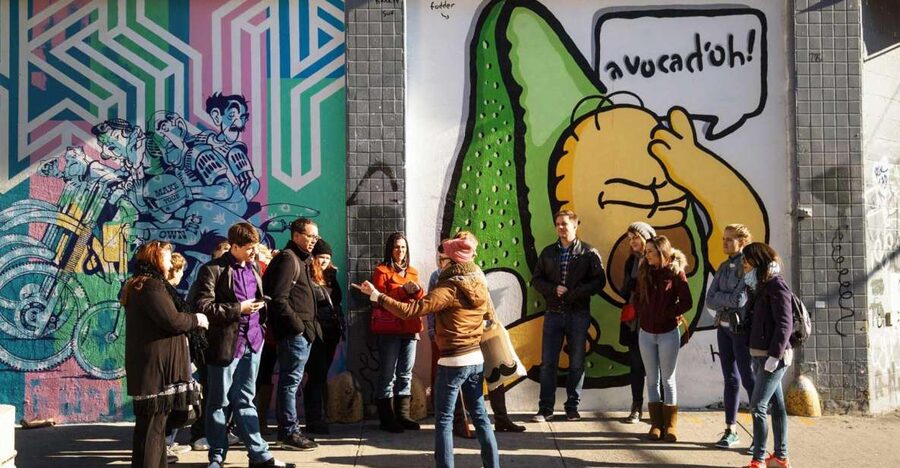
This walk is a good fit if you want:
- a short SoHo plus Little Italy plus Chinatown hit
- real street landmarks tied to immigration and crime stories
- a guide who will answer questions, with a tone that stays fun
It’s also ideal if you like pop culture crossovers, like the Cast Iron district celebrity vibe and the 421 Broome Street Heath Ledger and Mary Kate Olsen connection.
I’d skip it if:
- you need a tour designed for mobility impairments (it isn’t suitable)
- you want only light topics and prefer not to hear about gang violence and tragedies
- you’re looking for a fully catered food experience (food costs are on you)
Should you book this 2-hour guided walk?
I’d book it if you want a smart, focused way to connect New York neighborhoods to their real stories, without spending the entire day in transit or museum lines. The strongest reason is the guide-led format, because you get specific places to look at, not just vague neighborhood vibes.
I’d hesitate only if your priorities are purely architectural, purely culinary, or purely family-friendly with minimal crime content. Otherwise, this tour is one of those “right size” experiences, short enough to fit any itinerary, but packed with enough street details to make it feel like you learned something real.
FAQ
How long is the SoHo, Little Italy, and Chinatown guided walk?
It lasts 2 hours total.
How much does the tour cost?
The price is $39 per person.
What language is the tour guide?
The tour guide is English-speaking.
Is food included in the price?
Food costs are not included. The tour may include sampling-style moments and food guidance, but you pay for what you eat.
Where do I meet the guide?
The meeting point may vary depending on the option booked, and Spring Street Park is one common starting location.
Where does the tour end?
The drop-off locations include Columbus Park.
Is the tour suitable for people with mobility impairments?
No, it is not suitable for people with mobility impairments.
More Guided Tours in New York City
More Walking Tours in New York City


More Tour Reviews in New York City





Not for you? Here's more nearby things to do in New York City we have reviewed












More Chinatown & Little Italy Tours to consider.
 ★ 5.0SoHo, Little Italy, and Chinatown Walking Tour in New YorkTickets from $393,153 traveller reviews
 ★ 5.0Chinatown & Little Italy Food Tour with 7 Flavorful TastingsTickets from $992,733 traveller reviews
 ★ 5.0Original NYC Guided Food Tour of Chinatown and Little ItalyTickets from $1302,194 traveller reviews
NYC Food Tour: Chinatown and Little ItalyTickets from $991,090 traveller reviews
★ 5.0Original NYC Guided Food Tour of Chinatown and Little ItalyTickets from $1302,194 traveller reviews
NYC Food Tour: Chinatown and Little ItalyTickets from $991,090 traveller reviews
 ★ 4.7Chinatown and Little Italy Food TourTickets from $80703 traveller reviews
 ★ 4.7SoHo, Little Italy, and Chinatown Guided TourTickets from $30614 traveller reviews
 ★ 5.0SoHo, Little Italy, and Chinatown NYC Guided Walking TourTickets from $36443 traveller reviews
 ★ 4.53 Neighborhoods Tour: Soho, Chinatown & Little ItalyTickets from $39275 traveller reviews
More useful New York routes