
Review · HARLEM TOURS
Central Harlem African-American Culture Walking Tour
One great block can change how you see a city. This Central Harlem African-American Culture Walking Tour follows the neighborhood’s arc from the Harlem Renaissance through the Civil Rights era, then into what you see now. You cover music history like jazz and gospel, without it turning into a concert.
I love the small group size, max 15, because it keeps the walk personal and question-friendly. I like that the route is built around real places, from the Apollo Theater area to institutions like the Schomburg Center, plus street scenes such as Strivers Row and Harlem Hospital murals.
One thing to plan around: it’s a history-focused walk, and it is not a sit-down, slow museum day. Also, if you have tight plans right after, keep a buffer, because a few departures have run late in the past.
Key highlights you will feel on the walk
- Small group cap (15 people), so you are not shouting over the crowd
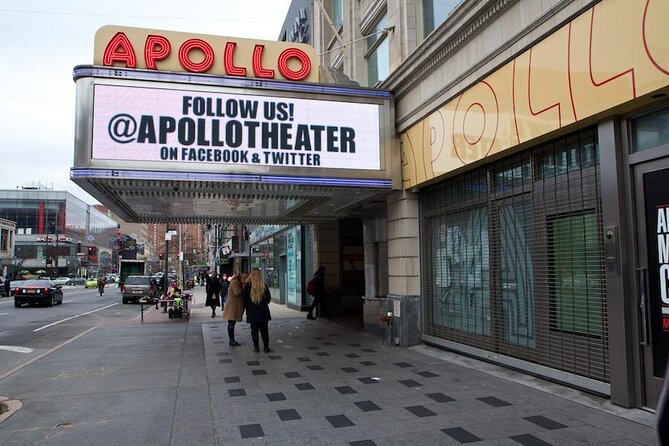
- Apollo Theater area + 125th Street stops that connect the past to current changes
- Harlem institutions in the route, including the Schomburg Center and Harlem Hospital murals
- Music history context without a church or concert stop, so you stay on topic
- Local resident guide energy, often with story-rich explanations that make streets feel meaningful
Getting oriented fast: the 10:00 am start and 145th to 125th route
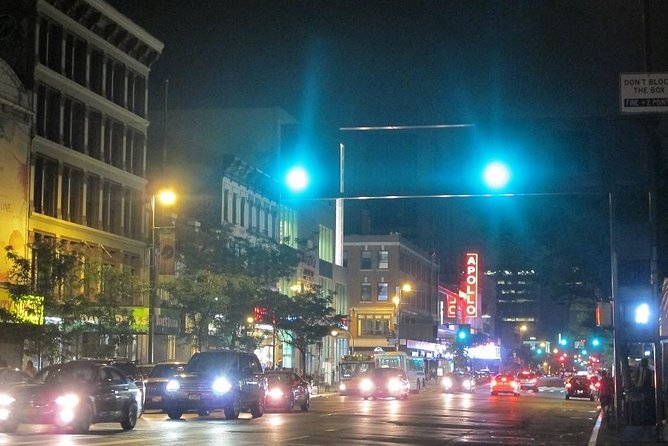
This is a straight-up walking tour in Central Harlem, scheduled to start at 10:00 am. You meet at 700 St Nicholas Ave, New York, NY 10031, and the walk is designed to run from roughly 145th Street down to 125th Street, ending around the Apollo Theater area.
Why I like this structure: it helps you get your bearings quickly. Harlem can feel like a patchwork of blocks when you first arrive, but a planned north-to-south route gives you a rhythm. In about 2 hours (approximately), you cover enough ground to understand how the neighborhood’s power centers line up geographically.
Practical note: the tour is moderately difficult for people who have mobility challenges, and you should wear comfortable shoes. The sidewalk in this area is real city walking, not a smooth museum path. If you plan to take photos, you will want to keep your camera handy, because you will be stopping at architecture, street features, and cultural landmarks.
You can also read our reviews of more walking tours in New York City



Apollo Theater and 125th Street: Renaissance energy to Civil Rights context
The Apollo Theater is the day’s anchor point, and it is more than just a famous building. You learn how Central Harlem shaped and shared culture during the Harlem Renaissance and the Civil Rights era, then how the area has kept evolving.
Expect a focus on the block itself: the 125th Street shopping corridor is part of the story. You also get to talk about how certain places became magnets for creativity and community life, and why 125th Street became a kind of cultural address people could recognize.
You will also hear about several nearby reference points tied to Harlem’s public life, including Speaker’s Corner and Hotel Theresa. Even if you have walked 125th Street before, this tour approach makes you look up and sideways at what you normally pass by.
Important detail: the Apollo Theater admission ticket is free for this experience. That is a real value add when you compare it to generic walking tours that only talk from the curb.
Strivers Row and stately homes: architecture that tells you who had power
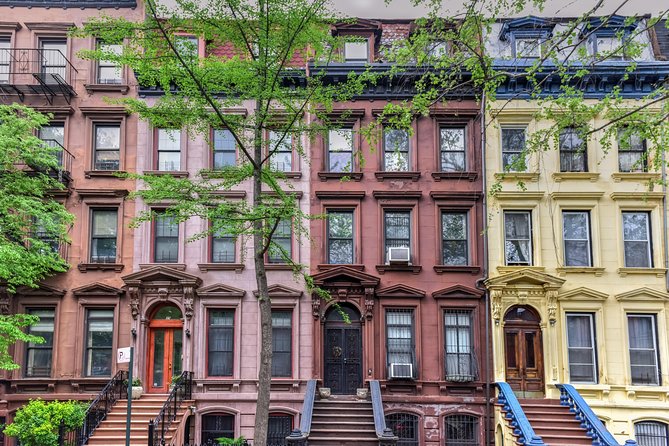
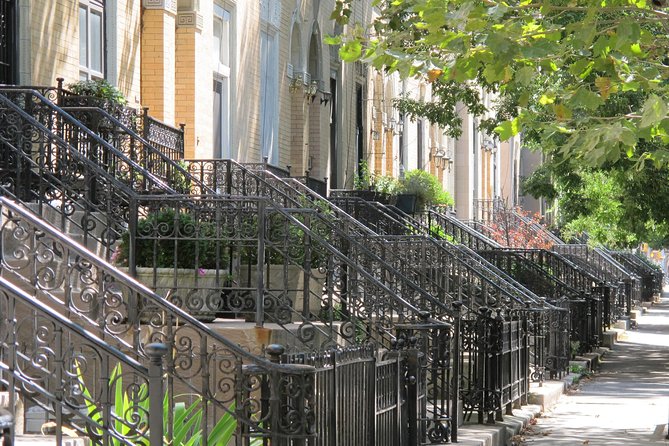
Harlem is famous for music, but the built environment tells a second story too. As you move through the historic district, you get time for stately homes and architecture linked to the neighborhood’s rise and identity.
One block can show you class and aspiration at the same time. Places like Strivers Row help you see how design, frontage, and street layout reflected neighborhoods that were shaping culture while negotiating growth and change. This is not just pretty buildings, it is how communities sign their name to the street.
What to do with this part: slow down your pace a little and look at details the guide points out. If you are the type who only photographs buildings from chest height, this tour nudges you to notice more. Pay attention to symmetry, materials, and the way residences face the street. You will start to understand why residents and historians talk about Harlem architecture as part of its cultural legacy.
Schomburg Center and Harlem Hospital murals: memory you can see
Two stops that tend to land emotionally are the Schomburg Center and the Harlem Hospital murals. The Schomburg Center is a major hub for research and Black cultural history, so it naturally supports the tour’s theme: how the neighborhood helped shape national culture.
The murals at Harlem Hospital are a different kind of lesson. They bring history to street level in a way that feels less academic and more human. If you like learning through visual clues, this is where the tour shifts from facts to feeling.
Why this matters for your trip: it gives you context beyond the headlines. When you later read or watch anything about Black history in the U.S., you will have physical reference points in your mind. That makes the learning stick, even after you head back to your hotel.
If you want to ask questions, this is also a smart time. A good guide can connect what you are seeing now to earlier themes like press coverage, publishing, and community leadership.
Harlem School of the Arts and Speaker’s Corner: creativity and public voice
As your route continues, you pass places tied to education and public exchange. Harlem School of the Arts connects the story to future-makers, while the tour’s mention of Speaker’s Corner underscores how public speech and debate have always mattered in Harlem’s civic life.
Even though this is not a church visit and not a concert program, the tour still connects to the world of jazz, gospel, and other musical forms through history. The goal is not to schedule an extra event, it is to explain the roots. How did music get formed here? Who supported it? What social changes shaped the lyrics, venues, and audiences?
For me, that is one of the tour’s strengths: it treats music as more than entertainment. It is a way communities expressed identity and negotiated change.





Little Senegal and the African Market: a modern side you should not skip
One of the most practical and enjoyable parts of the walk is the stop that connects Central Harlem to its present-day cultural mix, including the African Market in Little Senegal. This is where the tour feels current.
You are not just touring a story that happened long ago. You are walking through a living neighborhood where different communities overlap and where food, shopping, and everyday commerce are part of cultural life.
If you like to snack while you travel, this is also a good moment to think about what you might want later. Even if you do not buy anything right here, you will have a sense of the neighborhood’s grocery and cultural ecosystem.
Pace, group size, and what to wear for a 2-hour history walk
This tour keeps groups to a maximum of 15 travelers, and that size changes the experience. In a smaller group, you can actually hear details, and you can ask follow-ups without the guide repeating the same point for an entire bus.
You should also expect a moderately active walk. The tour is kept small, but it is still a neighborhood walk with stops. Bring a light layer if weather shifts. The tour is good-weather dependent, and it is best to assume you will be outside for most of the two hours.
What to wear: comfortable shoes matter. One of the most common practical takeaways from past groups is simple, wear shoes you can walk in for longer than you think. The good news is the walking time is short enough to keep it manageable for most people who are comfortable on foot.
Guide styles can vary a bit from group to group. Some guides, including people named George, William, Keith, Dr Taylor, and Jo, are praised for being story-forward and engaging. If you get a guide who asks questions and keeps you moving, the tour feels like you are reading the neighborhood while walking through it.
What is included, and what you should expect to skip
Included is a guided tour with a licensed tour guide and Harlem resident, plus a mobile ticket. The route is designed around neighborhood history and the cultural threads that shaped Harlem.
Here is what it does not do. This tour does not include a church or a music performance. It focuses on context, not services or concerts. If you came hoping to hear gospel in a sanctuary or attend a live show, you will need a different plan.
Also, this is not marketed as a hands-on workshop. It is a guided walk with explanations, street-level context, and stops that help you visualize history. If you like lecture-style learning mixed with short walks and photo pauses, you should do well.
Price and value: is $30 worth it in New York?
At $30 per person for roughly 2 hours, you are paying for three things: a tight route, a local guide, and a structured way to interpret the neighborhood.
The value improves because you are not just learning generalities. The stop list is specific, including major cultural and research sites like the Schomburg Center, plus landmarks such as the Apollo Theater (with free admission for the stop) and street features like Strivers Row and Harlem Hospital murals.
Could you walk Harlem on your own? Yes. But you would have to do the hard part first, researching what matters and in what order. This tour saves you that mental work. You get a narrative you can carry home.
As always in New York, good guides are where the price starts to make sense. When the guide is engaging, the tour becomes less about collecting facts and more about understanding the neighborhood’s logic.
Timing gotchas: weather, late starts, and building a buffer
The tour needs good weather. If it is canceled due to poor weather, you should be offered either a different date or a full refund.
Timing is the other real-world issue to watch. Most of the time, tours run on plan. But there have been cases where the start slipped and the walk stretched longer than expected. If you have another activity right after the tour, I suggest building in a cushion. You do not want to sprint out of Harlem halfway through the story because your next reservation is at the exact wrong minute.
If you are the type who hates surprises, pick activities for later in the day. If you are flexible, arrive with the mindset of, I will learn what I learn today, then I will explore the rest on my own.
Who should book this Central Harlem walking tour
This tour is a great fit if you want:
- A guided history walk that helps you connect streets to major cultural eras
- Music history context (jazz, gospel, and more) without needing to attend a performance
- A manageable small-group format with room for questions
- A route that touches both well-known and less obvious Harlem reference points
It may be less ideal if:
- You want a stop to sit in a church service or hear live music
- You have very tight timing and no buffer for delays
- You have difficulty with moderate walking on city sidewalks
If you are traveling as a couple, solo, or with mixed interests, this tour can be a strong choice because it ties together architecture, institutions, and cultural movements.
Should you book? My decision guide
I would book this tour if you want an organized, local-guided way to understand why Harlem matters culturally, not just where it is on a map. The small group size and the specific stop selection make the $30 feel like more than a casual stroll.
I would also book it early in your Harlem time. It helps you get oriented fast, so the rest of your day makes sense. After this walk, you will recognize the neighborhood’s anchors and understand what you are seeing when you return to 125th Street.
If you have limited mobility, check the moderate walking note carefully. If you have an appointment right after, plan a cushion.
FAQ
How long is the Central Harlem African-American Culture Walking Tour?
It runs for about 2 hours (approx.).
Where do I meet, and what time does the tour start?
You meet at 700 St Nicholas Ave, New York, NY 10031, and the start time is 10:00 am.
How many people are in the group?
The tour has a maximum of 15 travelers.
What is included in the tour?
You get a guided tour with a licensed tour guide and Harlem resident, and you receive a mobile ticket. The Apollo Theater stop has a free admission ticket.
Does the tour include visiting churches or attending music performances?
No. The tour focuses on neighborhood history and does not include visits to church or music.
Can I cancel, and what if the tour is canceled due to weather?
You can cancel for a full refund up to 24 hours before the experience starts. If the tour is canceled due to poor weather, you will be offered a different date or a full refund.
More Walking Tours in New York City


More Tours in New York City




More Tour Reviews in New York City



Not for you? Here's more nearby things to do in New York City we have reviewed












More Harlem Tours to consider.
 ★ 4.5NYC Highlights Tour: Bronx, Brooklyn, Harlem, Queens & ConeyTickets from $462,846 traveller reviews
 ★ 4.5Contrasts Tour of Harlem, The Bronx, Queens & BrooklynTickets from $392,167 traveller reviews
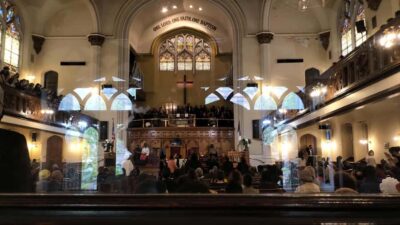 ★ 4.7Harlem Hallelujah! Gospel Wednesday ConcertTickets from $251,638 traveller reviews
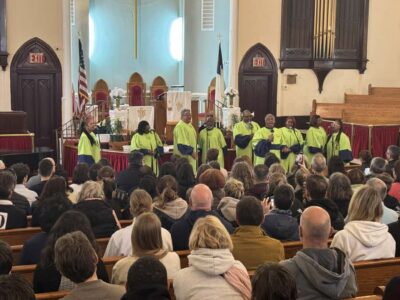 ★ 4.7Harlem Gospel Live Music ConcertTickets from $281,479 traveller reviews
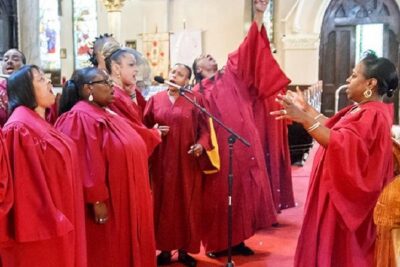 ★ 4.0Harlem Sunday Morning Gospel TourTickets from $85995 traveller reviews
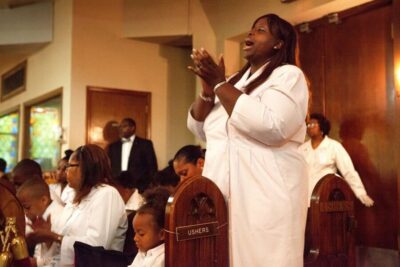 ★ 4.04-hour Harlem Gospel Tour in New York CityTickets from $79935 traveller reviews
 ★ 3.9Harlem: Central Harlem Sunday Gospel with LocalsTickets from $25499 traveller reviews
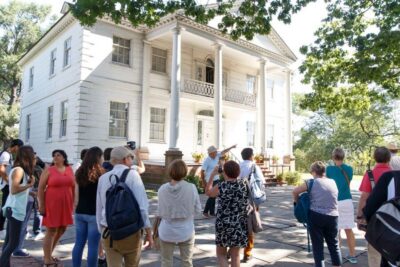 ★ 4.3Sunday Harlem Gospel Guided TourTickets from $89438 traveller reviews
More useful New York routes