
Review · CENTRAL PARK TOURS
Central Park Guided Pedicab Tours
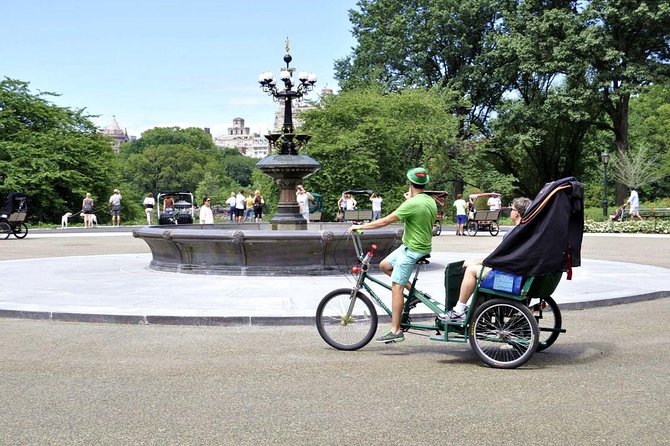
Central Park by pedicab makes the park feel manageable fast. This guided ride gives you a slow, comfortable way to see the bridges, fountains, statues, and movie-famous corners, with a driver who talks you through the park’s design and surprises.
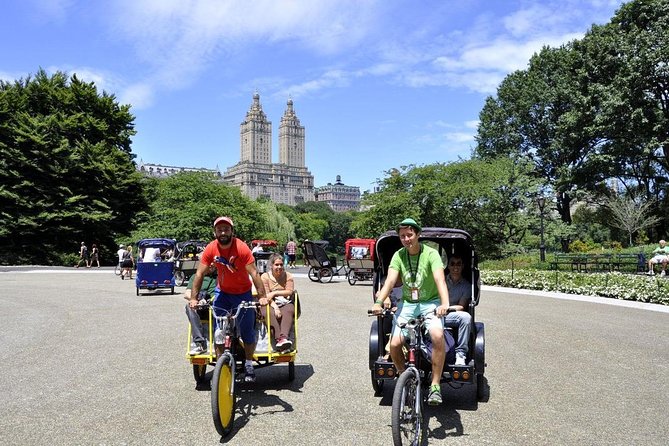
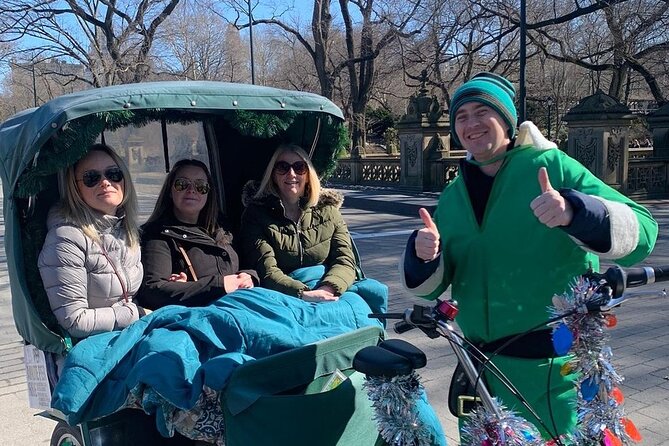
I especially love the photo-friendly pacing. Even on a short run, you get repeated chances to stop, look up close, and grab classic angles. I also like the guide personality side of it, with guides such as Vitaly (often called Buddy the Elf), Ali, and John showing up with humor, facts, and quick answers when you have questions.
One thing to keep in mind: depending on the season and how full the trees are, you may get partial views of certain buildings or statues from the pedicab route. If you’re picky about close-up details, plan on using those photo stops to get as clear a look as possible.
Key things that make this pedicab tour worth it
- Private ride just for your group, with no mixing in other people mid-route
- Route options (1, 2, or 3 hours) so you can match the day you actually have
- Pro guide included with a steady flow of stories, not just a quick drive-by
- Frequent landmark stops at bridges, terraces, gardens, and signature statues
- Free-admission stops for the sights you pause at, so your ticket budget stays simple
- Weather-sensitive scheduling, so the experience stays pleasant instead of rushed
Central Park by pedicab: what you trade, and what you gain
Central Park is huge. On foot, that can turn into a long trek with too many turns and not enough context. On a pedicab, you trade effort for ease, and you get something better than just looking: you get the why behind what you’re seeing.
The ride is paced for learning and photos. That matters because a lot of Central Park’s best moments are small scale: a fountain angle, a bridge shape, a garden layout, a specific statue pose. A pedicab lets you slow down without needing to “do it all” on your feet.
And you do not need to worry about the tour feeling chaotic. This is set up as a private experience for your group only, with a start and return to the same meeting point.
You can also read our reviews of more guided tours in New York City



Price and time: getting real value from 1, 2, or 3 hours
The price is $65 per person for a guided pedicab tour. For that, you are paying for two things that are hard to replicate alone: a guide who can connect the dots fast, and a vehicle that moves you through the park without burning your legs.
Here is how I would think about the time options:
The 1-hour route
This is your best bet if you want the greatest hits in a compact loop. Expect a flow through major icons and park personalities like Wollman Rink, the Chess & Checkers House, the Central Park Carousel, and the historic Dairy area. You also work your way past key water and view zones tied to Conservatory Water and The Lake, with photo stops at places like Bethesda Terrace and the Bow Bridge area.
The 2-hour route (warm months only)
The 2-hour option is built for days when you can handle more time outdoors and still enjoy the parkside stops. It extends the mix with additional Central Park landmarks and the bigger “wow” photo points you often miss on a quick loop, including Cleopatra’s Needle and the area near The Met. It also adds more garden and viewpoint time like Shakespeare Garden and Belvedere Castle.
The 3-hour route, the full sweep
If you want Central Park’s full range, the 3-hour route takes you deeper across the park’s sections. You get extra variety, including the Reservoir viewpoints, larger open spaces like North Meadow, and the quieter nature sections like Ravine and the North Woods. You also get the chance to hear stories about how the park ties into parts of New York beyond its gates.



The 1-hour route: Wollman Rink, classic play spots, and Bow Bridge photos
If you book the short option, you are basically buying a fast orientation tour. You will see a tight chain of Central Park favorites, and your guide will connect each stop to a story about design, people, or pop culture.
Wollman Rink and Central Park’s built-in seasons
Wollman Rink is famous for ice skating and even makes cameo appearances in movies. On this route, it works as a quick “season switch” moment, a reminder that Central Park is not just one vibe. Even when the weather is not skating weather, the rink is a recognizable anchor.
Chess and Carousel: old-school fun, long-lasting details
The Chess & Checkers House dates to 1952 and was created so multiple ages could play right in the park. It is the kind of stop that sounds simple until your guide points out how the park was planned to be social and active.
Right after, you hit the Central Park Carousel, which traces back to 1871. The stop is short, but it is one of those sights that makes you pause and look up at the carved horses and chariots, because it feels handmade even today.
The Dairy, then the Zoo, then the Mall
You will also see the park’s former refreshment stand area, often described as the Dairy and tied to the 1870s. From there, it is onward to the Central Park Zoo, one of the oldest zoos in the United States. Your guide can connect the park’s wildlife mission to how the area has evolved, plus you will hear about its movie connection, including Madagascar.
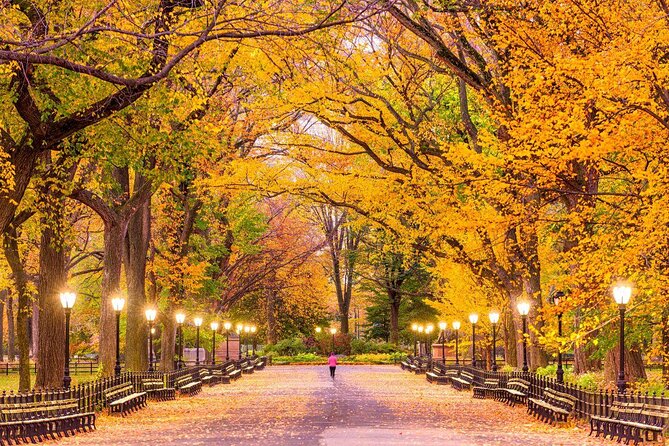
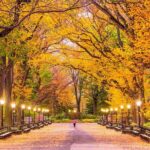
Next comes The Mall, with the American elms forming a canopy that changes with the seasons. If you are visiting in fall, this is one of the best places to catch a “golden tunnel” feel. If trees are full and dense, the pedicab view can hide parts of some details, which is exactly when good photo stops help.
Balto and Conservatory Water: stories that slow the ride down
You will likely pause for Balto, the hero dog tied to the Great Race of Mercy. It is a memorable story stop because it makes Central Park feel like a living record of how New York responds to real-world events.
Then comes Conservatory Water, where the tradition of sailing model boats continues. This is one of those details that makes a tour feel specific to Central Park instead of generic sightseeing.
Bethesda Terrace and Bethesda Fountain: the park’s centerpiece moments
Bethesda Terrace is one of the park’s “stand and look up” stops, with its ornate, two-level layout and the circular fountain area. Even on a short timeline, you get a chance to absorb how the architecture frames the surrounding park.
A little later, Bethesda Fountain places the focus back on the Angel of the Waters statue and the theme of clean water in New York City. Your guide’s job here is to translate what you are seeing into a simple story so it sticks.
Cherry Hill, Bow Bridge, and the movie-spotting game
You will pass Cherry Hill for views over the lake and springtime cherry blossoms. Then comes Bow Bridge, the cast iron bridge that gets the “romantic photos” reputation for a reason. Your guide will point out movie and TV references, including titles like Spiderman 3, Glee, and Autumn in New York, which can make the bridge feel like a scene set you are walking into.
Around Central Park South: Dakota, San Remo area, and Strawberry Fields
On the short loop, you also cover the edges of the park and nearby landmarks. You will see famous buildings such as The Dakota, tied to John Lennon, plus the San Remo area connected to the 1930 twin-towered look. Then there is Strawberry Fields, the memorial for John Lennon, where the mood shifts from sightseeing mode to quieter reflection.
Sheep Meadow and a classic park restaurant built from an older purpose
You will end the 1-hour flow with open lawn space, including Sheep Meadow. After that, you will also see the historic restaurant located where a sheepfold once stood, a spot that has shown up in films including Mr. Popper’s Penguins and Ghostbusters.
The 2-hour route: adding Cleopatra’s Needle, The Met area, and Shakespeare Garden
The 2-hour option is where the tour starts to feel less like highlights and more like a route through different Central Park “rooms.” You still get landmark stops, but the day includes more gardens, more big-photo moments, and more perspective.
Alice in Wonderland statue and the small-scale magic
In warm months, you may stop for the Alice in Wonderland statue. It is designed for kids to climb, but adults usually love it too because it is playful in a way Central Park rarely is.
Cleopatra’s Needle: the “how did they move that?” story
Cleopatra’s Needle is the oldest man-made object in New York City. Your guide can explain the essentials: it is over 3,500 years old, it still carries original hieroglyphs, and the 220-ton obelisk took 112 days in 1881 to move from the Hudson River to its current location. It is one of those stops where the facts make the photo feel better.
The Met and Hamilton-adjacent stops
You will also see the area near The Met, with its grand Beaux-Arts architecture and its connection to events like the Met Gala. Your guide may also point you toward a statue funded by a public subscription led by Hamilton’s admirers, which adds a civic-history layer to the stop.
Jacqueline Kennedy Onassis Reservoir and the Great Lawn vibe
Next comes Jacqueline Kennedy Onassis Reservoir, built in the mid-19th century, renamed in 1994, and famous for skyline views. On the same extended section, you will also hear about the Great Lawn, including how it has hosted major concerts and how it functions as the kind of space New Yorkers use for big moments.
Shakespeare in the Park: when a park acts like a stage
Then it is onward to performance territory: the outdoor venue tied to the Shakespeare in the Park free series, plus the Marionette Theater and its puppet shows. Your guide helps you connect the dots between Central Park’s designed spaces and the arts that keep using them.
Shakespeare Garden and Belvedere Castle: two stops that feel like a payoff
A highlight on the 2-hour run is Shakespeare Garden, where plants linked to Shakespeare works are cultivated. It is the kind of stop that feels calmer than the heavy icon stops, and it makes a good reset if you are tired of crowds.
Then you reach Belvedere Castle, built in 1869 as an observation deck. Even with short time, the point is clear: the castle sits high enough that it gives you a panorama feeling over the park, including areas like Great Lawn and Turtle Pond.
Turtle Pond: slow-motion nature break
Turtle Pond is the easy, fun cooldown stop. You will notice how Central Park mixes “grand architecture” stops with small, human-scale nature moments. Turtles do their slow-motion sunbathing thing, and the day feels softer for a few minutes.
The 3-hour full park ride: Guggenheim spiral views, Harlem, and quieter nature corners
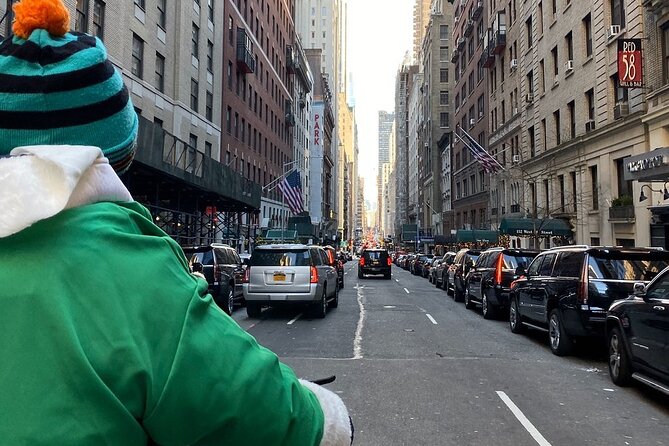
The 3-hour route is the one I would choose if you want more than a highlights circuit. It takes you into Central Park’s variety, from big institutions on the edge to the nature-leaning sections that feel less like a city park and more like a managed wild spot.
The Guggenheim spiral and art-house context
One of the more surprising additions is the museum designed by Frank Lloyd Wright with the spiral shape. Your guide can talk about the modern and contemporary art collection, including works by artists such as Picasso, Kandinsky, and Pollock. It helps you connect the park to New York’s broader creative world, not just the walking paths.
Fred Lebow, Carnegie, and the “city building” stories
You will also hear about Fred Lebow, the Romanian-born runner and co-founder of the New York City Marathon, including the origin story that began in 1970 with 127 participants. There is also a stop tied to Andrew Carnegie’s mansion, plus his big idea that wealth should benefit society through causes like libraries and peace efforts.
These are not just name drops. They make Central Park feel like part of a larger civic system, where New York’s institutions and people shaped what you see today.
A school stop with alumni in the spotlight
The route may include the Convent of the Sacred Heart, an all-girls Catholic school founded in 1881, connected to the global network of Sacred Heart schools. Your guide can mention notable alumnae such as Lady Gaga and Caroline Kennedy, and that helps the park feel current, not stuck in the past.
North Meadow, Conservatory Garden, and Ravine contrasts
North Meadow is a large open space, about 23 acres, with fields for sports. It gives you a sense of the park as a place for movement and community.
Then you shift into Conservatory Garden, split into French, Italian, and English sections. This stop is especially good for seasonal variety, since it is known for blooms like tulips in spring and chrysanthemums in fall.
After that comes the contrast stops: The Ravine and the North Woods. These sections show Central Park’s more naturalistic approach, with denser foliage and bird life. If you want the park to feel less managed and more like it evolved, these are the stops to prioritize.
Glen Span Arch and the Loch: bridges and winding water
You will likely see Glen Span Arch, a bridge that highlights how Central Park blends natural-looking elements with designed structure. Then the tour heads to The Loch, a scenic waterway that stretches toward the Harlem Meer, designed to feel like a natural stream with winding paths and rocky edges.
Seneca Village context and a West Side Story connection
One of the most meaningful parts of the full loop is the stop tied to Seneca Village, a community that once existed where parts of Central Park now stand. Your guide can explain that the area included free African Americans, Irish immigrants, and German settlers, with its own church, school, and businesses, before the city acquired the land in the 1850s.
You may also stop at a place connected to West Side Story, which is a reminder that Central Park has served as a film and storytelling backdrop for decades.
Harlem: culture you can point to, not just hear about
Finally, the 3-hour route often includes Harlem, with its connection to the Harlem Renaissance and later culture. You will hear about key names tied to music and literature, plus you may be pointed to major venues such as the Apollo Theater and the area’s ongoing food culture.
The guide and the ride experience: how you get the fun, not just facts
What makes this tour work is how the ride feels while it is happening. Guides often make it easy to relax, and they keep the story flow going without turning the pedicab into a lecture.
Photo stops are part of the design
This tour is not just about passing by sights at speed. Guides tend to stop often enough that you can grab real angles. A few guides, including Vitaly and Ali (and guides with names like John and Johnny), are known for helping people get iconic photos and even adding small extras like a blanket for cold weather.
If it is chilly, take that hint: dress warmly. Even with a blanket, you are still out in open air for stretches.
Humor plus history makes the park stick
You will hear stories tied to pop culture references, including movie scenes and TV moments, but the best guides do not treat that as trivia. They use it to make the park’s layout easier to remember, so later, when you are back on your own, you feel like you understand where you are.
If weather is iffy, treat this as an outdoor plan
The tour needs good weather and does not run in rain, even with a small chance of it. That is not a small detail. It affects how comfortable you will be, and it helps explain why guides are careful and plan ahead.
When should you book, and when should you go?
If you want the best shot at your preferred time, book early. This tour is commonly booked around 43 days in advance, so popular time slots can disappear when you wait.
For choosing your day:
- Choose clear, dry weather. The experience depends on it.
- In warmer months, consider the 2-hour route because that option runs only then.
- In seasons with heavy tree cover, be realistic about sightlines. You can still get great photos, but some architectural details might be partially blocked from the pedicab route.
Also, keep your expectations honest about timing. This is a short-to-medium ride with short stops. You are getting orientation and stories, not museum-length time.
Should you book the Central Park Guided Pedicab Tour?
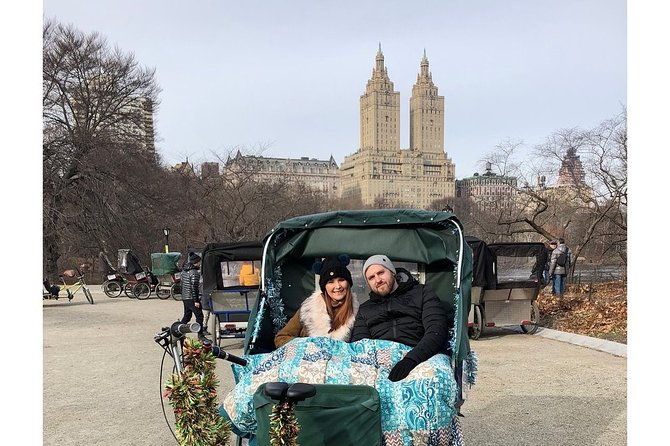
I think you should book it if you want a practical way to see Central Park’s core icons without turning the day into a strenuous walking mission. It is a strong pick for first-time visits, families who want something easier than constant walking, and anyone who likes hearing how places got built, used, and even filmed.
Skip it only if your goal is deep, slow exploration of every spot at ground level. On a pedicab, you get the big picture and the best quick moments. For true “spend an hour here” sightseeing, you will still want to come back afterward and do it on foot.
FAQ
How long is the Central Park guided pedicab tour?
The tour runs for about 1 to 3 hours, depending on which route length you choose.
How much does the tour cost?
The price is $65.00 per person.
Where does the tour start and end?
The meeting point is 1411 6th Ave, New York, NY 10019, USA, and the activity ends back at the meeting point.
Is the tour private?
Yes, it is a private tour/activity, so only your group participates.
Is the tour offered in English?
Yes, the tour is offered in English.
Are tips included in the price?
No, tips (gratuities) are not included.
What happens if it rains?
The experience requires good weather. Tours are not conducted in the rain or even small chances of rain, and you can reschedule to the next day.
Do I need to buy admission tickets to see the stops?
Admission tickets are shown as free for the listed stops, and the tour includes the pedicab ride and a professional guide.
More Guided Tours in New York City



More Tours in New York City


More Tour Reviews in New York City


Not for you? Here's more nearby things to do in New York City we have reviewed








More Central Park Tours to consider.
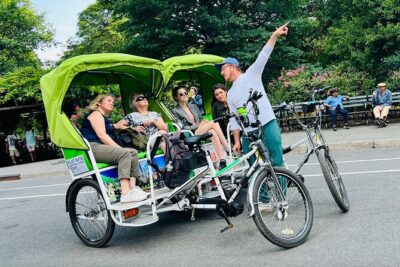 ★ 5.0Central Park Pedicab Guided ToursTickets from $387,108 traveller reviews
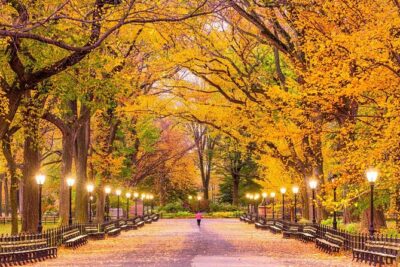 ★ 5.0Private Central Park Pedicab TourTickets from $386,981 traveller reviews
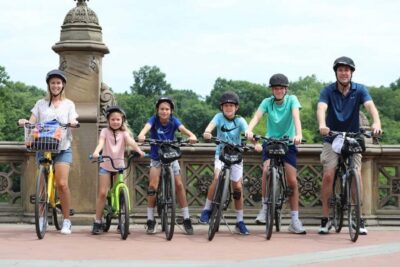 ★ 4.2Central Park Bike RentalsTickets from $92,528 traveller reviews
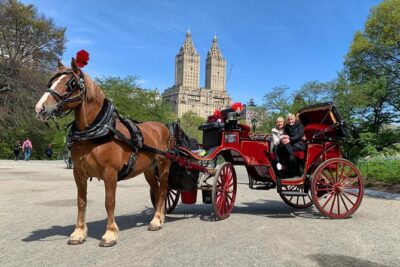 ★ 5.0Official NYC Horse Carriage Rides in Central Park since 1979 ™Tickets from $992,365 traveller reviews
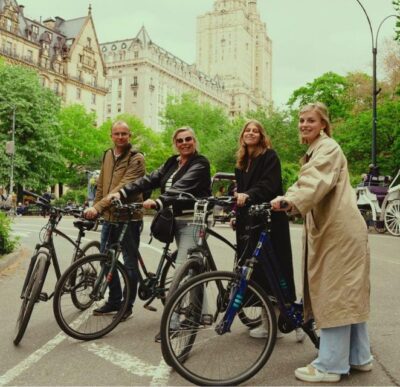 ★ 4.1Central Park Bike RentalTickets from $81,651 traveller reviews
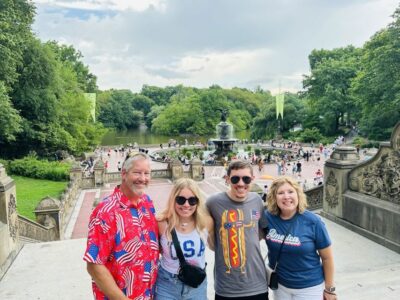 ★ 4.9Private Central Park Pedicab TourTickets from $401,637 traveller reviews
 ★ 4.7Central Park Bike RentalTickets from $91,509 traveller reviews
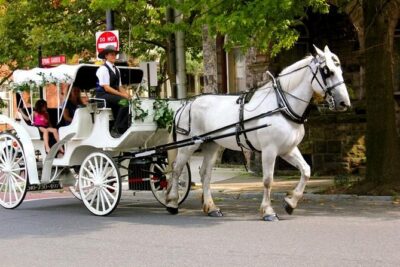 ★ 4.0Carriage Ride in Central Park (VIP – PRIVATE) Since 1964™Tickets from $141,074 traveller reviews
More useful New York routes