
Review · NEW YORK CITY TOURS
Garbage and Rats in New York City Walking Tour
New York has always had a trash problem. This 2.5-hour walking tour turns that messy reality into sharp science and history as you go from Wall Street toward City Hall. You start with big-name places, then the story keeps shrinking, down to rats, alleyways, and the systems that shaped the city.
I love that the tour is small-group focused, so you can ask questions and actually hear your guide. I also love how guide Suzanne (certified guide and a writer) uses humor to connect sanitation, politics, and public health without making it feel like a lecture. The main drawback: it is a lot of walking, and the topics can be macabre, including rat lore and darker parts of New York’s past, so it is not a fit if you want light and fluffy sightseeing.
What Makes This Trash-and-Rats Tour Different
- Wall Street starts the story, not the punchline: you see how early New York handled waste and who profited from the city’s darkest markets.
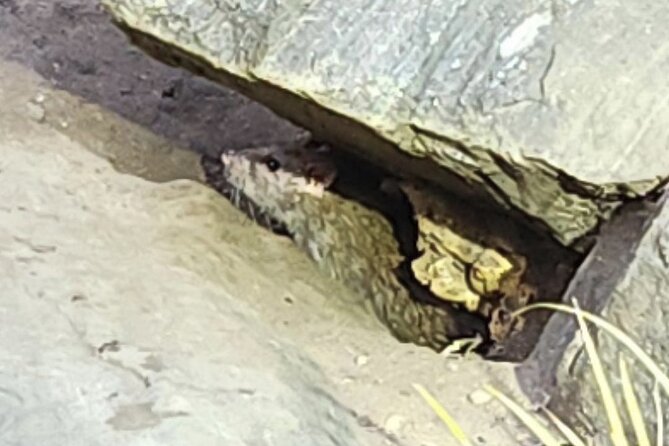
- Rat history is tied to city systems: landfill, food sources, and sanitation failures show up again and again in the narrative.
- Suzanne’s question-friendly pacing: you are not rushed, and your questions help shape the flow.
- Stop-by-stop storytelling in under 2.5 hours: each location connects to the next, so the walk feels purposeful.
- Real NYC grit, with a science angle: rat behavior and public health themes show up alongside political and labor history.
- Max 15 people keeps it personal: you get a guided experience rather than a crowded line of shadowing tourists.
Wall Street and Pearl Street: Garbage, Nieuw Amsterdam, and Power
The tour kicks off at Wall Street and Pearl Street, and it does not ease you in. You get right away into the idea that New York was built on waste, not just brick and money. Early on, the guide connects the area’s role in garbage disposal with the reality that cities run on hidden systems, and those systems often get designed for profit or neglect.
One reason this opening works is that it forces you to rethink Wall Street. It is easy to treat the Financial District like a bubble of wealth. Here, you get the street-level counter story: how the city’s “back end” was shaped, who benefited, and how that legacy still colors how neighborhoods function.
Then the tour adds another heavy layer at the start. You learn about the official market for buying and renting enslaved African people tied to the early city. It is not presented as trivia. The point is to show how waste, labor, and power were linked in the way the city grew and organized itself, even in places that now look polished.
Possible consideration: if you are uncomfortable with hard topics, this first stop asks you to hold multiple truths at once.
You can also read our reviews of more walking tours in New York City



South Street Seaport: Landfill Memories, Rat Fights, and a Fish-Market Ghost
From Wall Street, you move toward the South Street Seaport Historic District, and the tone becomes more “city mechanics.” As you walk up South Street, you hear how garbage and landfill shaped the waterfront and the ground beneath your feet. You also get connections to the former Fulton Street Fish Market, because food and waste go together in a way that makes rats very hard to ignore.
This is also where the tour becomes especially story-rich. The guide discusses rats as more than a punchline. You learn how their presence depends on access to food, shelter, and conditions that let them multiply. The city’s choices, or lack of choices, matter.
A standout moment here is the stop at the former site of Sportsman’s Hall, described as a notorious “rat pit.” You do not just hear the phrase. You get the history of rat fighting and how entertainment and cruelty historically collided in public spaces. Even if you think you already know New York, you will likely be surprised by how normal that kind of brutality once looked to spectators.
Practical note: this stretch is a walk with frequent listening stops. Wear shoes you trust, because you are on your feet for most of the 2.5 hours.
DeLury Square and the 1968 Sanitation Strike
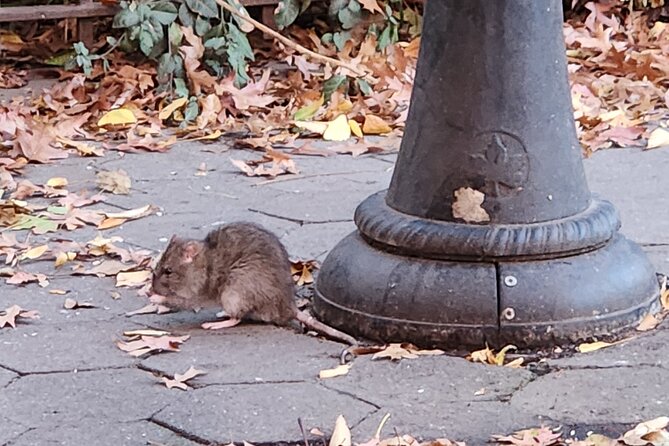
Next comes DeLury Square, where the tour shifts from private filth to public action. The guide covers the garbage strike of 1968, and it is a reminder that sanitation is not just a city service, it is also labor, politics, and daily survival. When you hear about the Sanitation Union in this context, trash stops being a vague problem. It becomes a workforce story, tied to rights and pressure on city government.
DeLury Square is also where the guide brings in John DeLury. The goal is not name-drops for their own sake. It is to show how local events and people shaped the city’s ability to manage waste, and how long-term issues do not fix themselves overnight.
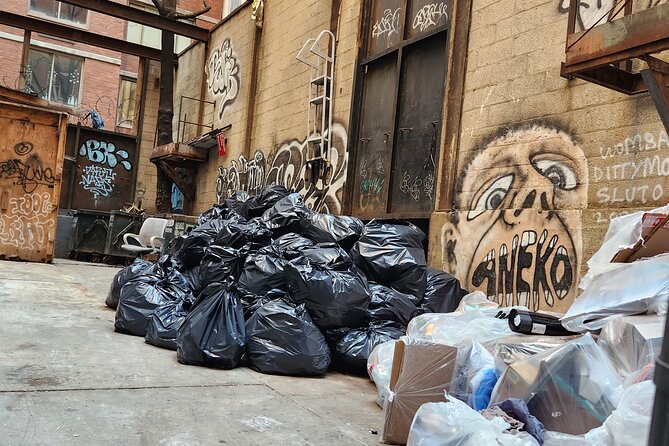
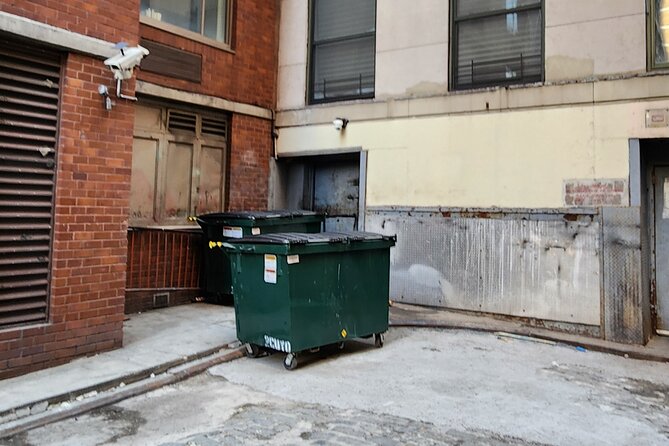
Then you stroll down Ryder and Eden Alleys. These smaller lanes matter because they make the rat story feel real. Alleys are where you can imagine old refuse, hidden access points, and the mix of old buildings and waste routes that create “perfect conditions” for rats. The walk here helps you connect history to what you can still see today.
What you may enjoy: the tour balances the darker content with a sense of agency. The sanitation strike theme points to the idea that change is possible, but it takes organization and sustained effort.
Ann Street and City Hall Area: Rat Attacks, Theatre Alley, and What the City Chose
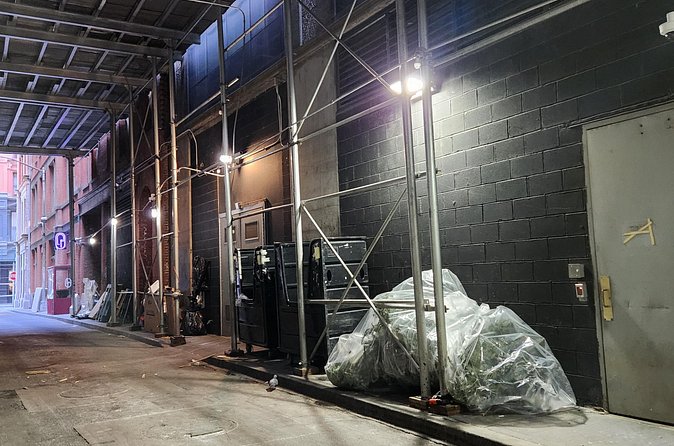
As the tour continues up Ann Street, you get one of the most memorable warning-style stories: an infamous rat attack in 1979. This is where the tour uses rat lore to make a public health argument. It shows how quickly an “annoyance” can become a safety issue when sanitation, infrastructure, and enforcement fail.
Then you head into Theatre Alley and on to City Hall Park. The guide uses this stretch to connect street-level observations to bigger patterns. Rat lore, garbage facts, and sanitation themes keep repeating, but with new angles each time. It can feel like a mystery where every stop offers one more clue about why the city has such a reputation.
A key value here is the cause-and-effect framework. You start thinking in systems: food sources, shelter opportunities, and the city’s ability to manage waste. Once you start thinking that way, you notice details you would normally ignore, like how waste collection routes and building layouts influence what lives nearby.
The Science and History Connection: Why Rats Belong in NYC Stories
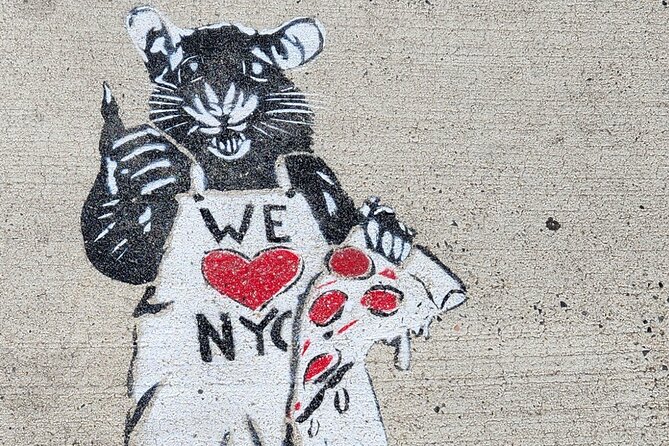
This is not a “gross-out” tour, even though the topic is rats. The best part is how the guide keeps tying it back to how cities work.
You learn a few big takeaways that stick:
- Rats thrive where waste becomes predictable. If garbage is accessible and sanitation is inconsistent, rat populations can hold steady or grow.
- Infrastructure failures are human decisions. You hear how policy, labor, and enforcement shape what happens in real alleys and on real sidewalks.
- Culture spreads stories as fast as rats spread. The guide shares rat history in a way that shows how public attitudes and entertainment choices fed the myth and the reality at the same time.
- Humor is used as a teaching tool. Suzanne’s storytelling style makes uncomfortable material easier to process, and that helps you remember it.
In the reviews, people highlight how Suzanne covers facts that sound strange at first, like rat biology details and even stories tied to rat behavior. On the tour, those moments land as part of a bigger point: if you understand the basics of what rats need, you understand why certain city conditions keep repeating.
If you like your history grounded in everyday life, this tour makes sense. You are not just learning dates, you are learning why the dates mattered.
You can also read our reviews of more city tours in New York City






Walking, Group Size, and When You Should Bring Water
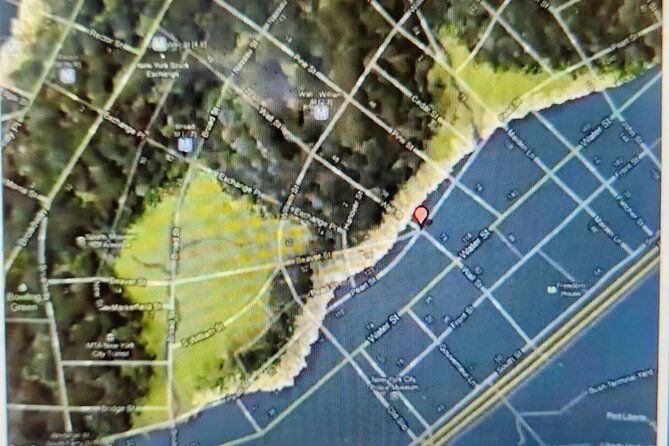
This experience is a guided walking tour in English, with a 2 hours 30 minutes runtime on average. The group is capped at 15 travelers, which is important in a tour like this. Small groups mean you are not lost in a crowd, and it is easier to follow the guide’s exact street-to-street connections.
There is also a practical detail you should plan around. Bottled water is not included, so bring your own. In a city that can feel humid even when it is not peak summer, that small decision keeps the last half from turning into “survival mode.”
You will also be on foot for a good chunk of the day. Reviews frequently mention it as a solid walking commitment. If you are the kind of traveler who needs frequent stops to reset, plan to take your time and maybe choose a slower day in your itinerary.
Two more logistics points that matter:
- It uses a mobile ticket.
- It is near public transportation.
Weather note: the tour requires good weather. If conditions are poor, you are offered a different date or a full refund, so do not plan something tight right before or after.
Price and Value: Is $45 Worth It for NYC?
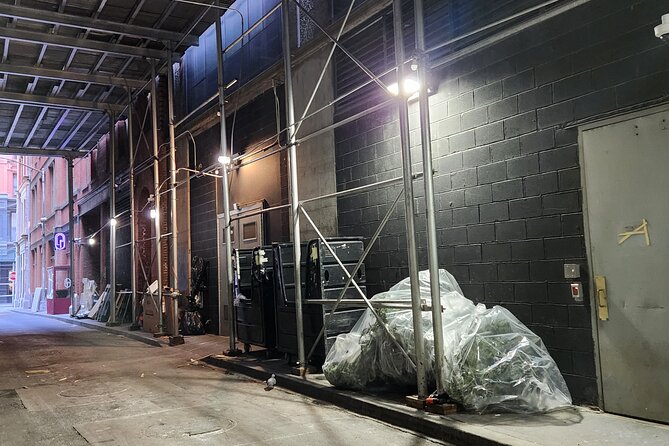
At $45 per person, this tour sits in the middle of what you typically see for guided walks in New York. Here is why it can feel like good value.
First, you are not paying for a generic city overview. You are paying for a guide who takes one theme, trash and rats, and uses it to explain the city’s growth, sanitation struggles, and public health issues. That focus gives you depth without requiring museum tickets.
Second, you get a real listening experience. Small-group size and clear guide audio are not just nice perks here, they are essential. If you cannot hear the story, you miss the transitions that connect each stop.
Third, the itinerary hits recognizable areas while keeping the story fresh. Wall Street, South Street Seaport, Theatre Alley, and City Hall Park are places you could see on your own. But the lens changes what you notice, and that is the value.
My honest take: if you are a person who reads street plaques and still wants more, this tour pays off. If you want views, photo stops, and light entertainment only, it may feel too topic-specific.
Who This Tour Suits Best
This tour is a strong match if you:
- Like history that explains why things work, not just when they happened
- Enjoy science in everyday settings, especially public health and urban ecology themes
- Want a small-group format with time for questions
- Can handle a bit of dark humor and macabre material without getting turned off
It may be less ideal if you:
- Want a mostly scenic walking tour
- Are easily grossed out by rat-related facts and stories
- Prefer tours that avoid difficult history topics
Service animals are allowed, and most travelers can participate, so the big deciding factor is comfort with the topic and your stamina for walking.
FAQ
FAQ
How much does the Garbage and Rats in New York City walking tour cost?
It costs $45.00 per person.
How long is the tour?
It runs about 2 hours 30 minutes.
Where does the tour start?
The tour starts at Wall Street and Pearl Street, Wall St & Pearl St, New York, NY 10005.
Where does the tour end?
It ends in a different location from where it starts. Your booking details will show the exact end point.
Is the tour offered in English?
Yes, it is offered in English.
What is included in the price?
The price includes a guided walking tour.
Is bottled water included?
No, bottled water is not included.
What is the group size limit?
The tour has a maximum of 15 travelers.
Is the tour near public transportation?
Yes, it is near public transportation.
Does the tour require good weather?
Yes. It requires good weather. If it is canceled due to poor weather, you are offered a different date or a full refund.
What is the cancellation policy?
You can cancel for free up to 24 hours in advance of the experience’s start time for a full refund.
Should You Book This Tour?
Yes, if you want New York that feels practical, offbeat, and connected to how the city actually runs. The small group format, guided listening, and guide Suzanne’s mix of humor plus sanitation and history themes are the real drivers. If dark topics and lots of walking are your thing, this is a memorable way to see lower Manhattan with fresh eyes. If you want scenery-first sightseeing, choose something lighter.
More Walking Tours in New York City


More Tours in New York City





More Tour Reviews in New York City


Not for you? Here's more nearby things to do in New York City we have reviewed











More New York City Tours to consider.
 ★ 4.7SUMMIT One Vanderbilt TicketsTickets from $4751,195 traveller reviews
 ★ 4.7Empire State Building Tickets – Observatory & MuseumTickets from $4725,757 traveller reviews
 ★ 4.6Statue of Liberty & Ellis Island with FerryTickets from $1918,683 traveller reviews
 ★ 4.5American Museum of Natural History TicketTickets from $3715,447 traveller reviews
 ★ 5.0New York in One Day Guided Sightseeing TourTickets from $9913,166 traveller reviews
 ★ 4.6Museum of Modern Art (MoMA) Entry TicketTickets from $3012,540 traveller reviews
 ★ 4.7One World Observatory Skip-the-Line TicketTickets from $3012,329 traveller reviews
 ★ 4.7New York CityPASS®: Save up to 41% at 5 Top AttractionsTickets from $15410,548 traveller reviews
More useful New York routes