
Review · TOURS
Financial Crisis Tour
Follow Wall Street’s 2008 story block by block. This Financial Crisis Tour turns the Financial District into a guided timeline, with an insider-style look at how fortunes were made and institutions fell. I especially like the focus on the 2008 crash, not just dates, and the way the guide uses standout landmarks as signposts for what actually happened.
You’ll also see major Lower Manhattan sights tied to the people and decisions behind the crisis, including stops around the NY Stock Exchange area and the grounds connected to firms like Lehman Brothers. The main drawback to factor in is simple: it is an outdoor walk in downtown wind, and you cannot go inside the NY Stock Exchange for security reasons.
Key Things You’ll Notice on This Walk
- Insider storytelling that links market mechanics to real-world consequences during the 2008 crisis
- Lower Manhattan landmarks as proof points, not just photo ops, including Federal Hall and Trinity Church
- Photo stops that still teach, even though the NY Stock Exchange is closed to visitors
- Clear, human pacing, with guides such as Jared, James, Peter, and Tom known for strong storytelling
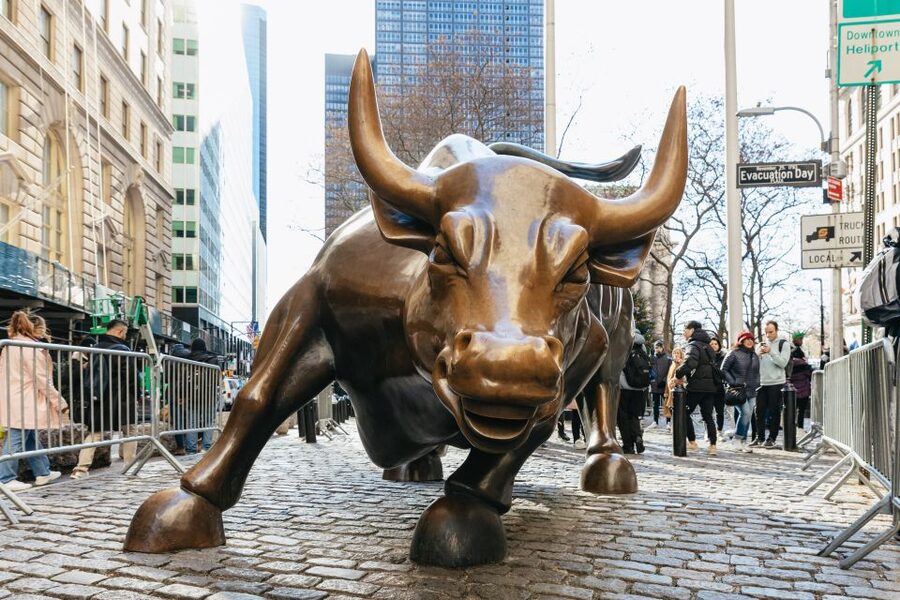
- Small details that matter, like where to stand for better photos at spots such as Charging Bull
Starting at 22 Broad Street, Where the Tour Gets Real
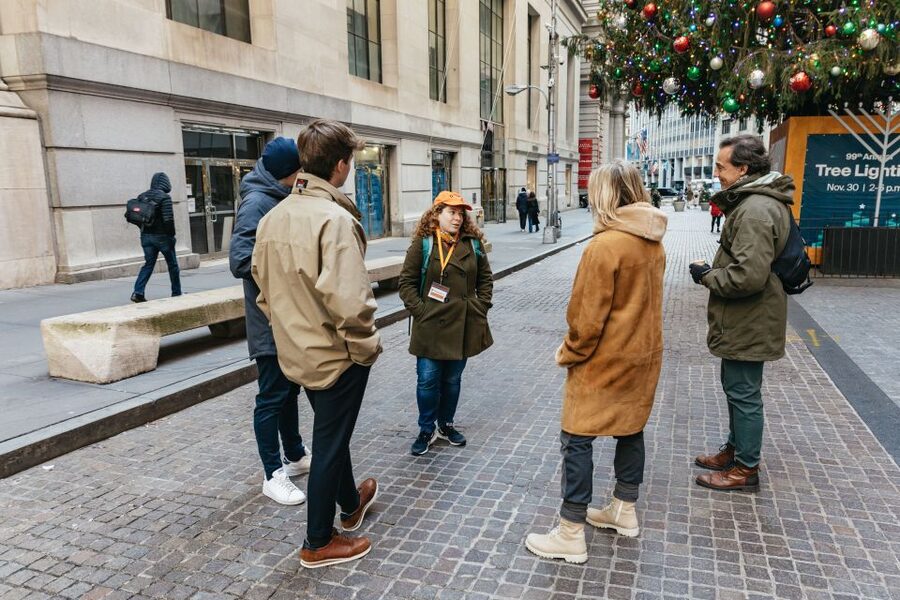
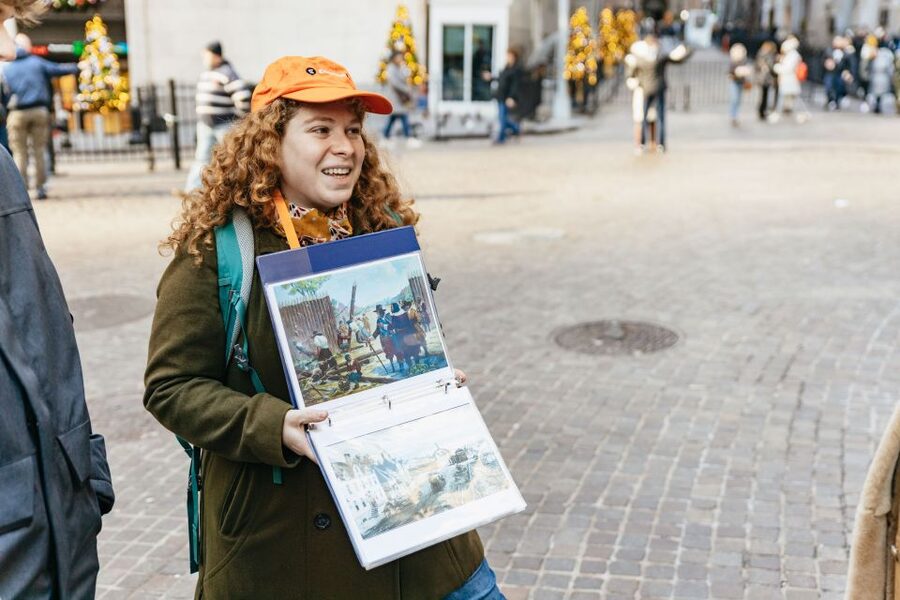
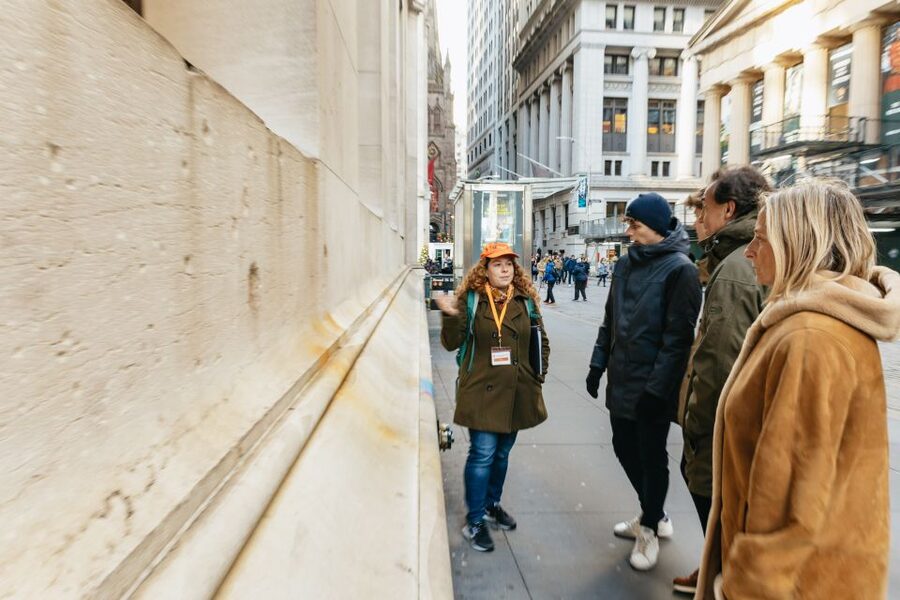
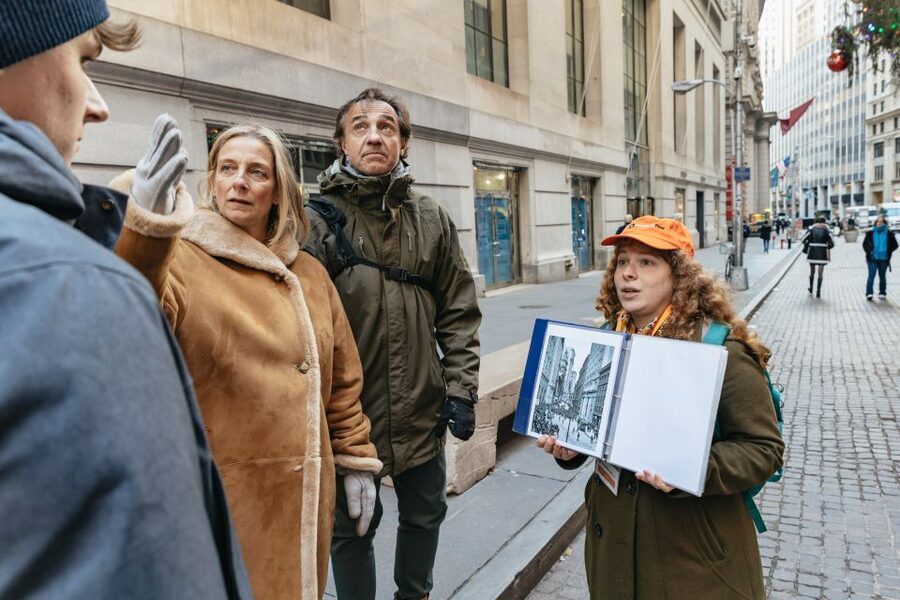
You meet at 22 Broad St, in front of Blue Bottle Coffee, across from 15 Broad St. Your guide stands out in an orange hat, and you should aim to arrive about 10 minutes early so the group can start right on time.
This matters because Wall Street runs on tight schedules. A two-hour tour moves fast, and that first block sets the tone: you’re not just sightseeing, you’re learning how a handful of decisions in this area helped trigger a global crisis. The best mindset is to treat it like a walking lecture, with frequent chances to pause, look, and connect the story to the street you’re standing on.
You can also read our reviews of more tours and experiences in New York City.

The New York Stock Exchange Photo Stop (And Why It Still Works)
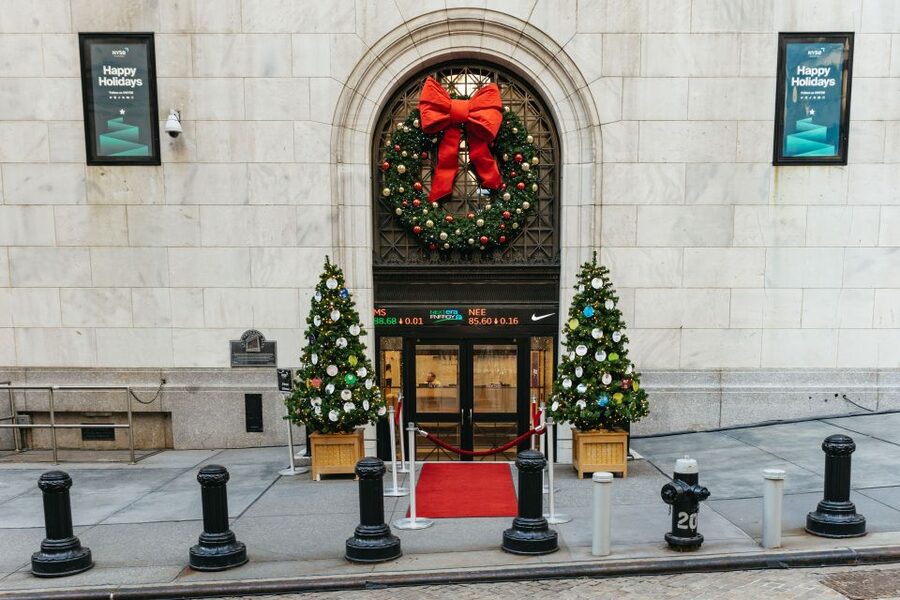
One of the early stops is the New York Stock Exchange for a photo stop and sightseeing. Here’s the practical catch: the NY Stock Exchange is closed to visitors, so you won’t be going in.
Still, this stop is useful. Even from outside, it anchors the theme of the tour, the place where public market expectations and real money collide. The guide can point you to the surrounding architecture and help you understand how the world of finance communicates confidence, risk, and speed, all of which played a big role in 2008.
If you care about visuals, I suggest bringing your camera and thinking about angles. The day you go will depend on crowd flow and street conditions, so being ready to take a quick shot is part of the value here.
Wall Street: The Crash Explained from the Sidewalk
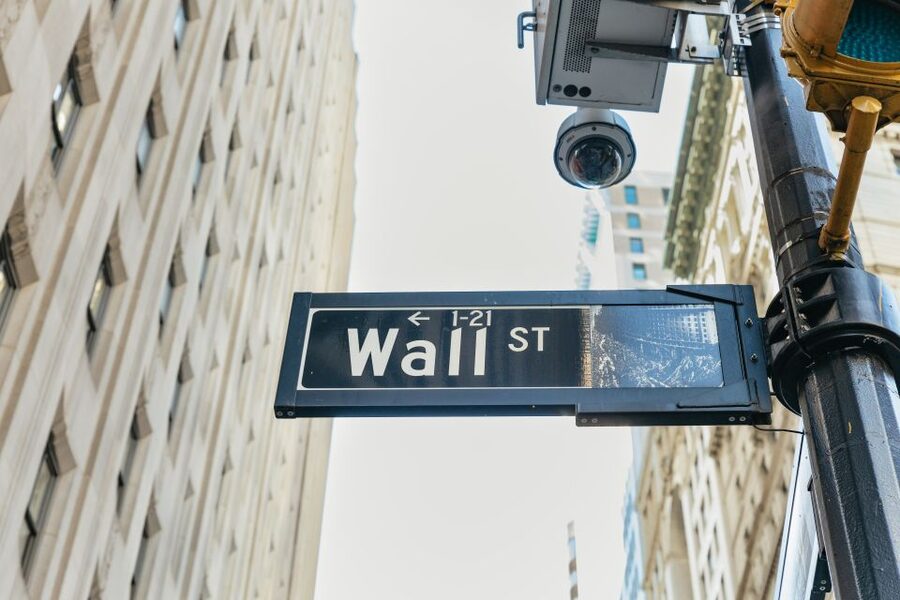
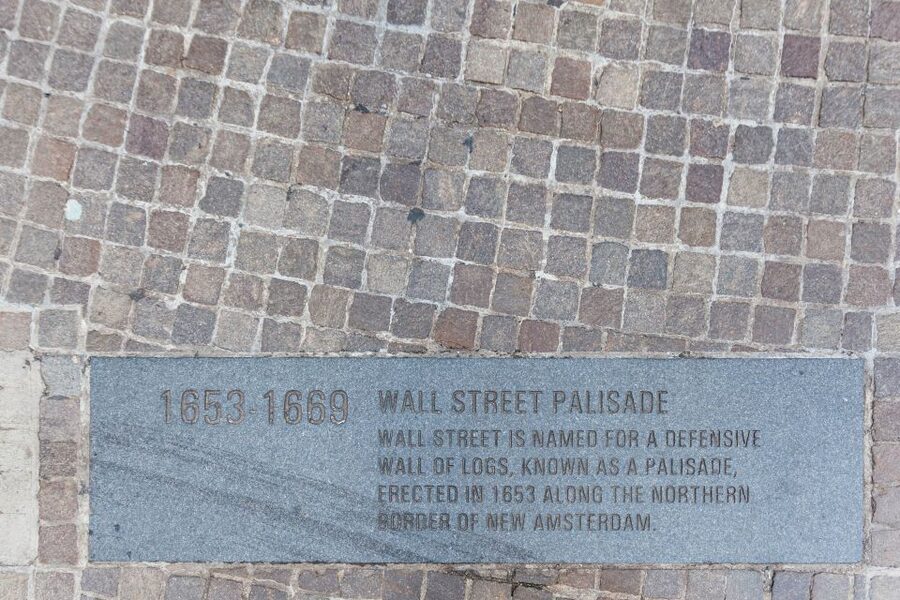
After the NY Stock Exchange area, the tour moves into Wall Street itself for photo stops and guided tour. This is where the tour tries to answer the question that most people have when they hear the phrase global financial crisis: what actually failed, and why?
The tour’s promise is that you’ll hear the story from Wall Street insiders, not just a high-level recap. In practical terms, that means the guide connects the dots between risk, lending, trading, and the cascading effects when major players started to buckle.
The walking format helps. You’re not stuck reading a diagram on paper, you’re standing in the Financial District while your guide points out landmarks like the NY Stock Exchange, Federal Hall, and other key buildings. Guides have a knack for keeping it lively too. I’ve seen praise tied to guides like James for humor and storytelling, Peter for clear narration, and Tom for keeping the pace entertaining while still covering the core causes of the crash.
Federal Hall: A Landmark That Puts Finance in Context
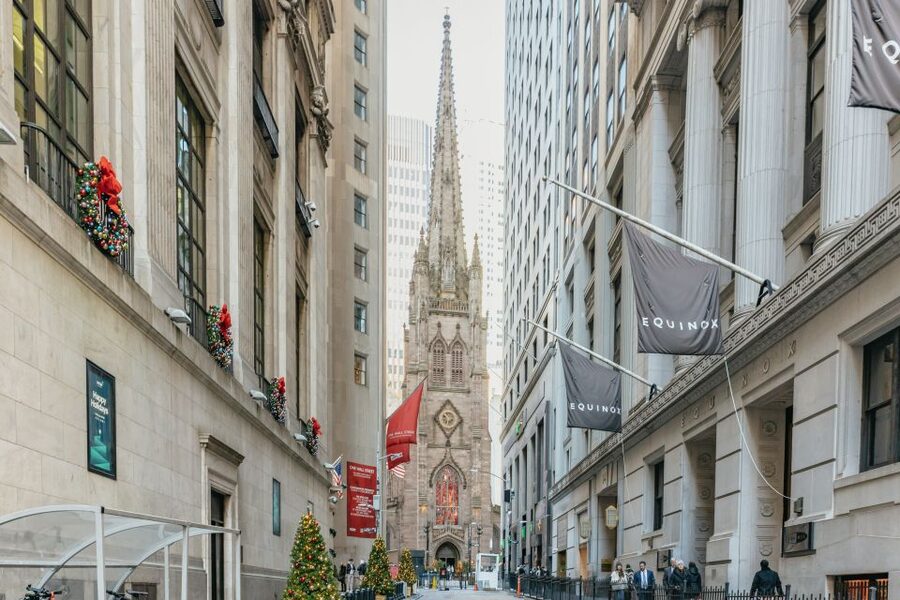
Next comes Federal Hall, another photo stop and sightseeing moment. Federal Hall is one of those places that reminds you Wall Street did not rise out of nowhere. The area carries layers of New York’s civic and financial identity, and this stop helps you widen the lens beyond 2008.
Why that matters for the crisis story: a financial crash is not only numbers, it’s behavior shaped by institutions, regulations, incentives, and public trust. When you stand at a landmark tied to the city’s long role as a financial center, the 2008 story feels less like a random catastrophe and more like a result of systems that had been allowed to grow and concentrate power.
You’ll get the best experience if you stay present during this stop. Pause, look up at the details, then listen for how your guide links this setting to how markets became dominant in shaping everyday life.
Stone Street Historic District: The Street-Level View of Power
The itinerary includes a stop in the Stone Street Historic District, with photo stop and guided tour. This is a nice contrast block. While Wall Street feels like the world of giant firms and fast decisions, Stone Street can remind you that the Financial District also includes older streets, different textures, and a sense of how downtown life changed over time.
For your understanding, this part of the walk can act like a reset. It gives your brain room to absorb what you heard about the crash, then re-anchors you in the geography of the area. When your guide talks about why certain decisions mattered, this kind of in-between stop helps you track what the story is trying to prove.
It’s also a good stretch break. Outdoor walking tours do not always give you a chance to slow down, so when the tour reaches a quieter historic stretch, take advantage of the moments to look around and regroup.




Charging Bull: Iconic Photos, Real-World Crowd Advice
No Lower Manhattan walk feels complete without the Charging Bull stop. You’ll get photo stop and sightseeing, plus guided context from the guide.
Two important practical notes:
- This is a photo magnet, so expect crowds around peak times.
- If you want a photo with less fighting for space, aim to plan around early hours.
That advice came up directly in strong feedback, including a tip to visit after an early breakfast if you want a cleaner shot. The tour will still teach you something even if the bull is busy, because the guide can connect the icon to the larger idea of confidence, bravado, and how markets project certainty even when conditions are unstable.
Trinity Church: A Calm Landmark in the Middle of Market Noise
The next stop is Trinity Church for photo stop and sightseeing. Again, it’s a visual pause inside a district that is otherwise defined by commerce and finance.
In a tour like this, that calm matters. You’ll likely have heard about the collapse of major financial institutions and how traders and firms experienced both extreme gains and losses. A landmark like Trinity Church helps you reset emotionally, so you can process the story instead of just speed-walking through it.
It’s also a chance to focus on the human side of the narrative. Crashes affect people, jobs, neighborhoods, and trust. When your guide keeps the story grounded while you stand at a major downtown site, you’re more likely to remember the key turning points of 2008.
The Lehman Brothers Angle and the Insider Point of View
One of the highlighted promises is that you’ll tour the grounds of major players from the crisis, including Lehman Brothers. Even if your access is limited to what you can see from public space, the point is to connect names you’ve heard to the actual geography where decisions played out.
This is where insider-style guiding earns its keep. The most convincing versions of the 2008 story are the ones that show how the system amplified risk. I’ve also seen feedback praising guides for filling in gaps, like the way Jared helped make the whole crisis click for people who felt they were missing pieces before the tour.
If you’re curious about the biggest financial crisis since the Great Depression, focus on the connections your guide makes. Listen for how the story is framed around cause and effect: how one failure triggered another, and how the crisis reshaped confidence and markets.
The Extra Photo Stop and the Walk to the Federal Reserve Drop-Off
The itinerary includes an additional photo stop at item 8, but without a specific named landmark. Treat this as part of the flow: quick snapshots and orientation moments that keep the story moving.
Finally, the tour ends with two drop-off locations, including the Federal Reserve Bank of New York, 36 Liberty St, New York, NY 10005. That’s a fitting finish. It ties the street-level story of the crisis back to the institution that helps steer monetary stability, even though the exact details of what you see or can access are not listed here.
For your planning, it’s helpful to know you won’t be stuck circling the same streets at the end. You’ll get released in a central downtown spot, right where you can connect to the rest of your day.
Price and Time: Is $59 Worth Two Hours?
At $59 per person for 2 hours, this tour can be strong value if you want context without spending all day. You’re paying for a live guide who can translate the 2008 crash into a walk you can follow with your eyes.
Here’s how I think about value for this kind of experience:
- Two hours is long enough for a coherent story arc, without turning into a school lecture you can’t shake off.
- The lack of transportation included keeps it honest. You control how you arrive, and you get to the core of Lower Manhattan on your own terms.
- The fact that it is outdoors, weather-dependent in comfort (wind especially), and mostly sightseeing plus short guided stops means your expectations should be about learning and visuals, not indoor access.
A couple of reviews also hint at pacing differences. One person found the content a bit technical for a tween, which is a good reminder: if you’re sensitive to market jargon, tell yourself you’re here for the big story, not a textbook. Another review noted a good chance to hear everything clearly when the guide used a microphone, which is always a plus on a windy downtown day.
Weather, Wind, and What to Wear in Downtown Manhattan
This is an outdoor walking tour that runs in all weather conditions. Downtown Manhattan is particularly windy, so dress accordingly. If you’ve visited before, you already know how quickly conditions can change between blocks.
I also suggest planning for street-level comfort: wear shoes you can walk in for the full two hours and bring what you need to stay focused, like water if it’s warm. And yes, bring your camera, since multiple stops are explicitly designed for photos.
Because the NY Stock Exchange is closed to visitors, don’t build your plan around expecting interior access. Build it around the guide’s explanation and the chance to see the Financial District landmarks from the sidewalk.
Who This Tour Fits Best (And Who Might Want Another Option)
This is a great fit if:
- You want to understand the 2008 crisis in plain language tied to real locations.
- You like walking tours that mix Lower Manhattan landmarks with a focused theme.
- You enjoy insider storytelling that explains how major institutions failed and how traders and decision-makers experienced the fallout.
It might be less ideal if:
- You’re looking for lots of indoor time or entry into famous buildings, since access like the NY Stock Exchange is not available.
- You prefer strictly non-technical storytelling, because the crisis explanation can get into mechanisms and causes.
- You need a super relaxed pace, because two hours in busy downtown streets is still active walking.
Should You Book This Financial Crisis Tour?
If your goal is to make the 2008 story make sense while grounding it in the geography of Lower Manhattan, this tour is a smart choice. The mix of photo stops and guided explanation, plus the insider framing around what happened, is exactly the kind of experience that turns a headline into something you can actually track on foot.
Book it if you want an efficient, cost-controlled way to see Wall Street landmarks and learn the biggest financial crisis narrative in modern times. Skip it only if you want heavy indoor access or you know you dislike market-related explanations.
Bottom line: for $59, two hours, and a focus on the real story behind 2008, this is one of those tours that rewards your attention, not just your itinerary checkmarks.
FAQ
Where do I meet the guide for the Financial Crisis Tour?
Meet your guide at 22 Broad Street, in front of Blue Bottle Coffee and across from 15 Broad Street. Don’t go inside any buildings at the meeting point, and look for your guide wearing an orange hat.
How long is the tour?
The tour duration is 2 hours.
How much does it cost?
The price is $59 per person.
Is the tour outdoors, and does it run in bad weather?
Yes, it takes place outdoors, and it runs regardless of weather conditions. Downtown Manhattan can be particularly windy, so dress for it.
Can I enter the New York Stock Exchange?
No. The New York Stock Exchange is closed to visitors.
What’s included in the price?
You get a guide with Wall Street experience.
What is not included?
Transportation is not included.
Where does the tour end?
The tour has two drop-off locations, including the Federal Reserve Bank of New York, 36 Liberty St, New York, NY 10005.
What’s the cancellation and booking flexibility like?
You can cancel up to 24 hours in advance for a full refund. You can also reserve now and pay later (book your spot and pay nothing today).
What should I bring?
Bring your camera, and plan to dress for an outdoor walk in downtown wind.
More Tours in New York City


More Tour Reviews in New York City
Not for you? Here's more nearby things to do in New York City we have reviewed




More Tours to consider.
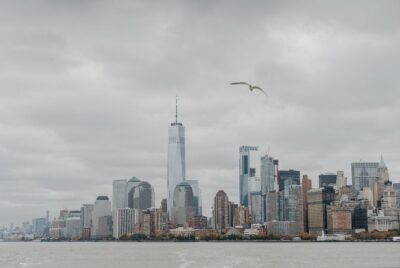 ★ 5.0Statue of Liberty and Ellis Island Tour: All OptionsTickets from $6913,571 traveller reviews
 ★ 5.0New York in One Day Guided Sightseeing TourTickets from $9913,166 traveller reviews
 ★ 5.0Central Park Pedicab Guided ToursTickets from $387,108 traveller reviews
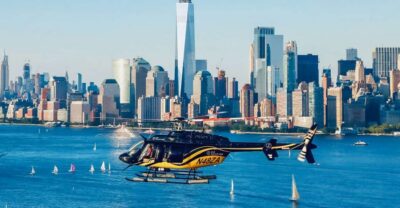 ★ 4.7Manhattan Helicopter TourTickets from $2997,076 traveller reviews
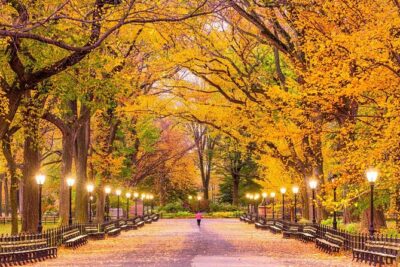 ★ 5.0Private Central Park Pedicab TourTickets from $386,981 traveller reviews
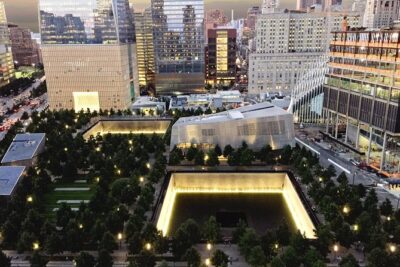 ★ 5.09/11 Memorial, Ground Zero Tour with Optional 9/11 Museum TicketTickets from $396,381 traveller reviews
 ★ 4.2Hop-on Hop-off Sightseeing Tour by Open-top BusTickets from $445,863 traveller reviews
 ★ 4.8Manhattan Sightseeing Helicopter TourTickets from $2995,826 traveller reviews