
Review · CHINATOWN & LITTLE ITALY TOURS
3 Neighborhoods Tour: Soho, Chinatown & Little Italy
A city can feel like three different movies in two hours. This tour strings together SoHo, Little Italy, and Chinatown with architecture, big flavors, and a surprising thread of queer nightlife history. You get a guide to connect the dots fast, so the neighborhoods feel less like random stops and more like one story with chapters.
I love how much ground you cover for $39, especially with a live English guide calling out specific buildings and street corners. I also like the mix of practical sightseeing and food breaks, including samples like cheesecake, cannolis, and dumplings, without turning the walk into a long food crawl. The one possible drawback is that food and drinks aren’t included, so you will want cash and realistic expectations that not every vendor may be open.
Quick take: key points before you lace up
- SoHo architecture and landmark stops like the Haughwout Building and Old Police Station, plus Greene Street photo moments
- Food breaks that actually fit the timeline, including cheesecake, cannoli, gelato, pizza, and a dumpling finish
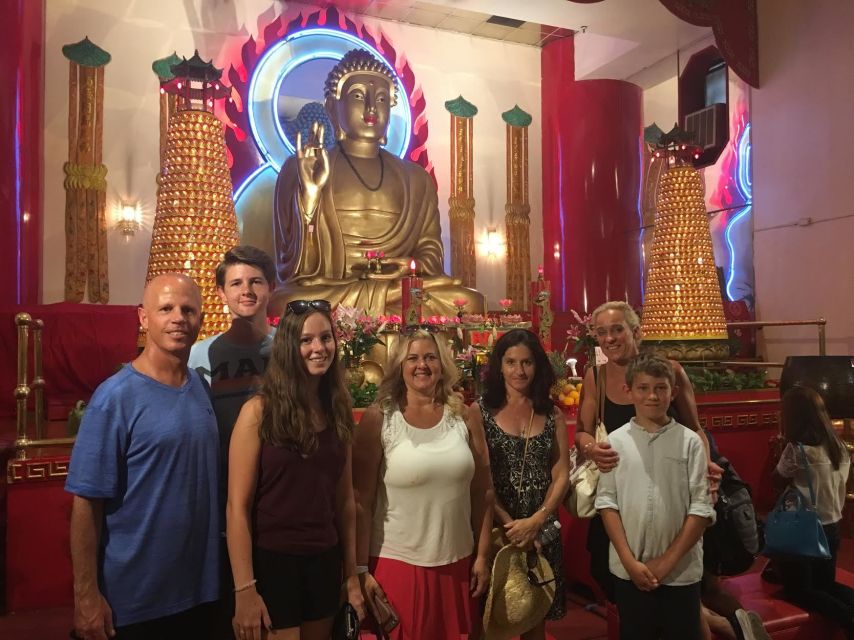
- Chinatown big-ticket sights, including the Mahayana Buddhist Temple and a look at the 16-foot Golden Buddha
- A themed history thread about queer artists and radicals, plus how the Mob profited and activists pushed back
- A walk that stays manageable, about 2 hours total, but still enough to require comfortable shoes
SoHo, Chinatown, and Little Italy in Two Hours
If you only have a little time in Manhattan and you want more than postcard photos, this tour hits a sweet spot. You start in SoHo for design-forward streets, switch to the Italian-American buzz of Little Italy, then end in Chinatown with religious landmarks and classic eats.
What makes the experience worth your time is the way the guide connects what you see with why it happened. SoHo is not just trendy storefronts. Little Italy is not just cannolis. Chinatown is not just Dim Sum and souvenirs. The tour frames each neighborhood as a place shaped by people pushing for space, safety, and opportunity.
You can also read our reviews of more tours and experiences in New York City.



Duarte Square to Columbus Park: How the Route Feels
The tour meets at Duarte Square and finishes at Columbus Park. That end point matters because it puts you near a good “reset” spot to grab your next meal, catch a subway, or just wander without feeling like you have to backtrack across the whole island.
The pacing is built for a two-hour window. You do one longer chunk in SoHo, then the route moves in steady stages through Nolita and Little Italy, then into Chinatown for the final stretch. You will have short breaks for food tasting, so you are not stuck walking nonstop with a growling stomach.
SoHo Stops That Explain Why This Neighborhood Got So Expensive
SoHo is the opening act, and the tour treats it like a real case study. You will see why the area became one of the most expensive places to live on the island, not by listing numbers, but by pointing at the built environment and the lifestyle that came with it.
Expect classic SoHo textures: dramatic storefronts, gallery-like facades, and streets where architecture does half the talking. The walk includes Greene Street, a stretch often famous for its beautiful building lines and character. You also get landmark time at places like the Haughwout Building and the Old Police Station, which help you see SoHo as more than shopping.
And here is a practical bonus: if you want to shop in SoHo later, you will go in knowing where the “wow” blocks are. Instead of wandering, you will have a mental map.
Nolita Cheesecake Break and the Quick Reset Before Little Italy
After SoHo, the route slides toward Nolita with a quick stop for cheesecake. This is a smart move in a two-hour tour because it gives you energy without hijacking the schedule. You taste something local-ish and then get back into walking mode right away.
Nolita also acts like a mood transition. It smooths the shift from SoHo’s polished vibe into the more food-centered, family-owned feel you get as the tour approaches Historic Little Italy. If you like tours that keep momentum, this short break helps.
Bring cash here, because while there are tastings on the route, food and drinks are listed as not included. In other words, assume you might be paying for anything beyond the samples.
Historic Little Italy on Mulberry Street: Cannoli, Gelato, Pizza, and Pride
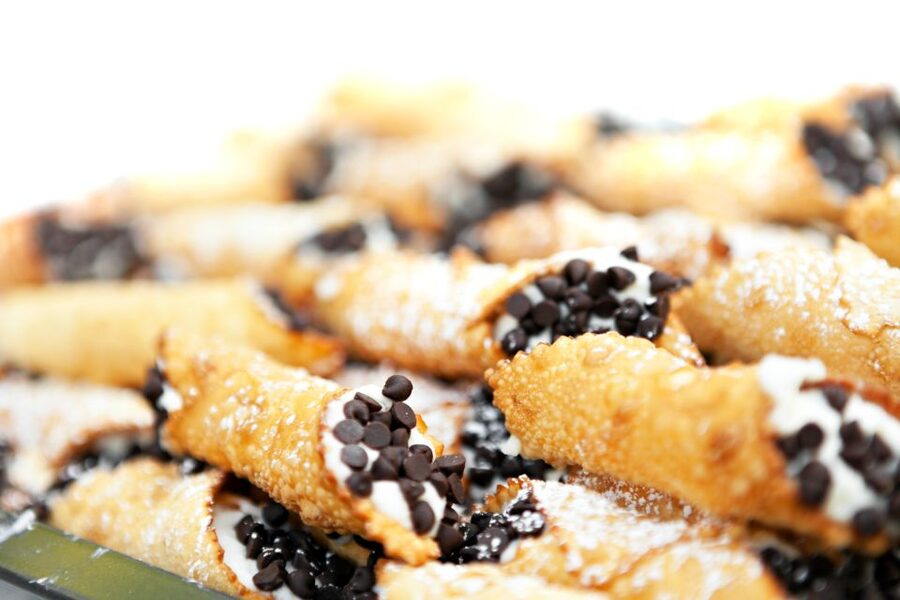
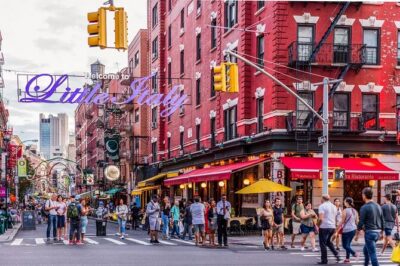
Little Italy is where the tour leans into the senses. You will spend time sightseeing in the Historic Little Italy area and get direct sampling stops for classic favorites like cannolis, gelato, and pizza. The guide uses these food moments to talk about the neighborhood’s heritage, not just what it sells.
Mulberry Street is a key part of the experience. You will learn how to think about the street as a corridor of community life, with famous spots the guide points out along the way. You get the inside scoop on where locals tend to go, which is useful because Little Italy can feel busy and touristy if you are only using a map app.
A practical note: food vendors may not always be operating. That does not make the tour pointless. It just means the tastings can vary. If you are arriving on a day when things are closed, you still get the walking, landmarks, and the stories.




A Break at the Quiet Spot: Why the Guide Builds Stops This Way
There is a scheduled “hidden gem” break on the route, and it serves a real purpose. It gives you time to cool down, take a breather, and look around with less rushing. In neighborhoods with narrow streets, having a pause built in can be the difference between enjoying the details and feeling swallowed by the crowd.
Even without a named attraction here, the value is how the guide uses the stop. They often set context in the spaces you would normally walk past. You notice the little things, like what the street layout tells you about how people moved through the area.
If you like photography, this is also where you can take a breath and capture shots without the whole group feeling like you are constantly sprinting ahead.
Chinatown Landmarks: Golden Buddha, Ice Cream, and Doyer Street Changes
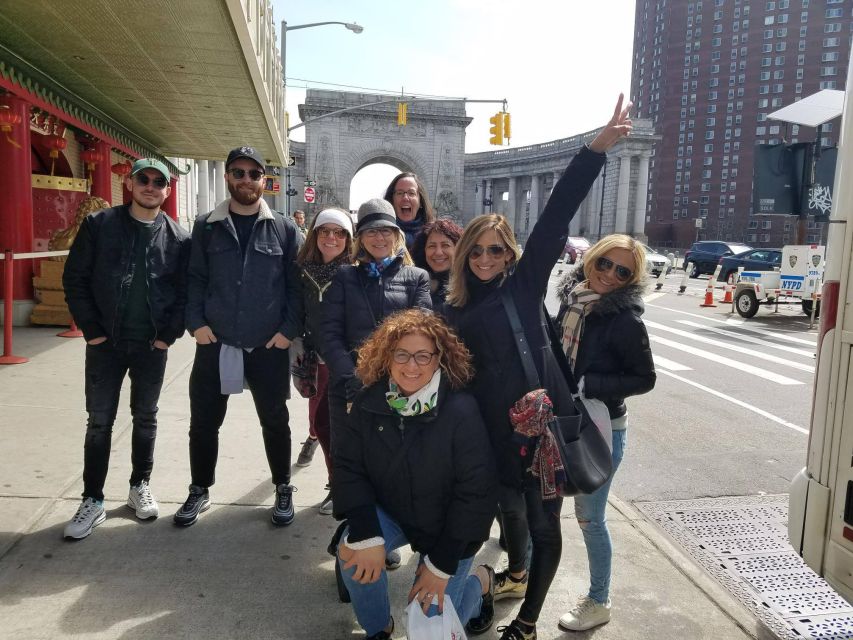
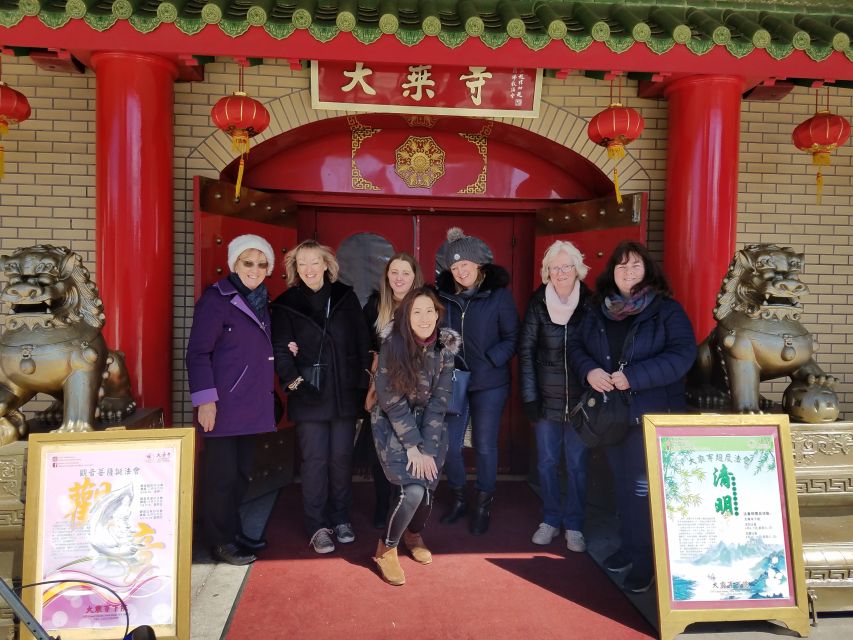
Chinatown is the closing act, and it has the most “I had to look twice” moments. You start with a visit to the Mahayana Buddhist Temple, where you can see the 16-foot Golden Buddha. This is the kind of stop that makes the neighborhood feel anchored in living culture, not just commercial streets.
Then you get the Manhattan Bridge pass and a walk into the heart of Chinatown. The bridge moment is helpful because it gives scale. You can feel how close Chinatown is to the larger Manhattan story, even while it has its own identity and rhythm.
You will also stop for treats at the Original Chinatown Ice Cream Factory. It is a fun, recognizable Chinatown classic that fits well at the point where your feet and cravings both catch up.
Doyer Street is where the tour turns reflective. You learn how the neighborhood has changed over the years, and the guide uses that context to help you read what you see on the sidewalks today. This is not just nostalgia. It is about understanding how communities shift while still leaving traces behind.
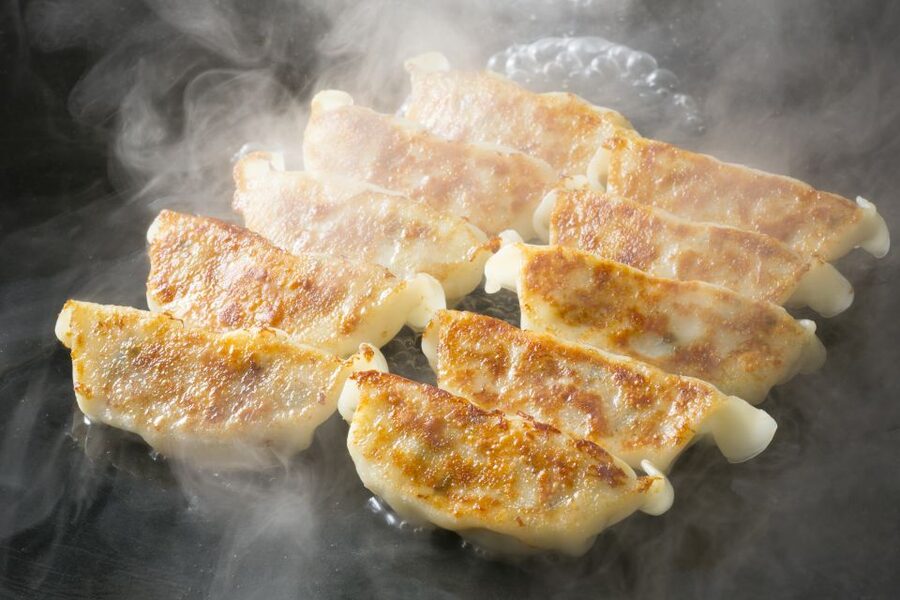
The tour ends with a traditional dumpling stop, plus a discussion of Five Points, one of the city’s most infamous historical zones. It is a memorable finale because it connects the neighborhood you just walked through to the larger New York story.
The Queer Nightlife Theme: Mob Money and Activists Pushing Back
One of the tour’s standout features is the way it brings in queer history across all three neighborhoods. You hear about the lives of queer artists, poets, and radicals who helped shape cultural life in the city. You also learn how the Mob profited from queer nightlife, and how activists fought back.
This theme matters because it changes how you read the streets. You stop treating these neighborhoods as fixed backdrops. Instead, you start seeing them as places where different groups negotiated safety, visibility, and survival.
If you enjoy history that feels human and street-level, this is the part that will likely stick with you. The guide is using sidewalks and buildings as evidence, not just telling a timeline.
Also, I like that this approach keeps the tour from becoming a pure “see and go” sightseeing loop. It gives you a reason to pay attention to the details, even on streets that look similar at first glance.
Price and Value: Is $39 a Good Deal?
At $39 per person for a 2-hour guided walk, this is priced like an efficient experience, not a long private tour. The value comes from the mix of three neighborhoods, guided interpretation, and multiple food tasting moments.
But here is the balance check. Food and drinks are listed as not included. That means $39 covers the guide and the tour experience, while the actual tasting items may be sample-sized and not a full meal. In practice, you should treat tastings as part of the fun, and bring cash if you want extra.
The biggest value is that you are not trying to stitch together three neighborhoods alone. You get a plan, an order, and a narrative that turns random blocks into meaningful stops. For first-timers, that can save you hours of guesswork.
What the Best Guides Bring (and Why You Should Care)
The tour gets strong marks for guide energy and pacing. People often highlight guides like Briana and Claire for being friendly, engaging, and easy to follow, the kind of guides who feel like a good friend who also knows the city deeply.
You will also see praise for guides such as Francesca, Fran, Piper, Ann, Patrick, Luke, Rory, Nicole, and Sam. The common thread is simple: the walk stays fun while still being informative.
One practical tip: guides who handle the pace well are a huge deal on a walking route through narrow streets. The tour includes food breaks and timed sightseeing blocks, and having a guide who sticks to that rhythm makes the whole thing feel smooth.
What You Should Bring and Expect From a Weather-Proof Walk
This is a walking tour. The info is clear on that point, so plan like you mean it. Wear comfortable shoes, and bring cash because you will likely want to grab something if you see a spot you like.
The tour runs in all weather conditions. That means you should dress appropriately for rain or heat. If poor weather causes a cancellation, you should be offered an alternative date or a full refund.
One more reality check: there is no guarantee food vendors will be operating. Still, you are going for the guide-led route through landmark areas, so even with fewer tasting options, the sightseeing and stories should land.
Who This Tour Works Best For
This is a great fit if you want:
- a short, structured introduction to three Manhattan neighborhoods
- food tasting moments without spending hours eating
- a history angle that includes queer community life and street-level politics
It is also a good choice if you dislike wandering with no plan. The route gives you enough structure to feel confident, but you still get time to look around and enjoy the streetscape.
Should You Book This 3 Neighborhoods Tour?
I think you should book this tour if you want a compact way to understand SoHo, Little Italy, and Chinatown as connected neighborhoods with a real narrative. The $39 price makes sense because you are buying time saved, guided interpretation, and multiple food stops within a manageable two-hour window.
Skip it or consider alternatives if you are hoping for a food-first experience where everything is included. Food and drinks are not listed as included, and vendors might not always be open. Also, if you have very limited walking tolerance, the route still has a decent amount of walking even with breaks.
If you land in Manhattan with two hours to spare and you want your neighborhoods to feel more meaningful than a list of streets, this is one of the more practical ways to do it.
More Tours in New York City




More Tour Reviews in New York City

Not for you? Here's more nearby things to do in New York City we have reviewed












More Chinatown & Little Italy Tours to consider.
 ★ 5.0SoHo, Little Italy, and Chinatown Walking Tour in New YorkTickets from $393,153 traveller reviews
 ★ 5.0Chinatown & Little Italy Food Tour with 7 Flavorful TastingsTickets from $992,733 traveller reviews
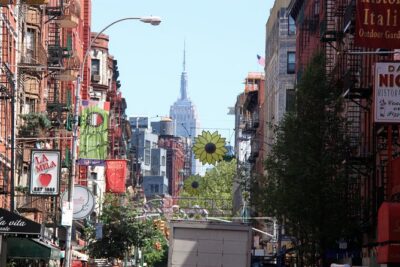 ★ 5.0Original NYC Guided Food Tour of Chinatown and Little ItalyTickets from $1302,194 traveller reviews
NYC Food Tour: Chinatown and Little ItalyTickets from $991,090 traveller reviews
★ 5.0Original NYC Guided Food Tour of Chinatown and Little ItalyTickets from $1302,194 traveller reviews
NYC Food Tour: Chinatown and Little ItalyTickets from $991,090 traveller reviews
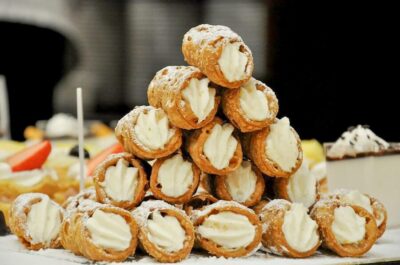 ★ 4.7Chinatown and Little Italy Food TourTickets from $80703 traveller reviews
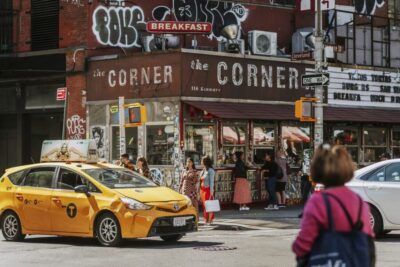 ★ 4.7SoHo, Little Italy, and Chinatown Guided TourTickets from $30614 traveller reviews
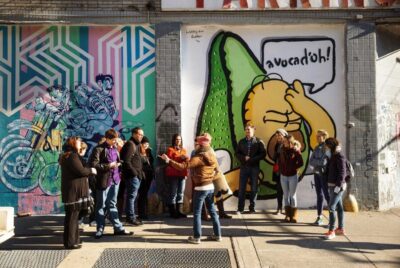 ★ 4.6SoHo, Little Italy, and Chinatown 2-Hour Guided WalkTickets from $39566 traveller reviews
 ★ 5.0SoHo, Little Italy, and Chinatown NYC Guided Walking TourTickets from $36443 traveller reviews
More useful New York routes