
Review · 9/11 MEMORIAL TOURS
9/11 Memorial Tour + Museum and One World Observatory Option
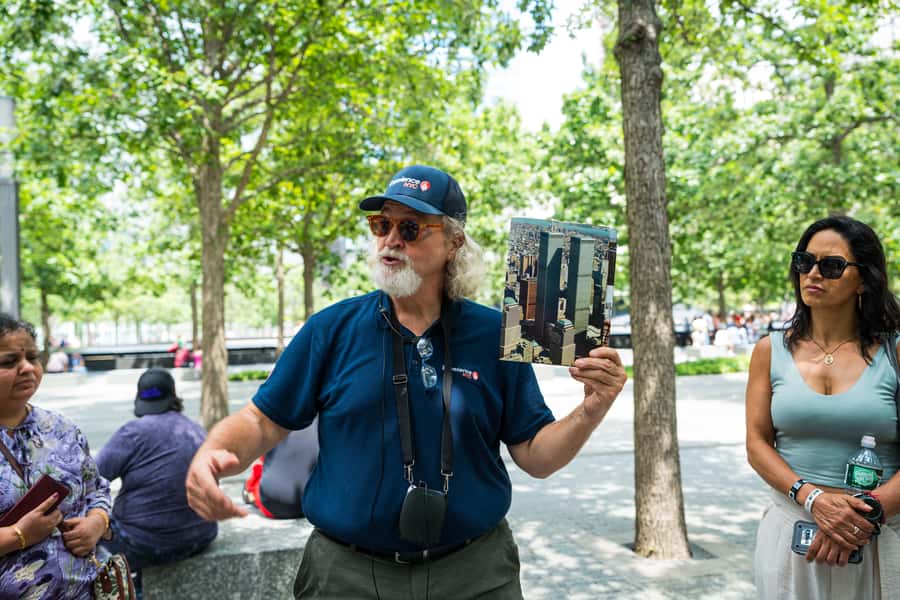
A walking tour of Ground Zero hits different. This one pairs expert local storytelling with a smooth follow-on visit to the 9/11 Museum and One World Observatory option. What makes it feel real is the personal connection many guides bring, like Gary and Ray, who share what they saw and how it changed their lives.
I like two things a lot. First, the stop-by-stop pacing turns major landmarks into understandable moments, from St. Paul’s Chapel to the twin reflecting pools. Second, you get practical value with skip-the-line access and then timed-entry museum time, so you are not wasting your day stuck in queues.
One drawback to plan for: parts of the tour can involve a fair amount of standing still, which can get uncomfortable if you have limited stamina.
Key things worth knowing before you go
- Local guide stories that add context, including personal connections shared by guides like Gary and Ray
- St. Paul’s Chapel as an anchor point, often described as the little church that stood, and why that mattered to first responders
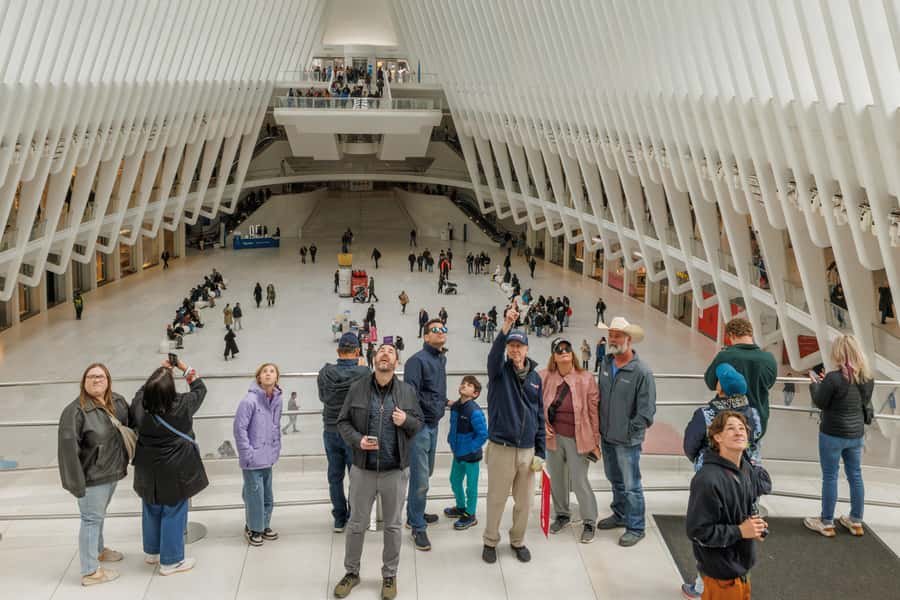
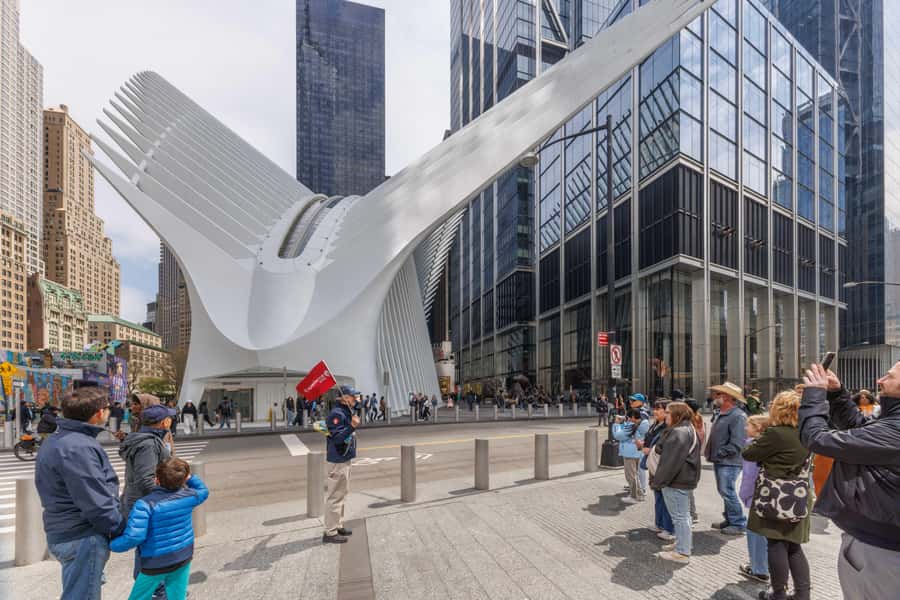
- Lower Manhattan rebuild lesson, including a guided walk through the Oculus area and what it represents
- Twin reflecting pools and the names of nearly 3,000 victims, with design symbolism like the Survivor Tree
- Timed-entry access after the walking portion, so you can keep moving into the 9/11 Museum at your own pace
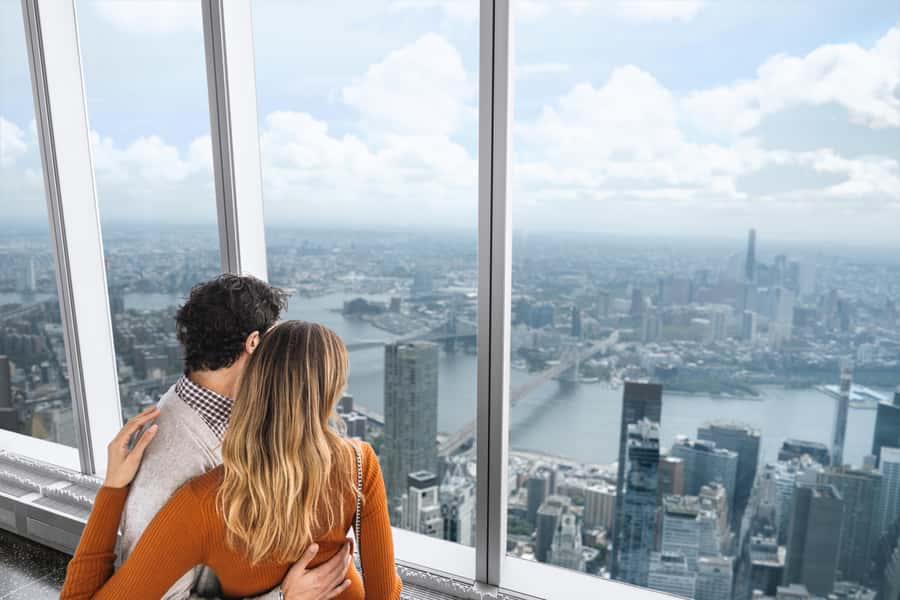
- One World Observatory views up top, with note that the observation decks are behind glass
Entering the site with the right starting point
The experience begins at City Hall Subway Station, right by Lower Manhattan. Meeting near the R and W lines at the Warren Street and Broadway intersection is handy because you are close to Ground Zero from the moment you start.
That location matters. When your walk begins within easy reach of the memorial footprint, you spend your energy on the story instead of transit time. You also get to shift from street noise into a quieter, more focused rhythm as you approach the first major stop.
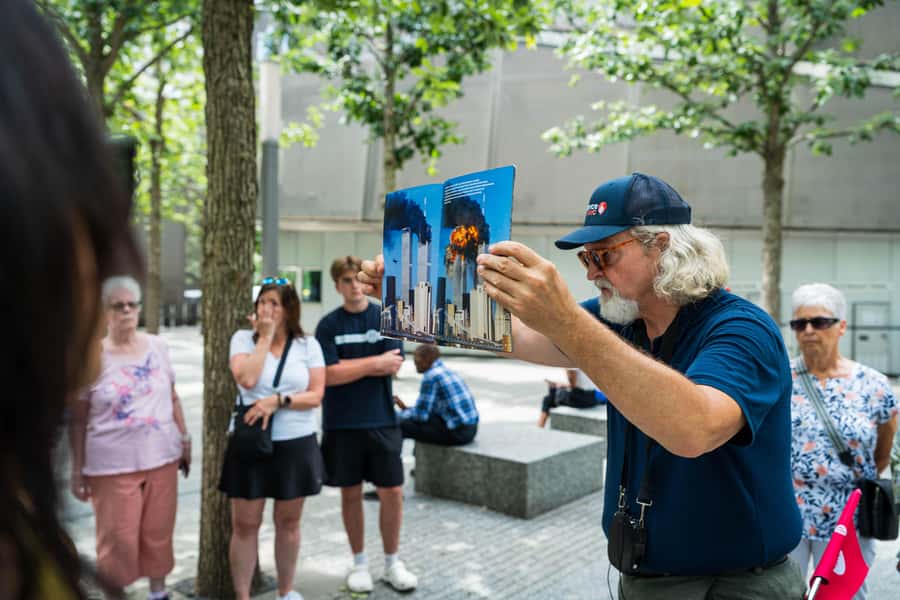
And yes, this is a serious topic. The best way I can describe it is as a history lesson with emotion attached to it, guided by someone who knows the neighborhood beyond the plaques. People mention guides like Ray, Gary, and Jim Quinn by name, and the common thread is that they treat the day with care rather than turning it into a “tourist checklist.”
You can also read our reviews of more museum experiences in New York City

St. Paul’s Chapel and FDNY Ten House: why these stops matter
Your first major stop is St. Paul’s Chapel, known for surviving when the Twin Towers collapsed. It’s often called the Little Church That Stood, and the reason it shows up so early on the tour is simple: it gives you a human scale to what happened. You are not just looking at a memorial, you are seeing how a nearby place became a refuge when everything else was falling apart.
If you like guided learning that connects architecture to real life, this stop works. It teaches you to notice how places in the same small area turned into lifelines. From there, the tour pauses at FDNY Ten House, the fire station closest to the World Trade Center.
This is where you start hearing bravery and sacrifice as lived experience, not as distant headlines. Some guides also add personal family context, and in at least one case, Ray’s personal connection and the way he answered questions patiently made the tour feel more grounded. It is not just “what happened,” it is “what it meant to people who lived there.”
Practical tip: expect some listening time standing near key points. It is part of the format. If you get stiff easily, plan breaks as you go when your guide offers them, and wear comfortable shoes right from the start.
How the Oculus changes your view of rebuilding
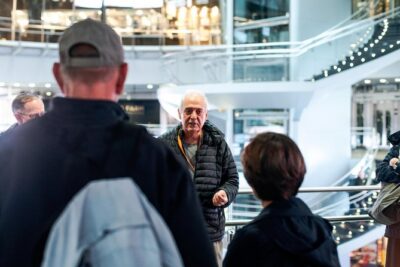
After the chapel and fire station, you pass through the Oculus, the soaring transit hub that has become a signature of the rebuilt downtown. The tour uses this part to connect the memorial to the present city.
You’ll hear why the Oculus matters beyond looks. It is a “movement” space, designed for daily life, and the guide connects that design to the idea of renewal and purpose. In practical terms, it also breaks up the walk. You go from solemn stops into an area that feels like modern New York doing what it does best, commuting, crossing, and flowing.
This is also where you learn how Lower Manhattan is being rebuilt in layers. Memorials handle memory, but the neighborhood still needs routes, jobs, and public spaces. The guide’s job is to keep that connection clear, so the memorial does not feel like an isolated island.
If you are the type of visitor who likes to understand urban design, this segment adds real value. You come away seeing the rebuild not as a blank slate, but as a city trying to function while carrying an enormous weight.
Twin pools and the Survivor Tree: reading the design
When you finally arrive at the 9/11 Memorial, you are stepping into the emotional center of the whole experience.
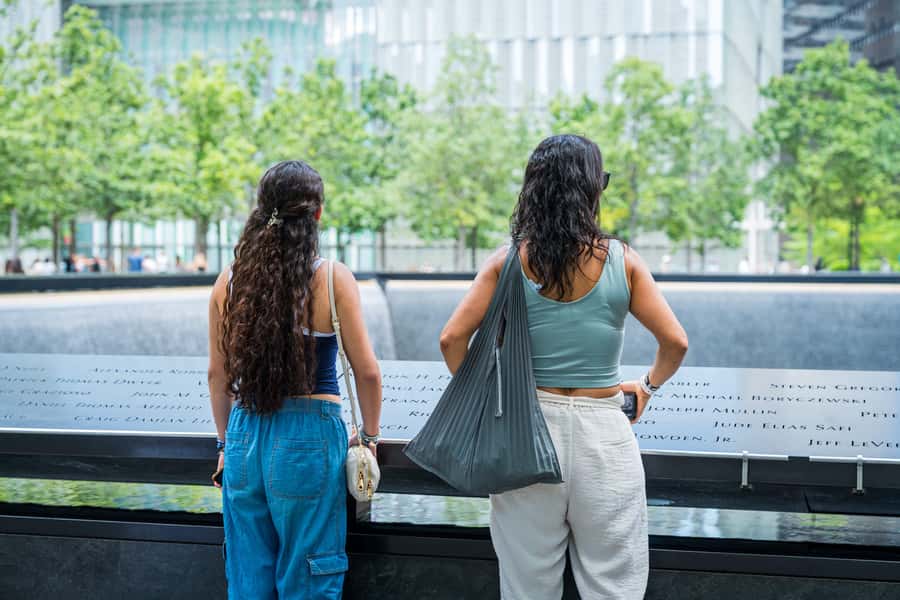
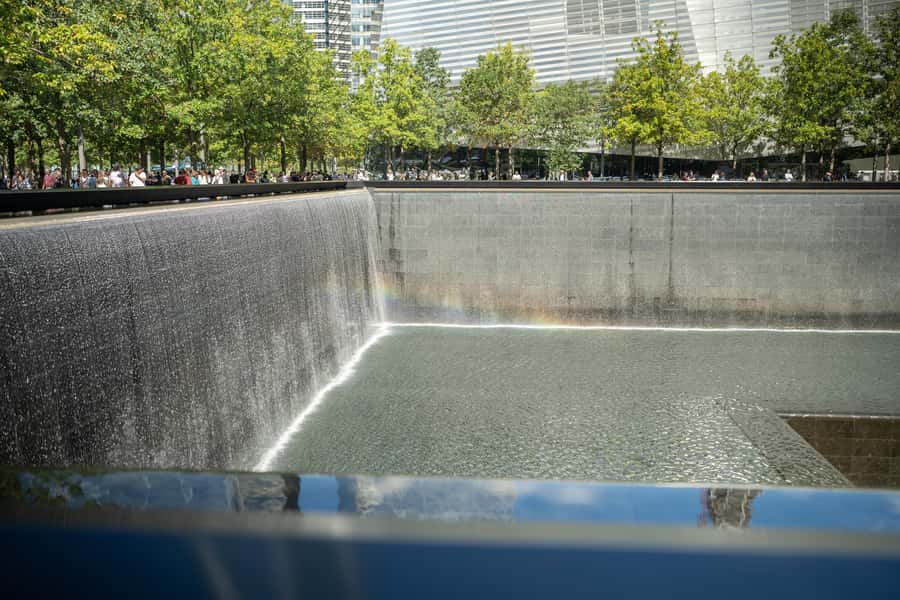
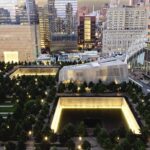
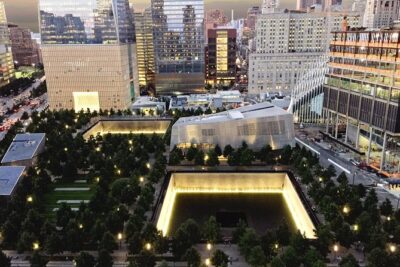
The twin reflecting pools sit in the original footprints of the towers. The names carved into the memorial include nearly 3,000 victims. That specific detail matters because it turns the memorial from a symbolic space into a record you can feel. You can look at the design and understand it, but you also feel its scale in a personal way.
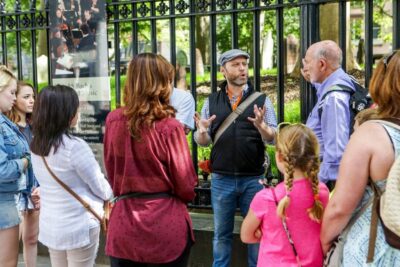
The tour’s strongest contribution here is not just letting you “see the pools.” Your guide explains the symbolism behind the design. They also point out features you might otherwise miss, including the Survivor Tree, described as a living testament to resilience.
This is where guides like Ray are often praised for creating space for questions. Taking a moment to ask what a symbol means can deepen your understanding fast, because memorial design can feel abstract until you get the guided explanation.
One more thing I appreciate: the tour keeps the focus respectful and human. You are not racing. You pause, reflect, and let the place do its work. If you come prepared for that slower pace, the memorial hits harder in a good way.
From the walking tour to the 9/11 Museum on timed entry
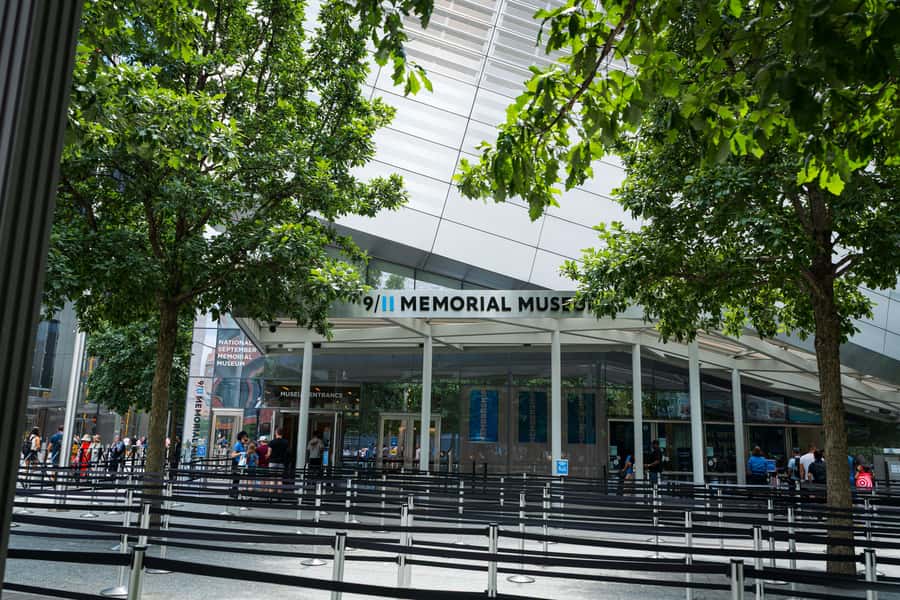
After the memorial walk, the experience shifts gears into the 9/11 Museum. You get timed-entry access, which is a big deal for scheduling. Instead of guessing when lines will move, you can plan your visit knowing you have a slot.
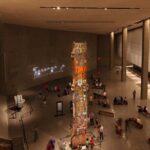
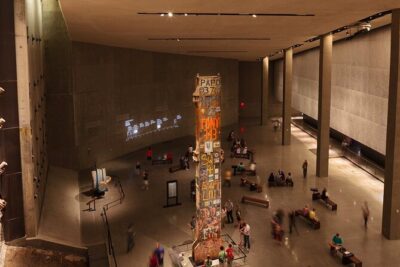
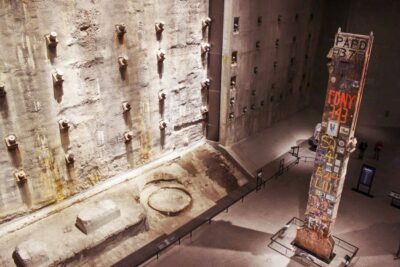
At the museum, you explore exhibits, artifacts, and personal accounts at your own pace. That format is useful. Some people want to stay with one section longer, others need to move on when they feel overwhelmed. A self-paced museum works well after a guided walk because you already have context in your head, so the exhibits feel less like isolated displays.
What I think works best is the combination of both modes: the guide handles the “what happened and why it matters” part outdoors, and the museum handles the “how it felt” and “what people experienced” part indoors.
Bring a realistic mindset. This is not a casual museum day. Give yourself enough time to look, read, and pause. If your schedule is tight, you may want to do fewer sections instead of trying to see everything.




One World Observatory option: skyline views with perspective
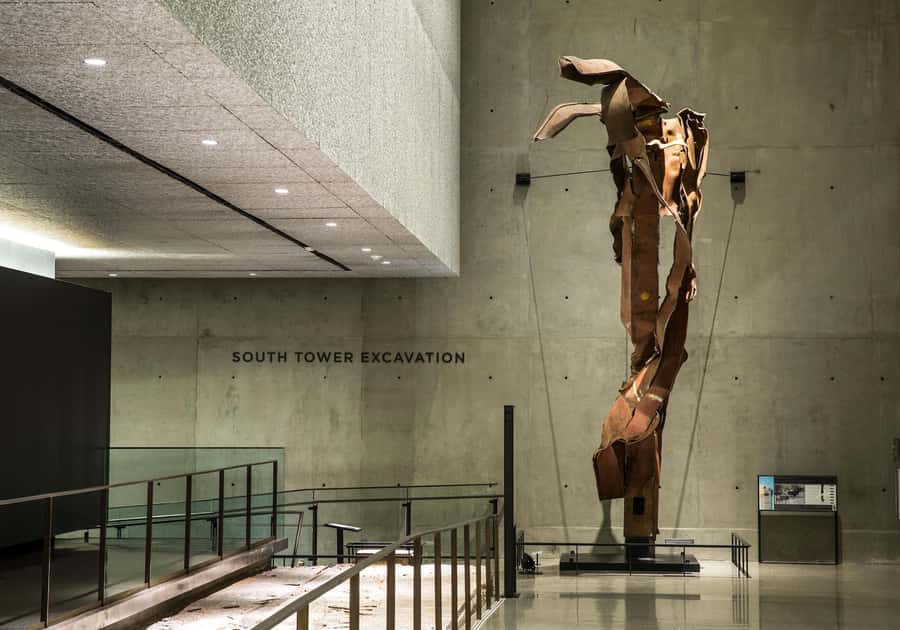
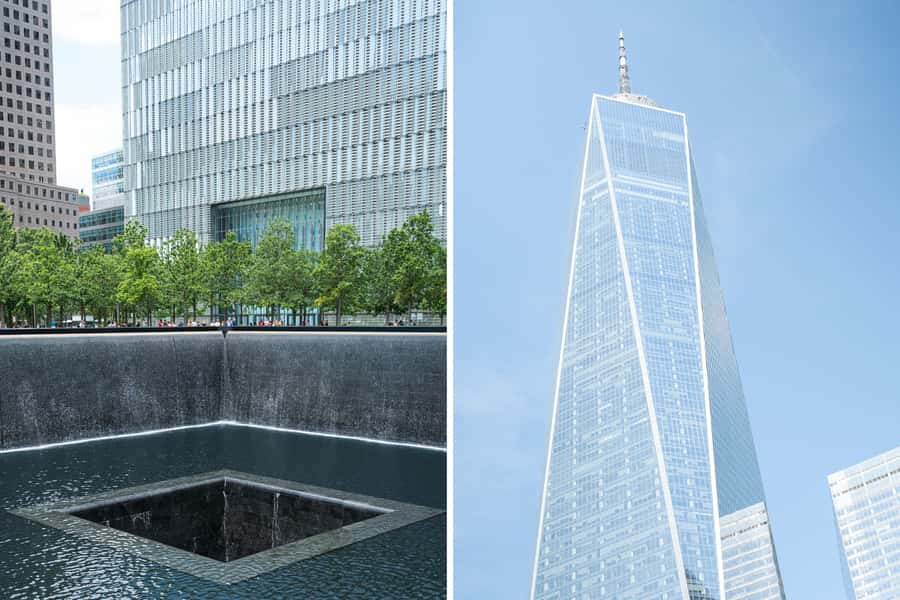
If you add the One World Observatory option, your day continues upward. The top is in the tallest building in the Western Hemisphere, and you get panoramic views of the New York skyline and beyond.
Now, views are views, but this one has a specific emotional setup after the memorial and museum. You are not simply hunting for photos. You are witnessing the city from above, with the context of what the city has survived and rebuilt.
A practical note from people who have done the combo: the observation decks are behind glass, and the floors around 100 to 102 are often described as fantastic for the view. There may even be food options at the deck level, with one mention of a restaurant on deck 101. Also, clear weather helps. If the day is hazy, your skyline angles will soften.
So if you can, pick a time slot when weather looks promising. But even in less-than-ideal conditions, the experience still has meaning because you see how dense the city is, how far it stretches, and how it continues.
Price and value: how $32 fits into the whole day
The price is listed at $32 per person, and value depends on what you want to accomplish in limited time.
Here is the value logic I see:
- You pay for an expert local guide who connects multiple sites into one coherent story.
- You start near the action at City Hall and end at the memorial, with skip-the-line access through a separate entrance that helps protect your schedule.
- You can then add the 9/11 Museum and, with the option, One World Observatory, turning the day into a full “learn, reflect, see New York” arc.
For a first-time visitor, the guide component can be the difference between “I saw it” and “I understood it.” For those who already know the basics, the museum and observatory still add value, but the tour guide helps you connect the outdoor landmarks with what the museum documents inside.
Time matters too. The duration can range from 1.5 to 5 hours, which suggests flexibility depending on how long you stay at the memorial and museum, and whether you add One World Observatory. If you want a full half-day plan without overthinking reservations, this combo fits.
Timing, comfort, and how to pace yourself
You will usually find this available in the morning and afternoon. That means you can choose the rhythm that matches your energy.
If you are visiting during peak season or on a trip packed with other museums, I suggest you build in a slower mental pace. This tour is not just walking. It is listening and pausing. The emotional weight and the amount of stopping can make you feel like you stood longer than you expected. One person’s main complaint was that there was a lot of standing still, so treat that as a real planning point.
Comfort checklist:
- Wear shoes you can stand in for a while.
- Use the built-in pauses your guide creates, rather than pushing through.
- If you get overwhelmed, it is okay to take a breath, step back, and regroup. These sites can do that to people.
Also, if you plan to do both the museum and One World Observatory, consider that it becomes an all-in-one day segment. Your brain will be processing heavy content outdoors and then switching to indoor exhibits and then city views from above. That can be powerful, but it is still a lot. Keep the rest of your day light.
Who this tour suits best
This is a strong choice if you:
- Want a first-time Ground Zero and memorial visit with context.
- Prefer a guide who uses local perspective and personal connection rather than only reciting dates.
- Like structured routes that move you from the key outdoor sites into museum time without the stress of piecing it together yourself.
It may be less ideal if you:
- Want a mostly “on your own” experience with minimal standing.
- Need a very casual, light atmosphere. This is reflective and serious by design.
Still, even visitors who had reservations about a guide’s personal connection noted that the guide handled the material well. The lesson for you is that the guide’s ability to communicate respectfully matters more than how the connection is framed.
Should you book this 9/11 Memorial tour plus Museum and One World?
If it fits your schedule, I think you should book it. The key reason is the blend: a local guide at the memorial gives you meaning, the museum adds detail and personal accounts, and the optional One World Observatory lifts you back out into the larger story of the city.
Book this if you want a single, organized plan that covers the emotional center of New York and then rewards you with real skyline time. Skip it if you know you cannot handle a lot of standing or heavy, personal storytelling in one block.
When you go, go with one simple mindset: slow down enough to let the sites teach you, then let the museum and the views help you process it.
FAQ
Where do I meet the tour guide?
Meet your guide in front of the City Hall Subway Station for lines R and W at the intersection of Warren Street and Broadway.
How long does the experience take?
The duration is listed as 1.5 to 5 hours.
Is there a skip-the-line entrance?
Yes. The tour includes skip-the-line access through a separate entrance.
Is the tour guided, or is it self-paced only?
It includes a live English tour guide for the walking portion.
What languages are offered?
The tour is available in English.
Is this experience wheelchair accessible?
Yes, it is listed as wheelchair accessible.
What is included in the price?
Included items are an expert local NYC tour guide, the Ground Zero and 9/11 Memorial tour, and stories of heroism and resilience.
Is the 9/11 Museum included?
Museum entry tickets are optional. The experience includes optional 9/11 Museum entry tickets.
Is One World Observatory part of the experience?
The option includes access to One World Observatory after the tour.
Is free cancellation available?
Yes. You can cancel up to 24 hours in advance for a full refund.
More Museum Experiences in New York City
More Tours in New York City



More Tour Reviews in New York City


Not for you? Here's more nearby things to do in New York City we have reviewed








More 9/11 Memorial Tours to consider.
 ★ 5.09/11 Memorial, Ground Zero Tour with Optional 9/11 Museum TicketTickets from $396,381 traveller reviews
 ★ 4.59/11 Memorial Museum Admission TicketTickets from $366,376 traveller reviews
 ★ 5.0All-Access 9/11: Ground Zero Tour, Memorial and Museum, One World ObservatoryTickets from $1094,886 traveller reviews
 ★ 4.5NYC City Tour: Statue of Liberty, 9/11 Memorial, Wall StreetTickets from $392,059 traveller reviews
 ★ 4.7Ground Zero 9/11 Memorial Tour & Optional 9/11 Museum TicketTickets from $391,584 traveller reviews
 ★ 4.79/11 Ground Zero Tour with All Access OptionTickets from $391,272 traveller reviews
 ★ 4.89/11 Memorial Tour and Optional Observatory TicketTickets from $39841 traveller reviews
 ★ 5.0New York 9/11 Memorial Tour with Optional One World ObservatoryTickets from $39637 traveller reviews
More useful New York routes