
Review · WALKING TOURS
Walking Tour of 1970’s Music Venues of the East Village
The East Village once sold tickets face to face. That idea is the spirit behind this 2-hour walking tour, which pulls you through the 1970s music scene at real street locations. I love how it connects iconic rooms like Fillmore East and the Bottom Line to specific shows you may already know.
I also like the pacing and the group size. It’s a small tour capped at 12 people, so questions feel possible and the guide can slow down when something interesting is right in front of you.
One possible drawback is simple: you’re outside the whole time. The tour requires good weather, and most of what you’ll see are exterior sites, not restored interiors.
Key things you’ll notice on this East Village music walk
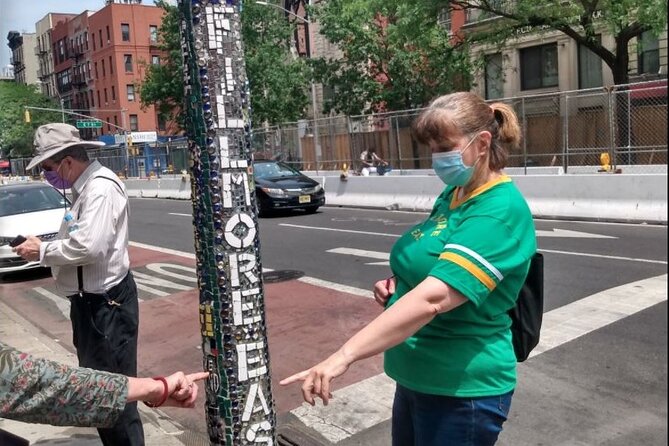
- Tied-to-the-block storytelling at named venues you can still locate on foot
- Small-group size capped at 12 for a calmer, more conversational experience
- A timeline of styles, from rock and punk-era rooms to the disco world at Infinity
- Big-name show context, including stories linked to The Who, Pink Floyd, Bruce Springsteen, and more
- Multiple venue types, from famous stages to smaller clubs that helped artists get noticed
Why 1970s venue locations still feel electric
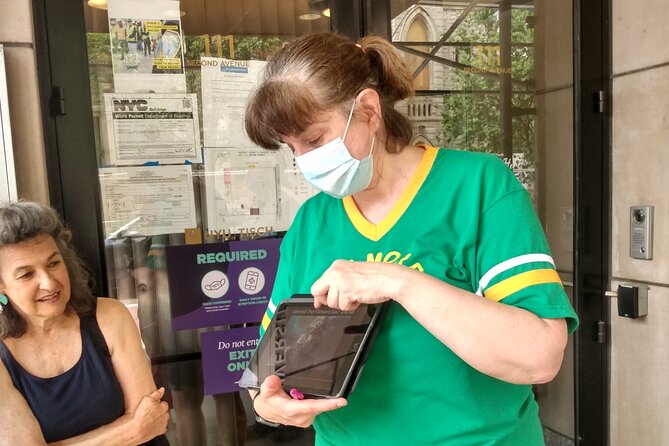
Part of what makes this tour fun is that it treats the East Village like a map, not a museum. You walk past addresses and corners where bands built momentum, then you get the context for why those places mattered at the time. Even if you are not a hardcore music nerd, you’ll likely recognize the big names that get woven into the route.
I like that the tour doesn’t just toss out famous labels. It points to specific rooms, then connects them to what was happening musically around them. That gives you a way to remember the neighborhood, not just the band names.
You can also read our reviews of more walking tours in New York City


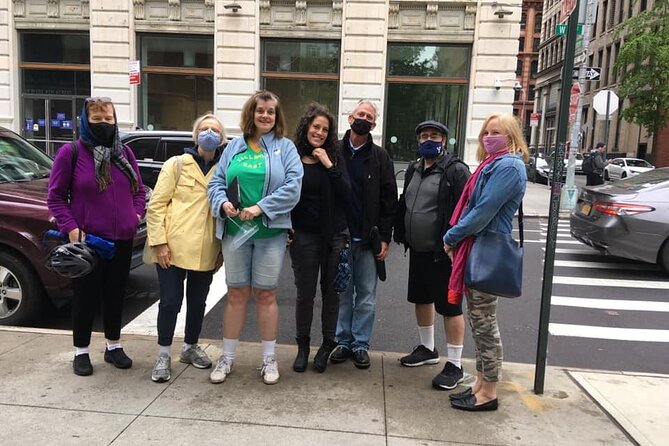
Meeting at 105 2nd Ave, ending by Washington Square Park
The tour starts at 105 2nd Ave in Manhattan, then finishes at 15 E 4th St in front of what used to be The Bottom Line. The ending spot is right down the block from the R/W subway trains and close to Washington Square Park, which makes it easy to continue your day afterward.
With a 2-hour schedule, you’ll want comfy shoes. This is a walking tour in a real city neighborhood, so even if the route sounds compact on paper, you’ll still cover enough ground to feel it after the second hour.
And because it’s a mobile ticket, bring your phone with you and make sure it stays charged. If your signal is spotty in parts of the East Village, plan for offline access so you can show your ticket without stress.
Stop 1: the East Village core, where rock took over the sidewalks
The tour’s first phase is essentially the East Village story, centered on several landmark music rooms. You’ll travel back to a time when the act of going out felt physical. The pitch here is clear: it wasn’t just streaming and skipping, it was showing up in person, buying a ticket, and getting swept into whatever was on the bill.
Fillmore East, where big shows became street-level legend
You’ll visit the site of Fillmore East, a room that helped define what a major rock night in New York could feel like. The tour highlights famous performances associated with The Who and Pink Floyd, so even if the original building is gone or changed, you get the “this is where that happened” anchor.
What I like about this kind of stop is that it gives you a reason to look up and around. You’re not just passing a building, you’re placing a historical moment into today’s city block. The drawback is also built in: you won’t see the original venue inside, so the experience is imagination plus story.
CBGB’s, the vanished storefront that still teaches a punk lesson
Next comes the area tied to CBGB’s, which the tour describes as long gone. The guide links it to Patti Smith after the release of Horses and frames the experience as an actual show you can picture, not just a name in a list.
If you care about how scenes form, CBGB’s is one of those sites that helps you understand that punk and rock culture did not appear fully formed. It was built in rooms, on nights, with people who wanted the same noise and attitude.
Again, interiors are not part of the plan. You’ll be standing in a modern city context, so the power of the stop comes from what the guide connects to the address.





The Bottom Line, where Born to Run energy met the crowd
The tour also centers on The Bottom Line, and the ending location lines up with what used to be that club. The guide specifically references the moment in 1975 when Bruce Springsteen’s Born to Run is tied to the venue experience.
This is a great stop for anyone who likes “where it happened” storytelling. You can feel the logic of it even if you weren’t there. The neighborhood streets help the show stories land in your head.
One consideration: if you mainly want to tour inside famous venues, you’ll have to recalibrate your expectations. This is about recognizing the site and learning why people cared, not about touring a preserved club.
Smaller rooms that helped artists get started
A big strength of this tour is that it doesn’t only orbit the household names. You’ll also walk to lesser known but still significant spots where artists honed their craft and built early followings. These include places like Club 82, On the Rocks, and Great Gildersleeves.
For me, this is where you start to appreciate how scenes work. Big venues matter, but smaller rooms often shape the next wave by giving performers reps and visibility. If you only focus on the biggest names, you miss how a city’s music ecosystem actually grows.
The practical downside is that smaller venues may not trigger instant recognition the way Fillmore East or CBGB’s do. The guide’s stories are what make these stops click, so keep your attention during the whole walk.
Mercer Arts Center, where the New York Dolls fit the timeline
The tour also revisits the New York Dolls at the Mercer Arts Center. This is one of those “the scene had different lanes” moments. You’re not only tracking one genre. You’re tracking an era where different kinds of rock and performance energy were all pulling at the same city fabric.
If you like comparing how bands fit into their moment, this stop is useful. It reminds you that New York didn’t have one single sound. It had overlapping sounds, competing personalities, and a crowd that paid attention.
Infinity, disco’s bright flash that ended in 1979
Then the tour shifts tone toward disco, pointing to the site of Infinity, a dance club destroyed by fire in 1979. This part is a reminder that the East Village music story didn’t stop at rock, punk, or singer-songwriter nights.
I like that the tour covers styles, not just fame. Disco history has its own vibe, and placing it on the same walking map as rock venues helps you see how the neighborhood changed over time.
And because it’s a site visit, you’ll likely get more from the story than from the physical environment. Still, the fire event gives the moment a clear emotional edge.
The guide matters: what Ann McDermott’s approach likely feels like
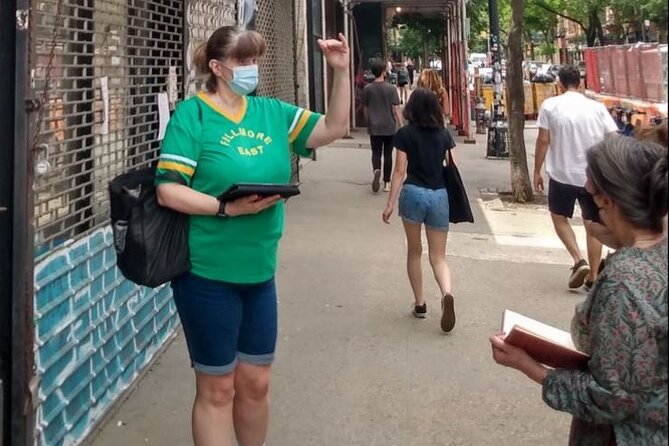
The tour is offered by Ann McDermott. With a cap of 12 people, the guide has room to keep the conversation moving and adjust if someone’s asking for more detail.
I especially value tours like this when the guide can connect music culture to the streets. You want someone who can turn an address into a scene. The route includes both famous places and smaller ones, so good guiding makes the whole loop feel coherent rather than like a random collection of names.
Group size, pacing, and why 12 people feels right
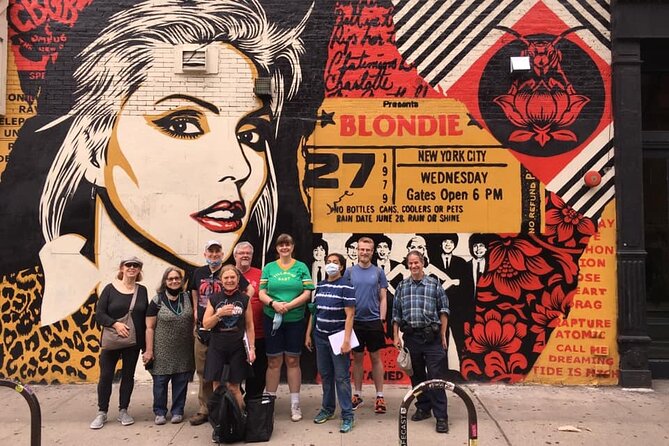
A cap of 12 people changes the entire feel of a walking tour. You’re not lost in a parade of heads. You can hear the guide without constantly craning your neck, and you’ll have a better chance of getting answers if you ask a question.
With a 2-hour duration, the tour has enough time to slow down at key stops and still keep forward motion. This is important because the East Village can be crowded and noisy. A large group would make it harder to stay oriented.
Price and value: is $50 fair for this kind of walk?
At $50 per person for about 2 hours, this sits in the category of tours that are really paying for expert storytelling and planning. You are not buying entries into multiple attractions, and you are not spending hours on public transit. You’re paying for a focused walk through a specific theme: 1970s music venues in the East Village.
For me, the value comes from two places: the small group and the number of named venues and stories crammed into a tight timeline. If you already know the names, the tour helps you place them. If you do not, the tour offers enough context to make those names matter.
If you are the type of person who likes to read signs on your own, you might feel this is pricier than a self-guided walk. But if you want the “why it mattered” part, a guide earns the fee.
What to bring for a smooth, enjoyable walk
This experience depends on good weather, so dress for real sidewalk time. Wear shoes that handle uneven sidewalks, and consider layers, because New York weather can shift quickly even on a clear day.
Bring your phone for the mobile ticket, and keep it easy to access. You’ll also want water, because 2 hours of city walking adds up fast.
Lastly, set your expectations for street-level viewing. You’ll be learning from locations, not museum rooms. That’s part of the charm.
A real-world planning note: the one bad-day risk
No tour is immune to hiccups. In one instance tied to this experience, a guide was listed as a no-show and the booking did not get a timely response. The provider later apologized and offered to run the tour again for free plus reimburse travel costs, but it was too late for that specific date.
That doesn’t mean you should cancel. It does mean you should take 10 seconds to be ready: confirm details before you leave for the meeting point, and keep an eye on any email instructions you receive. If something feels off, contact the provider right away instead of waiting.
Who should book this East Village music tour
This tour fits best if you like music with a sense of place. It’s ideal for people who want to connect artists and shows to real addresses in the East Village, even though many venues no longer exist as you’d imagine them.
It also works well for first-time visitors who want a neighborhood-focused activity that still feels meaningful. You get structure, a theme, and an end location near Washington Square Park for an easy continuation.
If you’re looking for a quiet, indoor experience, skip it. This is a street walk. You’ll enjoy it more if you are comfortable walking and listening.
Should you book this 1970s venue walk?
I’d book it if you want a guided East Village soundtrack with specific stops and story links to famous shows. The combination of a small group, a tight 2-hour format, and the mix of venues from Fillmore East and CBGB’s to disco at Infinity is exactly the kind of tour that turns a neighborhood into a timeline.
I’d think twice if you are easily frustrated by outdoor walking in changing weather, or if you expected to tour inside recreated venues. And because one date had a no-show incident, be proactive the day before and the morning of the tour so you can respond quickly if anything looks off.
If your goal is to understand how 1970s New York music culture lived on these blocks, this is a strong value at $50 and a fun way to spend your morning.
FAQ
How long is the walking tour?
It runs for about 2 hours.
What does it cost, and what is included?
The price is $50 per person. The tour includes a mobile ticket, and there is no separate admission fee listed for the experience.
Where do I meet the guide, and where does the tour end?
You start at 105 2nd Ave, New York, NY 10003. You end at 15 E 4th St, New York, NY 10003, in front of what used to be The Bottom Line.
What time does the tour start?
The start time listed is 11:00 am.
How big is the group?
The tour has a maximum of 12 people.
Is the tour offered in English, and does weather affect it?
The tour is offered in English. It requires good weather, and if it is canceled due to poor weather you’ll be offered a different date or a full refund.
More Walking Tours in New York City


More Tours in New York City




More Tour Reviews in New York City



Not for you? Here's more nearby things to do in New York City we have reviewed









More Walking Tours to consider.
 ★ 5.0SoHo, Little Italy, and Chinatown Walking Tour in New YorkTickets from $393,153 traveller reviews
 ★ 5.0Secrets of Grand Central Station Walking Tour New York CityTickets from $391,796 traveller reviews
 ★ 5.0Greenwich Village Walking and Food Tasting TourTickets from $941,572 traveller reviews
 ★ 5.0Artistic, Alternative Greenwich Village Walking TourTickets from $39971 traveller reviews
 ★ 5.0True Crime NYC: Mafia Walk w/Ret. NYPD Detective and Local FoodTickets from $75848 traveller reviews
 ★ 5.0Central Park Guided Walking TourTickets from $44774 traveller reviews
 ★ 4.6Private Walking Tour with a LocalTickets from $55771 traveller reviews
 ★ 5.0NYC Lower East Side Walking and Food TourTickets from $94646 traveller reviews
More useful New York routes