
Review · MANHATTAN TOURS
Lower Manhattan Self-Guided Walking Tour and Scavenger Hunt
Lower Manhattan turns into a game board. This self-guided scavenger hunt uses a smartphone to deliver clues and fun facts as you walk at your own pace, starting from Bowling Green. I like that it feels flexible, not like you have to keep up with a group.
I also like the mix of big sights and quick challenges, from Wall Street icons like Charging Bull to the 9/11 Memorial Pools area. And because it’s built as a scavenger hunt, you naturally slow down and look longer at details you might otherwise rush past.
One practical catch: construction and blocked access around Battery Park and early stops can throw off the flow, and the mobile directions may not match what you see on the ground. If you hate rerouting, build in extra time.
Key takeaways before you start

- 30+ challenges keep you moving and make famous stops feel more personal
- Start anytime and go at your own pace, which is great for families and mixed groups
- Movie and TV location stops (16 listed) add a fun layer without turning the tour silly
- Internet access is required, so plan for a data connection before you leave
- Route includes major memorials, so expect an emotional tone around 9/11 sites
- Construction can disrupt early Battery Park access, especially for first clues
Why this Lower Manhattan scavenger hunt beats a straight walking tour
A standard walking tour can be great, but it often turns into a rapid-fire slideshow. This one nudges you to do the opposite. The smartphone app gives clues and challenges that make you pause, read, compare, and actually notice what’s in front of you.
What I like most is that the hunt structure does the work for you. You are not just sightseeing, you are solving. That tends to keep attention high for longer stretches, especially when you’re bouncing between monuments, statues, and landmark buildings.
It also gives you a sense of progress. Each stop is a checkpoint, and you can feel the route building from southern Lower Manhattan up toward the Wall Street and memorial zone, then back toward City Hall and the bridge area. Even if you take breaks, you can usually recover and keep going.
You can also read our reviews of more walking tours in New York City



Price and value for a group up to 6
The price is $44.85 per group, capped at up to 6 people. That matters in New York, where per-person pricing can jump fast for anything that takes more than an hour.
At roughly 3 hours total, you are buying a self-guided experience that covers a lot of ground and lots of well-known stops. The value is best if your group is the type that likes light structure. If you want guided storytelling from a live human, you might prefer a tour with a person behind the mic. But if you and your crew like to explore on your feet while still getting prompted by tasks, this can feel cost-effective.
Also, you get more than just “walk here, see that.” The hunt includes 30+ challenges and 16 film locations tied to movies and TV. That mix is the part that can make the price feel fair, because the experience is trying to entertain and educate, not just transport you from one photo spot to the next.
The smartphone app game: fun, but plan for internet

This hunt runs through a mobile website you access on your smartphone. That means the experience depends on having internet access. The tour explicitly notes you need a data plan, not just offline GPS.
Here’s how I’d think about it before you start:
- If you rely on spotty Wi-Fi, you risk losing the game mid-route.
- If you have mobile data, the hunt becomes smoother because you can keep moving from clue to clue.
- If your phone battery is low, bring a charger. A scavenger hunt uses more power than a normal walk because you are loading prompts and answering tasks.
Setup can be the only slightly annoying part. One of the real-world issues I’d watch for is getting oriented quickly when you start. Some people find the initial setup confusing, then the hunt clicks once the first clue is done. In other words, don’t judge the whole experience based on the first few minutes.
Starting at Bowling Green and the Battery: first clues, big atmosphere
Your route begins at Bowling Green, and the opening stop is the Walloon Settler’s Monument. This is a smart start because it reframes the area. You’re not only looking at famous buildings, you’re learning that Manhattan began with specific groups of settlers, and the monument acts like a historical anchor.
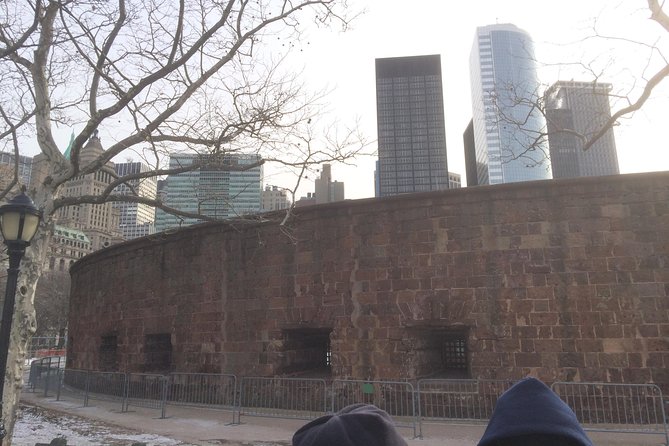
From there, the hunt pulls you into The Battery area. This is where Lower Manhattan’s energy is concentrated, and where the first “look closer” moments tend to happen. You’ll also pass the Korean War Veterans Memorial, then head toward Castle Clinton National Monument. Castle Clinton is a good scavenger-hunt stop because it’s visually distinctive and usually gets your attention right away, even if you are not deep into military or immigration history.
Then the route points you to Governors Island Ferry and onward to Ellis Island and The Immigrants. Even if you are not boarding anything, the app’s mission here is to connect places and names to the immigration story that shaped the city. This is a section where the clue prompts can help you avoid “seeing” Ellis Island as just a postcard and instead noticing why it mattered.
One more stop you’ll hit nearby is the Netherland Monument, followed by the National Museum of the American Indian area. That pairing works well in a scavenger hunt format because you can shift from immigration and settlement themes into Indigenous history without it feeling like whiplash.
A real warning about early access and construction
The most common problem tied to this experience is access issues around the Battery. Construction, scaffolding, and blocked entrances can interfere with the first few clues. If the early areas are fenced off, you can lose time trying to find alternate lines of sight or workable routes.
My practical advice: aim to start earlier in the day when you can, and give yourself a buffer. If you arrive and can’t reach where the app wants you to go, don’t force it. Take a breath, reroute, and keep the momentum going. The hunt still has plenty of payoff later.
You can also read our reviews of more guided tours in New York City






Charging Bull to Trinity Church: Wall Street icons with a puzzle twist
When the route returns back toward Bowling Green, you then meet Charging Bull, one of the most photographed statues in the city. In a normal visit, it can feel like a quick photo stop with a crowd. In this hunt, the clues help you treat it like a waypoint, not a drive-by.
Right after that, you’ll find the Site of Second Presidential Mansion. This is the kind of stop that can be easy to miss if you don’t have a reason to look for it. Scavenger hunts are excellent at doing that, because they turn background context into something you actively search for.
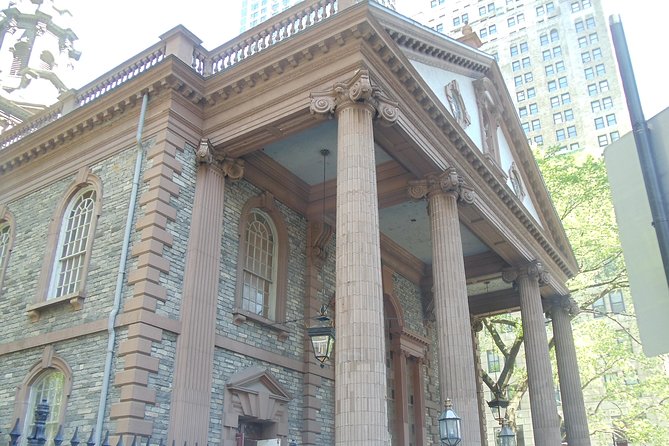
Next is Trinity Church NYC, another stop that gives you plenty to see without needing tickets or long waits. The building is iconic, and the clue prompts can make you notice architectural and placement details you might otherwise ignore.
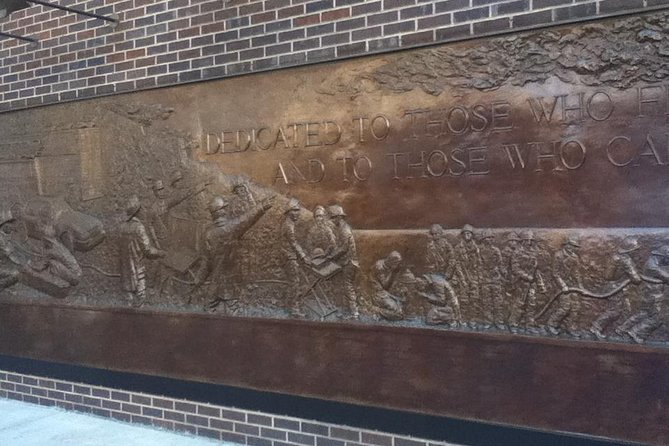
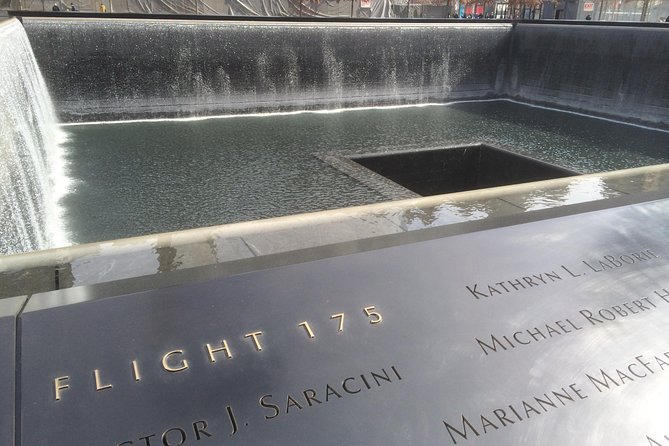
Then the route pushes into a more solemn area at FDNY Memorial Wall and then the 9/11 Memorial Pools. This is a strong point in the hunt because it breaks the rhythm of statues and selfies. The best way to experience this section is slowly. You are not rushing through it to get to the next challenge. If the app asks you to look for specific elements, you’ll naturally spend more time than you would on a generic walk.
9/11 Memorial to One World Trade Center: how to pace yourself

After the pools, you head toward One World Trade Center and then the Oculus. These stops can feel visually overwhelming, especially if you arrive right after a reflective moment. The hunt format helps by giving you tasks, but you still control the tempo.
One of the best uses of a scavenger hunt here is to prevent emotional overload. Instead of trying to take in everything at once, you focus on the next clue step. It’s not about rushing. It’s about having a manageable way to keep moving through a complicated area.
After the Oculus, you’ll reach St. Paul’s Chapel, a quieter stop that can feel like a reset after the larger towers and transit architecture. Then the hunt keeps going to Woolworth Building, and you get another shift back to details and landmarks. Woolworth is one of those buildings people recognize instantly, but the clue prompt style often encourages you to look beyond the obvious.
From there, you’ll find Jacob Wrey Mould Fountain, then New York City Hall. This is a nice stretch because it blends city power and design. City Hall makes a great “pause and notice” stop, and the fountain gives you a break from staring upward all the time.
City Hall to the bridge area: architecture spotting with real walking momentum
After City Hall, the route brings you toward Brooklyn Bridge. You don’t need a ticket to enjoy the bridge area. The scavenger-hunt angle works because it turns a “big view” into a series of smaller looking tasks.
Then you move to the Benjamin Franklin Statue. This kind of stop is useful in a scavenger hunt because it’s readable from multiple angles. You can work on clue answers while staying oriented, which matters when you’re in a busy area and traffic makes it hard to linger.
From the bridge zone, the route focuses on finance and civic institutions. You’ll reach the Federal Reserve Bank of New York and then Federal Hall. Federal Hall is a key Lower Manhattan stop because it ties the present city to the founding era. In a clue-driven walk, this kind of site feels less like trivia and more like a place you have to “use” to answer something.
Fearless Girl to the New York Stock Exchange finale

The hunt’s Wall Street finale includes Fearless Girl and the New York Stock Exchange. These are famous points where you might normally just snap photos. In this format, you treat them like end-of-route markers, which helps you notice the environment around the monuments, not only the monuments themselves.
Then the route ends back where it started, returning to Bowling Green. That loop matters. You get a full arc of southern Manhattan without feeling like you’re trapped in one neighborhood. By the time you circle back, the route also feels like it has structure: you started with settlement and the waterfront, moved into iconic Wall Street and memorial zones, then finished with finance landmarks.
Who should do this hunt, and who might skip it
I’d recommend this self-guided Lower Manhattan hunt if you want:
- a 3-hour plan that works with your schedule, starting anytime
- a fun way to learn through 30+ clues
- a route that mixes major monuments with architecture and city landmarks
- something that can work for families, including kids who can handle reading and solving (it’s been enjoyed by upper elementary kids and older)
I’d think twice if:
- you hate rerouting when construction blocks access
- you will not have mobile data on hand
- your group needs a live guide to keep you engaged
Should you book this Lower Manhattan self-guided hunt?
Yes, if you like independent exploring and you can plan for internet access and phone battery. This is one of those New York activities that can feel surprisingly “personal,” because the game structure turns famous stops into a sequence you actively work through.
My final advice is simple: bring data, start with a little extra time around the Battery, and treat the 9/11 Memorial Pools section with the respect it deserves. Do that, and you’ll likely end with more than photos. You’ll end with a map in your head and a few facts you didn’t know you’d remember.
FAQ
How long does the Lower Manhattan scavenger hunt take?
It takes about 3 hours.
Where does the hunt start and end?
It starts at Bowling Green, New York, NY 10004, and it ends back at the same meeting point.
How much does it cost?
It is $44.85 per group, up to 6 people.
What language is available?
The tour is offered in English.
Is the tour self-guided?
Yes. You follow instructions through a mobile website on your smartphone, solve challenges at stops, and go at your own pace.
Do I need internet access during the hunt?
Yes. The activity notes you need internet access to complete the scavenger hunt, so plan for a data plan.
How many challenges and film locations are included?
It includes over 30 challenges and 16 films locations from movies and TV series.
Is this a group tour or private?
It’s private for your group only, meaning only your group participates.
What if construction blocks part of the route?
Some areas, especially early stops near the Battery Park area, may have construction or blocked access that can interfere with completing the early clues.
What is the cancellation policy?
Free cancellation is available up to 24 hours in advance for a full refund. If you cancel less than 24 hours before the experience start time, the amount paid is not refunded.
More Walking Tours in New York City



More Tours in New York City




More Tour Reviews in New York City




Not for you? Here's more nearby things to do in New York City we have reviewed












More Manhattan Tours to consider.
 ★ 4.7Manhattan Helicopter TourTickets from $2997,076 traveller reviews
 ★ 4.8Manhattan Sightseeing Helicopter TourTickets from $2995,826 traveller reviews
 ★ 3.0JFK to Manhattan: One Way Shared Arrival TransferTickets from $313,687 traveller reviews
 ★ 4.5Circle Line: 2.5hr – Complete Manhattan Island CruiseTickets from $343,488 traveller reviews
 ★ 4.6From Manhattan: 4-Hour Dyker Heights Holiday Lights Bus TourTickets from $632,426 traveller reviews
 ★ 3.5Manhattan to JFK: One Way Shared Departure TransferTickets from $312,030 traveller reviews
 ★ 4.5The Manhattan Helicopter Tour of New YorkTickets from $2361,842 traveller reviews
 ★ 3.5Private Transfer from Manhattan to NYC Airports (JFK/EWR/LGA)Tickets from $361,683 traveller reviews
More useful New York routes