
Review · NEW YORK CITY TOURS
NYC Gangster and Mob Private Walking Tour
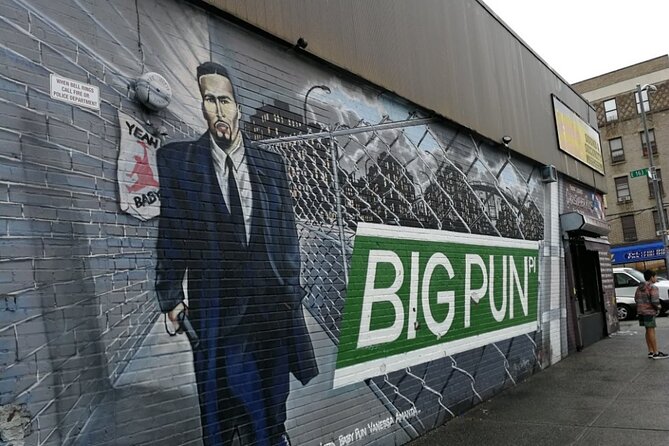
Street-corner mob stories hit different here. This private walking tour stitches together Little Italy, Chinatown, and Five Points with real-world gang history and the spots that inspired mob legend. You’ll hear about major figures like John Gotti, plus the Tong gangs that shaped Chinatown’s early underworld.
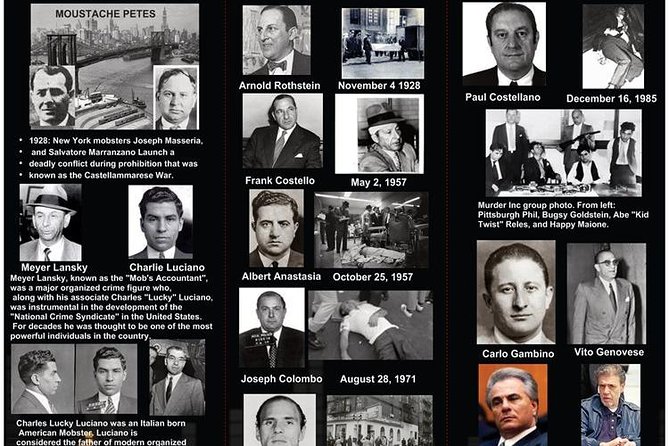
I especially like how fast the pace feels for a 2-hour walk, without feeling rushed on each stop. I also like that the guides bring material you can actually picture, like picture binders, clippings, and scene-setting details that make the neighborhood feel lived-in.
One thing to think about first, this is history with a crime focus, so if you want light and fluffy sightseeing, you might prefer a less mob-centered tour. Also, it’s a moderate-walking experience, so good shoes matter.
Key things you’ll notice on this mob walk
- Little Italy focus, with John Gotti history and the streets where the era played out
- Chinatown Tong stories, including talk of escape tunnels and an old Chinese Opera House site
- Five Points context, from immigrant landing zones to crime and the feel behind Gangs of New York
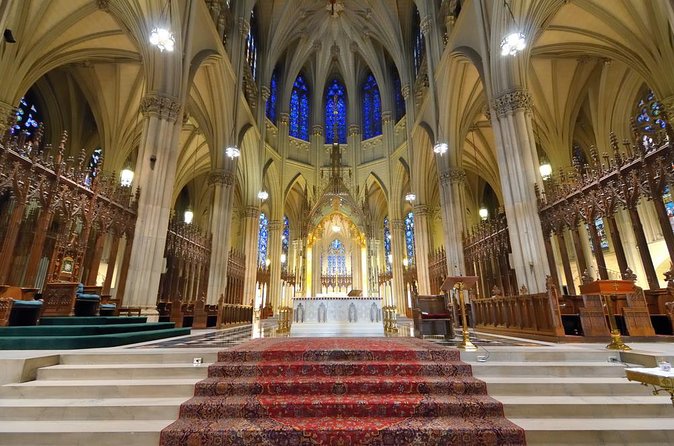
- Film-location stop, with St. Patrick’s Old Cathedral linked to The Godfather
- Guides who teach with visuals, including binders of photos and newspaper clippings
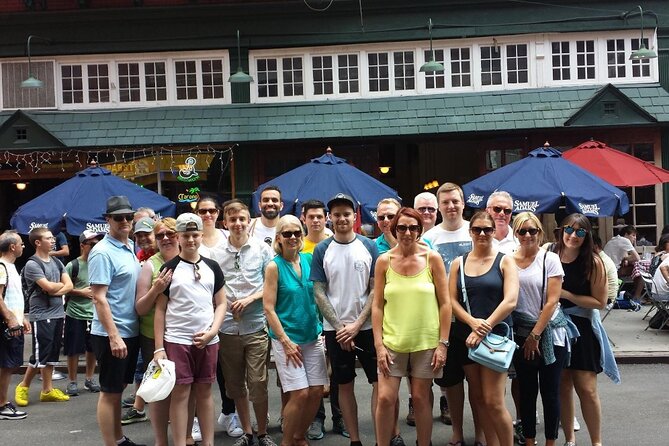
- Private-group vibe, max 10 people, so questions and pacing stay personal
Why this mob tour works best on foot
Mob history in New York is all about proximity. The buildings are close, the street lines are tight, and the neighborhoods didn’t keep quiet just because time moved on. Walking lets you connect the dots between what happened, where it happened, and what you can still see today.
What I like about this tour is that it doesn’t treat gangster history like a theme park. It links crime stories to the city’s shifting communities. Little Italy, Chinatown, and Five Points all had waves of immigrants and intense social pressure, and that pressure often shaped who held power, who made money, and who vanished.
Also, this is private, so you can slow down when something catches your eye. If you want more story, you can ask. If you want a little less, your guide can steer you back to the route.
You can also read our reviews of more walking tours in New York City



Meeting point, timing, and how the 2-hour pace fits NYC
You’ll meet at Lt. Petrosino Square at the corner of Lafayette St. and Cleveland Pl (New York, NY 10012). The tour finishes at the corner of Mulberry St. and Canal St., right by 125 Mulberry St. It’s set up as a point-to-point walk, so you’ll plan your day around that.
The tour runs for about 2 hours. Opening hours listed for 2026 are 10:00 AM to 4:00 PM every day, which means you can usually pick a time that matches your sightseeing rhythm. Mobile ticket delivery keeps things simple once you’re confirmed.
One practical note: it’s a walking tour with moderate physical fitness recommended. You’ll be on streets for the full time, so wear shoes you’d trust for a long museum day. And if the weather is iffy, bring a packable layer. One guide in a rainy review specifically knew where to stop to keep the group out of bad weather while still explaining the buildings and corners.
Little Italy: mafia streets, John Gotti, and a neighborhood that changed
Little Italy is where the tour starts, and it’s the part that most people picture first. You’ll walk through the streets tied to Cosa Nostra activity and the violence that came with it. This is also where the tour spends real time on John Gotti, including the story around his trial and sentencing. Even if you only know his name from pop culture, the neighborhood context makes the history feel more specific, not vague.
This stop matters because Little Italy is more than a crime set. It’s also a lens on how communities grow, get pressured, and then change. In one review, a guide used picture comparisons to show how much the area shrank over time. That kind of visual helps you understand what’s missing today, and why it matters.
What to watch for while you’re there: you’ll want to look up as much as down. A good guide will point out building relationships, street angles, and how corners create opportunity. In mob stories, the layout is part of the plot.
Potential downside at this stop: Little Italy is smaller than many people expect. If you’ve only seen it in your head based on older movies or photos, you may find it feels compact in real life. The trade-off is that the walking is efficient, and the story keeps moving.
Chinatown Tong gangs, secret tunnels, and opera house history
After Little Italy, the tour shifts toward Chinatown, where the gang story changes tone. This is where you’ll learn about Tong gangs and their rival battles. The focus here is not just names, but how organized groups operated in the crowded geography of Chinatown.
You’ll also hear about secret tunnels members used to escape. The idea is meant to help you picture how people moved when the street got dangerous. Even if you never see a literal tunnel entrance, the concept connects to why certain buildings and back areas mattered.
Then there’s the historic Chinese Opera House site. The tour connects this kind of public entertainment space to the social life of the neighborhood. It’s a reminder that organized crime didn’t live in isolation. It overlapped with legit businesses, community gathering spots, and the public face of the district.
A practical tip for this section: Chinatown streets can be busy. Keep a little awareness around traffic and crowds, and be ready for a tighter walking rhythm. Private pacing helps here because your guide can slow the group at the right moments.
Five Points: Irish immigrant land, crime, and the movie-shaped imagination

Next you’ll head toward Five Points, described as a landing place for Irish immigrants. The tour frames it as a neighborhood marked by poverty, gangs, prostitution, and crime, the kind of mix that attracted both exploitation and conflict.
This stop is also where the tour’s pop-culture connection becomes useful. You’ll see how Five Points became a kind of shorthand for urban chaos, including its depiction in Gangs of New York. Even if you’re not trying to compare real events to the movie scene-by-scene, the route helps you understand the atmosphere the film was aiming for.
Why Five Points is worth your time: it shifts the story from one faction to the broader city forces that made organized crime possible. Immigrant arrival alone didn’t create gangs. But when jobs were scarce, institutions were weak, and violence solved problems faster than courts, it created openings for groups to take control.
As you walk here, pay attention to how the guide ties each site to cause and effect. That’s the difference between hearing a list of events and actually understanding the logic behind them.
You can also read our reviews of more private tours in New York City





Ravenite Social Club, Old Opera House, and Columbus Park sights
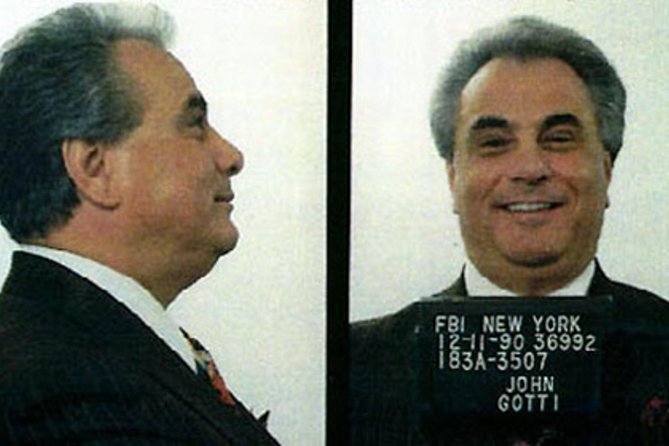
As the walk continues, you’ll pass or stop near several named locations that helped define mob-era social life. Included in the route are the Ravenite Social Club, the Old Opera House area, and Columbus Park.
This portion of the tour is valuable because it blends everyday New York spaces with underworld significance. The Ravenite Social Club, in particular, tends to stand out for people who associate the mob with symbolism, rituals, and reputation. A social club is not a street fight. It’s where alliances form and stories get traded.
The Old Opera House and Columbus Park stops help you see the city’s layers. Entertainment, public gathering, and political power all intersected in the same physical footprint. Your guide’s job is to make that intersection clear in real time, and the best guides do it with specific details about what each place represented to the people who used it.
St. Patrick’s Old Cathedral and the Godfather filming connection
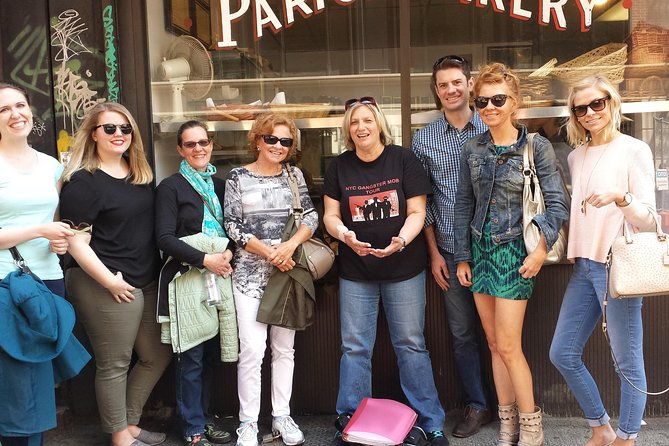
One major highlight on the route is St. Patrick’s Old Cathedral, with a quick stop described as being tied to The Godfather. You’ll spend about 5 minutes here, and admission is not included.
This is a smart inclusion for two reasons. First, it anchors the tour in a recognizable New York icon. Second, it bridges mob history to the way Hollywood shaped what outsiders imagine. Even if you’ve seen The Godfather before, standing near the filming-connected location helps your brain connect scenes to real streets and real architecture.
If you want to maximize this stop, don’t treat it as a photo moment only. Listen for how the guide connects the building to the broader neighborhood story and why it ended up on screen in the first place.
What makes the guides so good, from binder visuals to humor
This tour’s biggest strength is the guide. The reviews are consistently loud about energy, facts, and storytelling that stays easy to follow. People praise guides who cover a lot quickly, but still keep it clear, and who know how to make the streets feel like characters.
I also love that some guides show visuals. One guide brought a large binder with pictures and newspaper clippings, which helps you match names to faces and places. Another guide used funny sound effects, which can make long history feel lighter without turning it into fluff.
A few guide names show up repeatedly in reviews: Tom, Ray, Tommy, Joel, Russ, Robin, and Robert. The common thread is how they teach. They don’t just point and recite. They explain relationships between people, power, and geography, and they often add modern context like how the neighborhood has changed.
If you’re traveling with friends or a mixed group, this matters. A mob tour can either feel too dark or too gimmicky. The best versions keep it factual, sometimes funny, and always focused on why the place mattered.
Price, group size, and real value for your money
The price is $275 per group, up to 10 people, for about 2 hours. That sounds steep if you’re thinking solo. But the math shifts fast if you’re splitting with friends.
- If you max out near 10 people, it can work out to about $27.50 per person.
- If it’s just two people, it becomes about $137.50 per person.
So the real value question is: are you traveling with a group that can fill the private space? If yes, this can be a strong deal compared with the per-person cost of many attraction-heavy half-day plans. If you’re solo or a couple without interest in splitting costs, you may decide it’s not the best use of your budget.
Also consider what you’re buying. You’re paying for a focused route, private pacing, and a guide who turns street corners into a story you can remember. If mob history is your interest lane, that’s a good match. If you’re mainly in NYC for broad landmarks, you might feel this is too niche.
Who should book this NYC gangster and mob walk
Book it if you want:
- A story-driven route through three neighborhoods that shaped different parts of New York’s underworld
- A guide who uses visuals and keeps the walk moving in a way that stays entertaining
- Real city context, not just names and dates
You might skip or reconsider if:
- You prefer purely scenic walking with minimal crime focus
- You have very limited mobility and want a route with less street time
- You’re traveling with very young kids. One review specifically pointed out that younger kids might not be the best fit for this theme, even if the guide stays engaging
Should you book? My practical verdict
If your idea of a great NYC afternoon includes mob history, film-location connections, and street-level storytelling, I think this is a smart booking. The best part is how guides make it easy to track the story, and how they use real neighborhood context to explain why the mob became a system, not just a handful of criminals.
If you’re price-sensitive, group up. The format is built for a private gang of friends and family, not a solo sprint. With 10 people, the value becomes very reasonable. With two, you’re paying for the intimacy, so make sure mob lore is something you’ll actually enjoy for two full hours.
FAQ
How many people can be in a group for this private tour?
It’s priced per group and designed for groups up to 10 people. Only your group participates.
How long is the walking tour?
The duration is about 2 hours.
Where do we meet, and where does the tour end?
You meet at Lt. Petrosino Square (Lafayette St. and Cleveland Pl, New York, NY 10012). The tour ends on the corner of Mulberry St. and Canal St. near 125 Mulberry St, New York, NY 10013.
Is hotel pickup included?
No, hotel pickup and drop-off are not included.
What’s included, and what isn’t?
Included is an informative, friendly, professional guide. Not included is admission for stops like St. Patrick’s Old Cathedral, and there’s no mention of any other admissions being covered.
Is free cancellation available?
Yes. You can cancel for a full refund up to 24 hours before the experience start time. If you cancel less than 24 hours before, the amount paid will not be refunded.
More Walking Tours in New York City


More Tours in New York City





More Tour Reviews in New York City




Not for you? Here's more nearby things to do in New York City we have reviewed












More New York City Tours to consider.
 ★ 4.7SUMMIT One Vanderbilt TicketsTickets from $4751,195 traveller reviews
 ★ 4.7Empire State Building Tickets – Observatory & MuseumTickets from $4725,757 traveller reviews
 ★ 4.6Statue of Liberty & Ellis Island with FerryTickets from $1918,683 traveller reviews
 ★ 4.5American Museum of Natural History TicketTickets from $3715,447 traveller reviews
 ★ 5.0New York in One Day Guided Sightseeing TourTickets from $9913,166 traveller reviews
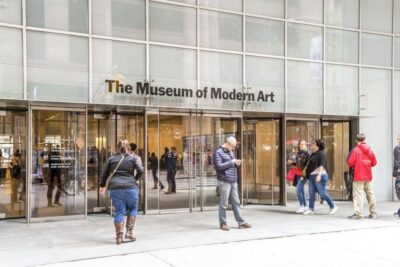 ★ 4.6Museum of Modern Art (MoMA) Entry TicketTickets from $3012,540 traveller reviews
 ★ 4.7One World Observatory Skip-the-Line TicketTickets from $3012,329 traveller reviews
 ★ 4.7New York CityPASS®: Save up to 41% at 5 Top AttractionsTickets from $15410,548 traveller reviews
More useful New York routes