
Review · CHINATOWN & LITTLE ITALY TOURS
3 New York Neighborhoods Semi-Private Tour : SoHo, Chinatown and Little Italy
SoHo in your shoes, Chinatown in your steps, and Little Italy in your head. This 2-hour walking tour stitches together three of Manhattan’s most distinct blocks, so you get an orientation first, then ideas for where to wander next. The 15-person max keeps it relaxed, and the stops focus on places you would miss when you are just moving on your own.
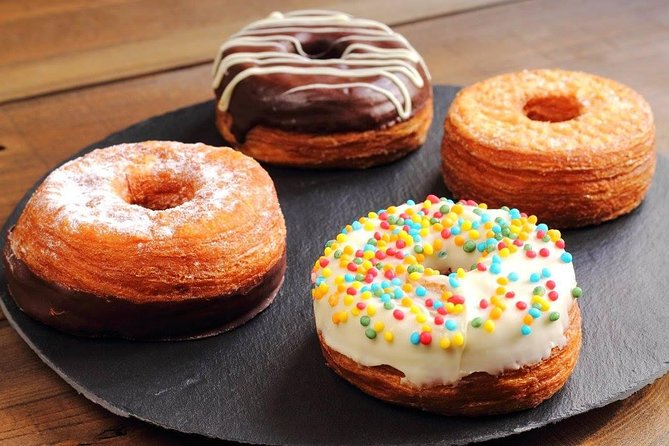
What I like most is the way the tour is built for first-time NYC area learning. You hit big visual landmarks and specific neighborhood stories, then you still get time to pop into a few famous storefronts like Dominique Ansel Bakery for the Cronut hype and Alleva Dairy for classic cheese-shop culture. The second big plus is pacing that depends on your guide, with some guides described as not rushing and others as using strong neighborhood history to make the walking feel meaningful.
One consideration: this is still a lot of sidewalk time in a short window, so if it is very hot or you need frequent breaks, plan ahead. Also, several stops are brief, so you are not getting long museum-style time. You are getting a smart sampler, then you decide what deserves a second visit on your own.
Key things to know before you go
- Small group, big personality, with a maximum of 15 travelers and a guide who can answer questions without a megaphone vibe
- A tight, practical route that covers SoHo, Little Italy, and Chinatown in about 2 hours
- Famous food stops are show-and-see, not guaranteed meals, since food and drinks are not included and vendors are not assured
- Many listed admissions are free, including Alleva Dairy and multiple street-and-building stops, with one notable exception noted for Old Police Headquarters
- Rain or shine with a prompt departure, so arrive on time and dress for the weather
- This is an endpoint move, ending at Columbus Park in Chinatown, so plan your next step around that area
A smart sampler route through SoHo, Little Italy, and Chinatown
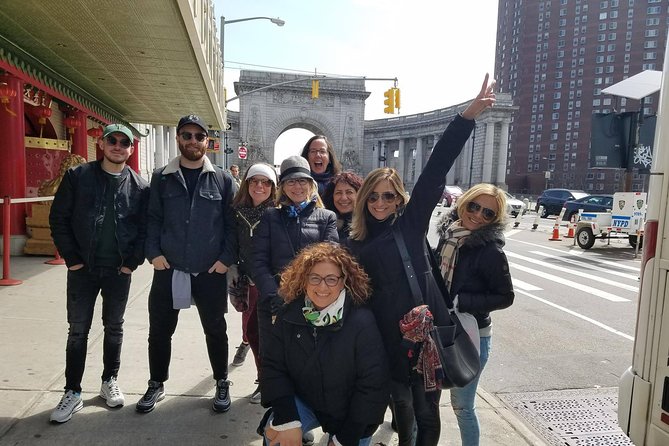
This tour is built like a good city walk, not a school field trip. You start in the border area near Duarte Square, the Avenue of the Americas area, Canal Street, and Grand Street, then you work your way down and across the East-West energy of Lower Manhattan. You end in Chinatown near Columbus Park, which is convenient because it is one of the best places to keep exploring right after the tour.
The route makes sense because these neighborhoods are close, but they do not feel similar at all. SoHo reads as design, brick, ironwork, and fashion storefronts. Little Italy hits food smells, old-school counters, and family-running spots. Chinatown brings a different rhythm, with temple architecture, dense street life, and longtime eating institutions. In two hours, you get the “map” in your brain, plus enough context to navigate without feeling lost.
The semi-private setup helps. With a maximum of 15, you usually get to hear the guide clearly, ask questions, and keep moving without that stop-and-go chaos you see on big bus-style group tours.
You can also read our reviews of more private tours in New York City


SoHo first: ironwork streets and architecture you can spot fast
Your first block is SoHo, and it is the right place to start because it is visually loud in the best way. Even if you do not know what to look for yet, you will recognize the look. The tour includes stops along Greene Street, plus a nod to the era of skyscraper evolution with the Haughwout Building.
Greene Street is short, but it is one of those “this street is a whole design lesson” moments. The guide points you toward what makes SoHo feel different from the surrounding grid, so you can later recognize details on your own walk.
Then comes the Haughwout Building, often treated like a kind of ancestor story for NYC skyscrapers. You do not need a technical background to appreciate it. The value is that the guide gives you a way to look. After you see the building and learn the context, you will start noticing similar design choices and scale shifts everywhere else you go in Manhattan.
What you should expect here: photos, architecture glimpses, and a chance to orient yourself before the tour shifts into the more food and street-life focused parts of the itinerary.
Little Italy: classic counters, old addresses, and the mafia-era street stories
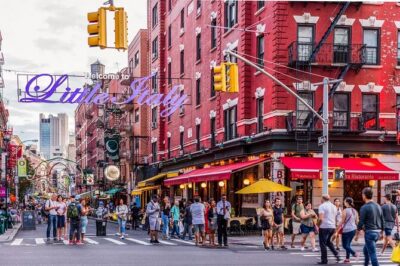
Little Italy on this route is not just “walk past the signs.” You get a mix of landmarks and storytelling that explains why certain streets became famous and why certain businesses survived.
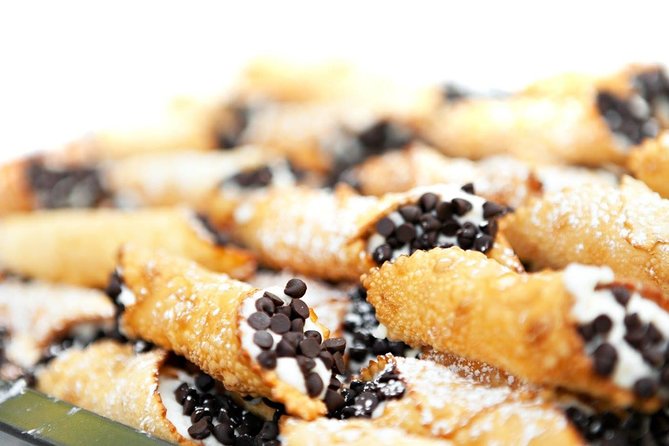
Stops include Ferrara Bakery & Cafe and Piemonte Ravioli, a pasta shop that opened in 1920. That matters because it gives you a sense of continuity. These places are not just trending, they are old enough to have outlasted waves of neighborhood change.
You also stop around Da Gennaro, tied to an infamous mafia “hit.” You will likely hear this in a way that does not feel like sensational TV. Instead, it is treated as street history. That is useful because when you later eat or shop in this area, you can connect the dots between what you see today and what happened long ago.
Then there is Doyers Street, linked to the Bloody Angle. This is one of those street-corner legends that makes you slow down. Even if you are not into crime history, the point is atmosphere. The guide helps you see how an address becomes part of a neighborhood’s identity.
Practical tip: if you want to buy something, plan it during these Little Italy stops. Food vendors are not guaranteed, and the tour is time-limited, so be ready to move quickly once you see something you want.
Chinatown: temples, dim sum culture, and Columbus Park as your reset button
Chinatown is the heart of the tour’s energy. You get a short stop at the Mahayana Buddhist Temple, described as New York’s largest Buddhist temple. Even with a brief visit, it is a strong contrast from the louder commercial blocks nearby. The guide’s job here is to give you what you need to observe respectfully and understand what you are seeing.
The itinerary also includes a stop described as Chinatown’s oldest dim sum restaurant. That is a big deal conceptually, because dim sum is not just food, it is a daily ritual for the neighborhood. Even if you do not eat, it helps to know where the tradition is rooted.
Columbus Park is your final reset point. It is a smart end to the tour because it is livelier than a random street corner and it is easy to continue exploring from there.
What I like about ending here: you are not stuck at a dead end. You finish in a place with people, snacks, and ongoing street life, which makes it simple to transition into your own plans.
Extra stops that make the walking feel like a real neighborhood story
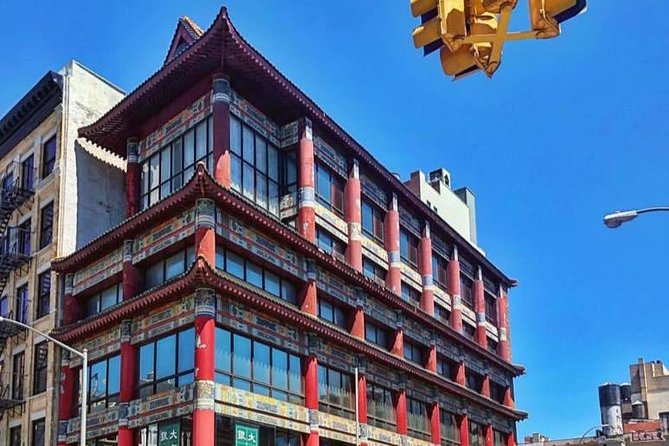
A few of the quick-hit stops are what turn this from a generic “three neighborhoods in a blur” walk into something more memorable.
Dominique Ansel Bakery is one. The Cronut is the headline, but the bigger value is that the guide uses it as an entry point to talk about why certain Lower Manhattan food brands became global signals. The stop is short, so treat it as a photo-and-sniff moment, not a sit-down event.
Alleva Dairy is another. It is described as America’s oldest cheese shop. That kind of detail helps you understand why “old” businesses still matter in a city that constantly changes. You get a sense of where tradition lives in this part of Manhattan.
Old Police Headquarters appears on the route, with admission not included. Even with a brief stop, it adds a civic and institutional layer to what you would otherwise experience as mostly commercial streets and ethnic food culture.





The guides: what you can reasonably expect
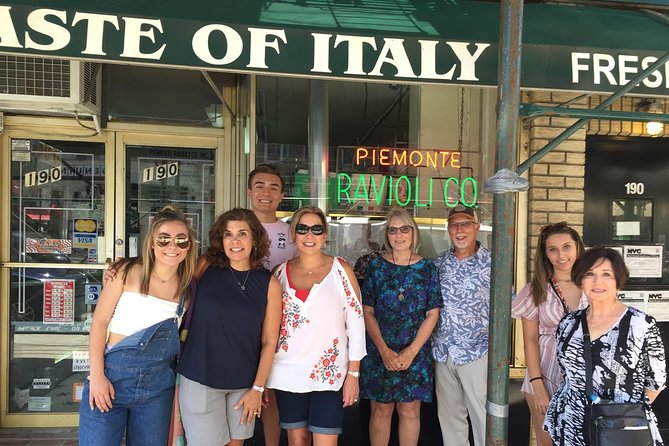
This is one of those tours where the guide can make a noticeable difference. The best guides keep the walk moving, keep facts clear, and make time for questions.
Names that show up repeatedly in positive experiences include Patrick, Francesca, Luke, Thomas, Cecilia, Claire, and Ephraim. Across these guides, a common theme is strong neighborhood history plus an ability to pace the group, including not rushing when it gets hot. If you end up with a guide who is extra story-driven, you may want to ask direct questions about architecture or specific building details, since some guides can spend more time on longer narrative bits than others.
Price and value: $39 for orientation plus iconic stops
At $39 per person for about 2 hours, the value is mainly in logistics and context. You are paying for a local perspective, a route that hits the major signatures of each area, and free admission at many of the listed stops.
This is not a bargain because you are getting tons of included food or museum time. Food and drinks are not included, and vendors are not guaranteed. So think of the payment as buying time savings and clarity. You skip the trial-and-error phase of trying to figure out what to see in SoHo versus what to prioritize in Chinatown and Little Italy.
Who gets the most value: first-timers, return visitors who only know part of Lower Manhattan, and anyone who wants a walking intro before spending the rest of the day exploring on their own.
Timing, walking comfort, and what to bring
The tour departs promptly, so plan to arrive 15 minutes early. It involves a good amount of walking, and it runs rain or shine. That means you should dress for the weather and bring the usual city-walking basics.
Because stops are short, your comfort matters. Wear comfortable sneakers. If you are sensitive to heat, take water seriously. If you rely on indoor breaks, note that not every stop is designed for extended sitting time.
Also keep expectations realistic about facilities. The data you have here does not promise bathrooms on route, and that is a common pain point with short walking itineraries. If you need that certainty, you will want to plan your day to avoid being caught between stops.
Service animals are allowed, which is good for flexibility.
Who this tour is best for
This one is a strong match if you want a curated Lower Manhattan route without committing to a full-day plan.
It is great for:
- First-time visitors who want to understand how three neighborhoods differ within one afternoon
- Couples and friends who like walking and want “start here” guidance
- Families who can handle a walk for about two hours, especially if the group stays engaged with the guide
It may be less ideal if:
- You want long stays in one neighborhood, like a half-day in SoHo design alleys or an extended Chinatown food crawl
- You dislike walking in heat or you need frequent bathroom breaks
- You want an audio device translating everything, since an audio guide is not included
Should you book this SoHo, Chinatown, and Little Italy tour?
If you are asking yourself whether this is worth it, here is the simple test. Book it if you want orientation, recognizable landmarks, and street-level stories in about 2 hours. The small group size and guide-led pacing make it feel personal enough for questions, and the route ends in a convenient spot to keep exploring.
Skip it or consider a different style tour if you want a lot of included food, long indoor visits, or minimal walking. This is a walk-and-learn plan, with some very famous storefront moments, and then you continue on your own.
Overall, for $39, it is one of those “you will either see more or waste less time later” deals. If your goal is to make Lower Manhattan easier to navigate after one afternoon, this is a smart place to start.
FAQ
How long is the 3 New York Neighborhoods Semi-Private Tour?
The tour lasts about 2 hours.
How much does it cost?
It costs $39.00 per person.
What neighborhoods are included?
SoHo, Little Italy, and Chinatown.
What is included in the price?
A guide is included. A mobile ticket is used. Food, drinks, and an audio guide are not included.
Are there entrance fees for stops?
Most listed stops show admission ticket free. Old Police Headquarters is listed as admission ticket not included.
Is the tour offered in English?
Yes, it is offered in English.
Where do I meet and when does the tour start?
The meeting area is Duarte Square, Avenue of the Americas, Canal St, and Grand St, New York, NY 10013. The start time is 12:30 pm.
Does the tour run in bad weather?
It operates rain and shine. If canceled due to dangerous weather, you can choose an alternative tour date or receive a full refund.
What is the cancellation window?
You can cancel up to 24 hours in advance for a full refund. If you cancel less than 24 hours before the start time, the amount paid is not refunded.
More Private Tours in New York City


More Tours in New York City



More Tour Reviews in New York City



Not for you? Here's more nearby things to do in New York City we have reviewed










More Chinatown & Little Italy Tours to consider.
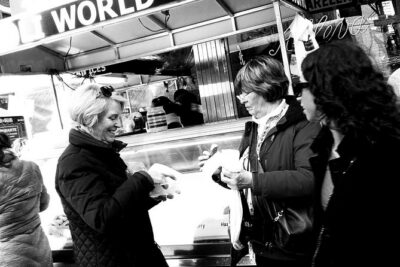 ★ 5.0SoHo, Little Italy, and Chinatown Walking Tour in New YorkTickets from $393,153 traveller reviews
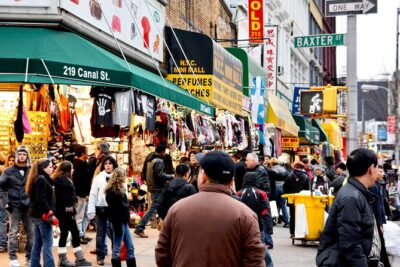 ★ 5.0Chinatown & Little Italy Food Tour with 7 Flavorful TastingsTickets from $992,733 traveller reviews
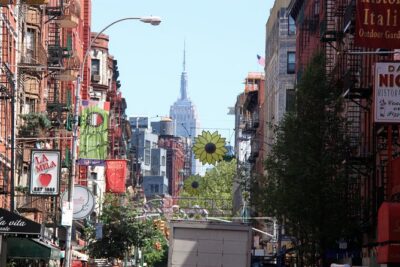 ★ 5.0Original NYC Guided Food Tour of Chinatown and Little ItalyTickets from $1302,194 traveller reviews
NYC Food Tour: Chinatown and Little ItalyTickets from $991,090 traveller reviews
★ 5.0Original NYC Guided Food Tour of Chinatown and Little ItalyTickets from $1302,194 traveller reviews
NYC Food Tour: Chinatown and Little ItalyTickets from $991,090 traveller reviews
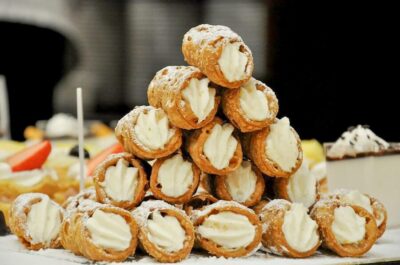 ★ 4.7Chinatown and Little Italy Food TourTickets from $80703 traveller reviews
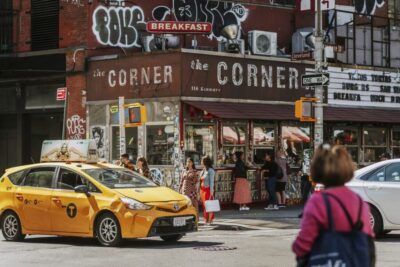 ★ 4.7SoHo, Little Italy, and Chinatown Guided TourTickets from $30614 traveller reviews
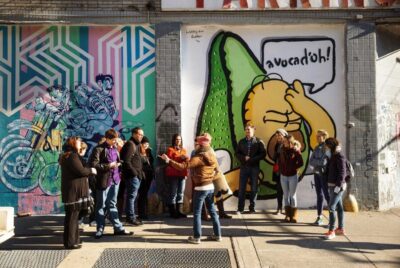 ★ 4.6SoHo, Little Italy, and Chinatown 2-Hour Guided WalkTickets from $39566 traveller reviews
 ★ 5.0SoHo, Little Italy, and Chinatown NYC Guided Walking TourTickets from $36443 traveller reviews
More useful New York routes