
Review · HISTORICAL TOURS
The Bowery Official Historic District Tour
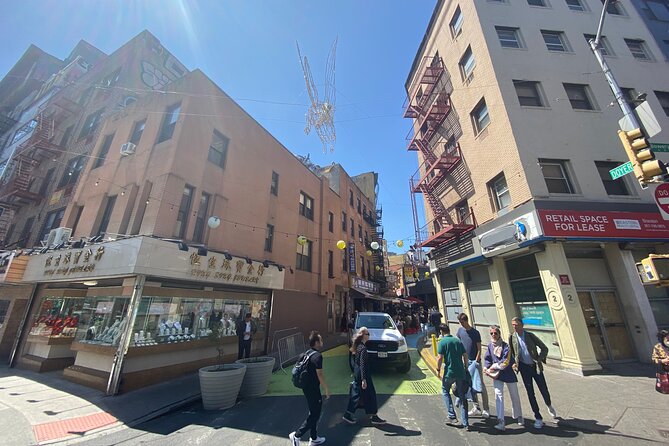
The Bowery has a second life after dark. This 1.5-hour walk connects the street-level landmarks you see every day to the people who built the neighborhood, from Irish arrivals to Chinese communities. You also get the Bowery’s reputation as New York’s first entertainment district, told in plain language as you move block to block.
I especially like two things. First, the stops are short and specific, so you have time to ask questions instead of just rushing along. Second, the guide ties big themes to recognizable anchors like Doyers Street and the old Bowery Ballroom, so the area starts making sense fast.
One drawback to plan for: it is an outdoor walking route, and it needs good weather. If it is rainy or nasty, you should expect changes rather than a full walk as planned.
Key highlights to look for
- A tight 90-minute route that keeps momentum while still leaving time for Q&A
- Immigrant stories on the Bowery spanning Irish to Chinese communities
- Entertainment district focus with links to old theaters, opera houses, and performance venues
- Music history stops from the Bowery Ballroom area to the punk-era CBGB’s neighborhood
- You get outside landmarks plus street-level lore like Doyers Street, also called Murder Alley and the Bloody Angle
- A small group cap of 50 so the guide can actually respond
Starting at Confucius Plaza, where the Bowery gets context fast
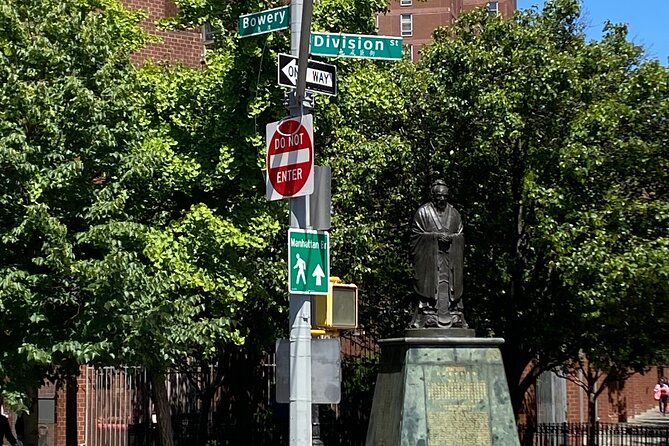
The tour kicks off at Confucius Plaza, right at the corner of the Bowery and Division Street. That starting point matters because it pushes you to read the Bowery as more than a single “scene” or era. You start with a landmark tied to ideas and community, then you walk into the neighborhood’s changing chapters.
From here, the pace is set: quick stops, short explanations, and time to look around. You are not just staring at buildings, you are learning what to notice, like how corners become meeting points, and how street names carry old stories forward. The ticket for this first stop is free, so you can focus on the meaning instead of logistics.
If you like guided walks where you leave with names you can use later, this format works. And if you are hoping for a deep museum-style experience, this is more street-level history, delivered in compact scenes.
You can also read our reviews of more historical tours in New York City



Doyers Street and the Bloody Angle, why a street name hits
Next comes Doyers Street, known historically as Murder Alley and the Bloody Angle. Even if you have seen the Bowery on a map, this is the part that makes you slow down. The guide’s job here is not just to repeat a grim label, it is to explain what that reputation grew from in the 19th century and why the area gained notoriety.
This is also one of the stops where you benefit most from a live guide. The story lands better when you can ask, What was going on nearby, and who lived or worked there? Because the stop is short, you get just enough time to connect the darker nickname to real urban life.
Practical note: even though the stop is only about five minutes, you will want your phone ready for a quick photo of street layout. Later, when you walk past it on your own, that reference point can help you remember the whole arc.
Passing the Manhattan Bridge, and hearing about diamonds and old theaters
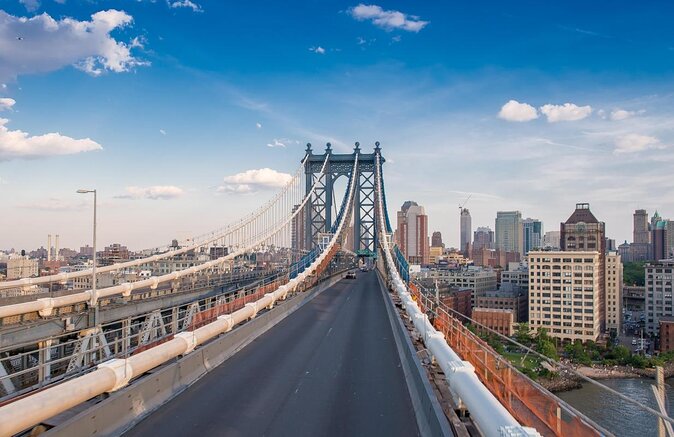
From Doyers Street you shift toward the Manhattan Bridge area, where the tour passes by the Triumphal Arch and Colonnade. Then you pause briefly to talk about the original Diamond District on the Bowery and Canal, plus the old Citizens Bank Building and other former sights in the same corridor. That is a clever move: you get an iconic view, then the guide reframes it as a business and entertainment zone.
The tour also mentions the Confucius Plaza again as part of the neighborhood grid, which helps you build a mental map instead of getting only random facts. You also hear about former German Winter Garden and Windsor Theatre locations. Even if you have never heard of those exact venues, the guide’s storytelling helps you understand why entertainment districts like this grow, shift, and reinvent themselves.
One consideration here: this is a passing-and-pausing stop, not a close-up architectural tour. If you want more time staring at façades, plan to do a follow-up stroll on your own along Canal and the Bowery after the walk.
Bowery Ballroom and the Lincoln Hotel area, old music and old money
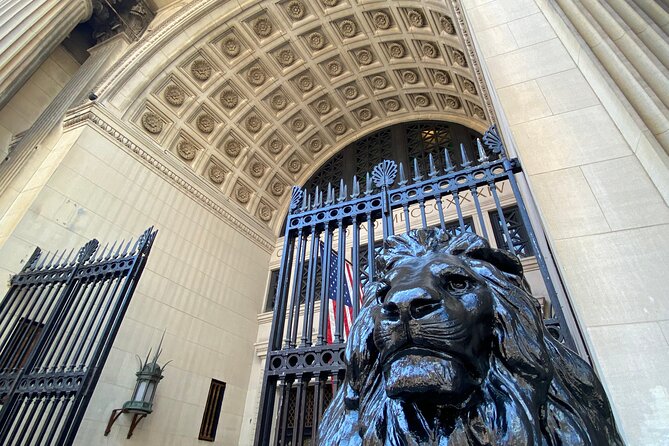
A short walk brings you near the old Bowery Ballroom, described as one of the last music vestiges of the Bowery. That word choice is on purpose. The guide treats the building area like a marker, a place where you can trace the neighborhood’s shift from one kind of performance to another.
This is also where the guide includes adjacent landmarks and institutions you might walk by without stopping. The tour talks about the old Lincoln Hotel and former sites of Germania Bank Buildings. That combination is important. The Bowery was not only stages and crowds, it was also transactions, finance, and the infrastructure behind migration and nightlife.
I like this stop because it gives you a way to read the street economically and culturally at the same time. You get performance, but you also learn what supported it. If you are the type who likes urban history that explains why things were built in the first place, this part will land.
The stop is about five minutes, so bring your curiosity, but keep your expectations realistic. You are learning the map of ideas, not taking measurements.
Near the New Museum, the Bowery Mission and the performing arts pipeline
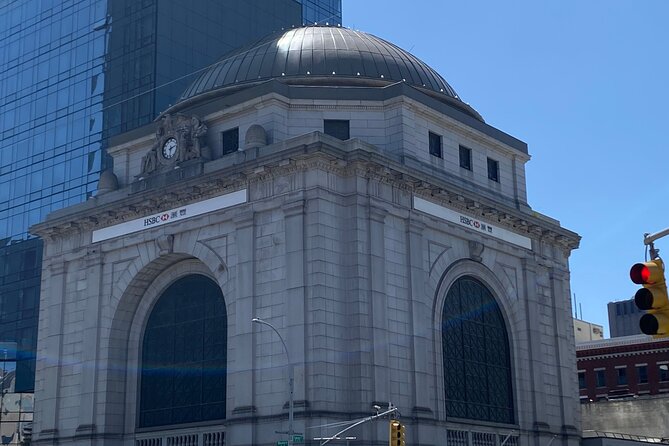
As you approach the area near the New Museum of Contemporary Art building, the tour turns toward institutions tied to help and to performance. The guide references the Bowery Mission, Italian opera houses, and Yiddish Theatre, plus other entertainment venues in the area.
This section helps you see the Bowery as a place where survival and spectacle overlapped. When immigrants arrived, they needed community support, not just nightlife. The mission connection and the performance connections give you a fuller picture of how neighborhoods function when people are arriving, working, and building belonging.
You might find it helpful that the stop stays near a major contemporary landmark. Even if you are not sure what used to be here, the guide gives you the bridge between now and then. That makes it easier to connect your present-day experience, museum district energy, with the working-class and immigrant past.
A small drawback: because the stops are brief, the tour gives you the names and the directions to follow, not a long dissertation. If you want more detail on any one venue, take notes during the walk, then look up the specific site after.




Bowery Poetry Club and the punk-era edge, including CBGB’s vicinity
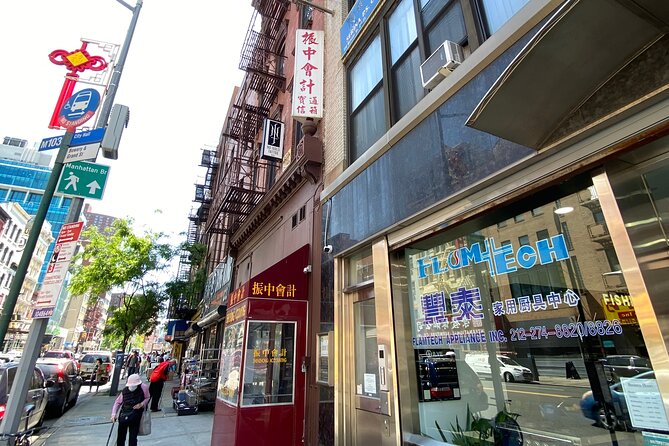
One of the most fun parts is near the Bowery Poetry Club, where the guide talks about the Punk Rock era of the Bowery. Right across the street, the tour points you toward the CBGB’s location, one of the most famous connections to the rock mythos of this neighborhood.
This is where the tour feels especially current without losing its historical thread. You get a sense that the Bowery keeps reinventing its role in music, from earlier entertainment spaces to the punk era’s gritty street credibility. The guide also references being near Electric Ladyland and mentions the former residence of Deborah Harry from Blondie.
If you care about modern music lore, this section adds an extra reason to take the walk even if you are not a hardcore history person. You can see how the neighborhood’s stage culture evolved into a different sound while keeping the same location-based energy.
Do note: this is still a walking tour with short pauses. If you want to linger and read every sign or door, you may want to do a longer self-guided pass right after the tour ends.
Cooper Union Foundation Building and Cooper Square, from McSorley’s to the Village Voice
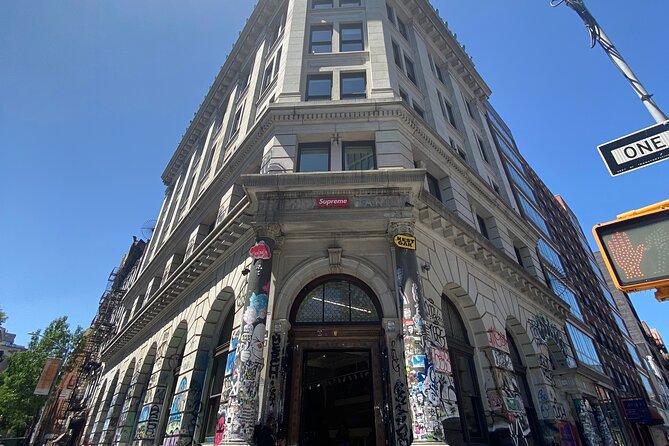
The final stretch heads toward the Cooper Union Foundation Building, with a longer stop period of around ten minutes. Along Cooper Square, the tour mentions the old Village Voice Building, the Carl Fischer Music Building, and McSorley’s Ale House, plus additional sites.
This ending works because it shifts from performance venues to cultural and media institutions. The Bowery and nearby areas shaped music and theater, but they also supported journalism, publishing, and everyday gathering spaces. When you reach Cooper Square, you see how the neighborhood’s story connects to ideas, not just entertainment.
I like that the guide uses this final zone to help you keep perspective. It is easy to think of the Bowery as a single loop of nightlife, but the Cooper Square stop shows a broader urban ecosystem. If you plan to continue exploring, this ending gives you practical places to visit and read about next.
The tour ends at the Foundation Building on 7 E 7th St, so you can tack on additional nearby stops afterward. Even if you are new to the area, you end in a spot that is easy to build from.
Price and value: is $38 a good deal for 90 minutes?
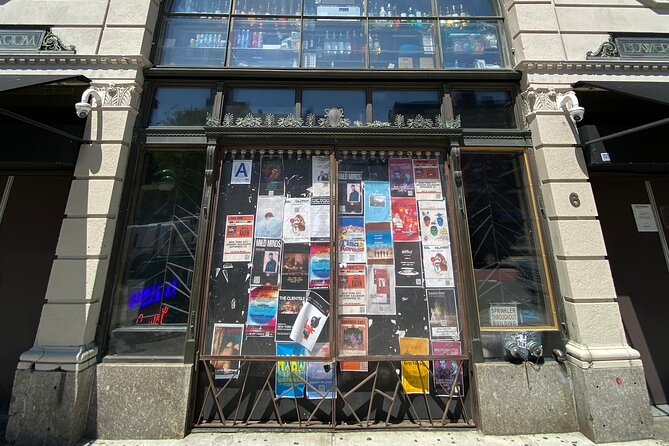
$38 for about 1 hour 30 minutes is not bargain-bin pricing, but it is fair for a guided walk that covers multiple landmark clusters in one route. You are paying for an actual guide to translate street scenes into story, and the format is built for interaction with questions.
Here is where the value shows. You get a mobile ticket experience, the tour is in English, and admission is free at the listed stops. So you are not paying extra at each waypoint, and the time is structured to keep you moving without feeling like a sprint.
The small group limit of 50 helps too. A larger crowd can turn a historic walk into a passive shuffle. Here, the cap supports a more conversational pace, which matters when the whole point is learning the “why” behind places like Murder Alley or the Diamond District.
Who should book it?
- You like history that explains the neighborhood’s role in immigration and entertainment, not just dates.
- You want a practical route you can repeat later on your own.
- You care about music culture, especially the punk-era Bowery side.
Who might pause?
- If you only want architectural close-ups or deep museum content, this walk may feel too brief. It is designed for overview with names, not for extended site time.
The best way to enjoy it: what to do before and after
Show up with a simple plan: wear comfortable shoes and be ready to look up and across streets often. The tour’s power comes from linking things you can see with things you might not notice. When you hear a stop name like the Bloody Angle, try to picture where the street layout would shape daily life.
During the walk, ask at least one question. This tour is built around having the guide at your disposal, and you will get more out of it if you steer the conversation. If you are drawn to the immigrant past, ask how the neighborhood changed from one wave to the next. If music is your priority, ask how the Bowery shifted into punk-era culture.
After the tour, take a short self-guided loop near where you ended, around Cooper Square and the Foundation Building area. It helps the story stick. If you can, also revisit one earlier stop you found most interesting, like Doyers Street or the Bowery Ballroom area, and see how your perspective changes.
Should you book the Bowery Official Historic District Tour?
I would book it if your goal is a guided, story-driven walk that connects immigrant history, entertainment districts, and music culture in one tidy route. The stop choices are practical, and the guide is a big part of the appeal. In the feedback, Ramona is highlighted for passion and making the Bowery feel alive, which is exactly what you want from a walking tour.
If you hate walking or only want long, indoor, ticketed sights, you might prefer a different format. But if you want an easy, memorable way to understand why the Bowery earned its legends, this is a strong pick.
FAQ
How long is the Bowery Official Historic District Tour?
It lasts about 1 hour 30 minutes.
Where does the tour start and where does it end?
It starts at Confucius Plaza (1-9 Bowery, New York, NY 10002) and ends at the Cooper Union Foundation Building (7 E 7th St, New York, NY 10003).
What time does the tour begin?
The start time listed is 3:30 pm.
What language is the tour offered in?
The tour is offered in English.
Is admission included for the stops?
The tour information lists free admission for the stops.
Is gratuity included in the price?
No. Gratuity is not included.
Do I need good weather, and how does cancellation work?
Yes, it requires good weather. You can cancel for a full refund if you cancel at least 24 hours before the experience start time, and if it is canceled due to poor weather, you are offered a different date or a full refund.
More Historical Tours in New York City



More Tours in New York City




More Tour Reviews in New York City



Not for you? Here's more nearby things to do in New York City we have reviewed










More Historical Tours to consider.
 ★ 4.5American Museum of Natural History TicketTickets from $3715,447 traveller reviews
 ★ 4.6Starship Landmark 90 Minute Sightseeing CruiseTickets from $343,666 traveller reviews
 ★ 4.5Starship Landmark 90 Minute Sightseeing CruiseTickets from $342,073 traveller reviews
 ★ 4.0American Museum of Natural History Admission TicketTickets from $371,931 traveller reviews
 ★ 5.0Top Rated Brooklyn Half-Day Food, History & Culture Tour via busTickets from $189758 traveller reviews
 ★ 4.7Speakeasy Drinks and Prohibition History TourTickets from $36474 traveller reviews
 ★ 5.0The Original Greenwich Village Food & Cultural Tour Since 1999Tickets from $99254 traveller reviews
 ★ 5.0The Speakeasy Adventure: A Tipsy Trip Through HistoryTickets from $38220 traveller reviews
More useful New York routes