
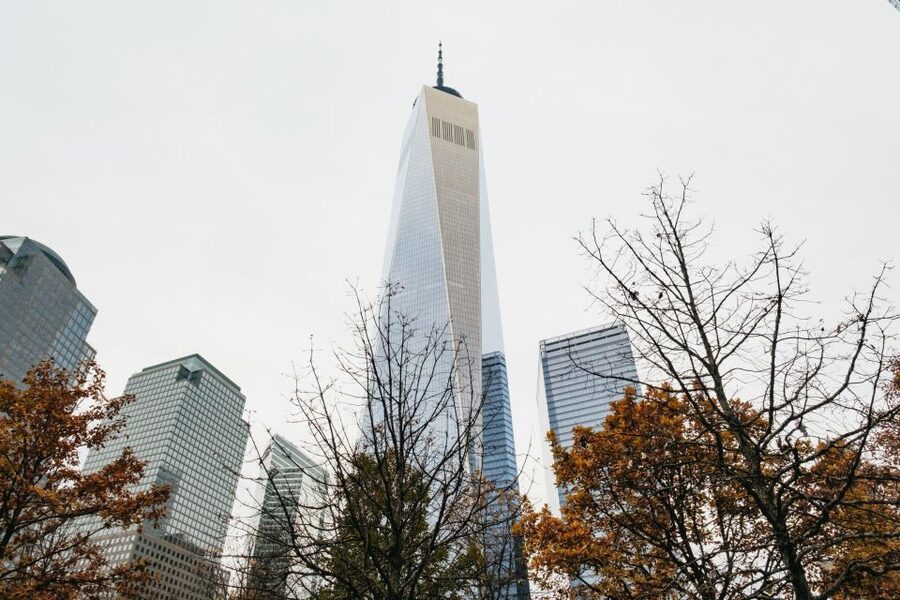
Review · MANHATTAN TOURS
NYC: Radical and Weird History Bike Tour of Manhattan
Lower Manhattan gets weird on two wheels. This radical history bike tour rides you through the kind of New York most people miss, starting and ending in TriBeCa and using street-level stops to explain how Beatnik-era culture and Lower East Side political movements formed. It is led by real bike-messenger style guides, with safety built into the route and timing, and you leave with a stack of surprising stories.
Two things I really like are the street-level safety mindset and the offbeat storytelling. I’ve heard from guides like Robert and Robby, and you can feel the difference when someone navigates traffic calmly and still finds time for humor and clear, high-energy explanations. You also get a strong sense of how counterculture grew from specific neighborhoods, not just from big monuments.
One possible drawback to plan for: pricing has an extra step at the end. Your $46 booking covers your bike rental, and you are recommended to pay the guide directly another $40 per person after the tour, plus the tour includes only a mid-tour snack.
Key highlights to look forward to
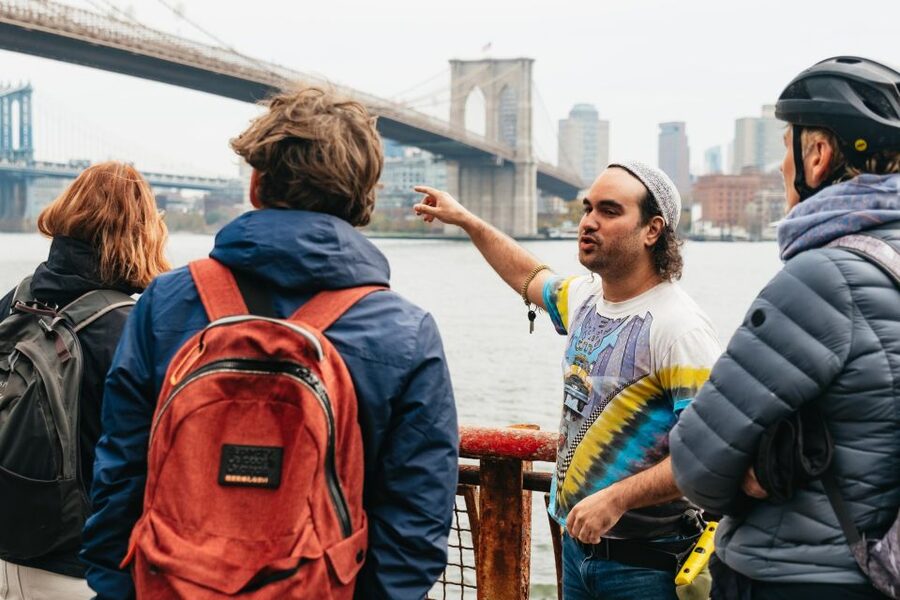
- Bike-messenger street safety on accessible routes for different skill levels
- Counterculture origins tied to real neighborhood history, like Beatnik culture and Lower East Side political movements
- Short, story-focused stops that you would probably walk past without noticing
- A guide who listens and adjusts the vibe toward what you care about
- A snack break built in so you stay fueled during the 4-hour ride
A radical route that trades monuments for street corners
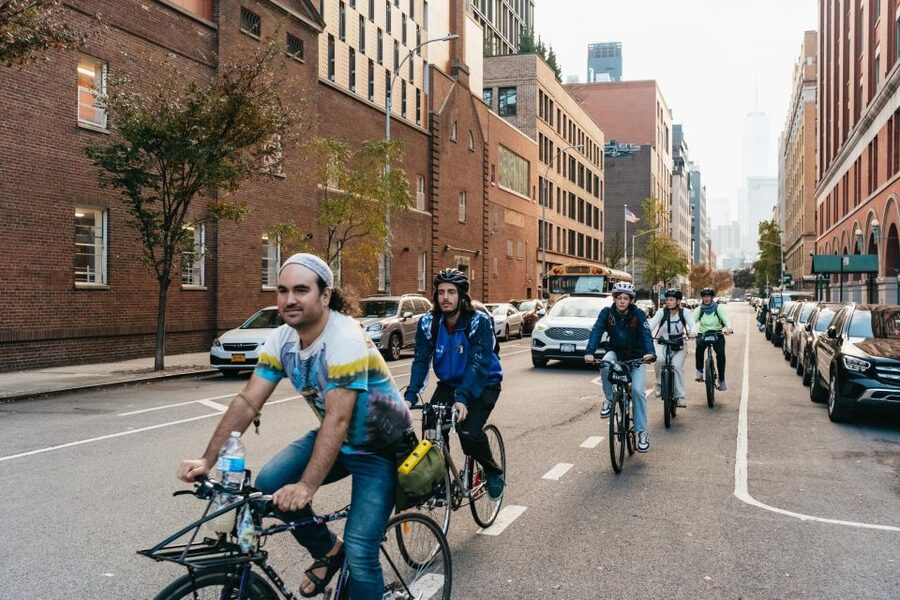
If you think a Lower Manhattan history tour should mean marble, museums, and endless standing still, this ride is a smart correction. Instead, you travel by bike at street speed, which makes the neighborhoods feel more real. You are not just hearing dates. You are connecting the dots between blocks, buildings, and the ideas that took root there.
The “radical and weird” promise matters because the tour goes beyond the usual skyline postcard loop. The stops are designed to show how movements formed, how communities argued, joked, protested, and published, often under the radar. You’ll hear stories tied to Greenwich Village’s Beatnik era and the Lower East Side’s Yiddish anarchist movement, with the guide using local landmarks as stepping stones.
You can also read our reviews of more cycling tours in New York City



Starting in TriBeCa, how the first segment sets your pace
The tour begins and ends at 79 Chambers St, and it is built as a smooth half-day ride, around four hours total. Expect your first stretch in TriBeCa to be more about orientation than pure sightseeing. That matters because when you bike in a dense city like Manhattan, comfort and confidence come early.
Your guide gives you a short guided stop in Tribeca, then you roll into the Lower East Side. If you are a newer rider, the early structure helps you settle into the group flow. If you are experienced, you still get value because your guide can point out “why this route” as you go, not after you’ve already committed.
Lower East Side history that explains why people fought back
The Lower East Side is where the tour’s political edge becomes clear. You get a longer stop here, around 45 minutes, and the guide uses local sights to explain how the Yiddish anarchist movement took shape. That theme is more than trivia. It helps you understand why certain neighborhoods attract certain kinds of voices, and why cultural language, community networks, and activism show up in the built environment.
I like this approach because it makes the history feel grounded. Instead of treating the Lower East Side as a backdrop, you learn why specific ideas thrived there, and how that energy spilled into the broader city. Even if you’ve read about New York’s leftist movements, a street-level bike route can change how you remember it, because you are mentally “walking” the neighborhood while hearing the story.
The two short surprise stops that keep your attention up
Between the longer neighborhoods, you’ll hit two quick stretches that are designed as little interruptions from the expected. There is a stop that lasts about 15 minutes for a less obvious local marvel, then another “secret stop” also around 15 minutes. These are the moments where the tour earns its weird label.
One rider specifically mentioned a Lenin statue on a building and the story connected to it. That kind of detail is exactly what you should hope for on a tour like this. You are not going to get the standard checklist. You’ll get the kind of thing you would never intentionally seek out, but once you see it, you can’t unsee it.
These short pauses also serve a practical purpose: they break up your riding time so you can process what you heard without feeling like you are being lectured while pedaling.
East Village for the laughs, plus the slow time to take it in
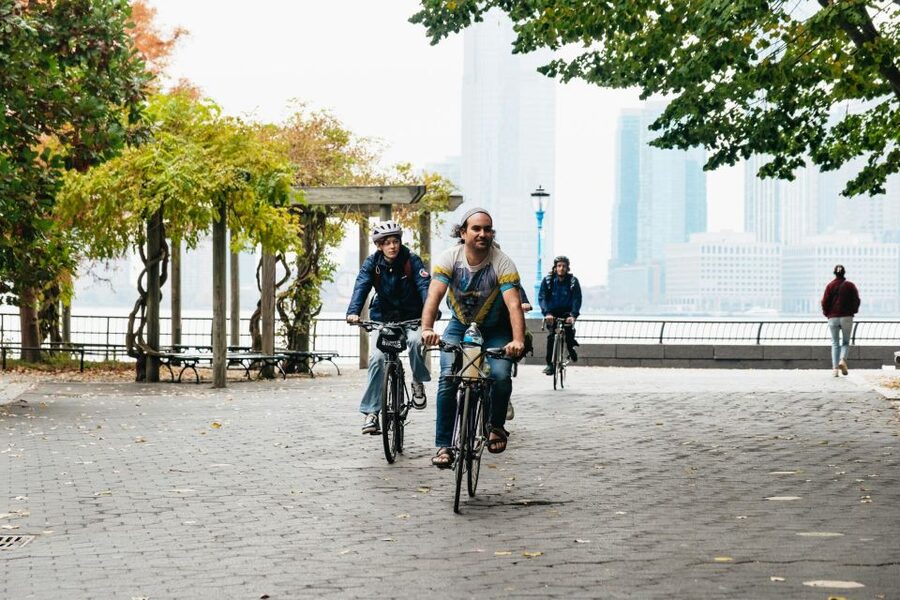
The East Village segment is the tour’s longest guided block, at about one hour. This is where the guide typically leans into personality. If your guide likes to move at a lively pace, this is the place to do it, and multiple guides in the past have delivered high engagement and humor.
I also like that this stretch is long enough to feel like more than a drive-by. You’ll be working through themes, answering questions, and picking up the “how it connects” part of the story. It is the segment where you start to see New York not as isolated attractions, but as a patchwork of ideas moving between communities.
You can also read our reviews of more historical tours in New York City






A snack break in the middle, because 4 hours needs fuel
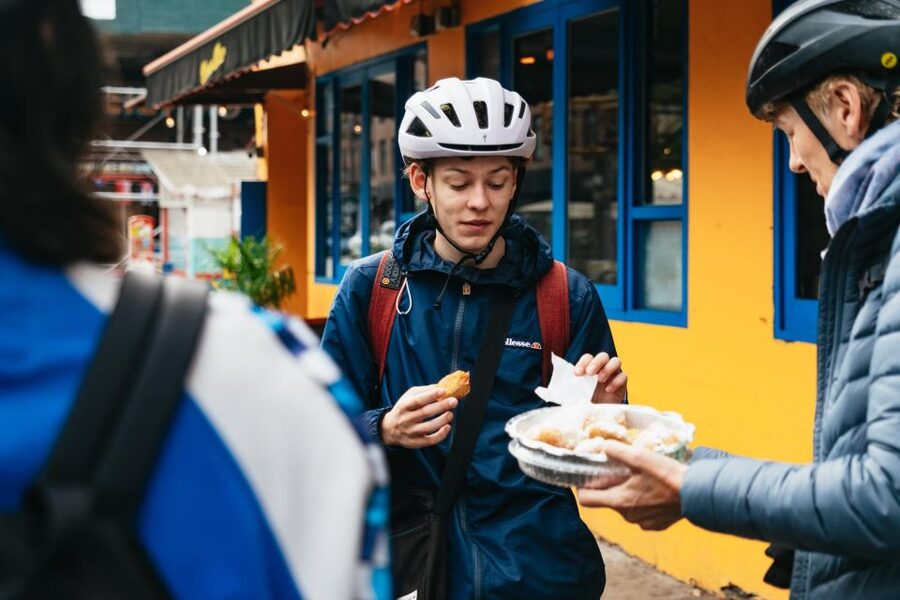
After you’ve spent time on the East Village, you get a built-in break with local snacks, about 20 minutes. This is a real value point. A bike tour can make you hungry faster than you expect, and the snack keeps the group energy steady.
The tour includes the mid-tour snack, so you’re not paying extra just to stay comfortable. Still, if you have a strong preference for a particular drink or additional food, you’ll want to plan for it, because the tour data only promises that snack, not full meals.
Greenwich Village, where Beatnik culture becomes legible
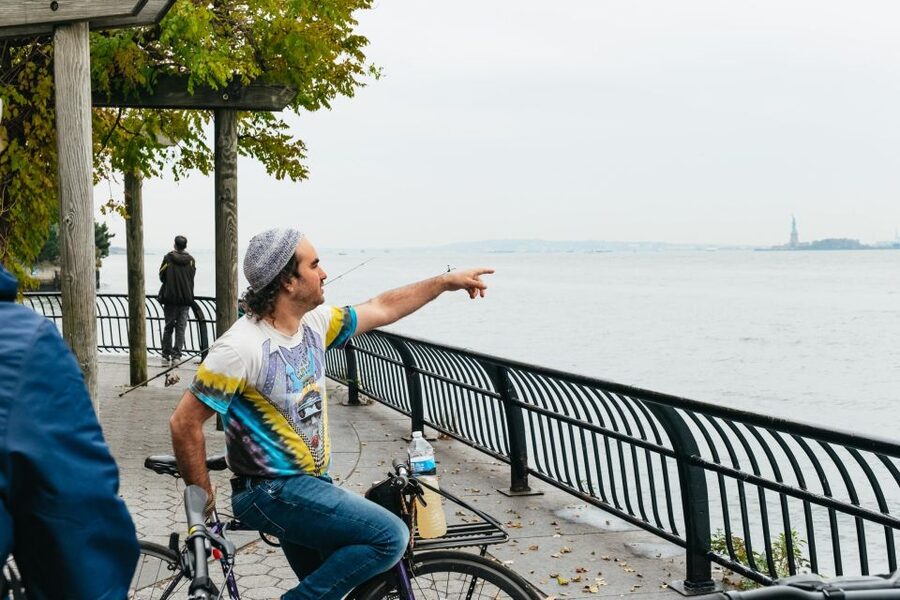
Then you shift into Greenwich Village for a shorter guided stop, around 20 minutes. This is the Beatnik-era connection, and you’ll understand it best when you treat it like more than “famous names.” The guide uses street-level landmarks as reference points so the Beatnik era feels tied to the space people inhabited.
What I like about this section is that it helps you map cultural history onto a real neighborhood layout. Greenwich Village looks like a postcard from many angles, but on a bike you see the in-between streets, entrances, and corners where scenes actually formed. You’re more likely to leave with mental images you can recall later, which is the whole point of a story-driven tour like this.
West Village for the finishing rhythm, not the tourist checklist
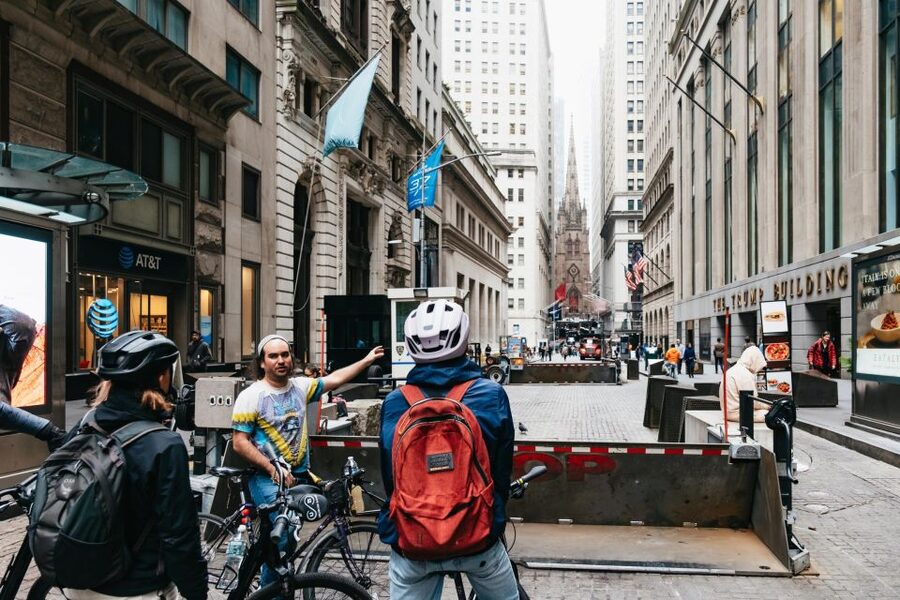
Next comes the West Village, about 25 minutes. This segment feels like a gentle closing act, where the pace stays lively but the focus can shift toward tying earlier ideas together. Even though it is shorter than East Village, you get enough time for the guide to land key points without rushing.
This is also where a good guide’s ability to read the room really shows. If you lean toward politics, you’ll likely get more emphasis on how movements grew. If you prefer culture and daily life, you may get more stories about communities and creative scenes. Past guides have been flexible with interests, and that flexibility can make the West Village stretch feel tailored rather than generic.
Meatpacking District, a quick final look before the return to Chambers St
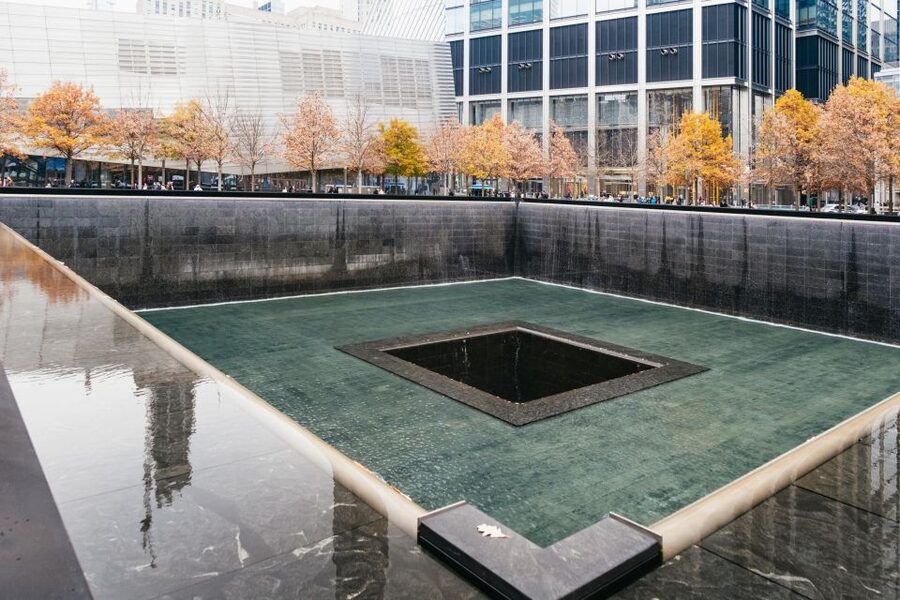
The ride closes with the Meatpacking District, a shorter stop at about 10 minutes, before you roll back to 79 Chambers St. I see this as the tour’s practical ending. You finish while the route stays controlled and the group stays together, which matters on a shared bike day.
Even though the time here is brief, it gives you a final change of texture. You end with a neighborhood that often gets treated as style and nightlife, and the tour framing helps you see it as part of the same long story of how New York shifts from old forms into new ones.
Pricing that makes sense if you plan for the guide payment
The advertised price is $46 per person, and that initial fee covers the bike rental. The important twist is what happens after the tour. You are asked to pay your guide directly upon completion, and a guide payment of $40 per person is recommended.
So what does that mean for value? If you treat this as a normal “pay once and forget it” booking, it can feel surprising. But if you treat it as a guided experience with street-level expertise and a story package you can’t get from a map app, it reads differently. You are essentially paying for two things: the bike and the guide time. By paying the guide directly, you avoid service fees and you support the person doing the work right where you are standing.
One more note on food expectations: the tour includes a mid-tour snack. If you’re the kind of person who assumes that means drinks or a full meal, do yourself a favor and adjust expectations now. You’ll keep the day stress-free.
The real star is how bike-messenger street skills translate to comfort
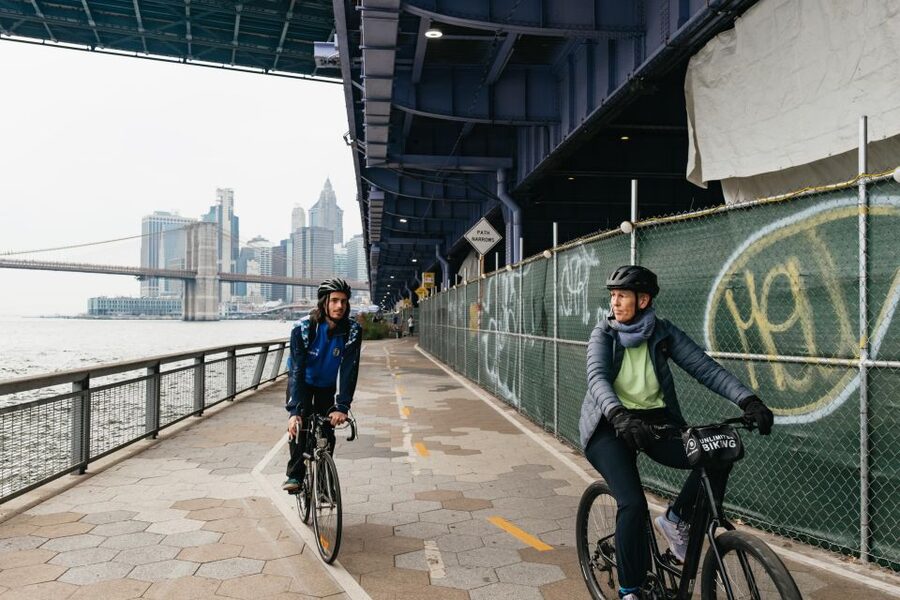
This is the part many “history by bike” tours get wrong. They plan a route that looks good on a brochure, then hope everyone survives the street. Here, the pitch is that a real bike messenger helped shape the route with safety in mind. That lines up with what you want when riding Manhattan streets for hours.
The tour is designed to be safe and accessible for riders of all skill levels. That doesn’t mean it is a slow parade. It means the route planning and pacing aim to keep you from getting overwhelmed. You still need basic bike control and willingness to ride in traffic, but the guide’s navigation skills can make the difference between “I had fun” and “I just survived.”
Also, guides are clearly tuned to group energy. One example from past tours: when one guide was sick, another guide stepped in and still delivered the “other New York” experience, with listening to expectations. That kind of continuity is reassuring. It suggests the tour has a real craft behind it, not just a script.
What you should bring, and how to set yourself up for success
Because this is a bike tour, your enjoyment hinges on small prep choices. Bring a light layer for shade or wind, wear closed-toe shoes, and bring water even though you get a snack. If you get cold easily, it is worth packing something thin. Manhattan weather can shift quickly once you get moving.
You’ll also enjoy the tour more if you come with one or two interests. If you care about political movements, have that in mind. If you mostly want culture and stories about neighborhoods, say so. Guides have shown they adapt, and you’ll get more out of the route when the guide knows what you want to notice.
Who this tour is best for
This tour fits best if you want to see Lower Manhattan with a story lens and you like riding. It’s a great pick for:
- First-timers who’ve already done the main sights and want something more specific
- People who like history tied to real places, not just facts
- Visitors who enjoy humor and conversation during tours
- Anyone who wants a bike tour that emphasizes street-level safety over speed
If you hate biking close to traffic or you dislike anything that feels interactive, you might find this less comfortable than a walking tour. But if you can ride confidently and you like learning on the move, this is a strong match.
Should you book this radical Manhattan bike tour?
I’d book it if you want Lower Manhattan history with a point of view. The Beatnik and Yiddish anarchist themes give you a framework, but the day stays fun because the stops are built around street surprises and a guide who keeps you engaged.
I would hesitate only if the extra guide payment at the end feels like a dealbreaker, or if you expect full meals instead of a snack. If you can plan for that and you’re ready to ride, you’ll likely come away feeling like you saw the city in a way most people never do.
FAQ
How long is the NYC Radical and Weird History Bike Tour of Manhattan?
The tour lasts 4 hours.
Where does the tour start and end?
It starts and ends at 79 Chambers St in TriBeCa.
What is the meeting point listed for the tour?
The meeting point is listed as Unlimited Biking Brooklyn Bridge.
What is included in the price?
The tour includes the local guide, the bike tour, and a mid-tour snack. The initial fee covers your bike rental.
Is there a snack included, and when do you get it?
Yes, there is a snack included mid-tour, with a break time of about 20 minutes.
Do I need to pay the guide separately?
Yes. The initial fee covers the bike rental, and you are asked to pay your guide directly upon completion of the tour. A guide payment of $40 per person is recommended.
What languages are available for the live tour guide?
The live tour guide is English.
Is the route safe for beginners or mixed skill levels?
The tour uses safe, accessible routes for riders of all skill levels.
Is there free cancellation?
Yes, you can cancel up to 24 hours in advance for a full refund.
What if I booked now but want to pay later?
You can reserve now and pay later, keeping travel plans flexible.
More Cycling Tours in New York City

More Tours in New York City






More Tour Reviews in New York City



Not for you? Here's more nearby things to do in New York City we have reviewed











More Manhattan Tours to consider.
 ★ 4.7Manhattan Helicopter TourTickets from $2997,076 traveller reviews
 ★ 4.8Manhattan Sightseeing Helicopter TourTickets from $2995,826 traveller reviews
 ★ 3.0JFK to Manhattan: One Way Shared Arrival TransferTickets from $313,687 traveller reviews
 ★ 4.5Circle Line: 2.5hr – Complete Manhattan Island CruiseTickets from $343,488 traveller reviews
 ★ 4.6From Manhattan: 4-Hour Dyker Heights Holiday Lights Bus TourTickets from $632,426 traveller reviews
 ★ 3.5Manhattan to JFK: One Way Shared Departure TransferTickets from $312,030 traveller reviews
 ★ 4.5The Manhattan Helicopter Tour of New YorkTickets from $2361,842 traveller reviews
 ★ 3.5Private Transfer from Manhattan to NYC Airports (JFK/EWR/LGA)Tickets from $361,683 traveller reviews
More useful New York routes