
Review · MARKETS
Meatpacking District: Chelsea Market and The Highline Tour
That first look at the High Line ruins the rest. This Meatpacking District route ties together Chelsea Market and the skyline views from an old rail spur, with real neighborhood history stitched through every block. I especially like how the tour gives you named places, not vague wandering.
Two big wins: you get time inside Chelsea Market for quick snack stops and shopping, and you also get a guided walk on the High Line with standout views over Chelsea Piers and the story of where the Titanic was meant to dock in 1912. The one drawback to weigh is that food and drinks are not included, and vendor hours are not guaranteed, so you should come with a snack mindset, not a meal plan.
The 2 hours move at a practical pace with a small group capped at 10, which matters here because you are weaving between market crowds, tight sidewalks, and photo stops. If you like architecture and neighborhood lore, this is a very efficient way to build context without turning the whole afternoon into a long project.
Quick hits before you go
- Chelsea Market start, then you transition fast from indoor food hall energy to street-level history
- Death Avenue explained in plain terms, so it clicks instead of sounding like trivia
- High Line views focused on Chelsea Piers and the harbor area, not just generic skyline shots
- Titanic docking plan (1912) shows up as a local clue to how the waterfront used to function
- Small group of up to 10 means less waiting and more time at each photo moment
- Standard Hotel and Gansevoort Hotel architecture stops give you a modern lens on old industry
Meeting point at Chelsea Market, and how the route keeps you moving
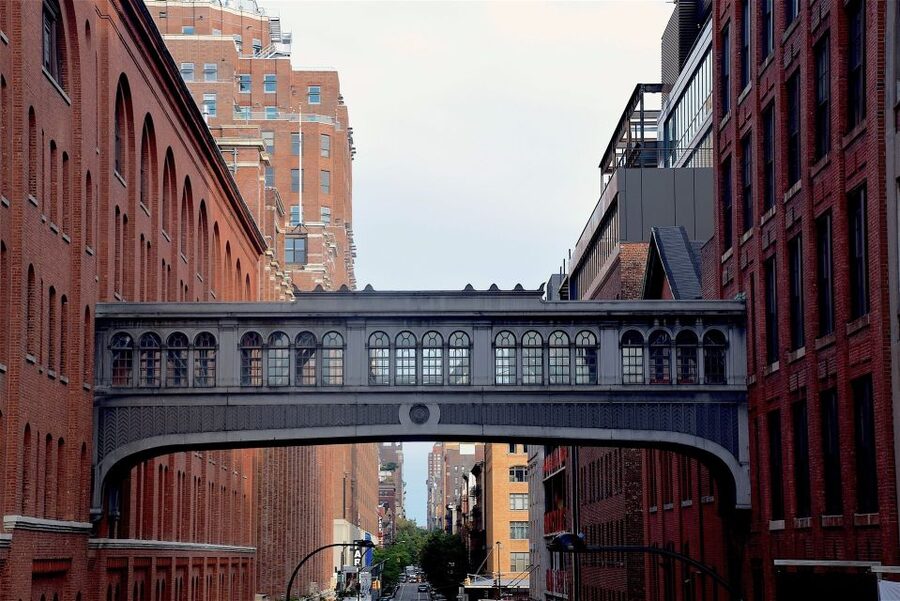
The tour starts at the corner of 15th Street and 9th Avenue, right by Chelsea Market. That location is smart because it puts you where the Meatpacking District feels most “real” up close, not just where postcards begin.
From the first minutes, you are set up for a tight rhythm: market time, then a guided walk for stories, then the High Line for views, then back down into the Meatpacking District’s shopping and nightlife streets. With only 2 hours, the guide’s job is basically to turn a compact loop into a coherent mini-course. When that works, you leave feeling like you understood the neighborhood’s layout, not just saw a few landmarks.
You can also read our reviews of more shopping tours in New York City

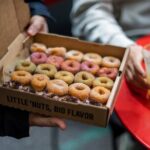
Chelsea Market time: snacks, shopping, and what you actually get from it
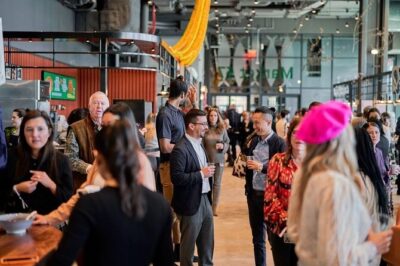
Chelsea Market is famous for a reason. It is a food hall that feels like it belongs in New York, with constant activity and a wide mix of stalls. On this tour you get some free time inside the market, which I like because it lets you pick what fits your taste and hunger level instead of being funneled into a single option.
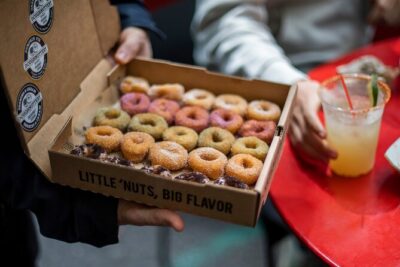
This is also the best moment to do small shopping that you can actually carry. Think quick edible gifts, pantry-friendly items, and souvenirs that do not require extra planning. You can sample baked goods and snacks here during the free time, and that keeps the early part of the tour from feeling like only sightseeing.
Two practical notes you should keep in mind:
- Food and drinks are not included, so treat any snacks as optional.
- There is no guarantee that every food vendor will be operating, so go in ready to pivot if a stall you want is closed.
Even with that, Chelsea Market time is valuable because it gives you a sensory baseline. Once you step back outside, it is easier to understand why this area went from industrial working life to a place where people come to eat, shop, and linger.
Death Avenue and the Meatpacking District stories that connect the dots
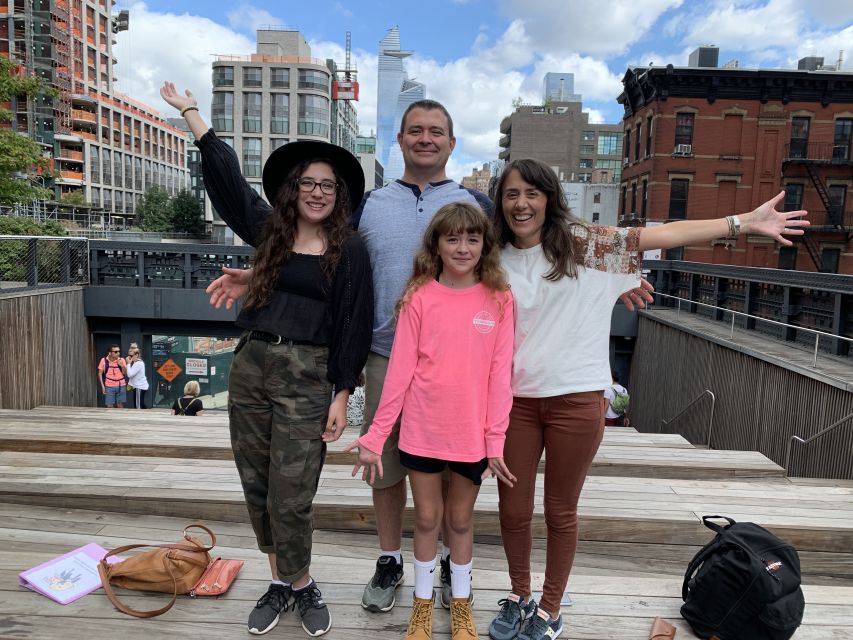
After the market, the tour turns to the neighborhood’s past. The guide explains Death Avenue, which is one of those infamous Meatpacking District labels that people hear about but do not always understand. Here, it is framed through what was happening in the area historically, so it reads less like a scary phrase and more like a clue to the old economy and city logistics.
This is where a guide earns their pay. If you only rely on plaques and guidebooks, you might miss how different parts of the district relate to each other. With a live local guide, you get the why behind the who, like how the blocks and institutions around the area shaped the everyday work and movement of people and goods.
If you care about architecture and urban change, you also get a modern layer right after the darker stories. The tour links old industry patterns to what you see today, including the mix of hotels, boutiques, and nightlife that now define the streets.
The Titanic docking plan (1912) and why the waterfront matters from the High Line
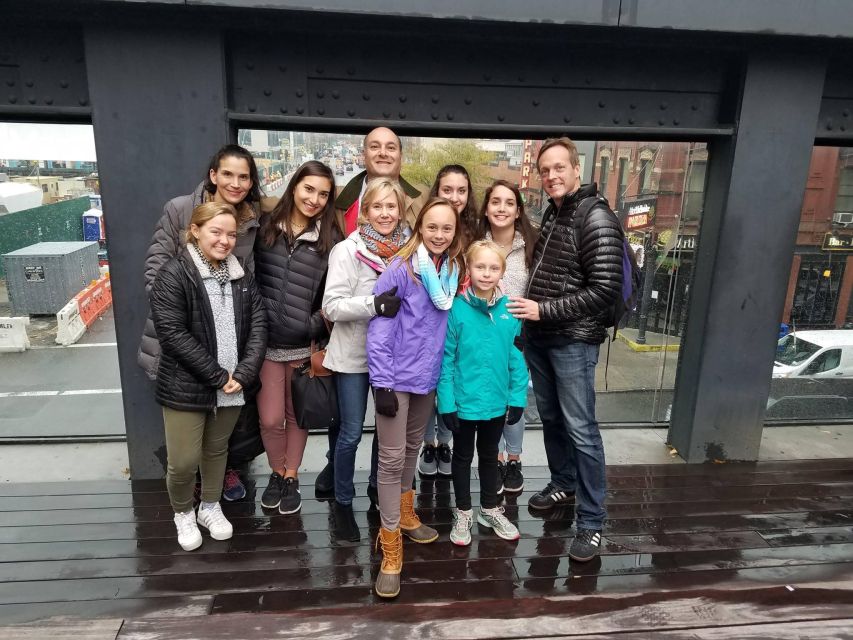
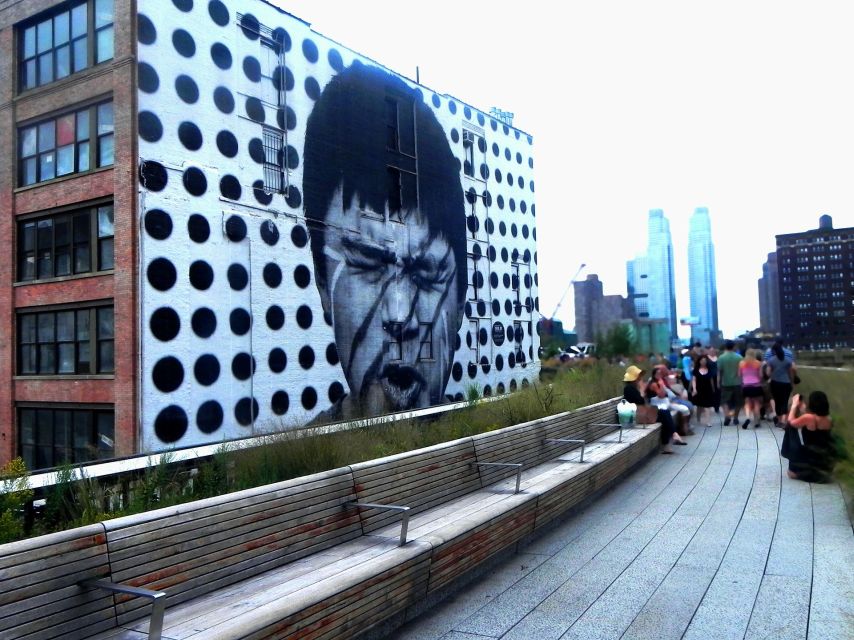
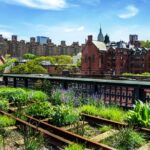
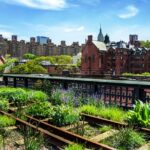
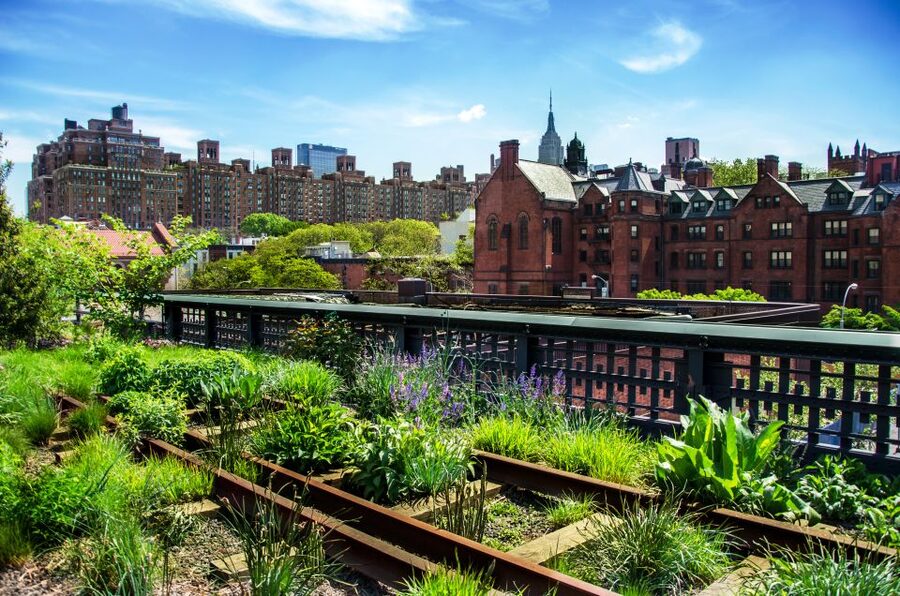
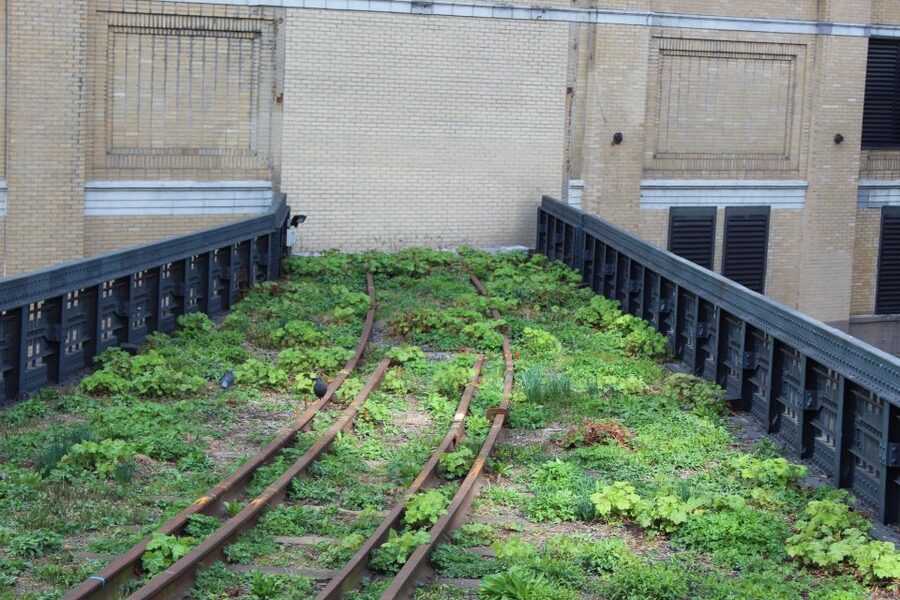
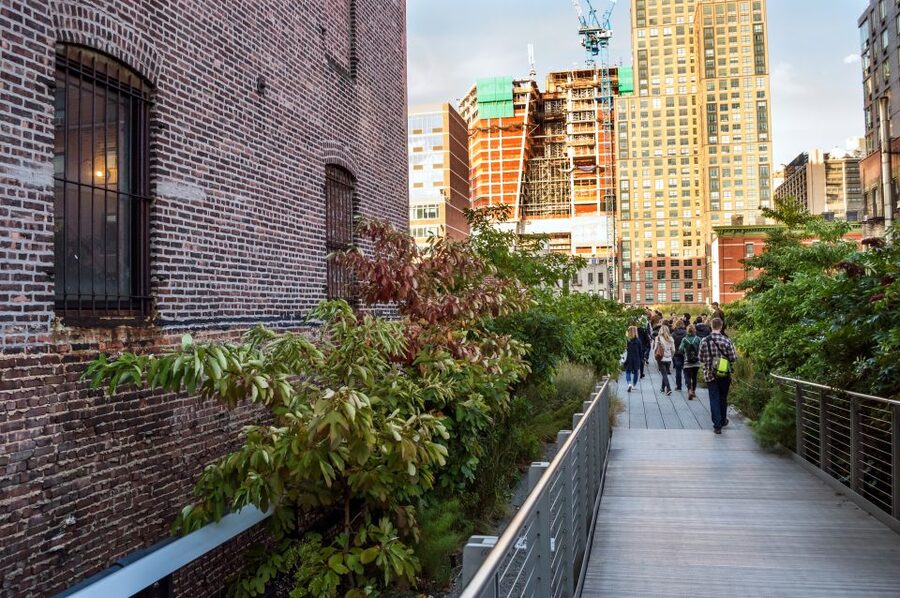
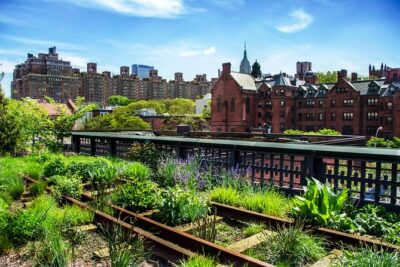
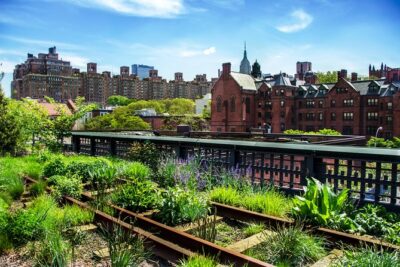
Next comes the High Line, the elevated public park built on a disused New York Central Railroad spur. I like how this part is not treated like a generic walkway. The guide ties the elevated path to what used to happen below it, which helps you picture how transportation worked in another era.
One standout moment is learning where the Titanic was meant to dock in 1912. That detail matters because it makes the harbor feel connected to real planning, not just to museum myths. You start watching for hints of the waterfront’s role in shipping, and you understand why this whole corridor was so important when New York was moving goods and people at a massive scale.
From the High Line you also get fantastic views of Chelsea Piers. If you enjoy photographing water and piers, this is where the tour pays off. You are not just looking up at buildings. You get a horizontal view across the city’s layers, from street life to riverfront infrastructure.
One more thing I appreciate is that the tour includes architecture context as you go. The High Line route gives you sightlines toward the Standard Hotel, including its tall, 18-story presence. That helps you connect what you are seeing to the neighborhood’s current identity.
Walking the High Line: rail spur to park, with weather-aware access
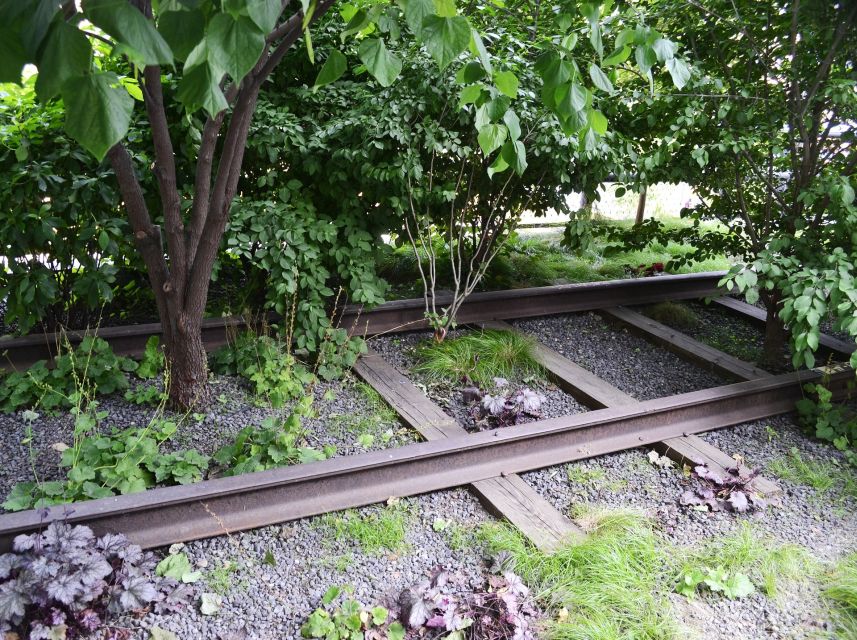
The High Line is the kind of place where you can easily spend hours on your own. This tour keeps it on track by giving you a guided story line, then feeding you the right view moments.
That said, the High Line is weather-dependent. Access is determined by conditions because the park is closed during potentially dangerous weather. So you should expect that the tour could adjust your exact experience depending on what the day brings.
You should also plan for a reasonable amount of walking. Comfortable shoes are a must. The route includes stairs and uneven park paths in places, and you do not want to be thinking about your feet while the guide is pointing out the best angles over Chelsea Piers.
In warmer seasons, the practical move is to bring water or other cold beverages to stay cool. Even though the tour is only 2 hours, the combination of city sun and walking adds up.
More NYC tours and experiences for the shortlist



Back down in the Meatpacking District: hotels, flagship stores, and modern energy
After the High Line visit, you head into the heart of the Meatpacking District again. This is where the tour shifts from “past meets views” to “now meets architecture and nightlife.”
You see the Gansevoort Hotel, and then you walk past high-fashion flagship stores and trendy bars. This part is not trying to convince you that you must shop. It is more like a guided orientation, so you recognize what kind of neighborhood this has become, how quickly it changed, and what the modern streets feel like compared to what you learned earlier.
If you like people-watching, this stretch is fun. The sidewalks here have more personality than many New York shopping blocks because the architecture and the street rhythm feel tied together. And since the tour is small, you can keep your pace while still getting the guide’s context.
If you want to continue after the tour, this is also a good place to do it. You will already know where you are and which direction makes sense based on what you saw from above.
Price and value: what $47 buys you in 2 hours
At $47 per person for a 2-hour small-group tour, this is priced in the “you’re paying for a guide, not just a checklist” category. The value comes from three things you cannot replace easily on your own:
First, the guide connects multiple layers in a short time, from Chelsea Market to Death Avenue to High Line views and then back to modern hotel and store architecture. That story stitching is what turns landmarks into understanding.
Second, you get market time without being locked into a single food stop. You can sample baked goods and snacks if you want, and you can shop if it matches your trip needs. Since food and drinks are not included, it is really about flexibility rather than a packaged tasting menu.
Third, the High Line is one of those places where a guide can point out what to notice. You are paying for that “what you are looking at and why it matters” guidance, especially with details like the Titanic docking plan (1912).
Also worth noting: the tour is limited to 10 participants. Smaller groups typically mean fewer photo bottlenecks and less waiting when the route compresses around the market and the elevated park.
Guide style matters here, and the tour has standout names
This tour has a reputation for guides who explain things clearly. I saw praise tied to guides like Conner, Liz, and Gabi, with comments calling out how friendly and knowledgeable the storytelling felt.
Even if the guide changes by date, the guiding approach is consistent with what you want in New York neighborhoods: keep it understandable, keep it connected to what you see, and make sure you know why the area looks the way it does now.
That matters most during the High Line portion. If you love views but hate vague narration, this is the kind of guided experience that keeps the viewing time purposeful.
Practical advice: shoes, weather, and what to do if a vendor is closed
Bring comfortable shoes. Do not overpack your day with other big walks, because this route is already “some walking” by city standards.
Dress for the weather. Tours operate in most weather conditions, but the High Line access can be limited due to safety closures. If conditions are rough enough to cancel, you get an option to reschedule or receive a full refund, which is a nice safety net.
Plan your snacks like a flexible eater. Food and drinks are not included, and there is no guarantee that food vendors will be operating. That means you should be okay grabbing something quick or simply using the market time to browse and shop.
If you get separated from your group, you are still in an easy area to find your way back to the Chelsea Market meeting point, but the better move is to stay close during transitions, especially when everyone funnels from the market into the streets and then up toward the High Line.
Should you book this Chelsea Market and High Line Meatpacking tour?
Yes, if you want a focused, high-impact introduction to the Meatpacking District in just 2 hours. This is particularly good for you if you:
- like mixing food hall time with architecture and neighborhood storytelling
- want High Line views without having to map everything yourself
- prefer a small group experience where you can hear the guide and still move at a decent pace
- care about specific local history details, like Death Avenue and the Titanic docking plan (1912)
Skip it or reconsider if you are hoping for a full food-and-drink experience included in the price. This tour is more about guided context, skyline views, and quick market sampling on your own terms.
If your schedule is tight and you want to understand the neighborhood fast, this one is a strong bet. Book it, wear good shoes, and treat Chelsea Market as your warm-up before the elevated views do their job.
FAQ
Where does the tour start?
The meeting point is at the corner of 15th Street and 9th Avenue, by Chelsea Market.
How long is the tour?
The tour lasts 2 hours.
How much does it cost?
It costs $47 per person.
Is food and drinks included?
No. Food and drinks are not included, though you do have time inside Chelsea Market to sample baked goods and snacks if you choose.
Is the tour wheelchair accessible?
Yes, the tour is wheelchair accessible.
How large is the group?
It is a small group limited to 10 participants.
What should I bring?
Wear comfortable shoes. In warmer seasons, it’s recommended that you bring water or other cold beverages.
Does the tour run in bad weather?
The tour operates in most weather conditions, but High Line access depends on weather and the park can close during potentially dangerous conditions.
What cancellation options are available?
You can cancel up to 24 hours in advance for a full refund.
More Shopping Tours in New York City

More Tours in New York City





More Tour Reviews in New York City

Not for you? Here's more nearby things to do in New York City we have reviewed




More Markets to consider.
 ★ 5.0Chelsea Market and High Line Guided Food TourTickets from $88827 traveller reviews
 ★ 5.0Foods of NY Tours Chelsea Market Food Tour & High Line ParkTickets from $99141 traveller reviews
 ★ 4.8Chelsea Market, Meatpacking, High Line Food TourTickets from $88123 traveller reviews
 ★ 5.0Semi-Private Meatpacking District, Chelsea Market, and High Line Walking TourTickets from $3988 traveller reviews
 ★ 4.9Chelsea Market & High Line Food & Culture Walking TourTickets from $10552 traveller reviews
 ★ 5.0Private Meatpacking District, Chelsea Market, and The Highline Walking TourTickets from $8032 traveller reviews
 ★ 5.0Market 57 Chelsea Food Tour with Ahoy New York Food ToursTickets from $13017 traveller reviews
 ★ 4.5Pier 57 and Chelsea Market Gourmet Food TourTickets from $10017 traveller reviews
More useful New York routes