
Review · BROADWAY EXPERIENCES
Broadway Theatre District Tour
A street full of theatres can be a blur, fast. This Broadway Theatre District Tour gives you order and meaning, starting at the Majestic Theatre and ending near Circle in the Square, with insider showbiz stories along the way. I especially like the actor-style guidance many guides bring, with practical context about how productions and theatre blocks work, and I also like the clear focus on what makes the area tick, from the Phantom era to why Times Square became the crossroads it is today.
One consideration: you cover a fair bit of walking in a tight Midtown grid, and access to lobbies or backstage areas is not guaranteed.
Key points

- Majestic Theatre start, where Phantom of the Opera set the tone for what opened next
- Sardi’s stop for the kind of history you remember, not just dates you forget
- 45th Street theatre row coverage, including a long list of famous houses on one route
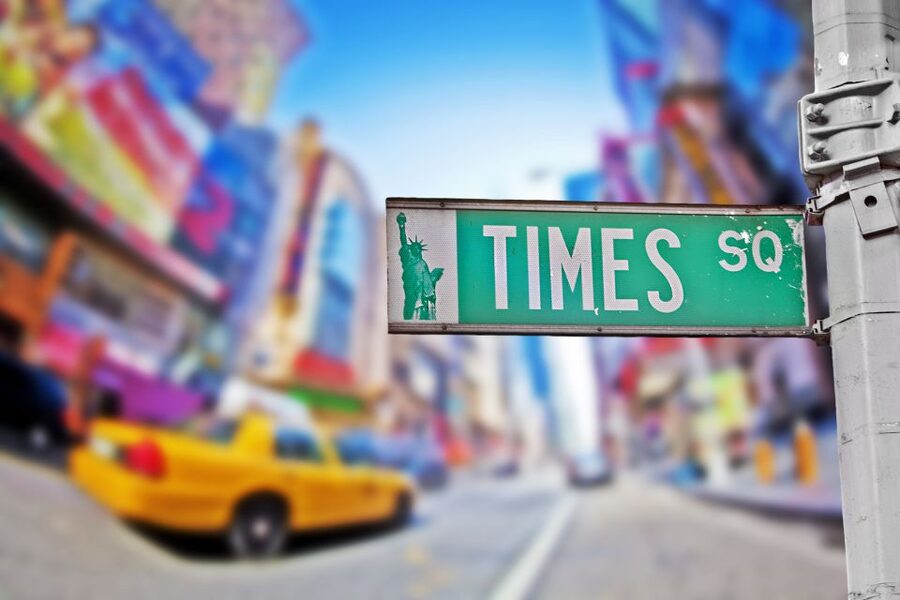
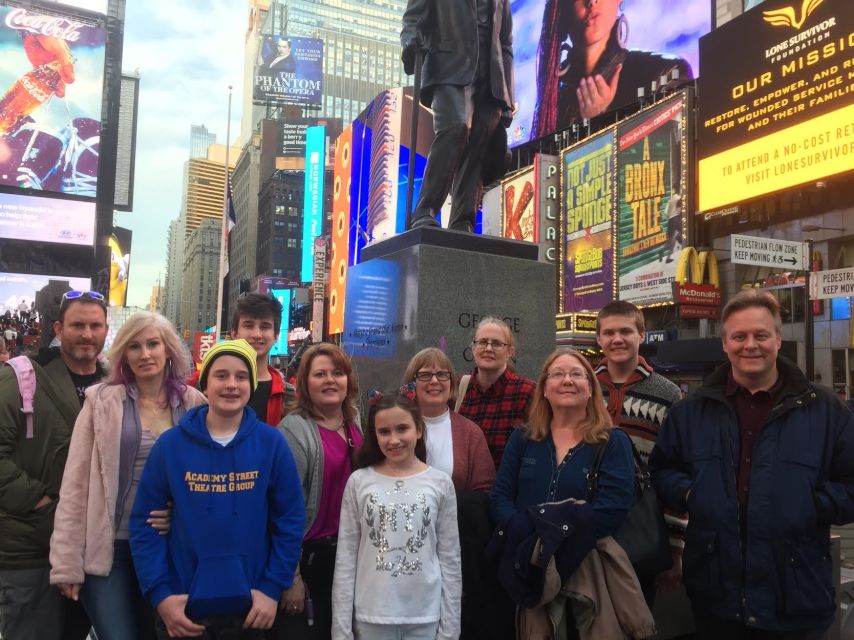
- Times Square context at Duffy Square, tying the neighborhood’s story to its modern popularity
- A mix of Broadway and Off-Broadway, including New World Stages
- Small group size, limited to 10, so the guide can keep the stories flowing
Starting at the Majestic Theatre, Phantom of the Opera memories
You kick off right in front of the Majestic Theatre, the home of The Phantom of the Opera today. Your guide sets the stage by talking about the mega-musical living there now, then zooms out to how other famous shows found their way into this space. If you’re the type who likes to understand why certain theatres gained reputations, this first stop does that work for you.
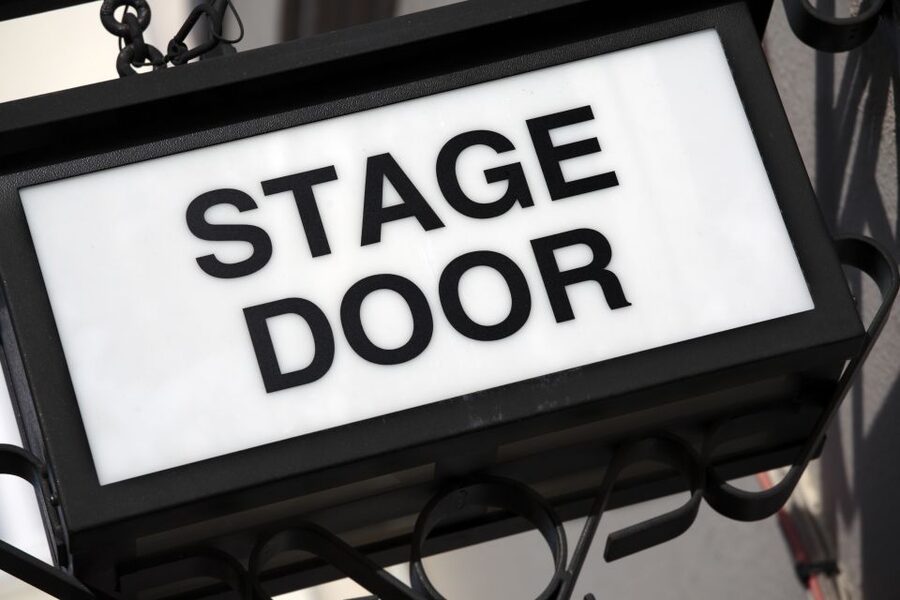
The great value here is orientation. Midtown is visually loud, but a guided route gives your brain something to hold onto. You’re not just ticking off buildings, you’re learning how the shows, the stage-door culture, and the theatre district’s rhythm all connect.
One small downside is also present from the start: it is a walking tour, so comfortable shoes matter right away.
You can also read our reviews of more tours and experiences in New York City.



St. James, Broadhurst, and the “theatre district watering hole” stop at Sardi’s
From the Majestic, the tour moves along the corridor of famous venues, including the St. James Theatre and Broadhurst Theatre. These stops are less about lingering and more about building connections, the way theatre streets often work when multiple big productions share the same few blocks.
Then comes Sardi’s, the well-known watering hole for theatre people. This is where the stories shift from theatre architecture to theatre culture. You’ll hear about why this particular spot became a social hub for the district, and that context makes the place feel less like a random restaurant and more like part of the showbiz ecosystem.
If you like learning the human side of entertainment, this is one of the most satisfying moments. You get history, but it’s the kind that explains behavior, not just dates.
Shubert Alley and the Shubert organization, where theatre gets practical
Next you head into Shubert Alley, one of those Midtown lanes that instantly feels like backstage energy without being behind any curtain. The guide discusses the Shubert Theatre and the Shubert organization’s role, which helps you understand why some theatre brands became so influential.
I like this part because it answers a question many visitors never ask: how do theatres become part of an entertainment system, not just individual buildings? When the tour frames the Shuberts as operators with reach, you start noticing patterns in where and how shows choose venues.
Because the group is small, the guide can usually keep the momentum going without rushing you too hard. Still, it is an active route, so plan on moving steadily.
45th Street theatre row, seeing eight famous houses without getting lost
Once you turn onto 45th Street, the tour really earns its nickname as a theatre mecca. In the span of the walk, you’re shown a string of major venues, including the Booth, Minskoff, Schoenfeld, Jacobs, Golden, Hirschfeld, Imperial, and Music Box Theatres.
The value isn’t memorizing every marquee detail. It’s learning the “why this block matters” idea. This stretch is where Broadway’s big-brand footprint feels most concentrated, and hearing the guide’s explanations while you’re literally standing there makes it stick.
A practical note: these are exterior viewing moments, so if you were hoping for deep lobby access, don’t count on it. Backstage and lobby access is not guaranteed.
Marriott Marquis and the Marquis Theatre, a hotel with a story
A memorable detour happens at the Marriott Marquis Hotel and then the nearby Marquis Theatre. The tour discusses the hotel’s history and what used to be where it now stands, which turns a landmark you might otherwise ignore into something you can place in the district’s evolution.
This stop is a good reminder that Broadway isn’t frozen in time. Midtown changes constantly, and buildings get replaced, repurposed, or rebranded. When the guide ties that change back to theatre culture, it helps you see the district as a living business.
If you’re a fan of urban history, you’ll probably enjoy how the guide connects property and theatre choices in plain language.





Richard Rogers Theatre for Hamilton and the Lunt-Fontanne Theatre
Then you head to the Richard Rogers Theatre, where Hamilton performs, described as a Pulitzer Prize smash hit. This is the moment the tour name-checks one of today’s biggest draws, but it doesn’t treat it like trivia. You’ll hear discussion that situates the production within the modern theatre landscape, and you get the sense of why this venue in particular became a powerful stage for it.
After that, the route moves on to the Lunt-Fontanne Theatre. Even when you are not stepping inside, the guide’s commentary helps you connect it to the broader Broadway lineup around it. Theatres cluster because audiences and production schedules cluster, and the guide keeps that logic clear.
If you’re thinking of what to see later in your trip, this part can be useful. You start to understand what kind of production tends to live in what kind of house.
Duffy Square as the heart of Times Square, plus the Palace Theatre northward
The tour then lands at Duffy Square, described as the heart of Times Square. Here, the focus shifts from individual theatres to the neighborhood-level story: how this area became the crossroads of the world. That explanation matters because Times Square can feel like a theme park if you only experience it at night. With context, you get why it became central in the first place.
After Duffy Square, you visit the Palace Theatre. This stop works best if you like theatrical tradition, because it adds another layer to the tour’s bigger message: Broadway is not just a set of stages, it is an engine that draws the city in.
If you’re sensitive to crowds, plan your timing. Duffy Square is busy on most days, and the tour moves through it as part of the full route rather than slowing for long photo breaks.
Heading toward Hell’s Kitchen: Edison Hotel, Barrymore, and more
Next you go north with a stop at the Edison Hotel and the Barrymore Theatre. This stretch includes discussion of Hell’s Kitchen history, and it’s a smart addition because it prevents the tour from feeling like it only belongs to theatre lovers with blinders on. Midtown entertainment sits inside a real neighborhood story.
You’ll also get to walk past more major venues, including the Walter Kerr Theatre and the Eugene O’Neill Theatre. Even if you do not know every production, seeing the names in sequence helps you learn the map. That makes it easier later when you read show listings and start planning your evening.
This is also where a guide’s personality really shows. Guides like Patrick, an actor himself, have a way of making current and former productions feel connected rather than randomly scattered.
Chicago at the Ambassador and Off-Broadway at New World Stages
The tour continues past the Ambassador Theatre, home to Chicago. It’s another modern powerhouse stop, and it’s helpful to have a guide connect it to the wider Broadway ecosystem so you see it as part of a pattern, not a single success story.
Then the route turns toward New World Stages, where you learn about Off-Broadway theatre. This matters because many visitors think of theatre as only Broadway. Off-Broadway has its own identity, and placing it on the same tour as Broadway helps you make better choices for what to buy when tickets are tight.
If you want a plan for your future evenings in New York, this is one of the most practical sections. You’ll walk away with clearer categories, which makes last-minute ticket decisions less stressful.
Ending at Circle in the Square and the Gershwin Theatre for Wicked
You finish in front of Circle in the Square and then the Gershwin Theatre, home of Wicked. Ending here works because it gives you a final, high-recognition anchor. If you have seen any of these titles before, you get a satisfying “full circle” feeling as the tour connects the district’s modern megahits with the broader touring logic of Midtown.
Just as importantly, the ending spot leaves you close to more theatre options and dining in the area. After a guided walk, that last connection helps you keep the day moving without feeling stranded.
Price and scheduling, a solid two-hour way to learn the district
At $39 per person for a 2-hour small-group tour, the value is mostly in the human guidance. This is not a museum ticket where the value comes from an object behind glass. You’re paying for orientation, storytelling, and practical context you can take straight into deciding what show to see.
The tour is limited to 10 participants, and that small size usually helps the guide keep the pace lively without turning the group into a line of silent heads. It also helps the guide answer questions or add extra perspective when the topic is relevant.
If you only have a short window in Midtown, this is one of the best ways to get your bearings fast. You also avoid the common trap of reading a theatre map while standing in the middle of Times Square chaos, which is its own kind of test.
What to wear, walking realities, and weather rules you can plan around
The tour operates in all weather conditions, so you should dress for rain or shine. Bring a face mask or protective covering, and wear comfortable shoes because there is a decent amount of walking.
During warmer periods, it’s recommended to bring water or other cold beverages. That sounds basic, but it’s worth treating seriously. Midtown heat plus a schedule with minimal breaks can sneak up on you.
Backstage and lobby access is not guaranteed, so plan your expectations around exterior viewing and guided storytelling rather than hoping for controlled entry.
Who this tour suits best in Midtown
This tour is a good match if you like plays and musicals and you want the business side explained in real terms. The best reviews emphasize how engaging the guides are, especially when they have performing experience, like guides such as Patrick and Luke.
It’s also a smart fit if you’re not sure what to do with your limited time in New York. The route covers a broad sweep: classic Broadway stages, Times Square context, and an Off-Broadway stop at New World Stages. That mix helps you understand how the district is organized without needing to research for hours.
If you prefer a slow sightseeing pace with minimal walking, you might find the route demanding. In that case, you’d likely be happier with a shorter segment or a lighter day plan around theatres.
Should you book the Broadway Theatre District Tour?
I’d book it if you want theatre context, not just a list of famous names. The guide-led stories, including insider theatre-business talk, plus the small-group size, make the two hours feel purposeful rather than rushed.
I’d think twice if you want guaranteed indoor access or backstage entry. This is about seeing and learning through the neighborhood, and the walking is part of the deal.
If you’re in Midtown for a day or two, and you plan to see at least one show, this tour is a strong way to make the rest of your trip easier. You’ll leave with a mental map, a better sense of why Times Square became what it is, and clearer ideas about what Broadway and Off-Broadway feel like in the real city.
FAQ
Where does the tour start?
It starts in front of the Majestic Theatre, home of The Phantom of the Opera.
How long is the Broadway Theatre District Tour?
The tour runs for 2 hours.
How much does the tour cost?
The price is $39 per person.
How big is the group?
It’s a small group, limited to 10 participants.
What language is the tour guide?
The tour is in English.
Is the tour canceled for bad weather?
It operates in all weather conditions. If it’s canceled due to poor weather, you’ll be offered an alternative date or a full refund.
What should I bring and wear?
Bring comfortable shoes and a face mask or protective covering. The tour includes a decent amount of walking, so plan for that.
Are backstage or lobby areas included?
Backstage and lobby access are not guaranteed.
Is there anything that is not allowed on the tour?
Pets, weapons or sharp objects, oversize luggage, and luggage or large bags are not allowed.
More Tours in New York City




More Tour Reviews in New York City
Not for you? Here's more nearby things to do in New York City we have reviewed










More Broadway Experiences to consider.
 ★ 4.8Aladdin the Musical on BroadwayTickets from $831,800 traveller reviews
 The Lion King on Broadway1,609 traveller reviews
 MJ the Musical on Broadway1,510 traveller reviews
 Moulin Rouge! the Musical on Broadway1,329 traveller reviews
 Harry Potter and the Cursed Child on Broadway700 traveller reviews
 Chicago the Musical on Broadway687 traveller reviews
 ★ 5.0Broadway and Times Square Insider Tour with Theater ProfessionalTickets from $39651 traveller reviews
 ★ 4.5The Lion King On Broadway TicketTickets from $143649 traveller reviews
More useful New York routes