
Review · NEW YORK CITY TOURS
New York City: Pride Walking Tour
Christopher Street has gravity, even if you only have an hour. This New York City Pride Walking Tour takes you straight to the places tied to the Stonewall era, plus the meeting spots, signs, and landmarks that helped shape Pride as we know it. It is a focused, story-led walk built for people who want meaning, not just photos.
I especially like how the tour starts in Christopher Park, because it gives you the context first, including the unjust treatment that preceded the Stonewall Uprising in 1969. I also love the route’s variety, from the Stonewall Inn area to the Oscar Wilde Memorial Bookshop site and the LGBTQ bars along the way. It makes the history feel grounded in real streets.
One thing to consider is that this is still a walking and standing tour. You’ll be on your feet for about 1 and a half hours, so it may not work well if you struggle with mobility or long standing, even though the activity is listed as wheelchair accessible.
Key Stops and What Makes Them Special
- Christopher Park sets the tone, tying LGBTQ significance to a specific National Register location
- Stonewall Inn is treated as the story center, with the uprising and its lead-up explained
- Oscar Wilde Memorial Bookshop brings a different layer, the people and ideas behind the landmarks
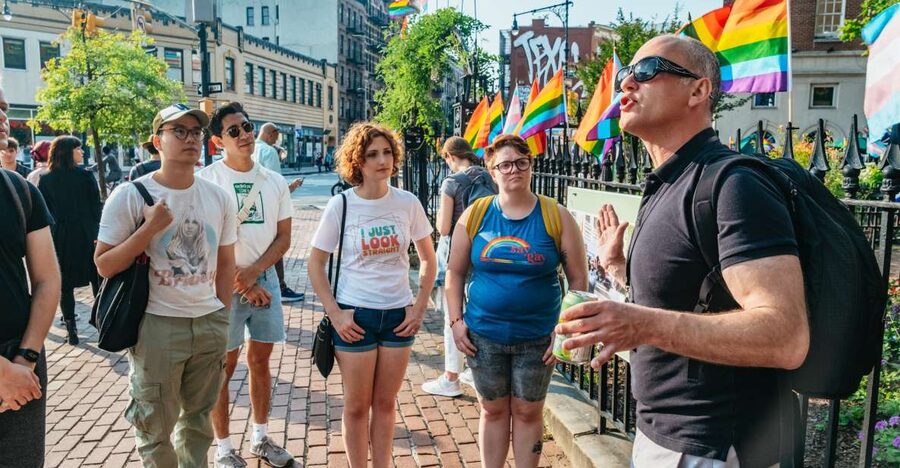
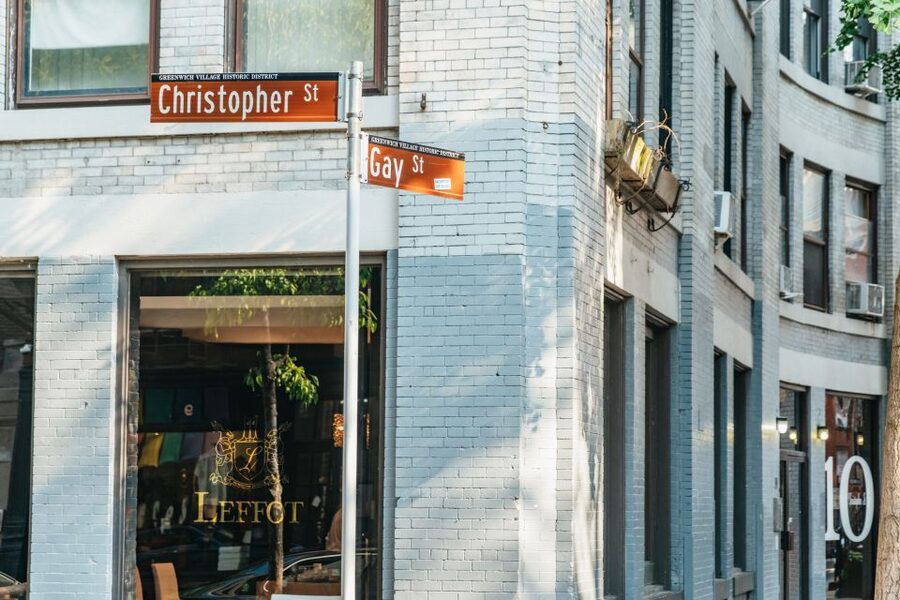
- Gay Street sign, Pride Flag, and first Pride March location connect street names to Pride’s origins
- Julius, Fedora, and Marie’s Crisis show how bars functioned as community meeting places
- Christopher Park finish makes it easy to continue exploring nearby afterward
Christopher Street Matters, and This Tour Puts It in Order
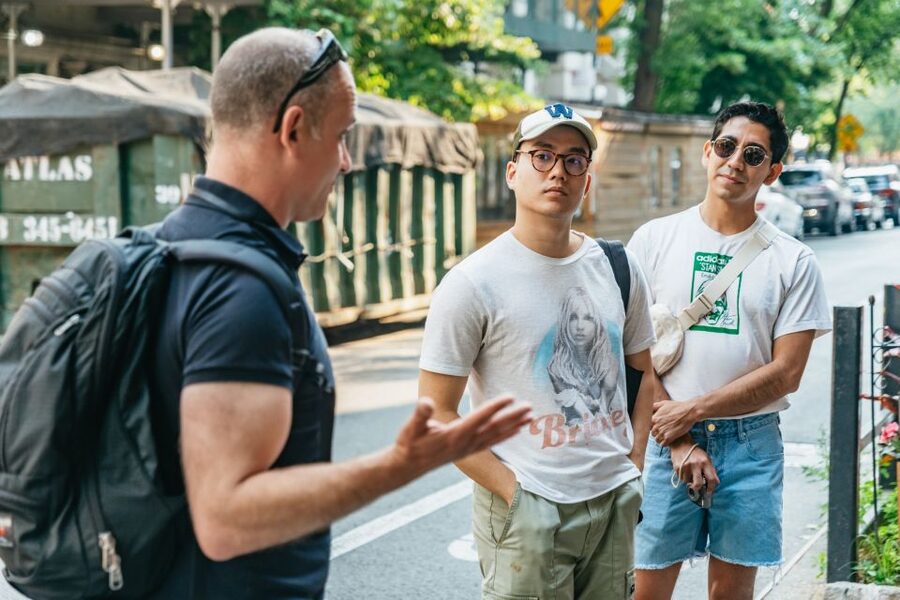
If you are looking for a quick way to understand why this corner of Manhattan is so important to LGBTQ Pride, this tour is set up well. It starts by anchoring you in Christopher Park, then moves outward toward the sites most people associate with the Stonewall story.
What I like is the pacing of the narrative. You get the idea first, then you see the places. That order matters because it turns a list of landmarks into a connected timeline of public life, harassment, and community response.
You can also read our reviews of more walking tours in New York City



Price and Timing: 75 Minutes Covers the Core Places
The cost is $30 per person for a 75-minute guided walk. That price makes sense for New York, especially because you are paying for live interpretation of several specific, meaningful locations rather than just wandering around on your own.
This is also a good length for people who feel busy or jet-lagged. You can do it without needing half a day, and you finish back at Christopher Park, which is convenient if you plan to grab coffee or continue walking after.
The practical note is the walking time. Expect to walk and/or stand for about 1 and a half hours, and bring comfortable shoes and clothes. If you know you hate standing still, pick a time slot that fits your energy level.
Meeting at Christopher Park, West 4th Street (Easy to Find)
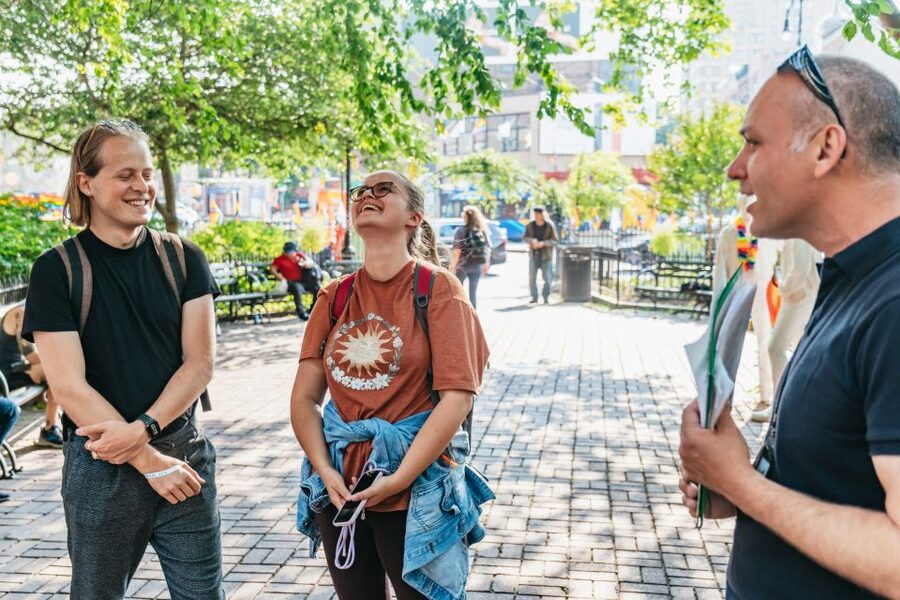
You meet at the entrance to Christopher Park at West 4th Street, between 7th Avenue South and Grove Street. Check-in is there, and the tour begins with an overview before you move.
I like meeting in a park because it gives you a mental reset. You are not starting with traffic noise or hunting for details. You also get a clear starting point that is easy to locate, which cuts down on stress on a busy NYC day.
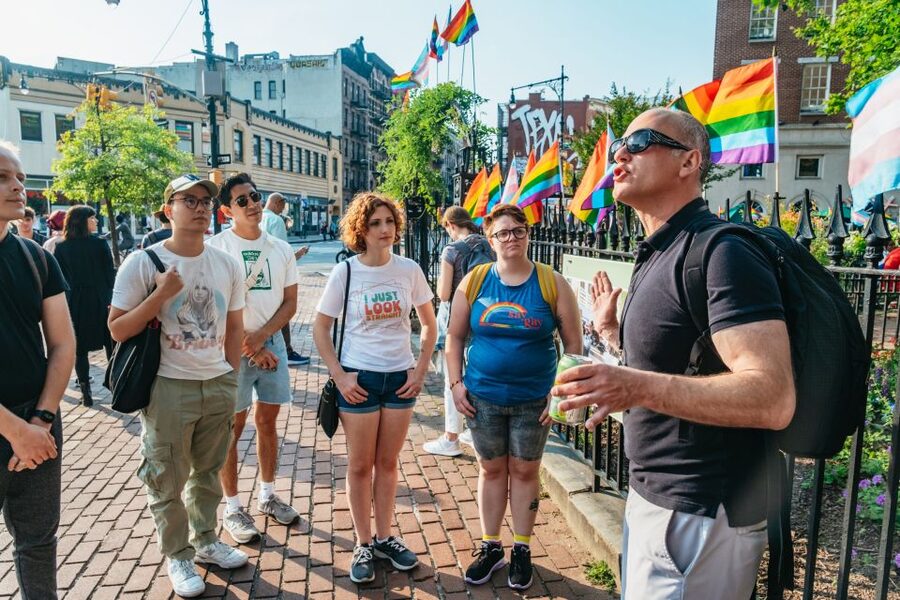
Once everyone is gathered, your guide sets the scene and explains why this exact location matters to the LGBTQ Pride story.
Christopher Park First: The Lead-Up and Why People Fought Back

Christopher Park is more than a pleasant stop. It is one of the National Register of Historic Places locations recognized for LGBTQ significance, so the guide can frame it as part of the public geography of Pride history.
In this opening segment, you learn about how unjust treatment of LGBTQ community members shaped daily life leading up to the Stonewall Uprising in 1969. That background is what makes the rest of the walk click, because Stonewall was not a sudden rumor or surprise. It came out of pressure, fear, and repeated unfairness.
If you care about understanding more than the headline moments, this is where the tour pays off.
Stonewall Inn: The Story Center of the Neighborhood
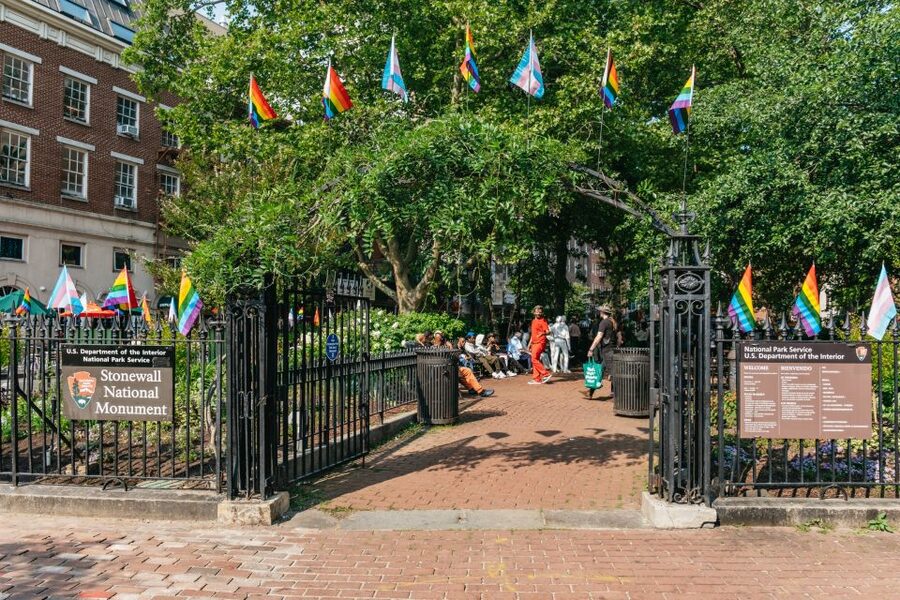
From Christopher Park, the tour moves to the Stonewall Inn area. This is the stop most people have heard of, but the value here is how your guide connects the place to the uprising and the larger Pride movement that followed.
You will hear the story in a way that helps you picture what it meant in that moment, not just why it became famous later. The guide also puts it into context, so you understand why this location became a symbol people returned to again and again.
This is also one of those “stand and look around” moments. Even if you know the broad story already, standing in the location where history happened adds weight.
You can also read our reviews of more city tours in New York City






Oscar Wilde Memorial Bookshop: A Different Kind of Pride Landmark
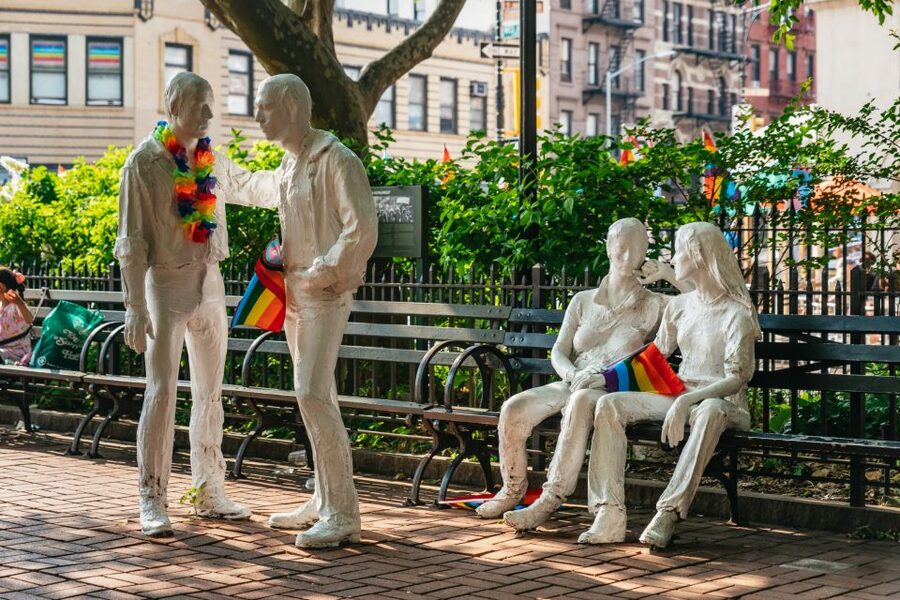
Next comes the site of the original Oscar Wilde Memorial Bookshop. This stop is important because it shifts the focus from one night in 1969 to the steady work of visibility, ideas, and community-building that followed.
You learn why the bookshop mattered and the story of its founder. That founder story gives you a human thread to hold onto. It is easier to remember what you see when you also know who worked to make that space possible.
If you like LGBTQ history that includes culture and activism, this stop is a highlight. It reminds you that Pride is not only about protests. It is also about creating places where people can exist openly and share information.
Gay Street, the Pride Flag, and the First Pride March Location
After the bookshop stop, the tour includes the Gay Street sign and explains the coincidental story behind its naming. It sounds like a small detail, but I like it because it shows how the neighborhood’s identity evolved in real time, through names, signage, and local stories.
Then you visit the Pride Flag and the site connected to the first Pride March. This is the part of the tour that makes Pride feel less like a generic annual event and more like a specific beginning with a place and a reason.
Even if you have seen Pride flags all over NYC, hearing what this particular location represents gives the symbol more meaning. It turns a familiar icon into a point on a map.
LGBTQ Bars Along the Route: Julius, Fedora, and Marie’s Crisis
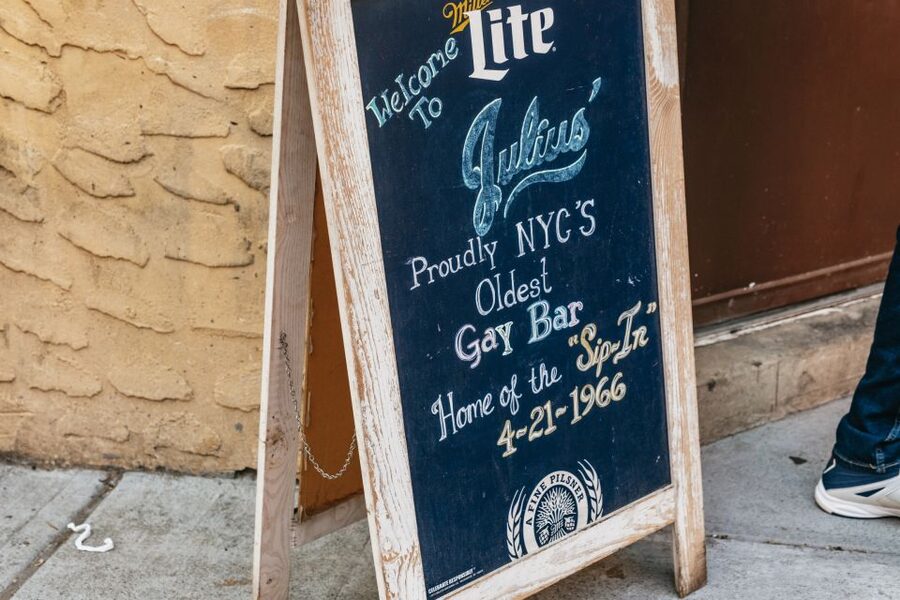
One of the most practical and human parts of the tour is the segment that focuses on LGBTQ bars, including Julius, Fedora, and Marie’s Crisis. Your guide explains how these bars and meeting places mattered to community life.
This is where the tour becomes social history, not only political history. Bars are where people found each other, shared news, built support networks, and made the city feel less dangerous. When you understand that role, the storefronts start to feel like more than just places to drink.
You also get a sense of continuity. Even after major events like Stonewall, community energy did not disappear. It moved into regular life, into the routine of finding friends and belonging.
The tour ends back at Christopher Park, so you can continue the day without having to navigate to a distant drop-off.
What You Learn Most (Beyond the Big Names)

The route is built around several high-recognition sites, but the real payoff is how your guide ties them together. You leave with a stronger sense of how LGBTQ Pride grew from lived experience, not just from one famous location.
A lot of people also appreciate the way guides deliver the stories. One guide, Joe, is specifically mentioned for being friendly and making people feel included in the history, with a pace that helps the time feel like it goes quickly.
This matters because Pride history can feel heavy. A good guide makes it understandable, with enough clarity to keep you engaged without glossing over the unfairness.
Who This Tour Fits Best, and Who Should Rethink It
This is a strong fit if you want a short, guided walk focused on key Pride-related locations in one neighborhood. It also works well if you are LGBTQ, an ally, or simply someone who wants to understand why these streets matter.
It can also be a good choice if you have limited time in NYC. Seventy-five minutes is long enough for context, and short enough to add on to another plan the same day.
If you have mobility concerns, pay attention. The activity is described as wheelchair accessible, but it also notes that guests should be able to walk and/or stand for about 1 and a half hours. If you cannot manage that, you may want a different format.
Should You Book the NYC Pride Walking Tour? My Take
Yes, I think you should book this tour if you want the most direct route through the neighborhood’s Pride history. For $30, you get a live guide, an orderly story path, and a concentration of major locations without the hassle of planning.
Book it when you care about meaning. If your goal is only to grab a few photos and move on, you might not feel you get your money’s worth. But if you like understanding why a place matters, this tour is built for you.
Go in wearing comfortable shoes, give yourself enough energy for about 1 and a half hours on your feet, and you will come away with a map in your head, not just a set of sights.
FAQ
Where does the Pride walking tour meet?
Meet at the entrance to Christopher Park on West 4th Street, between 7th Avenue South and Grove Street.
How long is the tour?
The tour lasts about 75 minutes.
How much does it cost?
It costs $30 per person.
Is the tour guided in English?
Yes, it is a live guided tour in English.
What are the main places you visit?
You’ll visit Christopher Park, the Stonewall Inn area, the site of the original Oscar Wilde Memorial Bookshop, the Gay Street sign, the Pride Flag, the location of the first Pride March, and LGBTQ bars including Julius, Fedora, and Marie’s Crisis.
Is it suitable for people who need less walking?
The tour is designed for guests who can walk and/or stand for about 1 and a half hours, so it may not be suitable if you need more frequent breaks or cannot stand/walk that long.
Is the tour wheelchair accessible?
The activity is listed as wheelchair accessible, but it still requires guests to walk and/or stand for about 1 and a half hours.
Are infants included, and is there a child discount?
Infants 2 years of age and under get free admission.
What if my plans change?
You can cancel up to 24 hours in advance for a full refund.
Can I book now and pay later?
Yes, you can reserve now & pay later.
More Walking Tours in New York City


More Tours in New York City





More Tour Reviews in New York City


Not for you? Here's more nearby things to do in New York City we have reviewed











More New York City Tours to consider.
 ★ 4.7SUMMIT One Vanderbilt TicketsTickets from $4751,195 traveller reviews
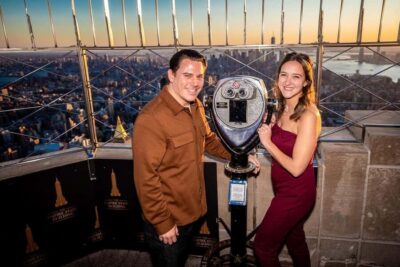 ★ 4.7Empire State Building Tickets – Observatory & MuseumTickets from $4725,757 traveller reviews
 ★ 4.6Statue of Liberty & Ellis Island with FerryTickets from $1918,683 traveller reviews
 ★ 4.5American Museum of Natural History TicketTickets from $3715,447 traveller reviews
 ★ 5.0New York in One Day Guided Sightseeing TourTickets from $9913,166 traveller reviews
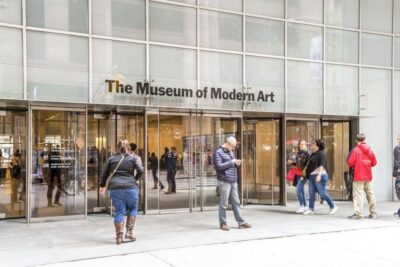 ★ 4.6Museum of Modern Art (MoMA) Entry TicketTickets from $3012,540 traveller reviews
 ★ 4.7One World Observatory Skip-the-Line TicketTickets from $3012,329 traveller reviews
 ★ 4.7New York CityPASS®: Save up to 41% at 5 Top AttractionsTickets from $15410,548 traveller reviews
More useful New York routes