
Review · NEW YORK CITY TOURS
Brooklyn: Discover Hidden NYC Subway Secrets – Private
Subway secrets run under Brooklyn streets. This private tour with licensed guide and certified urban planner Rayn Riel takes you beyond the usual station hop, showing how the system was built and how the city’s design choices still show up today. I especially loved the view from Smith-9 St looking toward the Gowanus Canal, like you can see the borough’s geography arguing with the rail lines.
Two things I liked a lot: the chance to spot abandoned stations and platforms hidden in plain sight, and the way Rayn ties what you see to real transit decisions from the early 1900s. One thing to consider is that you will walk up and down steps in an underground environment, so comfortable shoes are not optional.
Key takeaways before you go
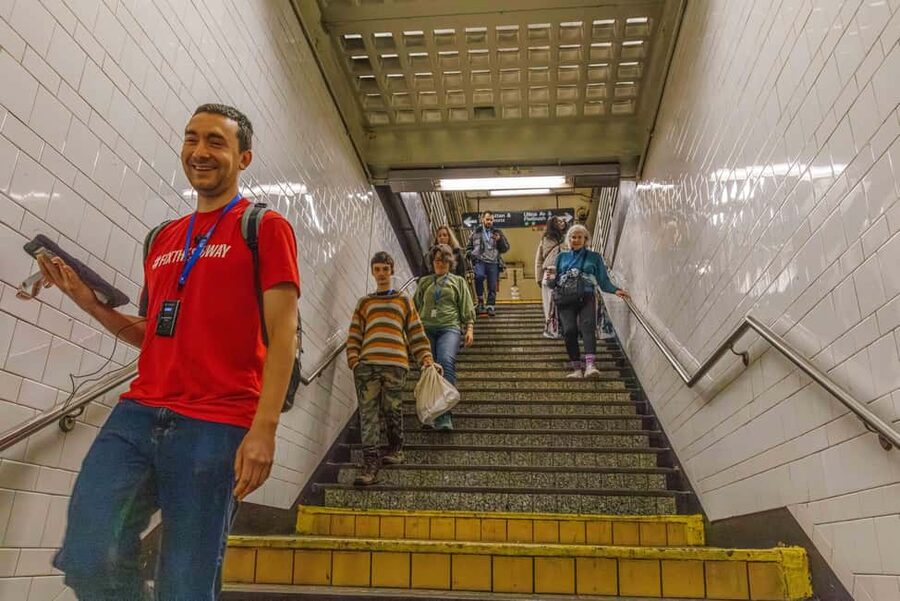
- Rayn Riel, certified urban planner and former MTA professional, explains the why behind station layouts and design choices
- You ride multiple subway lines during the 2-hour route, touching the IRT, BMT, and IND legacy
- Abandoned infrastructure like the Nevins St lower level appears right where you would never expect it
- Public art and architecture get translated into plain language, so it feels less like decoration and more like evidence
- The tour includes a Michael Jackson Bad moonwalk spot, with time to try it
A Private Subway Safari With Rayn Riel
Brooklyn’s subway is not just a way to get somewhere. It is a living archive of engineering choices, political priorities, and neighborhood evolution, all stacked underground. This tour is built around that idea, with Rayn Riel leading you through the layers you normally rush past.
Rayn is a licensed NYC tour guide and a certified urban planner, and he brings a planner’s mindset to everything from station placement to track geometry. In the group, he keeps the energy friendly and focused, and you can tell he is used to turning technical topics into stuff you can actually picture.
The experience is private, priced per group (up to 15 people), which matters if you want a calm, guided walk without squeezing into a big crowd. It is also time-efficient: you get a structured path that still feels like you are discovering it in real time.
You can also read our reviews of more private tours in New York City


Where It Starts: 50 Court St and an Easy Underground Mindset
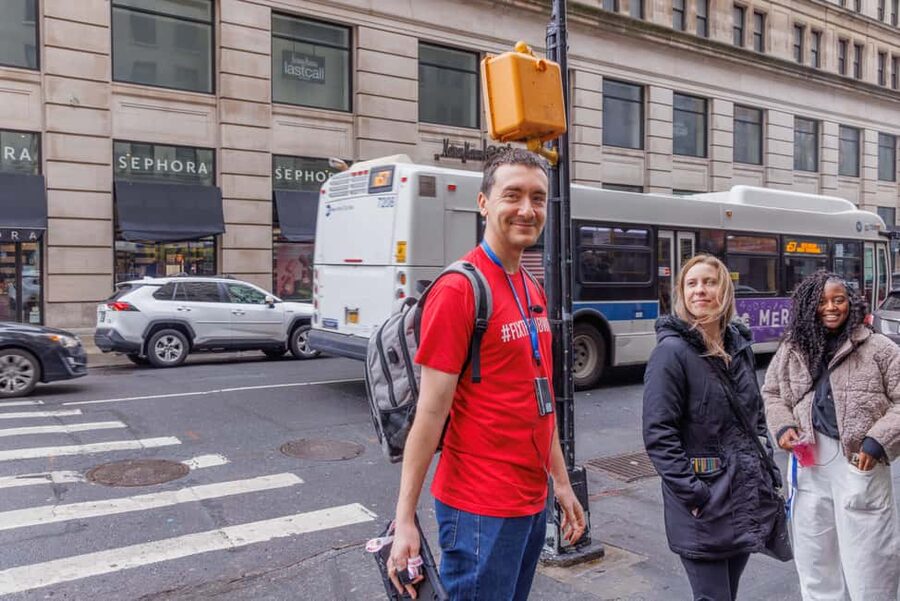
You meet outside Starbucks at 50 Court Street, in Downtown Brooklyn. It is a simple starting point, and it helps that the tour begins in daylight before you disappear underground. Once you’re in, Rayn sets expectations clearly: you are moving through public station areas, and you are going to navigate stairs.
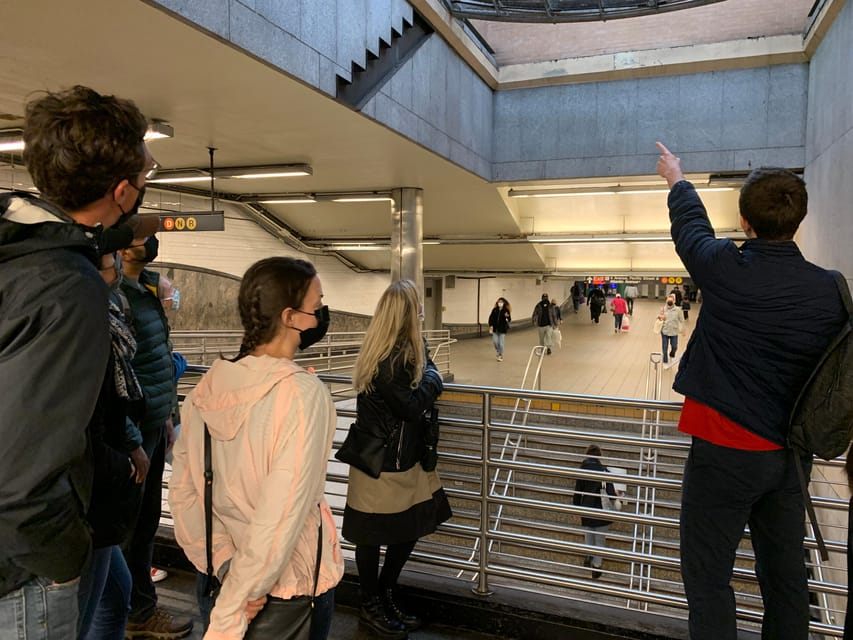
Ear pieces are included, which is a big deal in a subway setting. Even if you are standing a bit back, you still catch the story. That is part of the value here. This is not you wandering and hoping to understand what you’re looking at. The guide is feeding you the meaning, step by step.
Also, this tour is not a “sit and listen” plan. It is walking, including up and down steps, which gives you real exercise without turning into a marathon.
Downtown Brooklyn Route: Riding Lines That Explain NYC’s Subway DNA
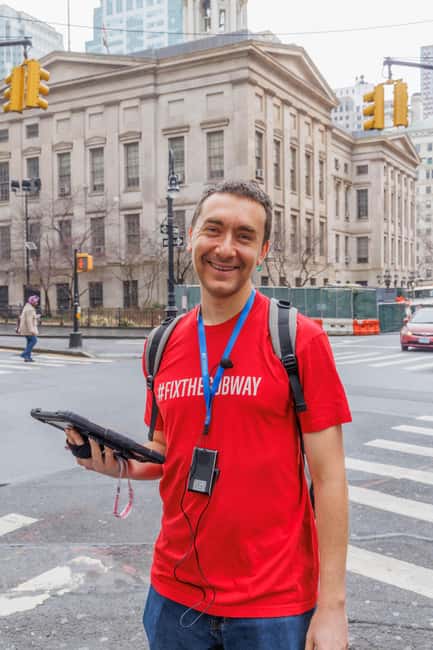
One of the most satisfying parts is that you do not just look at one line. You ride a mix, including the 4/5, D, G, F, and R. Rayn uses that route to show you the system’s building blocks, including the legacy of the IRT, BMT, and IND.
That might sound abstract, but on the ground it becomes visual. Different lines and stations reflect different construction eras and priorities. Even when the signage is familiar, the underlying setup can look different, and Rayn points out what those differences mean.
You will also hear why the subway had to be built underground in the early 20th century, not just that it happened. The story connects to how New York solves problems like congestion, street space, and the need to move people efficiently. The result is that the subway feels less like a mystery box and more like a design project with tradeoffs you can actually see.
The Smith-9 St Moment and the Gowanus Canal View Below
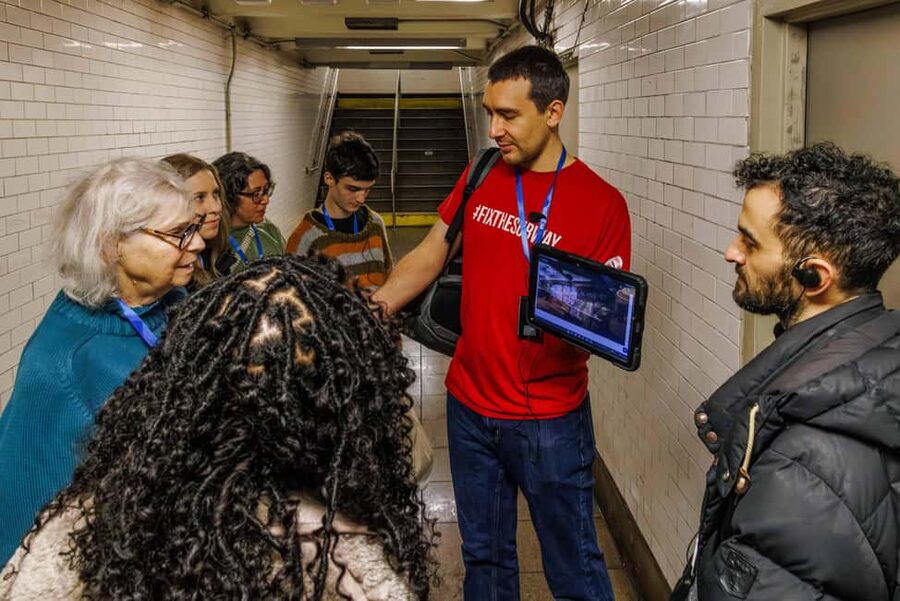
If you like scenes that feel slightly impossible, this is the stop. From the Smith-9 St area, Rayn helps you look down toward the Gowanus Canal. It’s one of those moments where the subway stops being “inside a building” and becomes part of the borough’s physical layout.
What I like about this kind of view is that it makes the city feel connected. You start to understand that tracks are not floating trivia. They are tied to the waterfront, to the street grid, and to the geography the city had long before the rails showed up.
Rayn also uses this vantage to steer your attention. He does not just say, “Look over there.” He frames what you should notice, so you leave with at least a few mental images you can reuse later when you ride on your own.
Abandoned Stations and Nevins St Lower Level: The Stuff You Notice Only When Someone Shows You
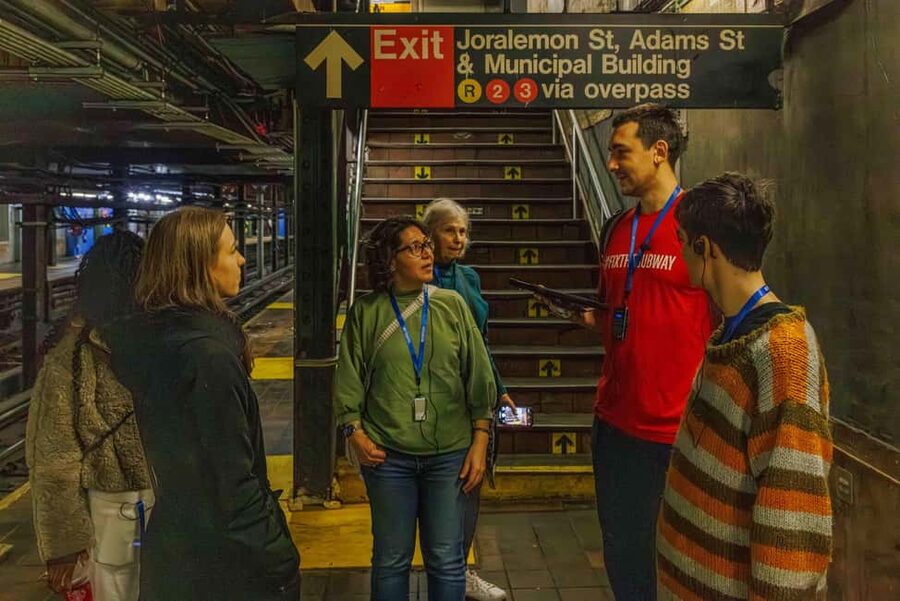
This is the “wait, what is that?” part. A major highlight is peeks at abandoned stations and platforms hidden in plain sight. You are not being led into restricted areas, but you can still see remnants and clues that most riders never catch.
One standout is Nevins St lower level. The name alone sounds like trivia, but the way Rayn explains it turns it into a story about shifting routes and changing demand. You learn why certain parts went unused, and how those leftovers still mark the path the system used to take.
The best way to think about this segment is as urban archaeology with safety rules. You are not hunting. You are observing with context. That is what makes it more than spooky tourism. You understand the logic that created these spaces in the first place, and you understand why the logic changed.
If you like architecture, infrastructure nerding, or simply getting a new lens on familiar places, this section is where the tour earns its keep.





Old Brooklyn Subway Design and the Art That Isn’t Just Decoration
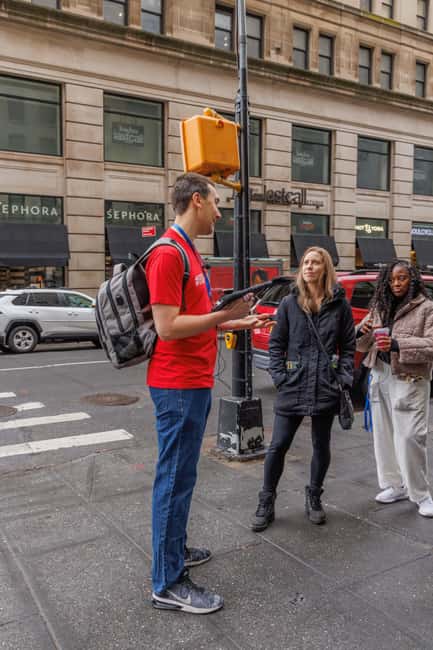
Brooklyn has early subway elements that shaped how stations were built and how neighborhoods interpreted them. Rayn’s tour spends real time on the oldest subway station design in Brooklyn, and he pairs the visuals with the “why” behind them.
You will also encounter public art projects along the way. The key is that Rayn does not treat art as wallpaper. He ties the art and surrounding architecture to station identity and to the meaning people assigned to these spaces.
In plain language, this turns a station from a place you pass through into a place you understand. You start noticing details you probably ignore on a normal ride, like the feel of the space, how it guides movement, and how design choices reflect the era that built it.
Rayn’s habit of slowing down helps. Even adults with subway experience often end up learning small operational and design details, like how certain elements can look slightly different for reasons you would not guess without context.
Highest Rapid Transit Station Outside China: Why It’s Built There
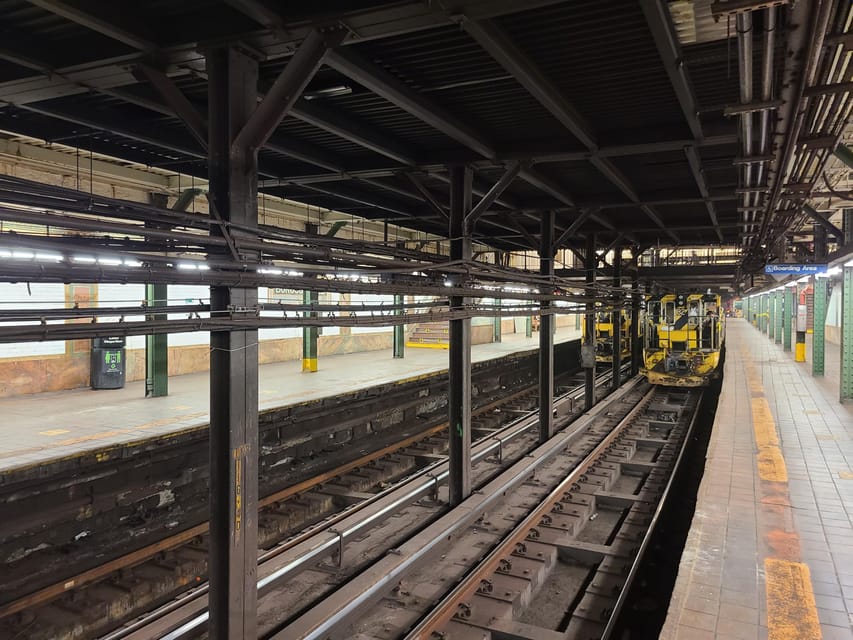
Another highlight is visiting the highest rapid transit station outside China, a claim Rayn frames with clear reasoning. You will learn why that elevation exists and why it made sense for Brooklyn’s network.
This is one of those topics where the city’s logic becomes more understandable the moment you see it explained. The subway’s vertical decisions are not random. They connect to how lines meet, how ramps and tracks are threaded together, and how routes adapt to streets and terrain.
Rather than just pointing at a label, Rayn helps you connect the station’s position to the broader system. That makes the place feel less like a fact you memorize and more like a design outcome you can reason through.
Michael Jackson’s Bad Moonwalk Spot: A Fun Stop With Real Location Sense
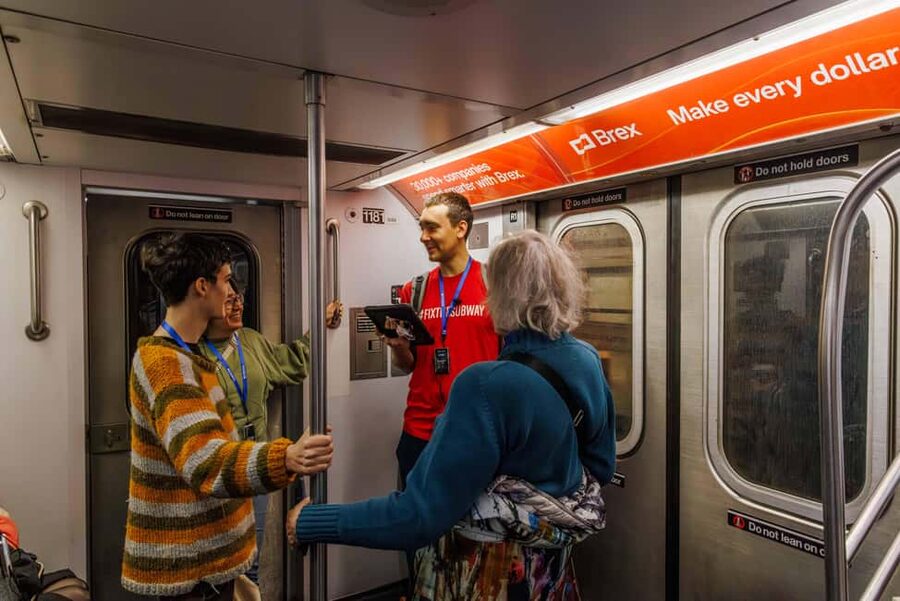
Yes, you will get to practice a moonwalk. The tour includes an opportunity to try it in the exact spot where Michael Jackson filmed Bad. It’s the kind of moment that breaks up the heavy history with something playful.
But even here, it is not just posing for photos. Rayn uses the stop as a way to make location feel real. You are not watching a clip and guessing. You’re standing in the environment that framed the scene, in the subway space that helped shape the look and timing.
Expect a little humor, a little group energy, and a lot of “no way, this is actually here” reactions. If your trip needs a memory you will not forget, this is it.
The Ending at Barclays Center: Walk Out Ready for Food and Fresh Air
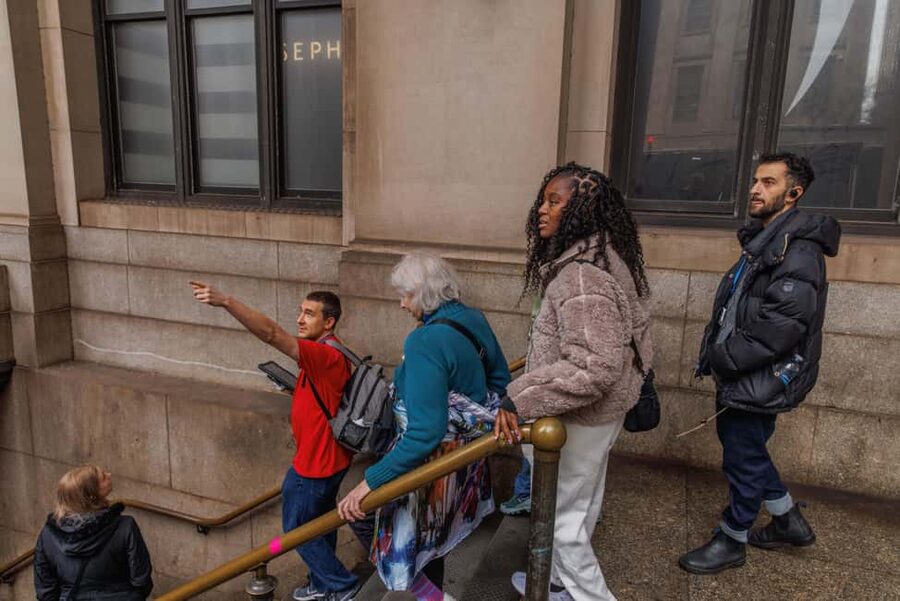
The tour wraps up at Barclays Center subway station in Downtown Brooklyn, steps from local food options. That finish is practical. You end near transit hubs and restaurants, so you are not stuck trying to figure out where to go next while everyone’s brain is still full of underground facts.
By the time you arrive back on street level, you’ll likely have a different relationship with what you just walked past. The station tiles, the stair banks, the ceiling heights, even the pacing of movement through platforms will look intentional, not incidental.
It’s also a good spot to tack on a casual post-tour plan. Grab a bite, head to a nearby neighborhood, and compare how you experience the subway now versus before the tour.
Price and Value: $200 Per Group Up to 15 People
At $200 per group up to 15, this tour can be surprisingly good value, especially if you come with friends or family. You are paying for a licensed guide plus a certified urban planner, and the tour includes subway fare and ear pieces during the experience.
To make this feel practical, think about what you would pay for:
- a guide who can interpret architecture and transit design
- access to public areas with a clear route
- audio support in a loud environment
- a structured plan that lasts just 2 hours, so it fits cleanly into a day
If you are traveling solo, it might still be worth it if you want the most guided option and you like transit history. If you are traveling as a group, it becomes more compelling fast because you spread the cost while still getting a private format.
Who This Tour Is For (and Who Might Skip It)
This tour is a great fit if you love:
- subway history with real-world design explanations
- hidden infrastructure, abandoned platforms, and station architecture
- public art that you want to understand, not just see
- a guided route that mixes trains, walking, and standout photo moments
It also works well for mixed ages, since the guide’s approach can stay clear and engaging even with kids in the group. That said, if you are uncomfortable with stairs or long walking in stations, you should take the step count seriously. You are underground, and you will be moving.
Should You Book This Brooklyn Subway Secrets Tour?
If you want a Brooklyn activity that feels like the city is telling you secrets, book it. The combination of Rayn Riel’s urban-planning perspective, the mix of lines you ride, and the sightings of abandoned infrastructure like Nevins St lower level make it more than a casual stroll.
I also like that it stays grounded in public spaces and safety. You get the drama of underground remnants without risky access. And you leave with a map in your head, not just a pile of photos.
If your ideal NYC day is fast, effortless sightseeing with minimal walking, this might feel a bit active. But if you enjoy stories you can point to, and you like understanding how the city works under the surface, this one is a strong yes.
FAQ
How long is the Brooklyn Discover Hidden NYC Subway Secrets private tour?
The tour lasts 2 hours.
Where does the tour start?
Meet outside the Starbucks at 50 Court Street.
Where does the tour end?
The tour ends at the Barclays Center subway station in Downtown Brooklyn.
Is subway fare included in the price?
Yes, subway fare during the tour is included.
Are ear pieces provided?
Yes, individual ear pieces are provided so everyone can hear the guide clearly.
What areas does the tour visit?
The tour only visits areas open to the public, with no access to restricted areas.
What should I bring?
Bring comfortable shoes, since the experience involves walking and walking up and down steps.
What group size is this private tour for?
It is a private group with pricing based on a group up to 15 people.
More Private Tours in New York City



More Tour Reviews in New York City


Not for you? Here's more nearby things to do in New York City we have reviewed











More New York City Tours to consider.
 ★ 4.7SUMMIT One Vanderbilt TicketsTickets from $4751,195 traveller reviews
 ★ 4.7Empire State Building Tickets – Observatory & MuseumTickets from $4725,757 traveller reviews
 ★ 4.6Statue of Liberty & Ellis Island with FerryTickets from $1918,683 traveller reviews
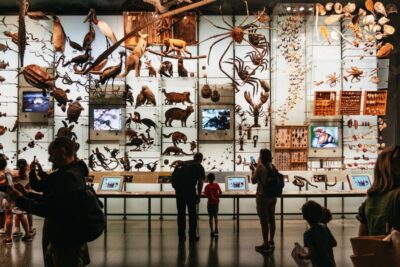 ★ 4.5American Museum of Natural History TicketTickets from $3715,447 traveller reviews
 ★ 5.0New York in One Day Guided Sightseeing TourTickets from $9913,166 traveller reviews
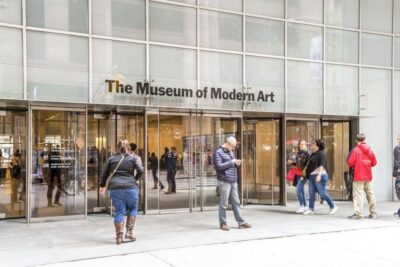 ★ 4.6Museum of Modern Art (MoMA) Entry TicketTickets from $3012,540 traveller reviews
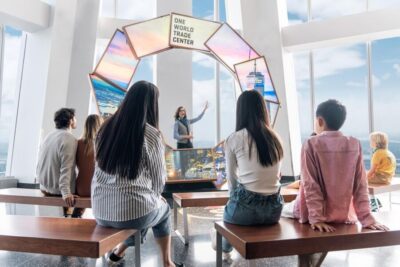 ★ 4.7One World Observatory Skip-the-Line TicketTickets from $3012,329 traveller reviews
 ★ 4.7New York CityPASS®: Save up to 41% at 5 Top AttractionsTickets from $15410,548 traveller reviews