
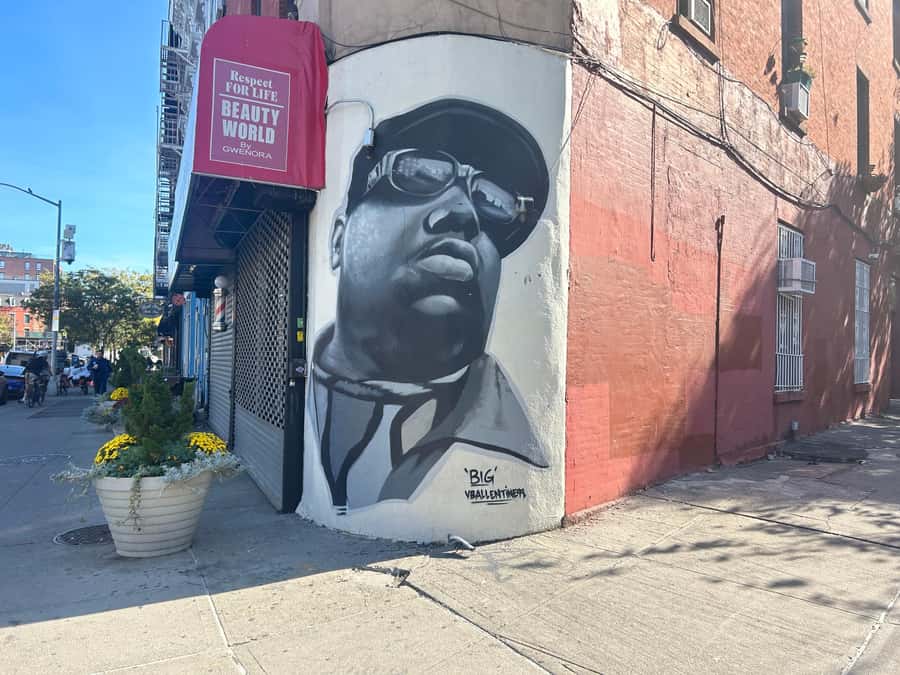
Review · NEW YORK CITY TOURS
NYC, Brooklyn: Notorious Biggie Smalls Themed Walking Tour
Biggie Smalls walks through Brooklyn. This tour turns Downtown Brooklyn, Fort Greene, and Clinton Hill into a living map of Christopher Wallace. I love the mix of childhood places and storytelling that makes the history feel close, not distant. You also get a fun hip-hop thread as you move.
My second big win is the guide style, led by Marcus Hillman, who keeps the pace moving while answering questions. You’ll stop for art and memorials, plus a few locations that tie directly to lyrics and street life. One drawback to plan for is that it is a walking tour with plenty of stops and photo moments, so comfort with on-foot time matters.
One more thing to consider: the tour is listed as wheelchair accessible, but it is also marked as not suitable for people with mobility impairments. If mobility is a concern for you, I’d check details before booking so you know exactly what the route looks like for your situation.
Key highlights you should care about
- Marcus Hillman’s storytelling blends hip-hop lore with real Brooklyn places, not just facts
- Biggie’s childhood locations across Downtown Brooklyn, Fort Greene, Clinton Hill, and Bedford-Stuyvesant
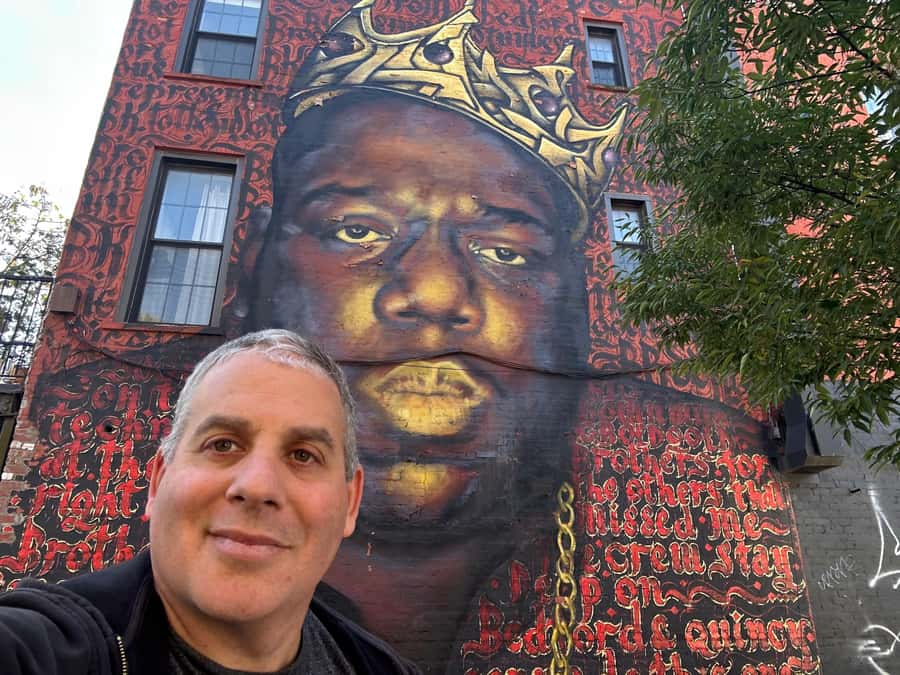
- Memorial art and honoring murals you can actually photograph as you walk
- Lyric tie-ins, including recognizable spots tied to Biggie’s lines and food references
- Fun, specific details like a Welch’s Grape moment at a late-night spot
- A park basketball court named for him, set inside a larger Black history setting
Why a Biggie Smalls walk feels different than a typical city tour
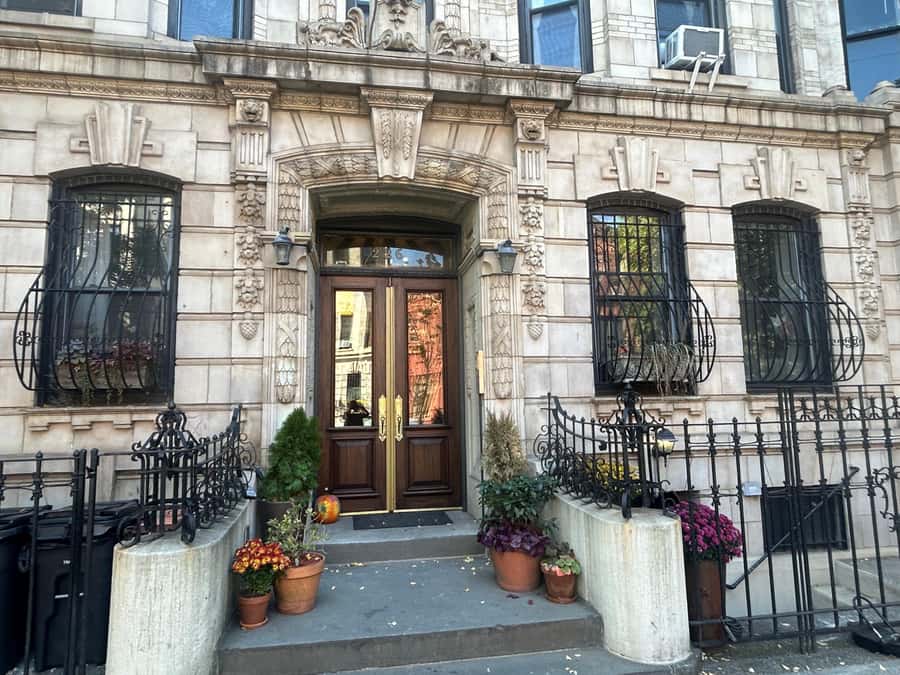
There are plenty of ways to tour New York. Most are built around big landmarks, museums, and skyline photos. This one is built around a person, Christopher Wallace, aka The Notorious B.I.G., and the streets that shaped him.
What I like is how personal it gets fast. You start in the school zone tied to his early life, then move block by block through the neighborhoods he spent time in. Even if you are not trying to memorize dates, you will leave with a feel for the era. The tour keeps circling the early to mid-90s, when hip-hop had that golden-era energy.
And yes, you will recognize some spots from his lyrics. The guide weaves those references into the walk so it feels like you are connecting the dots, not just hearing trivia.
You can also read our reviews of more walking tours in New York City



Marcus Hillman sets the tone, funny when it counts
The biggest quality here is the guide. Marcus Hillman comes across as passionate about history, hip-hop, and storytelling, and you feel it in how the tour flows. The tone is upbeat, but it stays grounded in place.
In the reviews I saw, people repeatedly called out Marcus’s energy, humor, and patience, including how he handled questions from families. That matters because this is not a silent, museum-style walk. You are trading Biggie lyric references along the way, so having a guide who can keep things lively and still factual is a real advantage.
I also like that the tour encourages questions. When I’m on a walking tour, I want the guide to be more than a narrator. Marcus is positioned as someone who can explain why certain locations matter, and how the neighborhood context shaped the person behind the music.
Getting to the start: Jay St-MetroTech and the Downtown Brooklyn meetup
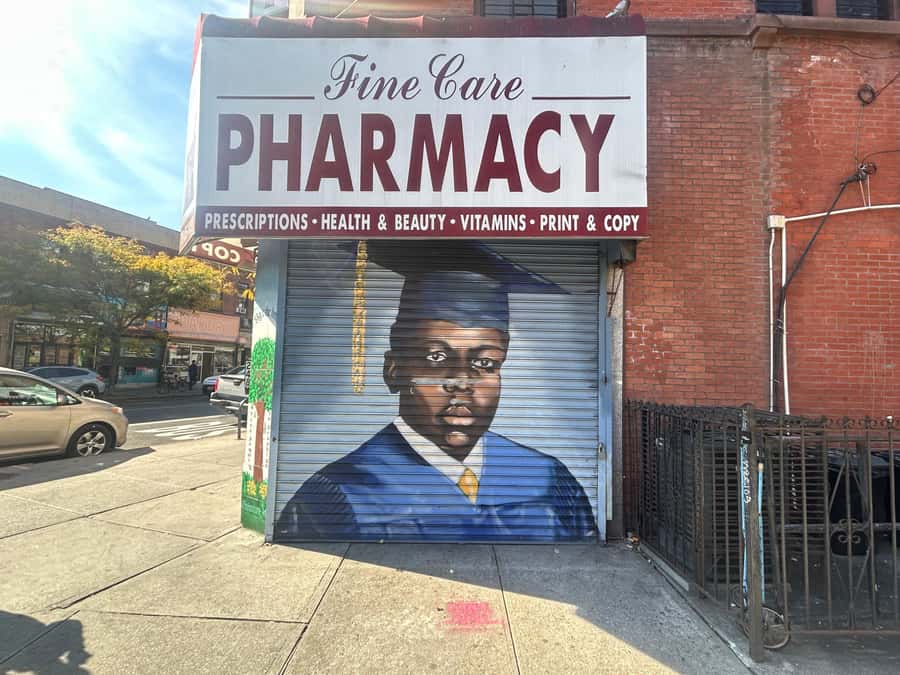
You meet at Jay St-MetroTech Subway Station, which is a practical choice if you are staying anywhere near Downtown Brooklyn or heading in from Manhattan. From there, the group connects to the first stop near 7th Street Burger Downtown Brooklyn.
This part is useful even if you arrive a little early, because you can get your bearings before the walking really starts. If you like to take photos as you go, this is a good moment to check your camera battery and make sure your phone has space, because later stops are picture-heavy.
Timing is also on your side. The tour runs about 150 minutes, so you get a full story arc without turning your day into a marathon. In other words, you can still do dinner plans the same day if you manage your pace.
Fort Greene and Clinton Hill: the childhood blocks and the grocery stop
Once you’re moving through the neighborhoods, the tour leans into the idea that Biggie’s story is inseparable from the streets. You begin at the high school he attended, in the era when he was already stirring attention in school-life terms. The guide uses that starting point to talk about what life looked like for him before fame.
Then the tour shifts into some of the Brooklyn locations that shaped him. This is where you see the walking tour earn its name. You are not only hearing about culture, you’re physically passing through the same neighborhoods people still reference when they talk about 90s Brooklyn.
One standout stop is the spot tied to him bagging groceries at a store. It’s a grounded kind of detail, the kind that reminds you success did not come out of nowhere. You’re also surrounded by public art that honors The Notorious B.I.G., so it doesn’t feel like a one-way story where the past is stuck in the past. It’s being remembered right here, right now.
The “crib” stop and the nearby first concert location
A big part of the appeal for hip-hop fans is the hunt for the “I’ve heard that line” moments. The tour includes a crib stop, described as the same number and same hood idea fans talk about. It’s the kind of detail that makes you pause and look around instead of rushing ahead.
The guide also connects that area to the location of his first concert nearby. You’ll likely see how the neighborhood moves between everyday life and the beginnings of public performance. That contrast is the point, and it is why this tour feels more like a story walk than a map tour.
After you’ve done a few stops, you’ll start to notice patterns in the way the guide talks. The tour keeps connecting early life, ambition, music, and the street-culture environment that fed the sound. It also helps you understand the hype, not just the outcome.




Photos, lyric trading, and a late-night food stop with Welch’s Grape
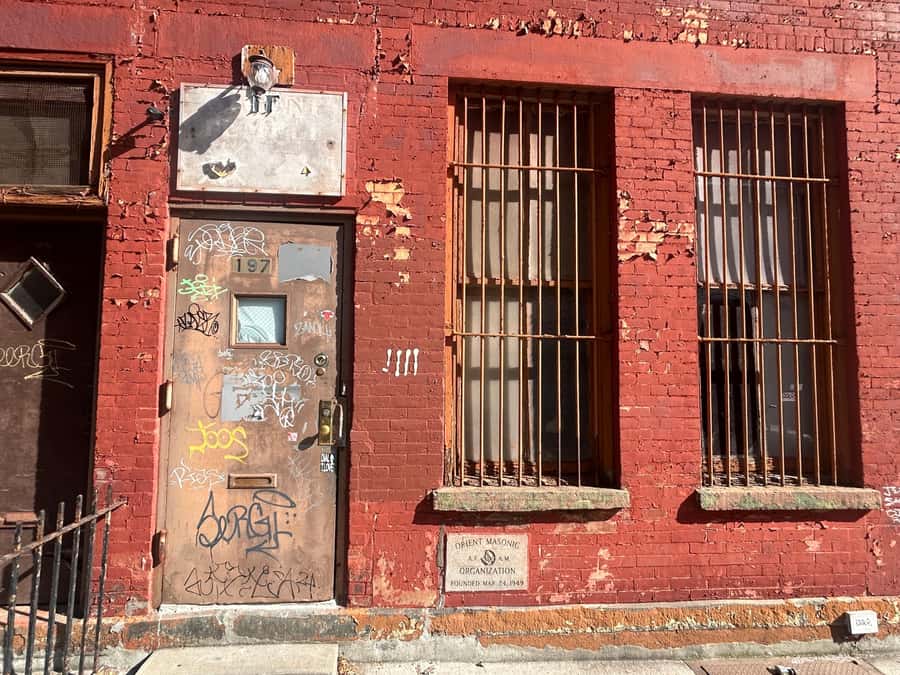
If you love eating stories and small details, this tour has you covered. There’s a late-night food spot connection that ties to the line about Welch’s Grape. The stops and discussion circle around the idea of Biggie’s comfort-food world, including references to T-bone steak, cheese, and eggs.
Even if you don’t think of yourself as a food tourist, these moments help you picture the era. They show what everyday Brooklyn could look like for someone building a life and a career behind the scenes.
Also, the vibe is participatory. The guide trades Biggie lyrics throughout the day, so you are not just watching from the sidewalk. You can join in lightly or just listen, but either way it keeps the walk entertaining.
One practical note: a review feedback point was that the tour could use a little more time for photos. That tells me you should treat pictures as part of the plan, not a bonus. If photography is your thing, build in a bit of extra time and keep your expectations realistic.
The park basketball court and the Black American history backdrop
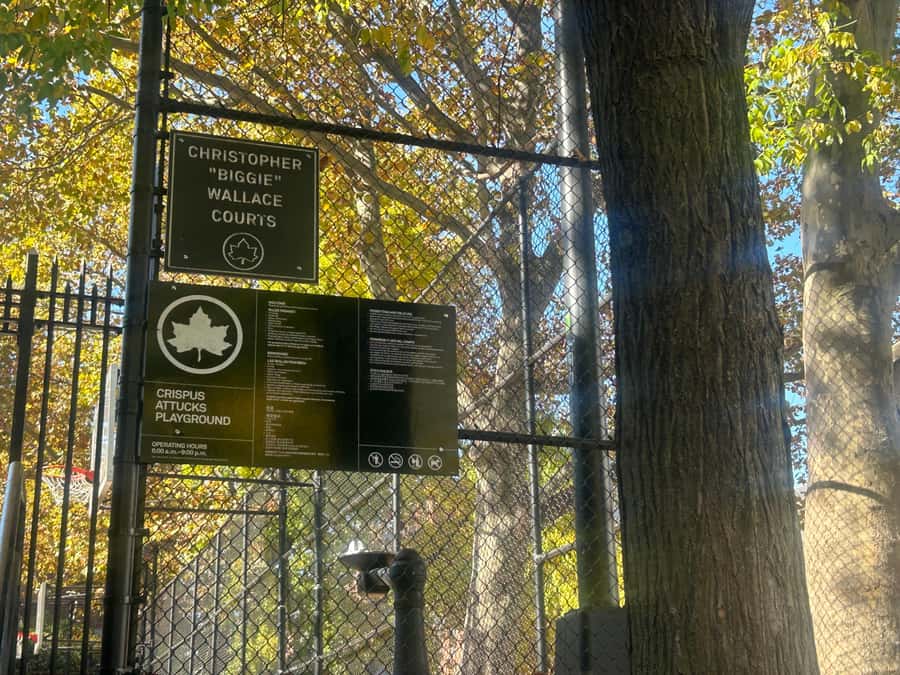
A memorable stop comes from the sports-and-history combination. You see a basketball court named for Biggie in a park that honors an important historical Black American. It’s more than a tribute plaque moment. A basketball court is a daily-use kind of monument, and that matters.
This kind of stop shifts the tone. You go from story locations and memorial art into a setting where movement and community are part of the landscape. The guide’s job here is important, too, because it can be easy for memorial areas to become generic photo backdrops. This tour tries to keep the context tied to the neighborhood and the people connected to it.
If you’re traveling with kids or anyone who gets restless on long walks, this kind of open-air stop can help reset attention without losing the theme.
Finishing up at 169 Quincy St
The tour ends at 169 Quincy St, Brooklyn, NY 11216. That finish point is helpful for planning your next move, especially if you want to head out for food afterward or connect to transit.
I like ending tours like this instead of doing a circle back to the starting point. It can help you keep your day feeling intentional. Also, since the tour is around 150 minutes, you are not stuck out for half a day.
Before you walk away, I recommend taking a minute to look back at the path you just covered. This tour works best when you let the neighborhood sink in. The point is the sense of place.
How much walking you should expect in 150 minutes
This is a walking tour, and it is designed around multiple neighborhood stops. Even though the total time is only about 2 and a half hours, it is not built for slow strolls. You should assume uneven sidewalk time, quick transitions, and frequent photo opportunities.
The tour is listed as wheelchair accessible, but it is also marked not suitable for people with mobility impairments. That conflict is worth respecting. If you or someone in your group needs extra support, I’d confirm the route details and how the guide handles distance between stops.
Comfort tip: wear shoes you can trust. This isn’t a wear-new-sneakers kind of day. Bring water if you tend to run warm, and keep your camera ready so you are not fumbling mid-story.
Price and value: is $80 for 150 minutes worth it?
At $80 per person for about 150 minutes, this is a mid-range price for a themed walking tour. The question is what you get for that money, and here the value is in three areas.
First, you get a guided, story-first route through Downtown Brooklyn, Fort Greene, Clinton Hill, and Bedford-Stuyvesant. Second, you get specific stops tied to Biggie’s early life, plus memorial art and lyric-referenced locations. Third, you get a guide who is clearly invested in the culture and can handle questions without turning the tour into a script.
If you’ve ever paid for a walking tour that is mostly street names and vague summaries, this one has a clearer promise: childhood places, honoring sites, and fans’ favorite references. That makes the cost easier to justify, especially if you care about 90s hip-hop context.
Also, the best value shows up if you participate. If you want to listen actively, trade lyric references, and ask questions, the guide’s energy multiplies the experience. If you want a silent, sit-down tour, you might feel like you’re paying for motion you did not want.
Who this tour suits best
This tour is ideal if you want a Brooklyn day with music history you can point to with your feet. It is great for Biggie fans who want more than a greatest-hits walk, and it also works for people curious about early to mid-90s hip-hop as a cultural moment.
I’d especially recommend it if you like:
- Neighborhood storytelling, not just landmarks
- Photo stops that connect to a person’s life
- A guide who can explain the why, not only the what
From the reviews, I also get the sense Marcus is good with families, including being patient with younger guests. That’s a plus if you’re traveling with kids who can handle a couple hours outside and still enjoy the story.
Should you book this Biggie Smalls themed walking tour?
If you’re heading to Brooklyn and you want one tour that’s very theme-driven, this is an easy yes. The route connects childhood locations, honoring art, recognizable lyric moments, and memorable stops like the Welch’s Grape food reference and the Biggie-named basketball court.
If you have mobility limits, don’t assume it will work for you just because it’s listed as wheelchair accessible. The tour is flagged not suitable for mobility impairments, so confirm details first. And if you care deeply about long photo breaks, expect shorter windows and plan to move with the group.
If you like hip-hop storytelling and you want a walk that feels like a real neighborhood experience, book it. You’ll come away with a Brooklyn you can name, not just a Brooklyn you saw.
FAQ
How much does the NYC, Brooklyn: Notorious Biggie Smalls Themed Walking Tour cost?
It costs $80 per person.
How long is the tour?
The tour lasts about 150 minutes.
Where do I meet the guide?
You meet at Jay St-MetroTech Subway Station.
What areas of Brooklyn does the tour cover?
The tour runs through Downtown Brooklyn, Fort Greene, Clinton Hill, and Bedford-Stuyvesant.
What does the tour include?
It includes a guided walking tour, visits to childhood places of The Notorious B.I.G., art and locations honoring him, spots from his lyrics, and a passionate guide focused on history, hip-hop, and storytelling.
Does the price include gratuity?
Gratuity is not included, and it is appreciated if you’re satisfied.
Is the tour wheelchair accessible?
The tour is listed as wheelchair accessible, but it is also marked as not suitable for people with mobility impairments, so it is smart to confirm details for your needs before booking.
Can I get a refund if my plans change?
Yes. You can cancel up to 24 hours in advance for a full refund.
More Walking Tours in New York City


More Tours in New York City




More Tour Reviews in New York City



Not for you? Here's more nearby things to do in New York City we have reviewed









More New York City Tours to consider.
 ★ 4.7SUMMIT One Vanderbilt TicketsTickets from $4751,195 traveller reviews
 ★ 4.7Empire State Building Tickets – Observatory & MuseumTickets from $4725,757 traveller reviews
 ★ 4.6Statue of Liberty & Ellis Island with FerryTickets from $1918,683 traveller reviews
 ★ 4.5American Museum of Natural History TicketTickets from $3715,447 traveller reviews
 ★ 5.0New York in One Day Guided Sightseeing TourTickets from $9913,166 traveller reviews
 ★ 4.6Museum of Modern Art (MoMA) Entry TicketTickets from $3012,540 traveller reviews
 ★ 4.7One World Observatory Skip-the-Line TicketTickets from $3012,329 traveller reviews
 ★ 4.7New York CityPASS®: Save up to 41% at 5 Top AttractionsTickets from $15410,548 traveller reviews
More useful New York routes