
Review · NEW YORK CITY TOURS
AIANY Climate Change Tour in New York
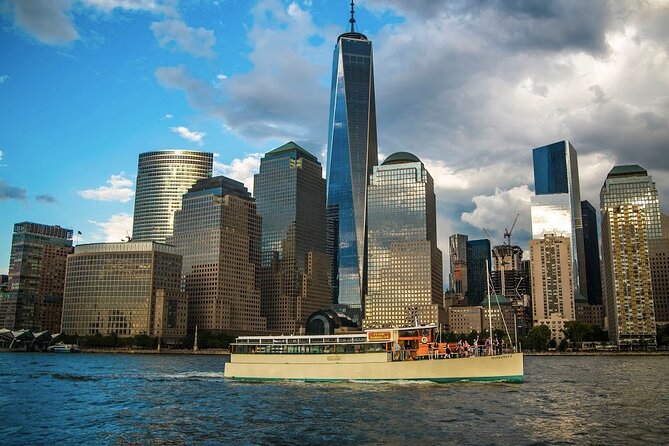
New York with climate in the foreground. This AIANY-style boat cruise turns big-city skylines into a hands-on lesson on resilience, showing you how the waterfront is changing for the decades ahead. Expect waterfront climate adaptation from the water, not just talk on land.
I love the AIANY architect narration approach, led by a member of the American Institute of Architects New York Chapter. I also love that the route is designed around major landmarks and long stretches of coastline, with passes by Statue of Liberty views, Ellis Island from the water, and multiple river parks.
One possible drawback: this is a heavily narrated cruise. If you want quiet, spontaneous conversation, or minimal commentary, you may find it a little too structured, and full circumnavigation can depend on bridge operations that day.
Key things to know before you go
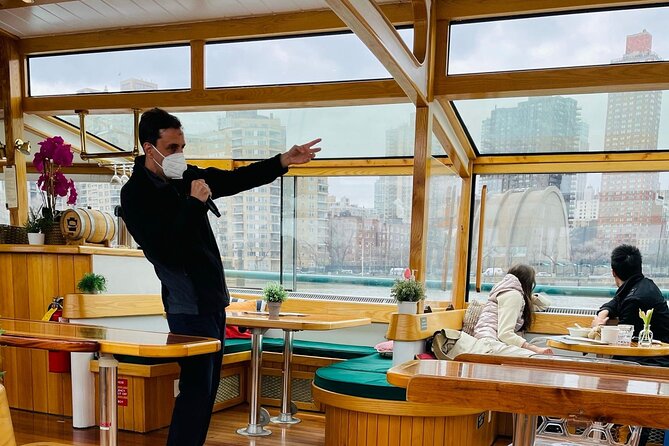
- Architect-led climate storytelling: Narration comes from an American Institute of Architects New York Chapter member, so the focus is design, systems, and real-world fixes.
- A true waterfront route, not just a harbor loop: You circle Manhattan and cruise both the East and Hudson River edges when conditions allow.
- You will see post-Sandy resilience themes: Flood wall concepts and resiliency measures are part of the narration, tied to what you can actually see from the boat.
- Renewables show up in the story: The cruise includes renewable energy sites and even future offshore wind turbine assembly plans.
- Small-group feel on a comfortable vessel: Max capacity is 80 travelers, which helps the narration stay audible and the boat feel intimate.
Architect-led climate change, told where it matters
This cruise is built around a simple idea. Climate change is not an abstract topic in NYC. It shows up in the shoreline, the building choices, the water management plans, and the energy moves you can point to from the deck.
The biggest value, in my eyes, is that the narration is led by someone tied to the American Institute of Architects New York Chapter. That matters because you are hearing climate talk through the lens of how cities actually get built and rebuilt. Instead of only warnings, you get the logic behind solutions: why certain designs are used, how infrastructure responds, and how resilience planning changes what you see along the waterfront.
If you like practical explanations more than vague slogans, this format usually hits the sweet spot. One well-loved narrator name that came up in feedback is Doug, and people praised how his architecture training showed in the way he connected the skyline to climate risks and design choices.
You can also read our reviews of more tours and experiences in New York City.
Chelsea Piers start: timing, comfort, and what you are paying for
Most of the experience happens while you are cruising, so the start matters. You board at Classic Harbor Line at Chelsea Piers Pier 62. It is a straightforward meeting point, and the experience runs about 2 hours 45 minutes in total.
The price is $113.23 per person, which is not a bargain, but it also is not just another cruise ticket. You are paying for multiple things bundled together:
- A structured route that circles Manhattan when possible
- Long-form narration for most of the trip
- A small-group cap (maximum of 80)
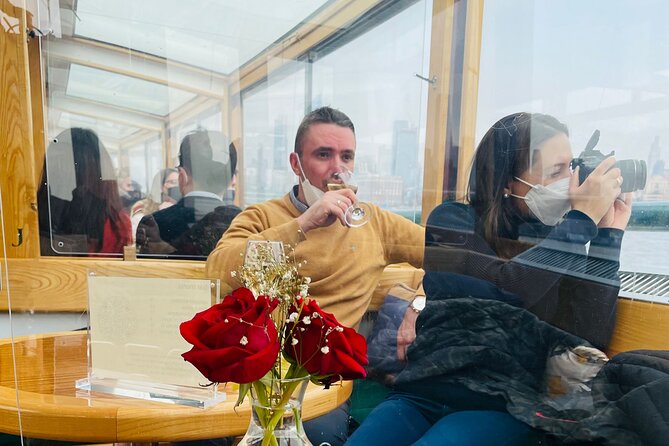
- A complimentary beverage
- Assigned table seating, with options for private section seating or communal section seating at checkout
That last part is worth noting. Assigned tables mean you are not spending the whole ride trying to find a good spot. And if you are traveling with people you want to stay near, choosing private section seating at checkout can make the experience feel less like a roll call and more like a shared outing.
You can also buy food onboard if you want. If you bring your own snacks, keep it light. The vibe is still a narrated cruise first, meal service second.
The first waterfront theme: green buildings to Sandy-era flood walls
Right after departure, the narration sets the tone with a sequence of climate-linked topics you can see along the way. You will cruise by green buildings, sustainable parks, renewable energy sites, and the infrastructure thinking that grew after Superstorm Sandy.
From a traveler’s perspective, what makes this section work is that it is not only about big destinations. It is about patterns. You get to compare the look of traditional shoreline planning with the resilience measures that were designed for water risk. Even when you cannot zoom in and read every technical detail, the guide’s framing helps you understand what you are looking at and why it exists.
You should also expect themes like recycling and future projects to appear in the narrative. One standout mention is the future home of an offshore wind turbine assembly pier. Even if the physical build is still in progress, you get the context for why offshore wind fits NYC’s broader energy picture and how the city plans space for the supply chain.
Potential drawback here: because the cruise is heavily narrated, you may not get long stretches of purely visual wandering. If your ideal boat trip is silent scenic time, you might feel rushed. If you prefer commentary that explains what you see, this is a feature, not a flaw.
Liberty and Ellis Island from the water: classic sights with a climate lens
A big reason people book any Manhattan circumnavigation is simple: you want the water views that you cannot get from the street. Here, you also get a narrative overlay, so you are not only checking landmark boxes.
You pass by Statue of Liberty in New York Harbor, and the narration continues as the route continues around Manhattan. The view from a boat is different from most angles people get from ferries or observation points. You get an outlook that helps you understand how the harbor works as a corridor, not just a postcard.
Then you see Ellis Island from the water. The timing is ideal for photos because you are already in open sight lines. And because the guide is talking, you get extra context that helps the sight feel more connected to NYC’s long story of migration, industry, and urban change.
One practical note: this is a narrated cruise, but it still runs on real weather and real water conditions. Wind can affect deck comfort, and you will want layers. The boat can be comfortable, but the harbor breeze is still the harbor breeze.
The East River stretch: UN area, East River Park, and why parks matter
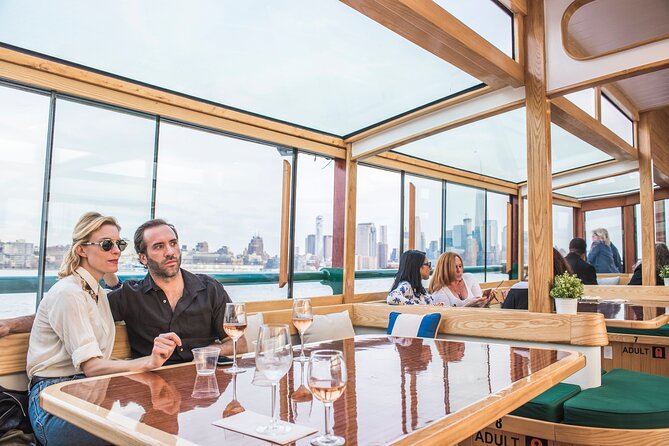
As you move through the East River corridor, you pass by the United Nations building. This is one of those skyline anchors that makes the city feel immediately recognizable, even if you are not a map person.
Then you cruise by East River Park, where the guide points out insights along the way. Parks are easy to think of as just green space. In a climate-focused narrative, they become part of the city’s risk and resilience story: where people can gather, how edges are managed, and how public space connects to shoreline planning.
This is also where the cruise’s structure helps. You are not doing random stops. You are getting a continuous view of how the riverfront is used, designed, and protected.
If you are sensitive to noise, keep in mind the cruise asks that conversations stay reasonable so everyone can hear the narration. That means you will want to bring a listening mindset, not just a party-chat energy.






Inwood, the Hudson, and Roosevelt Island: the route that makes the lesson stick
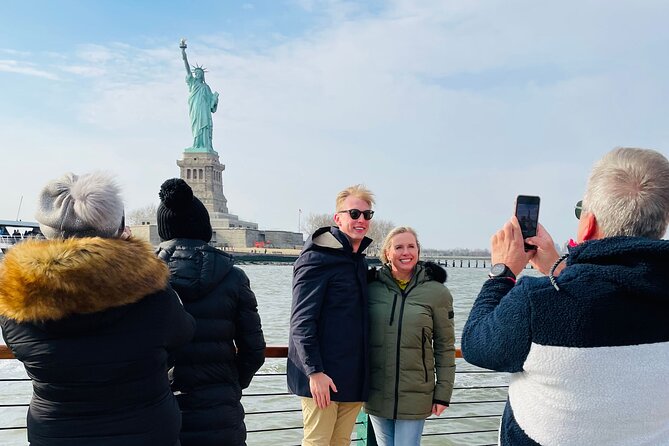
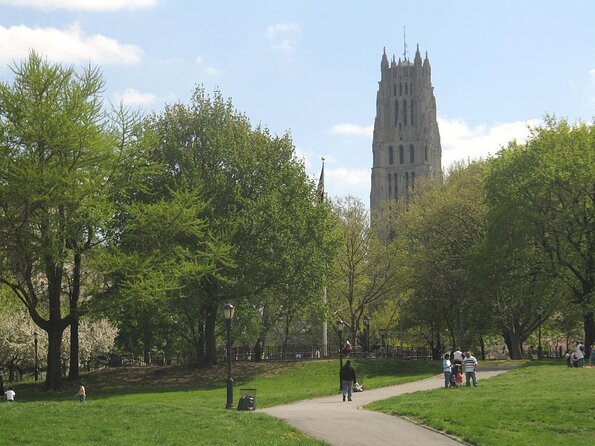
Later on, the cruise swings along the neighborhood of Inwood and continues toward the Riverside Park area on the Hudson River side. You also pass Roosevelt Island.
This part matters because it shows climate and design themes across more than one kind of waterfront. East River shores and Hudson River shores do not look or function the same, and the guide’s running commentary helps you notice those differences. Even if you are not a design professional, you start to see how the city’s choices shape the feel of each stretch.
I like that the narration covers multiple types of infrastructure, not only buildings. When the guide points out flood resiliency measures and later energy or recycling themes, it gives the whole concept a systems feel. You start to understand climate adaptation as something the city keeps building into different layers of everyday life.
Photo tip: bring a phone grip or small strap for boat deck shooting. Water outings often mean you are holding your device while leaning into a breeze. If you have a steadier hand plan, you will get sharper images.
When circumnavigation depends on the day: what you can count on
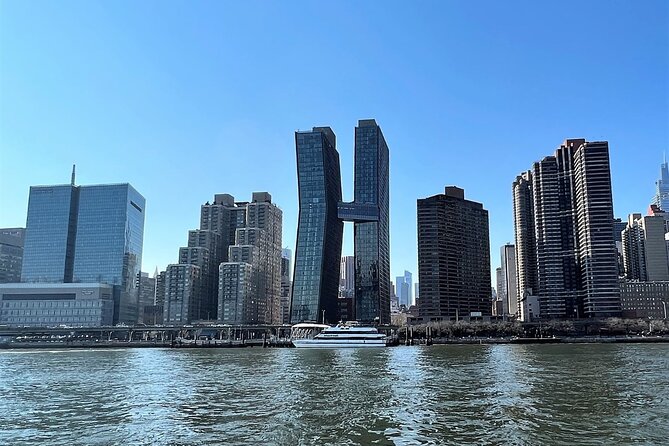
The cruise is designed for a full circle around Manhattan, but there is an important condition you should factor in before you plan your schedule. A full circumnavigation is not guaranteed.
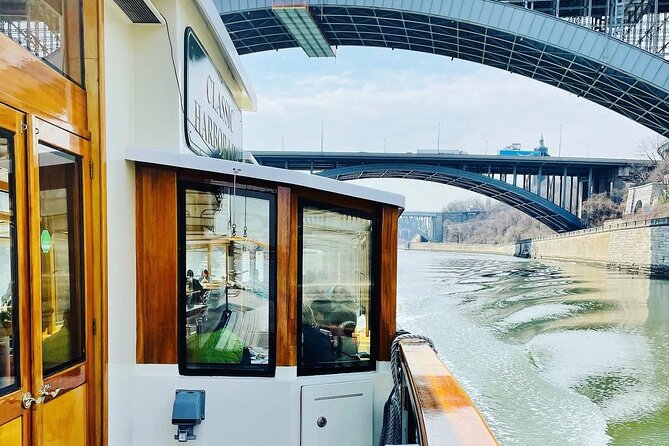
The operator notes rare cases where the Spuyten Duyvil train bridge may be inoperable and cannot open for the boat to pass through. River closures can also happen for other reasons. If a full loop is not possible, the operator says they will accommodate with a route that includes double backing so you still see waterfront sites, but there are no refunds for tours that cannot fully circumnavigate.
How I’d plan around that: if this cruise is your only shot at certain waterfront views, build in some flexibility the same day. If you can handle the idea that one section might be rerouted, you will likely enjoy the educational angle even more, because you are still seeing a lot of the shoreline in one ride.
The narration style: great for learning, not for quiet time
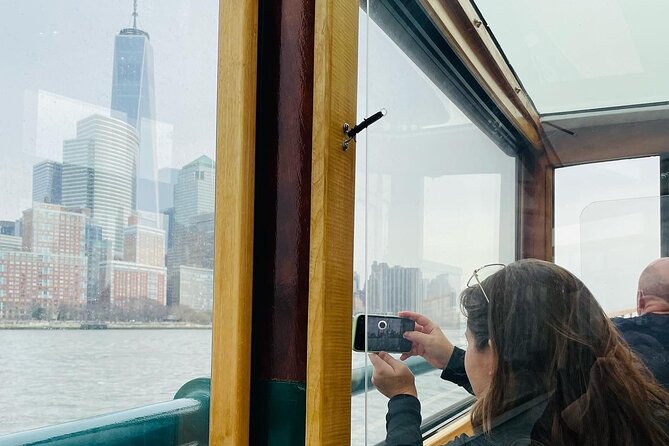
This is where the experience is most distinctive. It is a heavily narrated cruise, and the format is meant for content-rich touring.
So here is the tradeoff. You will get an ongoing explanation of what you are looking at. You will also spend less time chatting casually or focusing only on photos. The operator asks guests to keep conversation at a reasonable level so narration can be heard by all.
If you want a structured learning experience, this is exactly what you came for. If you are hoping for a laid-back sightseeing sail where you mostly look and talk, consider other options in the same company’s orbit, especially less narrated daytime events.
This also explains why it is not for children under 12. It is not a family picnic cruise. It is instruction-by-water.
Value check: is $113.23 worth it?
For NYC, $113.23 is in the middle to upper range for a harbor-based experience. The value comes from the bundle, not from one single view.
You are getting:
- Multiple major skyline and shoreline segments in about 3 hours
- Architect-style climate narration tied to visible infrastructure
- A comfortable boat with assigned table seating
- A complimentary drink
- A small group limit that supports the listening experience
Compared with a quick ferry ride, this gives you much more interpretation and a wider route. Compared with some high-cost sightseeing options like helicopters, the pricing feels more grounded because you are not paying only for speed or altitude. You are paying for a full waterfront circuit plus context.
If your priority is learning while you see the city from water, this tends to offer strong value. If your priority is spending the day outdoors with minimal talking, then you may feel the cost more sharply because you are paying for narration, not just views.
Who should book this (and who might want something else)
I’d steer you toward this cruise if you:
- Like architecture and how design choices connect to real problems
- Want a climate change NYC lesson that is tied to visible infrastructure
- Appreciate structured commentary and do not mind listening for most of the ride
- Want an active way to see multiple waterfront neighborhoods in a single outing
I would steer you away if you:
- Want a quiet, low-communication boat trip
- Are traveling with kids under 12
- Are hoping to mostly socialize without competing with narration
- Are strictly dependent on a guaranteed full loop and cannot handle day-of rerouting
Should you book this climate change cruise?
I think you should book it if you want a smarter way to look at NYC from the water. The combination of architect-led narration and a route that links green space, shoreline planning, and resilience themes is the core win.
If you plan for the one real uncertainty (full circumnavigation depends on bridge and closures), you will probably feel in control. And if you like the idea of turning landmarks like Statue of Liberty and Ellis Island into a larger story about how the city adapts, this is one of the better ways to spend a chunk of an NYC day.
FAQ
How long is the AIANY climate change cruise?
It runs about 2 hours 45 minutes.
Where does the cruise depart?
You meet at Classic Harbor Line, Chelsea Piers Pier 62, New York, NY 10011.
Does the tour always circumnavigate Manhattan?
Full circumnavigation is not guaranteed. On rare occasions the Spuyten Duyvil train bridge may be inoperable, and river closures can also affect the route. If a full loop is not possible, the operator will accommodate with a modified route.
Who provides the narration?
Narration is provided by a member of the American Institute of Architects New York Chapter.
Is food included?
Food is not included. You can buy selections onboard, and if you bring food, keep it to a light snack.
Is there a drink included?
Yes, one complimentary beverage is included.
Can children go on this cruise?
It is not for children under 12 due to the cruise being heavily narrated.
How many people are on the cruise?
The cruise has a maximum of 80 travelers.
Are service animals allowed?
Service animals are allowed, but emotional support animals and pets are not permitted.
Can I choose my seating?
Yes. You get assigned tables, and at checkout you can choose private section seating or communal section seating.
More Tours in New York City



More Tour Reviews in New York City
Not for you? Here's more nearby things to do in New York City we have reviewed










More New York City Tours to consider.
 ★ 4.7SUMMIT One Vanderbilt TicketsTickets from $4751,195 traveller reviews
 ★ 4.7Empire State Building Tickets – Observatory & MuseumTickets from $4725,757 traveller reviews
 ★ 4.6Statue of Liberty & Ellis Island with FerryTickets from $1918,683 traveller reviews
 ★ 4.5American Museum of Natural History TicketTickets from $3715,447 traveller reviews
 ★ 5.0New York in One Day Guided Sightseeing TourTickets from $9913,166 traveller reviews
 ★ 4.6Museum of Modern Art (MoMA) Entry TicketTickets from $3012,540 traveller reviews
 ★ 4.7One World Observatory Skip-the-Line TicketTickets from $3012,329 traveller reviews
 ★ 4.7New York CityPASS®: Save up to 41% at 5 Top AttractionsTickets from $15410,548 traveller reviews