

Review · NEW YORK CITY TOURS
Brunch in a Crunch in NYC
Brunch here has a secret advantage: you cook it. This 3-hour hands-on NYC workshop turns a hard-to-get brunch day into a small-group class, with dishes like lemon raspberry ricotta pancakes and eggs benedict, plus the big payoff of eating what you make. It also saves you from the classic New York problem, long lines and reservation stress.
What I like most is the step-by-step teaching style chefs bring, with guests saying the staff explained every recipe clearly and made beginners feel comfortable. I also like that the group stays small, so you get real participation instead of hovering. One thing to weigh: it runs in a weather-dependent format, so if conditions are poor, you may be offered a different date or a full refund.
Key things to know before you go
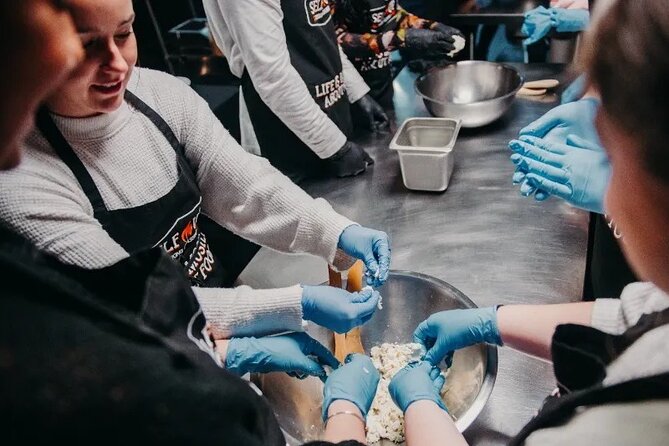
- Small-group size (max 20): you actually get time at the station, not just kitchen-tour vibes
- Real brunch classics: lemon raspberry ricotta pancakes and eggs benedict show up on the menu
- Chefs with teaching energy: names you may meet include Chef Paige, Chef Ashley, Chef Dale, Chef Monica, Chef Danny, Chef Oliver, and Mark
- You eat what you cook: brunch includes drinks so your meal actually carries you through the afternoon
- Mobile ticket: you will have a ticket on your phone to keep things simple
- Dietary flexibility in practice: one vegan guest reported non-dairy and gluten-free versions were offered
Why Brunch in a Crunch feels like a smarter NYC plan
New York brunch can be chaotic. Reservations disappear, lines stretch, and you spend your morning “deciding” instead of eating. This class reroutes the day. You do the cooking first, then you sit down and enjoy your results.
The best part is the combo: learning and eating happen in the same 3-hour window. That means you go home with both a full belly and a couple of repeatable skills. And since you are in a small group, it feels more like a shared table with stations than a big show.
It also has a social edge that plain restaurant brunch often lacks. People come for the food, but the room stays friendly and practical. Expect like-minded food folks who are happy to talk techniques, not just compare plates.
You can also read our reviews of more tours and experiences in New York City.



16 Beaver Street at 12:00 pm: the logistics that actually matter
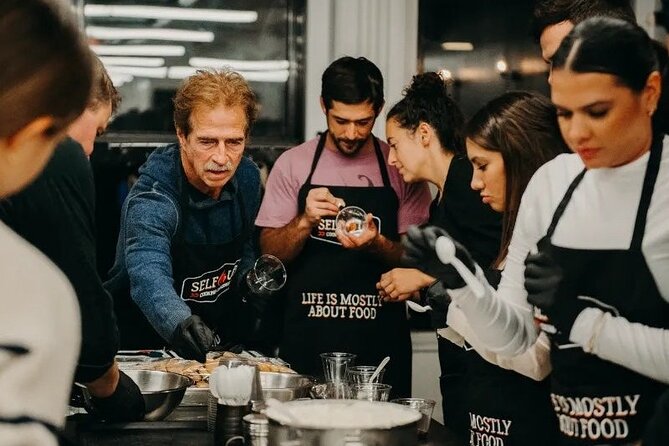
The meetup is at 16 Beaver St, New York, NY 10004, starting at 12:00 pm, and the activity ends back at the meeting point. That loop matters. You are not committing to a long, hard-to-navigate route around the city before you even start cooking.
The class uses a mobile ticket, which helps if you are juggling transit, maps, and your group’s arrival timing. Also, it is listed as near public transportation, so you should not need a car to make this work.
Two practical timing notes. First, plan to be on time for a lunchtime start. Cooking classes keep moving, and that is part of the fun. Second, because it has a weather requirement, keep your Sunday (or whatever day you book) flexible in your mind. If it gets canceled due to weather, you get offered a different date or a full refund, depending on what the provider can offer.
What you’ll cook: pancakes with lemon and raspberry ricotta, plus eggs benedict
You are not learning vague brunch ideas. You are making named dishes. Based on the class format, you can expect breakfast and brunch staples such as lemon raspberry ricotta pancakes and eggs benedict.
That matters for value. When a class gives you specific recipes, you can actually recreate the results later. Pancakes and eggs benedict are also a great pairing because they teach different techniques. Pancakes are about batter consistency and flavor balance. Benedict is about eggs and sauce, where small technique differences change everything.
And because this is a hands-on workshop, you are not just tasting a finished version and calling it education. You work through the process and then eat the payoff.
One more thing I appreciate: the class is built for participation. Guests mention that everyone had a chance to participate, make, and taste. That is the difference between a “watch someone cook” experience and a real cooking class.
Chefs who teach, not just perform
The instruction style is what repeatedly earns the highest praise. Multiple hosts are named across experiences, including Chef Paige, Chef Ashley, Chef Dale, Monica, Chef Danny, Chef Oliver, and Mark. The common thread is how they teach.
Here is what that usually means in practice. Chefs walk you through each step in a way that makes the recipe feel doable. People also highlight that the chefs bring humor and keep the mood relaxed, which is a big deal if you are worried you will be “bad at cooking.”
One review detail that stands out: a vegan guest said the chefs offered non-dairy and gluten-free versions of what was being made. That signals the hosts are willing to adapt, not just hand you a salad and call it a day. It also suggests the class is comfortable dealing with common dietary needs.
If you are a total beginner, this matters even more. Cooking classes can be intimidating if the chef assumes you already know kitchen basics. Here, the tone described is patient and confidence-building.
A 3-hour flow that turns you from student into brunch-maker

The class runs for about 3 hours, and it is built around progression. You start with instruction, you work through the recipes, and you end by eating the fruits of your labor.
The practical structure looks like this, based on what the experience is designed to do:
- You get taught how to make the brunch dishes.
- You participate in cooking, not just observing.
- You and the group eat your creations after cooking.
- Drinks are included with the brunch.
Why I like this flow: it prevents the awkward “class eats later” feeling. When you cook and then eat right away, you remember what you did, and you can tell what worked. That makes learning stick.
It also gives you a built-in pacing system. You are not rushing around New York searching for brunch reservations or dragging yourself to multiple places. Your day has one scheduled centerpiece.






Eating your creations with drinks, and skipping the line

In New York, brunch lines can turn into a whole second outing. This experience avoids that by design. You are basically buying a reservation substitute, except you get the satisfaction of cooking and then eating.
The class includes a full brunch with drinks. That is not a tiny perk. Drinks matter because brunch is supposed to be the meal that starts your day, not a quick snack. You will leave with food and a little atmosphere, which is a nice bridge into whatever you do next in the city.
Also, because everyone shares the same meal, it feels communal. You can compare techniques without it turning into a restaurant “who got the best eggs” debate.
Group size, participation, and who it suits best
This activity has a maximum of 20 travelers. In real-world terms, that is small enough to stay social, but large enough that you can still split tasks and keep things moving.
From the feedback, the group size is part of why the experience works. People note the group is not too large, and that everyone gets a chance to participate, make, and taste. That is exactly what you want from a cooking class. If you end up in a room where only a few people cook, the whole thing gets frustrating fast. Here, the format aims to prevent that.
This is a good match if:
- You want a brunch plan that is more interactive than a restaurant
- You like meeting fellow food lovers
- You are traveling with a friend or small group and want a shared activity
- You are a beginner who wants guidance without judgment
It can also work for teams. One experience described it as a great team-building option for a work group of 20, which lines up with the stated maximum size.
Dietary needs: what’s possible and what to plan for
The class is built around common brunch dishes, which can be tricky for some diets. The good news is that at least one vegan participant reported the chefs were kind and offered non-dairy and gluten-free versions of everything. That suggests the kitchen can make adjustments when possible.
That said, the details of what is available for your exact needs are not fully spelled out in the basic description. So treat dietary accommodations as something the hosts can help with, based on past experiences, rather than a guaranteed menu rewrite every single time.
If you have food allergies or strict requirements, plan to be direct about what you need when you book. The best case is they can swap ingredients. The safe case is you at least know what dishes you will be able to eat fully.
Price and value: is $120 per person worth it?
At $120 per person for an approximately 3-hour cooking class, the price is not “cheap,” but it also is not unreasonable for New York when you add up what you get.
Here is the value math that matters:
- You get an actual hands-on cooking workshop, not just a meal
- You learn recipes that are specific, like lemon raspberry ricotta pancakes and eggs benedict
- You eat your creations afterward
- Drinks are included with brunch
- The group is capped at 20, which supports real participation
- Multiple chefs are named in experiences, and feedback praises their instruction quality
In other words, you are paying for time, teaching, ingredients, and the meal. If you would otherwise spend money on brunch plus a reservation workaround plus your time figuring out where to go, this can feel like a cleaner use of a Sunday afternoon.
One more practical angle: the class is often booked about 16 days in advance on average. That suggests demand is steady. Booking earlier can help you lock in a time that fits your itinerary.
A balanced take: the one drawback to think about
The biggest consideration is that this is a weather-dependent experience. If it is canceled due to poor weather, you will be offered a different date or a full refund. That is fair, but it means you should not plan it like a museum ticket you can blindly depend on.
The second consideration is taste preference. This is brunch-focused and leans classic. If you are searching for extreme novelty or a heavy focus on local New York history, this is more about cooking and eating techniques than culture walking tours.
Should you book Brunch in a Crunch in NYC?
If you want a New York brunch day that feels structured, social, and genuinely educational, I think you should book it. The repeated strengths are clear: friendly, patient chefs, good step-by-step explanations, and a format where you participate and then eat a full brunch with drinks.
It is especially worth booking if:
- You hate waiting in brunch lines or hunting for reservations
- You want specific recipes you can make again at home
- You are traveling with someone and want a shared activity with real payoff
- You are a beginner and want to feel comfortable in the kitchen
If your schedule is extremely tight, do remember it is weather dependent. If it is raining hard or conditions are bad, you may need to shift plans.
FAQ
FAQ
What time does the Brunch in a Crunch class start?
The class starts at 12:00 pm.
How long is the cooking and brunch experience?
It lasts about 3 hours.
Where is the meeting point?
You meet at 16 Beaver St, New York, NY 10004, USA.
How much does it cost?
It costs $120.00 per person.
How many people are in each class?
The tour/activity has a maximum of 20 travelers.
Do I get a mobile ticket?
Yes, it’s listed as a mobile ticket.
What kinds of dishes will we make?
You’ll learn dishes such as lemon raspberry ricotta pancakes and eggs benedict.
Is brunch included after the class?
Yes. You eat what you cook after the class, and brunch includes drinks.
Are non-dairy or gluten-free options available?
In one reported experience, the chefs offered non-dairy and gluten-free versions of what was being made for a vegan participant.
What happens if the experience is canceled due to weather?
If it is canceled due to poor weather, you’ll be offered a different date or a full refund.
Is the experience refundable if I cancel?
This experience is non-refundable and cannot be changed for any reason.
More Tour Reviews in New York City
Not for you? Here's more nearby things to do in New York City we have reviewed












More New York City Tours to consider.
 ★ 4.7SUMMIT One Vanderbilt TicketsTickets from $4751,195 traveller reviews
 ★ 4.7Empire State Building Tickets – Observatory & MuseumTickets from $4725,757 traveller reviews
 ★ 4.6Statue of Liberty & Ellis Island with FerryTickets from $1918,683 traveller reviews
 ★ 4.5American Museum of Natural History TicketTickets from $3715,447 traveller reviews
 ★ 5.0New York in One Day Guided Sightseeing TourTickets from $9913,166 traveller reviews
 ★ 4.6Museum of Modern Art (MoMA) Entry TicketTickets from $3012,540 traveller reviews
 ★ 4.7One World Observatory Skip-the-Line TicketTickets from $3012,329 traveller reviews
 ★ 4.7New York CityPASS®: Save up to 41% at 5 Top AttractionsTickets from $15410,548 traveller reviews