
Review · CENTRAL PARK TOURS
Central Park-Bethesda Terrace, Strawberry Fields, Bow Bridge
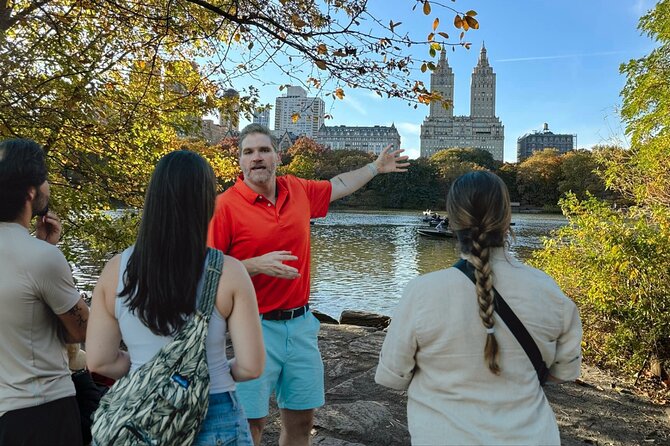
Central Park feels huge, until you walk it right. This 3-hour southern-half tour threads the park’s most recognizable corners with live commentary, so you leave knowing why places look the way they do and what to look for next. I love the way it targets Instagram-ready classics like Bow Bridge and Bethesda Terrace without turning it into a sprint, and I also like that it’s a small group where your guide can answer questions as you go.
One possible drawback: it is not suitable for wheelchair users, and non-folding strollers are not allowed, so you’ll want to be prepared for a straightforward walking day.
Key Things I’d Watch For on This Central Park Highlights Walk
- Bow Bridge and Pond views get you classic angles fast, with architecture that changes your perspective each time you cross.
- Bethesda Terrace and Fountain area are treated like the park’s heart, with details that help you read what you’re seeing.
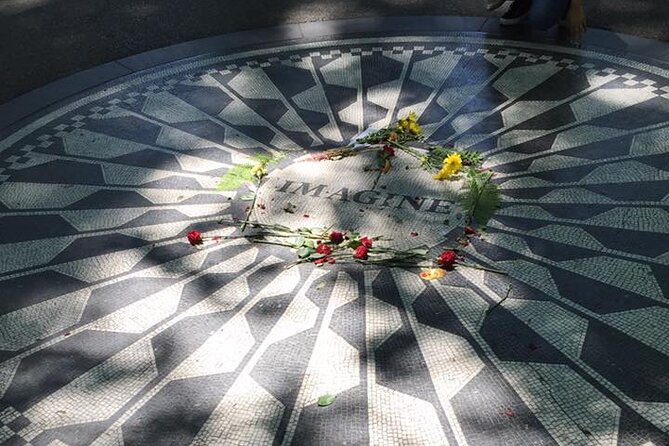
- Strawberry Fields gives the John Lennon memorial the calm, reflective stop it deserves, not just a quick photo.
- Ramble walking is the ticket if you want shade, winding paths, and quieter park energy.
- 14 photo-stop targets keep your time focused, especially since Central Park covers 843 acres.
Why This Central Park-Bethesda Terrace-Strawberry Fields Tour Works
Central Park is famous for being big. That size is also the problem. Without a plan, you can end up walking a lot and seeing a fraction of the park’s famous landmarks before your feet tap out.
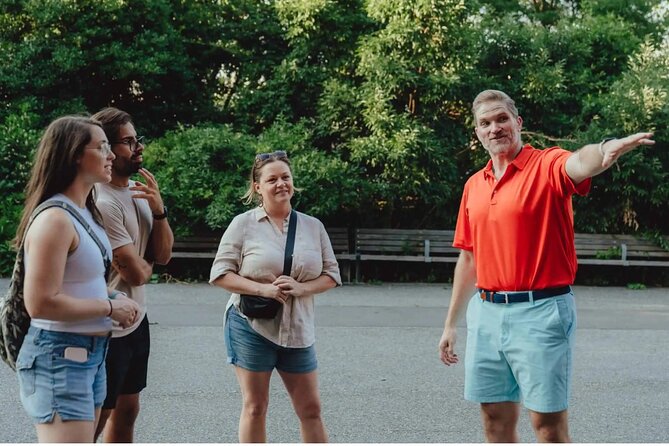
This tour is built for the opposite outcome. You get a relaxed 3-hour stroll with a licensed NYC tour guide, and you hit a concentrated list of Central Park’s most photographed spots. The southern half route matters because it’s where you can connect major landmarks while still getting quieter woodland time in spots like the Ramble. It also makes the park feel readable, like you can follow the park’s design decisions instead of just bumping into sights.
I also like the pacing promise here. It’s not a “race to the next photo.” It’s enough time to stop, look back, compare viewpoints from bridges, and actually listen to what a guide points out as you move.
Still, you should go in with realistic expectations: you are not covering the entire park. You’re covering the best-known cluster, plus a bit of the calmer inner areas that make the highlights more than just postcards.
You can also read our reviews of more tours and experiences in New York City.



Starting at the General Sherman Statue, Then Getting Oriented Fast
The meeting point is the northwest corner of 59th St. and 5th Ave, right by the General Sherman Statue. It’s a smart anchor. From there, the guide can explain how Central Park is laid out and what to expect from the route ahead, so you don’t spend your first 20 minutes trying to figure out which way you’re supposed to go.
Even if you’ve been to Central Park before, orientation helps. A good chunk of Central Park’s magic is how it hides and reveals spaces: one minute you’re near open areas, the next you’re in shaded paths and sudden water views. When you know what’s coming, each transition feels like part of a story instead of random wandering.
You’ll also want comfortable shoes. This is a walking tour, and the value is in the stops and the in-between connections. If you’re prone to sore feet, treat the 3 hours as a real walk, not a light stroll.
Bow Bridge and the Pond, Where Photos Get Meaning
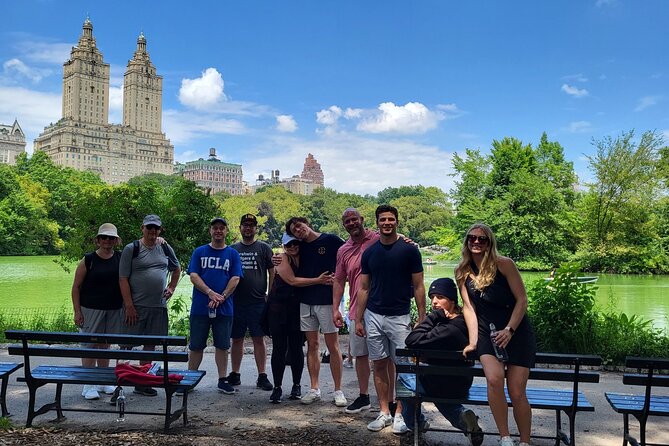
Bow Bridge is one of those Central Park landmarks that looks best when you understand the setting. In this tour, Bow Bridge is not treated like a quick selfie moment. You get to see how it frames the pond area and how the park’s water and paths work together visually.
There’s a practical reason guides love bringing you here. Central Park’s bridges are designed with distinct styles, and you learn to look at the structure, not just the view. The tour specifically emphasizes that no two bridges are the same, and that idea makes your photo stops more satisfying because you start noticing differences as you walk.
What you should do during the Bow Bridge portion: slow down for a couple of angles. Look from the bridge itself, then compare what you see when you step back toward the path. Even within a few steps, the architecture and the water reflections change the photo.
And because this is a guide-led walk, you’re less likely to miss the “how it’s meant to be seen” viewpoint. That matters in a park where the best photo spots often sit just off the most obvious path.
Bethesda Terrace: The Park’s Stage, Not Just a Fountain
If Bow Bridge is romantic, Bethesda Terrace is theatrical. It’s often referred to as the soul of Central Park, and that phrasing makes sense once you’ve stood near the fountain area and noticed how much activity clusters around it.
This part of the tour focuses on the details of the stonework and the overall composition around the Bethesda Fountain. The point is not to memorize architecture trivia. The point is to help you understand why the space feels monumental while still staying inside a park that is meant for walking, relaxing, and escaping city noise.
What I like about this stop is how it changes your pace of attention. You can spend five minutes looking at a fountain, or you can spend 20 seconds learning what to look for and suddenly you see the sculptural rhythm and the craftsmanship more clearly. A guide’s live commentary turns “pretty” into “oh, now I get it.”
There’s also a practical value here. Bethesda Terrace is a natural landmark for regrouping your bearings. After the fountain area, the guide can help you shift your focus from one big icon to the series of smaller scenery changes that happen as you move through the southern half.
Strawberry Fields and the John Lennon Memorial
Strawberry Fields has a different mood than most Central Park stops. It’s recognizable, yes, but the tour approach helps you slow down and respect the space as more than a photo backdrop.
You’ll hear about the John Lennon memorial and the famous Imagine mosaic. That context matters. Without it, it’s easy to treat the memorial like any other attraction. With a guide, it lands as a reflective pause in the middle of a park that otherwise swings between quiet paths and grand showpieces.
If you’re visiting with kids or a group, this stop is also a good choice because it’s easy to understand. Everyone can see the memorial, and you can take a moment to listen to the story behind it before you move back into the walking flow.
A simple tip: plan on spending a bit longer than you think you need here. Even if you just want one photo, the area works best when you give it a minute of stillness.





Alice in Wonderland Statue, Movie Corners, and the Fun Stops
Central Park is a film location magnet. The tour leans into that cultural side, pointing out where scenes were shot or where the park’s look helped create the vibe for productions like Home Alone 2, Ghostbusters, When Harry Met Sally, Breakfast at Tiffany, Serendipity, You’ve Got Mail, and the famous scene in Elf.
This is one of the most fun ways a guide can bring a park to life, because it turns the space into a memory trigger. You’re not just moving through a park. You’re moving through the visual language of popular New York movies and stories.
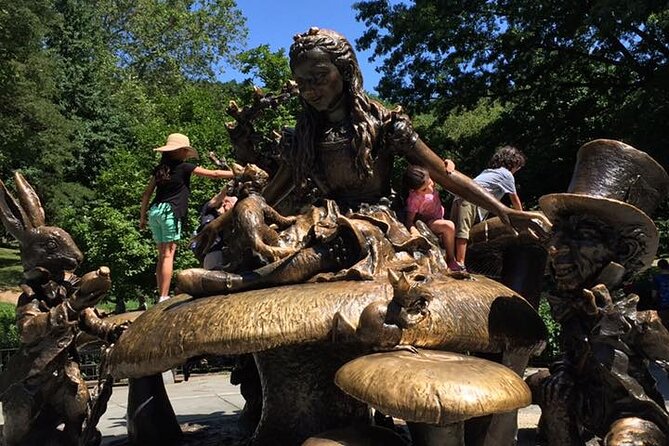
The Alice in Wonderland Statue is a highlight that fits that theme nicely. It’s playful, easy to spot, and it helps families connect to the park. If you’re visiting with kids, you’ll probably find this is one of those “everyone gets excited” moments.
The tour can also include seeing Balto, the famous dog sculpture, which one family called out as a big hit for their younger child. That kind of stop is a reminder that Central Park isn’t only grand views. It’s also little surprises scattered around the edges of the major set pieces.
The Ramble: Getting Quiet in the Middle of the City
After the icons, the Ramble is where Central Park feels like a secret you’re allowed to walk into. This wooded area brings winding paths and tranquil streams, and it’s often the spot where first-time visitors realize the park is more than scenic postcard land.
The tour’s value here is guidance and pacing. The Ramble can be confusing. There are lots of paths that look similar, and you do not want to wander in circles when your goal is to hit the key sights. A guide keeps the route moving, which is especially helpful if it’s your first time navigating inside the park.
What to expect: shade, softer sounds, and a slower feeling. You’re not rushing toward a landmark every 30 seconds. You’re walking through a changing micro-world where the scenery shifts as you turn a corner.
For photography, the Ramble gives you texture instead of just landmarks. Think branches, water sounds, and that “I’m not in Manhattan anymore” moment. Even if your camera roll is already full, this section is the type of stop that makes the rest of your photos feel more grounded.
Bridges, Ponds, Lakes, and Why Architecture Matters Here
Central Park’s water features are not just pretty backgrounds. They are part of the park’s design language. This tour includes time passing The Pond and The Lake, plus bridges that shape views in different ways.
Here’s the key idea the guide brings into focus: each bridge across the ponds has unique architecture. The tour treats this as a learning point, so you stop seeing bridges as generic crossings and start seeing them as part of a carefully crafted sequence.
That matters for two reasons:
- You get better photos because you’re looking for specific design elements.
- You understand Central Park as an intentional landscape design, not just a collection of famous stops.
And because you’ll keep moving through open fields and skyline viewpoints along the southern route, the day avoids the “all shade, no variety” problem. You’ll get classic views along with calmer corners, which keeps the tour engaging even if you’re not a die-hard architecture fan.
The Dairy Visitor Center and Park Design Lessons
One of the more interesting stops on this kind of Central Park walk is the Dairy, now functioning as a visitor center with a Gothic flair. It’s not always the first place people plan to see, but it adds a different flavor to the tour.
The reason I like including something like the Dairy on a highlights route is that it reinforces how Central Park works. You’re not only seeing sculptures, fountains, and memorials. You’re also seeing how buildings and structures support the park experience.
Even the Gothic vibe helps because it contrasts with the open air feeling of the park. That contrast is part of New York’s style, and it’s part of what makes the park feel like more than a green space. It’s an outdoor city-world with its own set of rules.
A guide’s commentary on the park’s design also helps you connect dots between distant features. When you understand the design intent, the park’s identity starts to feel less random. It becomes clear why Central Park helped shape how New York City thinks about parks.
Price and Value for a $49, 3-Hour Walk
Let’s talk value, because $49 in New York can mean anything depending on the offering.
This tour costs $49 per person for a 3-hour walking experience with live commentary from a professional, licensed NYC tour guide. It also includes stops at 14 of Central Park’s most photographic sites. For many people, that combination is the sweet spot.
Here’s how to judge whether it’s a good deal for you:
- If you’d otherwise walk the park on your own, you’re paying for route planning, commentary, and the ability to hit key sites without losing time.
- If you like photos, you’re paying to be pointed toward the most photogenic angles across bridges, ponds, fountains, and memorial areas.
- If you enjoy stories, you’re paying for context tied to design and the park’s role in shaping New York City’s identity.
The only caution is simple: if you want to see every corner of Central Park, 3 hours will never feel like “the whole park.” You’ll still be happy you got the iconic, high-value highlights, but you’ll likely want a second visit on your own to explore farther north.
Who This Tour Suits Best (And Who Should Consider Alternatives)
This tour is a strong fit if you:
- want an efficient way to see Bow Bridge, Bethesda Terrace, Strawberry Fields, and more without overthinking routes
- like small-group walking so you can ask questions and keep your pace comfortable
- enjoy movie trivia and design context, not just surface sightseeing
It might not be your best choice if:
- you need wheelchair-friendly route support, since it is not suitable for wheelchair users
- you plan to use a stroller that does not fold, since non-folding strollers are not allowed
- you are looking for a full-park sampler that takes you from end to end, because this route is focused on the southern half
One more honest thought: this is a “see a lot, learn a lot” tour. If you prefer long stretches of unplanned wandering, you might find a guided structure a bit restrictive. But if you want your time in Central Park to feel organized and story-driven, it’s a solid match.
Should You Book This Central Park Highlights Tour?
I think you should book it if you want your Central Park visit to feel efficient and meaningful. In one morning-style 3-hour walk, you can hit major icons like Bow Bridge and Bethesda Terrace, add a reflective stop at Strawberry Fields, and still get quieter time in the Ramble without getting lost.
If you’re debating between doing this alone and taking a guide, the guide component is the real value. Central Park is big enough to make even motivated people miss the best angles. A licensed guide helps you connect the dots between landmarks, bridge architecture, and the park’s design identity. The result is that you don’t just see the sights, you understand them enough to enjoy them longer.
If you need mobility accommodations, or you’re counting on stroller access, skip this one and look for a more suitable route option.
FAQ
FAQ
How long is the Central Park tour?
It lasts 3 hours.
What is the price per person?
The price is $49 per person.
Where does the tour start?
It starts at the northwest corner of 59th St. and 5th Ave, by the General Sherman Statue.
How many stops does the tour include?
The tour includes stops at 14 of Central Park’s most photographic sites.
What will I see during the walk?
You’ll pass major highlights such as Bow Bridge, Bethesda Terrace, Strawberry Fields, and also areas like The Pond and The Lake, plus bridges, open fields, and skyline views.
Is the tour wheelchair accessible?
No. It is not suitable for wheelchair users.
Are strollers allowed?
Non-folding strollers are not allowed.
What language is the guide speaking?
The tour is guided in English.
Is there free cancellation?
Yes. There is free cancellation up to 24 hours in advance for a full refund.
Is a guide included?
Yes. The tour includes a guided walking experience with live commentary from a professional, licensed NYC tour guide.
More Tour Reviews in New York City
Not for you? Here's more nearby things to do in New York City we have reviewed









More Central Park Tours to consider.
 ★ 5.0Central Park Pedicab Guided ToursTickets from $387,108 traveller reviews
 ★ 5.0Private Central Park Pedicab TourTickets from $386,981 traveller reviews
 ★ 4.2Central Park Bike RentalsTickets from $92,528 traveller reviews
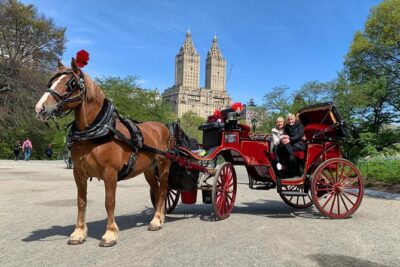 ★ 5.0Official NYC Horse Carriage Rides in Central Park since 1979 ™Tickets from $992,365 traveller reviews
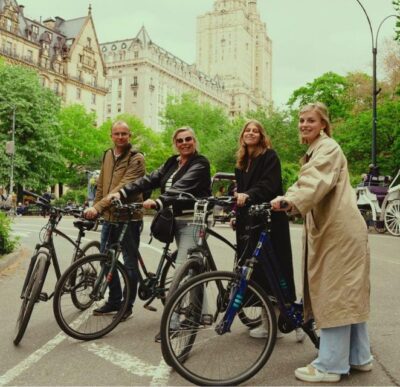 ★ 4.1Central Park Bike RentalTickets from $81,651 traveller reviews
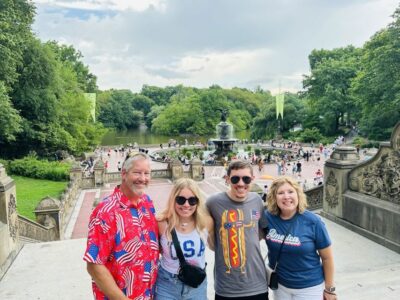 ★ 4.9Private Central Park Pedicab TourTickets from $401,637 traveller reviews
 ★ 4.7Central Park Bike RentalTickets from $91,509 traveller reviews
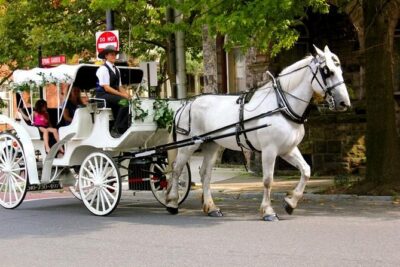 ★ 4.0Carriage Ride in Central Park (VIP – PRIVATE) Since 1964™Tickets from $141,074 traveller reviews
More useful New York routes