
Review · CENTRAL PARK TOURS
Central Park Tour with Complimentary Photo Album
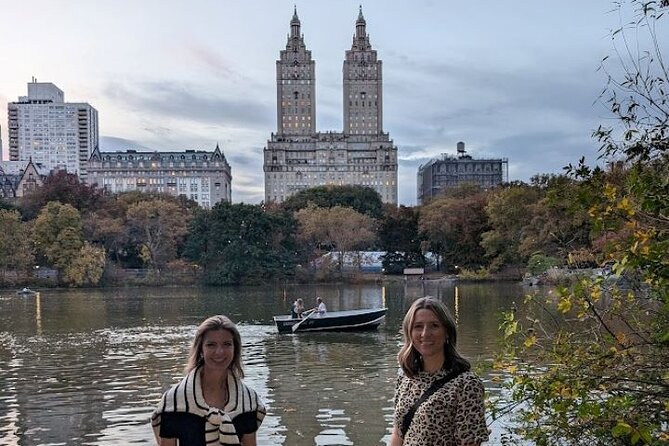
A great Central Park tour feels like a shortcut. You get a structured walking route through the park’s most memorable corners, guided by a friendly local spirit and finished with a complimentary photo album from photogenic stops. I especially like the chance to feed ducks and swans, then turn around and see major landmarks like Bethesda Terrace and Bow Bridge without feeling lost in the scale of NYC.
My other favorite part is the pace. With a small group size (up to 12), the guide can steer you to details you might miss on your own, like where to stand for skyline views or how to connect the dots between different park “worlds” in just about 2 hours 30 minutes. The main drawback to plan around is that it’s still a walking tour, so if you want totally relaxed sightseeing, consider whether you have the stamina for a good chunk of pavement and stairs.
Key highlights at a glance
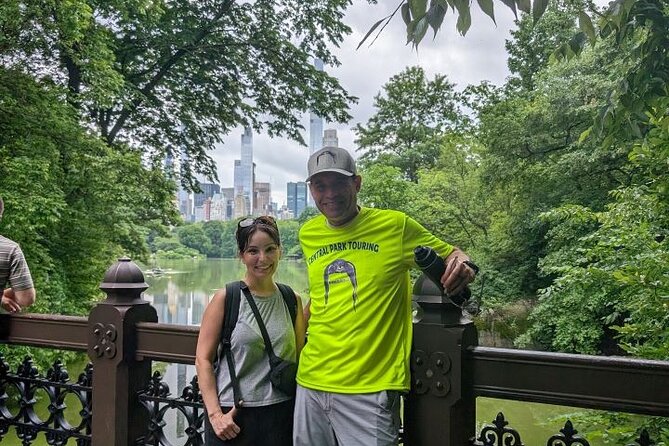
- Complimentary photo album with pictures taken along the most scenic parts of the route
- Duck and swan feeding at The Pond, plus easy photo angles for Gapstow Bridge
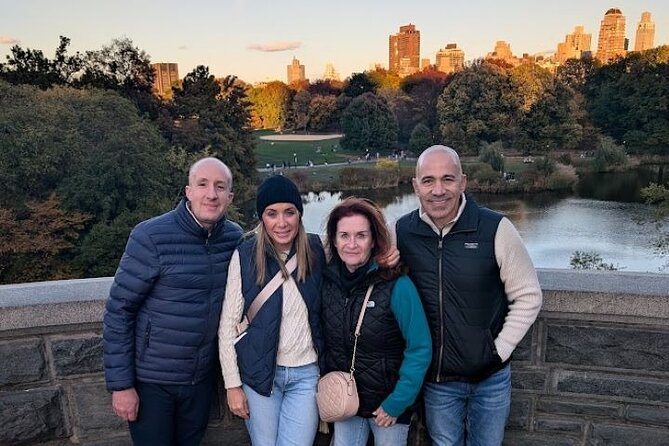
- Belvedere Castle viewpoint time for wide views over the Great Lawn and Turtle Pond area
- Classic Central Park trio in one flow: Bethesda Terrace, Bow Bridge, and the Ramble
- Small-group feel with a maximum of 12 people, so it stays personal
Why this Central Park photo tour works better than wandering
Central Park is huge, and it can feel like you spend half your day just getting oriented. This tour solves that problem with a route that connects the park’s signature sights in a logical walking sequence, so you’re moving toward the next “wait, wow” moment instead of circling randomly.
I also like that the experience is built for real sightseeing. You’re not bouncing in and out of the park with transportation time eaters, and you’re given time at the places that matter: ponds, terraces, bridges, viewpoints, and reflection spots. The guide’s local knowledge adds color too, especially when you see how the park’s design leads your eyes from one scene to the next.
Finally, the photo album perk is more than a souvenir. It’s a practical way to get group photos at spots you’d otherwise only photograph from a distance.
You can also read our reviews of more tours and experiences in New York City.



Meeting point and how the tour starts smoothly
You’ll meet at NYC Adventures – Central Park Horse Carriage Rides, at 6th Avenue, in front of the José Julián Martí Statue on Central Park South. The tour ends right outside Strawberry Fields, at Central Park West and 72nd Street, near the Imagine Mosaic.
This start and finish are handy because they map well onto a first-time NYC plan. You can begin the day on the park’s south side, then finish near the Upper West Side, where you’ve got plenty of options for food and transit after the tour.
You’ll also have a mobile ticket, and the tour is offered in English. Service animals are allowed, and the group stays small, capped at 12 travelers.
The first stretch: The Pond, nature pockets, and duck-feeding magic
The tour kicks off near Central Park’s southeastern corner with The Pond, a man-made water body that sets a calmer tone right away. You’ll have time to photograph the nearby Gapstow Bridge and, best of all, feed ducks and swans at the water’s edge. If you go at a time when the park is busy, this stop still works because it’s one of the places where you naturally slow down.
From there, you move into a woodland pocket: Hallett Nature Sanctuary. This area is smaller than the Ramble, which can make it feel more intimate, and it’s known for rustic trails that wind up and down toward overlooks and sitting areas near the shore. The sanctuary has a clear story too, including its earlier name (The Promontory) and its later bird sanctuary identity.
One practical note: this is where comfortable walking shoes pay off. Even though the path is not a “hike,” the park’s terrain can be uneven, and the tour’s total walking time adds up.
A Central Park classic circuit: Mall, Bethesda Terrace, and Bow Bridge
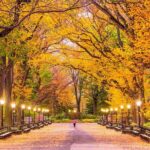
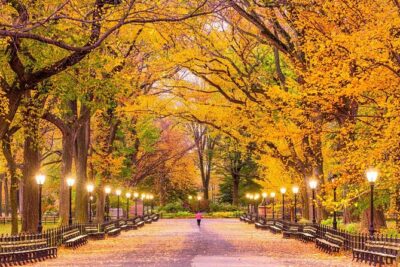
Next you’ll shift toward the park’s formal and iconic views. You’ll spend time at the Mall, including the Walkway of American Elms, famous for its quadruple row of American elm trees. This straight, tree-lined promenade has a steady “come take a walk” vibe, and it’s a great place for people-watching without fighting crowds across multiple blocks.
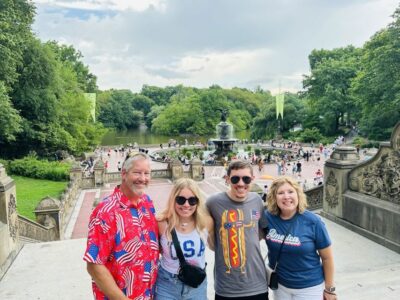
Then comes Bethesda Terrace, often called the heart of Central Park. The two-tiered terrace frames Bethesda Fountain and the Angel of Waters statue, and the viewpoints from here feel like they were designed for postcards. Even if you’ve seen pictures before, you’ll likely want a few minutes to just look across the lake and down the park axes.
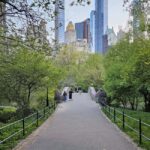
After that, you cross Bow Bridge. It’s one of Central Park’s most photographed bridges, and it’s also one of those “you can’t fake this” moments, because the cast-iron details plus skyline views create a layered scene. Plan to stop in the middle for a moment, not just at the ends, because your angles change as you move.
The Ramble and Gill: a shift from formal park to wild garden feel
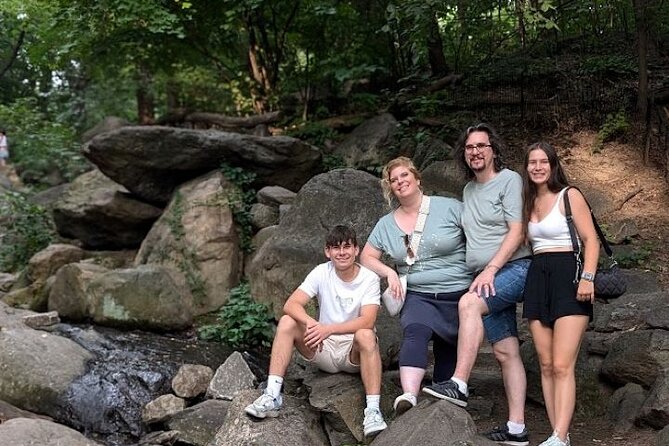
Central Park’s Ramble is where the mood changes. You’ll walk through 38 acres of winding paths between 73rd and 78th streets, described as a wild garden style space. Compared with the straight lines of the Mall, this part feels more hidden and meandering, and it’s exactly why bird-watchers love it.
Time here is built for slow looking. The Ramble is known for wildlife spotting opportunities, and there’s a focus on its bird-watching character, with a long list of species recorded in the woods. You’ll also have a chance to see the Gill, the man-made stream that runs through the area.
If you like nature in the middle of the city, this is one of the best parts of the route. If you’re rushing, the Ramble can feel long because the paths curve and viewpoints take patience, but that’s also what makes it feel different from the rest of Manhattan.






Belvedere Castle and Vista Rock: big views in a small package
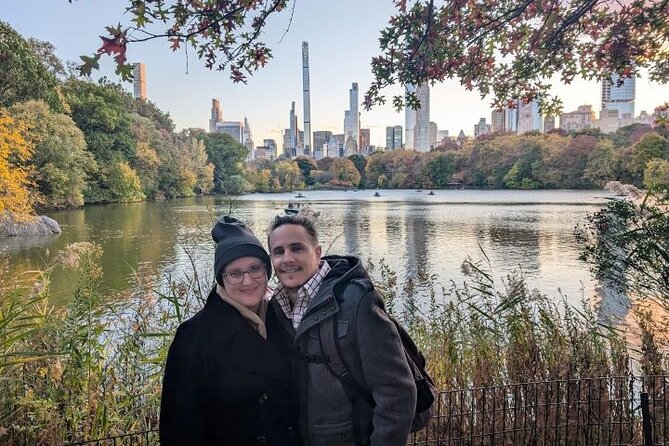
You’ll then reach Belvedere Castle, a whimsical mini castle perched on Vista Rock. This is a smart stop for photo lovers because you’re elevated, and the views stretch over key park areas like the Great Lawn and Turtle Pond, with the Ramble in the mix.
Inside, it functions like a nature observatory, with information about wildlife and bird-watching. Even if you’re not the sort of person who stops for museum-like exhibits, the value here is the way the castle helps you “read” the park. After this stop, Central Park feels more connected, not like a set of unrelated attractions.
The castle is also a good reset point in the tour. After walking through bridges and woodland paths, you’ll likely appreciate a few minutes to catch your breath and look out.
Great Lawn, Shakespeare Garden, and the park’s outdoor stage
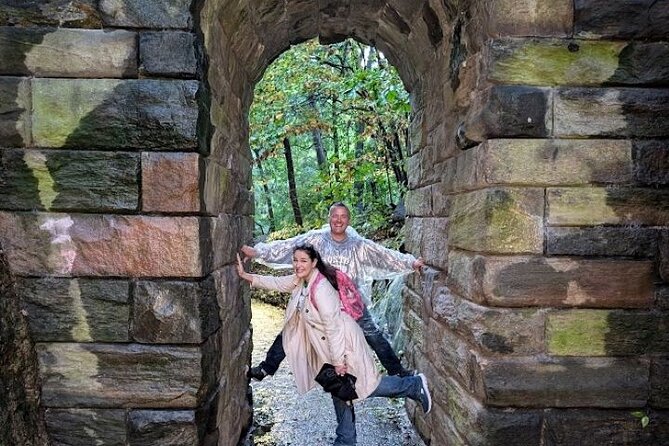
Central Park’s Great Lawn is next, a massive 55-acre area with an iconic visual presence in the park’s center. You’ll see why it’s a natural gathering spot for picnics, relaxing, and watching sports. It’s also a go-to zone for big events, and it has hosted performances like New York Philharmonic concerts in the parks and the Global Citizen Festival.
A stop near the Shakespeare Garden follows, an English cottage garden-style space planted with trees, shrubs, flowers, and herbs tied to Shakespeare’s writings. Bronze plaques around the garden reference plants mentioned in Shakespeare’s plays and poems. It’s especially nice when you want a quiet, low-stress moment, especially near the theater area of Shakespeare in the Park’s home turf.
If you’re traveling with a mix of ages or attention spans, this pair of stops is a strong mid-tour balance. The Great Lawn gives you open space and energy, while Shakespeare Garden gives you detail and calm.
Kids district and playful detours: Dairy, Carousel, and Sheep Meadow
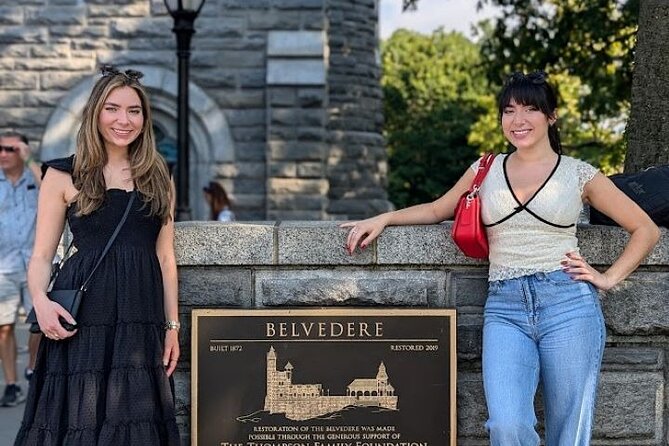
Central Park has attractions that work for grown-ups too, and this tour threads a few of them in. You’ll see The Dairy, a Victorian cottage built between 1869 and 1871 and designed by Calvert Vaux. It originally supported fresh milk and snacks for families in the children’s district, and it later became Central Park’s first visitor center in 1979, with restoration work carried out in the early 1980s.
You’ll also pass the Central Park Carousel, one of those classic NYC experiences that has been running since 1871. The park commissioners at one point resisted commercial enterprises, but the carousel became a hit anyway, and models have evolved over time. It’s interesting to know the original version was powered by a mule and horse walking in a hidden underground compartment.
Then there’s Sheep Meadow, a long, beloved stretch where the park’s pastoral roots still show. It was once called the Commons before designers renamed it based on the plan for sheep to roam freely in the 1860s. Today, you get that classic contrast of park green against tall buildings.
These stops are short enough to keep momentum, but they give the tour texture. You end up seeing Central Park not just as scenery, but as a living public space that has hosted families for generations.
Central Park West finish: Strawberry Fields and the Dakota area
As the tour winds down, you’ll reach Strawberry Fields, a 2.5-acre tribute to John Lennon. This is where you slow down again for reflection. You’ll have time to see the Imagine Mosaic and take in the calmer atmosphere designed for quiet moments. If you’ve heard Lennon’s music for years, it lands differently when you’re standing in the park that keeps his memory in view.
Near the end, the route also connects to Central Park West landmarks, including views tied to the Dakota. The Dakota is a historic cooperative apartment building at 1 West 72nd Street, built in the early 1880s, and it’s a National Historic Landmark. It gained global attention after John Lennon was shot outside the building on December 8, 1980, and the area has long carried the weight of that story.
If you’re the kind of traveler who likes context, these final stops add meaning to the walk. If you’re purely there for greenery, you can still enjoy them as part of the park’s urban setting, where NYC’s buildings wrap around the green.
Seasonal stop: Wollman Rink and what you might see
One notable moving target on the route is Wollman Rink at 59th Street and 5th or 6th Avenue. In fall and winter, it’s a popular ice skating venue, and there’s a real NYC sense of “this is what the season looks like.” In warmer months, the rink turns into NYC’s most iconic pickleball court location, with a collaboration with CityPickle running through 2026.
So what you should expect depends on when you visit. Either way, it’s a good “NYC culture in one glance” moment, and the rink is also described as a favorite event venue year-round.
Price and value: is $45 fair for this route?
At $45 per person for about 2 hours 30 minutes, this tour sits in the category of “you’re paying to save time and stress.” Central Park is free, but your time is not. A guided route helps you hit a set of top sights without wasting hours trying to stitch them together yourself.
The value gets stronger because you’re not just walking past landmarks. You get structured stops, including The Pond for duck and swan feeding, and you also receive a complimentary photo album. That photo benefit matters in a place like Central Park, where it’s easy to end up with blurry couple shots and no group memories.
The group size (up to 12) also supports better value. When it’s too crowded, the “tour” turns into a slow shuffle. Here, the smaller cap tends to keep the route moving while still leaving time to look.
Pacing, physical demands, and what to bring
The tour is designed for people with moderate physical fitness. It’s not described as a strenuous hike, but you should expect walking plus some hills and uneven park surfaces, especially near woodland areas like the Ramble and Hallett Nature Sanctuary.
A few practical things help:
- Wear comfortable shoes with decent grip.
- Bring water, since Central Park is expansive and you’ll be out for a good chunk of time.
- Have a light layer ready. Even in warm months, you can feel temperature shifts in shaded areas.
One detail worth noting from the spirit of the experience is that guides are expected to keep practical flow in mind, like pacing breaks. In a park this size, those small logistics can make or break a tour day.
Weather and cancellation: plan like a local
This experience is stated to require good weather. If it’s canceled due to poor weather, you’ll be offered a different date or a full refund. The tour also requires a minimum number of travelers, so availability can shift based on demand.
A good strategy is to book when you know you’ll have flexibility. Central Park is unpredictable like any outdoor plan, but having a backup date keeps your sightseeing from turning into stress.
Should you book this Central Park tour?
I’d book this if you want a simple way to experience a lot of Central Park without turning your day into a map exercise. The combination of high-impact stops (Bethesda Terrace, Bow Bridge, Belvedere Castle), a calming reflection finish at Strawberry Fields, and the photo album makes it feel like you’re getting more than “just a walk.”
I’d think twice if you dislike walking tours or want a no-fuss, sit-everywhere itinerary. The route covers a lot of ground, and you’ll spend time moving between different park zones.
Also, if you’re traveling with family members or friends who have mixed interests, this route is a strong compromise. You get formal scenery, playful Central Park moments, woodland nature time, and a clear emotional landing spot at the end.
If you want, tell me your travel month and whether you prefer more nature or more landmarks, and I can suggest the best time to schedule this walk for the vibe you’ll enjoy most.
FAQ
How long is the Central Park tour with the complimentary photo album?
It runs about 2 hours 30 minutes.
What does the tour cost?
The price is $45.00 per person.
Where do I meet the tour?
You start at NYC Adventures – Central Park Horse Carriage Rides, 6th Avenue, in front of the José Julián Martí Statue on Central Park South.
Where does the tour end?
The tour ends right outside Strawberry Fields at Central Park West and 72nd Street, near the Imagine Mosaic.
Is the tour in English?
Yes, it is offered in English.
How big is the group?
The tour has a maximum of 12 travelers.
Do I need to buy separate admission tickets for the park stops?
Admission tickets are listed as free for the tour’s included park stops.
What kind of fitness level do I need?
The tour says travelers should have a moderate physical fitness level.
Is the tour dependent on weather?
Yes, it requires good weather. If canceled due to poor weather, you’ll be offered a different date or a full refund.
What is the cancellation timeframe?
You can cancel up to 24 hours in advance for a full refund. If you cancel less than 24 hours before the start time, the amount you paid will not be refunded.
More Tours in New York City



More Tour Reviews in New York City
Not for you? Here's more nearby things to do in New York City we have reviewed










More Central Park Tours to consider.
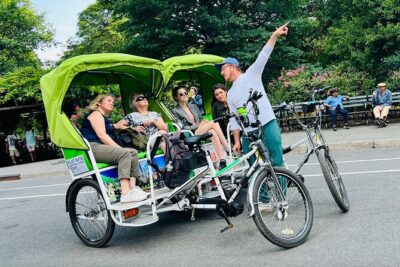 ★ 5.0Central Park Pedicab Guided ToursTickets from $387,108 traveller reviews
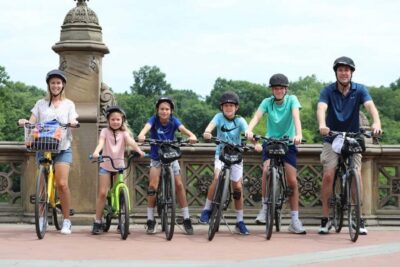
 ★ 5.0Private Central Park Pedicab TourTickets from $386,981 traveller reviews
 ★ 4.2Central Park Bike RentalsTickets from $92,528 traveller reviews
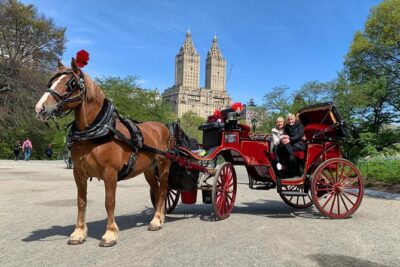 ★ 5.0Official NYC Horse Carriage Rides in Central Park since 1979 ™Tickets from $992,365 traveller reviews
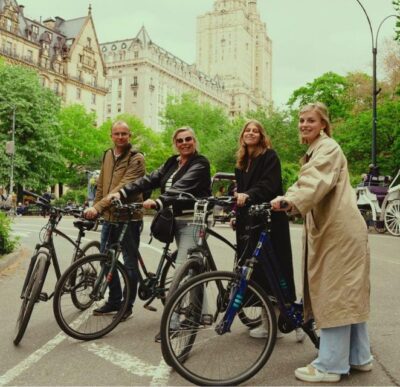 ★ 4.1Central Park Bike RentalTickets from $81,651 traveller reviews
 ★ 4.9Private Central Park Pedicab TourTickets from $401,637 traveller reviews
 ★ 4.7Central Park Bike RentalTickets from $91,509 traveller reviews
 ★ 4.0Carriage Ride in Central Park (VIP – PRIVATE) Since 1964™Tickets from $141,074 traveller reviews
More useful New York routes