
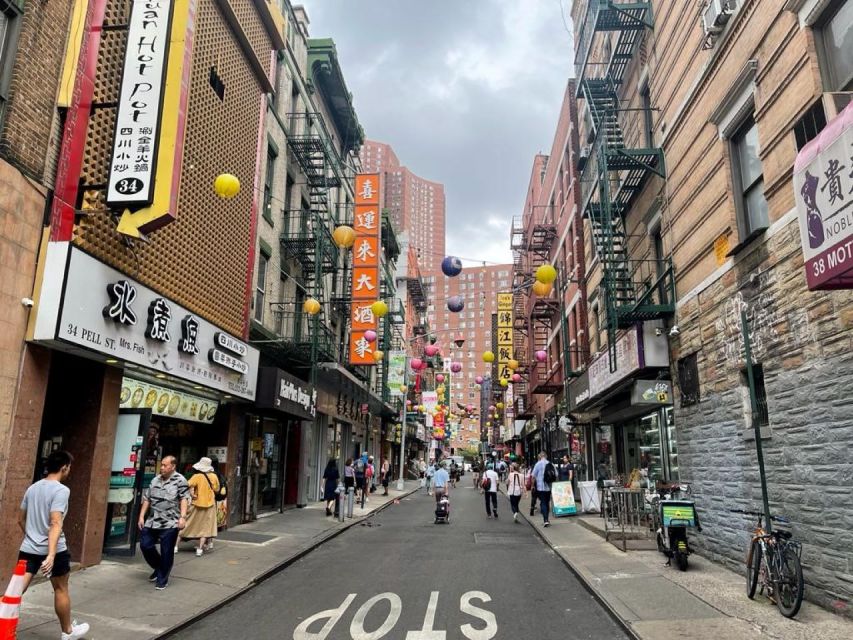
Review · CHINATOWN & LITTLE ITALY TOURS
Chinatown Walking Food Tour of New York
Chinatown tastes better with a plan. This Chinatown walking food tour turns New York’s neighborhood chaos into an easy, bite-sized route, mixing food stops with cultural pauses like Columbus Park and the Church of the Transfiguration. I especially like the way you get real menu variety in a short time, from fried dumplings to dim sum, without spending your whole trip comparing options.
The second thing I like is how much the guide storytelling adds context, with past guides like Vincent described as a friendly, information-heavy presence. One thing to consider: it is not a good fit if you have food allergies or dietary restrictions, since the experience is built around tastings.
Key takeaways
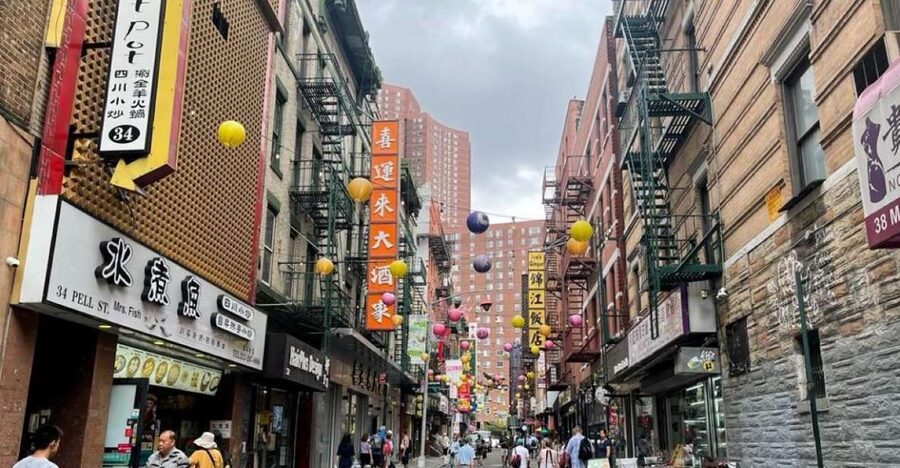
- Fried dumplings and dim sum in two classic Chinatown institutions, with skip-the-line access for smoother timing
- A tight 2-hour route with short visits and tastings, designed to finish on schedule
- Landmarks you can’t really DIY as well like Columbus Park and the Church of the Transfiguration
- Shopping street energy from quick stops such as Silk Road Gaming, Lin Sister, and the final walk through New Kam Man Supermarket
- Big flavor variety in one loop, including ice cream flavors like lychee and durian and fruit market finds like dragon fruit and rambutan
Why this Chinatown walking food tour fits New York reality
New York food tours can be either too much time or too much wandering. This one works because it is built around a 2-hour window and frequent, focused food stops. You get a real mix of Cantonese-style comfort food and Canton-adjacent classics, then you move on before hunger turns into decision fatigue.
The value comes from what’s bundled into the price: a professional licensed guide, skip-the-line access, and multiple food tastings. For $90, that is the practical part. You are paying for convenience plus context, not just samples in random restaurants.
One more reason I like it: the pace sounds structured. There are short “visit” blocks and timed tastings, so you are not stuck waiting around while the group gets hungry at different speeds. And if a group wants to linger, the guide adjusts to keep the tour finishing on time.
You can also read our reviews of more walking tours in New York City

Getting oriented at 91 Bayard St, and staying on time
You start at 91 Bayard St, on the corner of Mulberry and Bayard Street. That spot is handy because you are immediately in the thick of Chinatown streets, where the sights and smells hit quickly. You also get a clear starting point, which matters when you are trying to meet a group in a dense neighborhood.
Two practical notes are worth taking seriously. First, punctuality matters because the tour concludes on schedule. Second, the tour runs rain or shine, so you should plan for comfortable layers and shoes that handle wet sidewalks.
Also, give your booking an active contact telephone number so the guide can reach you if anything changes. In a neighborhood like this, a small delay can turn into a big delay if you cannot reconnect quickly.
Columbus Park context, plus the Church of the Transfiguration on the route
The tour experience is not just a food walk. It includes cultural stops tied to how Chinatown became what it is today.
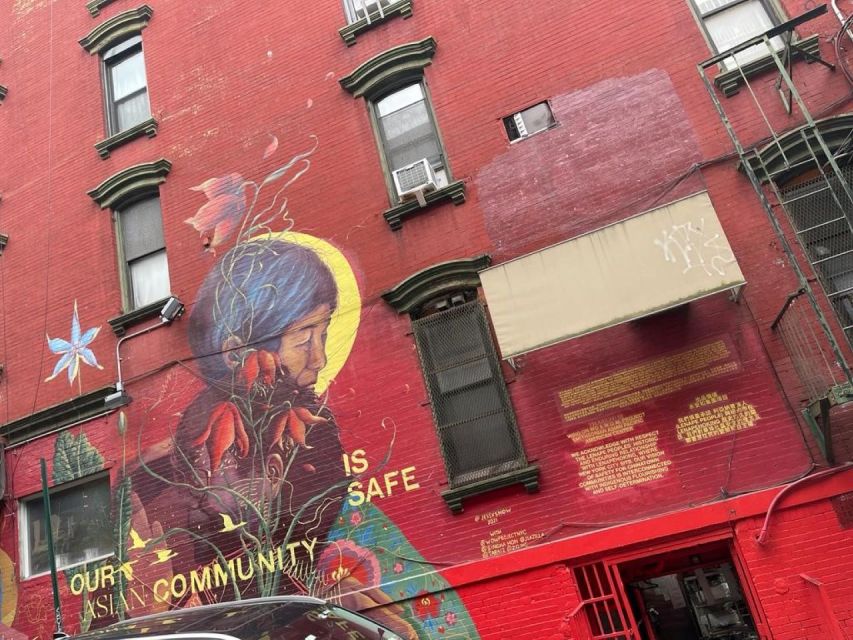
You spend time around Columbus Park, which is described as historically important to the Chinese community and a place where the neighborhood gathers. The story focuses on transformation, from earlier hardship to a community-centered cultural haven. Even if you already know a bit of NYC history, this kind of framing helps you read the neighborhood while you walk, instead of just snapping photos and hoping it all makes sense later.
You also get to visit the Church of the Transfiguration, one of those landmarks that can feel like a time capsule inside a fast-changing neighborhood. It is a good reminder that Chinatown is part of the larger New York story, not a separate island with no connections.
If you like your walking tours with a bit of meaning, these pauses are a big part of the appeal.
Fried dumplings, quick shop stops, and why the timing is smart
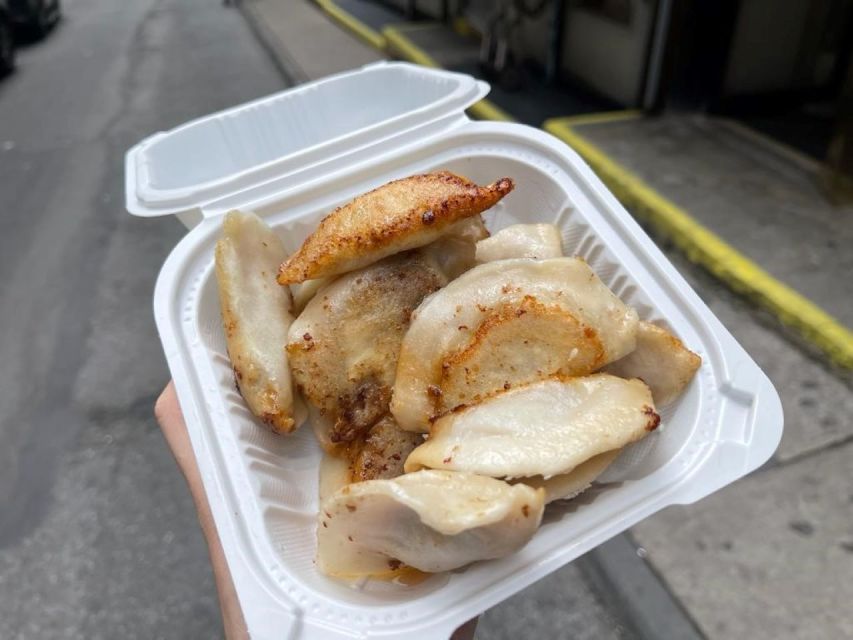
The first tasting is at Fried Dumpling. The format is simple: a focused food stop lasting about 15 minutes. That timing matters because it is enough to try a representative bite, then keep moving before the next location feels like an interruption.
What I like about leading with fried dumplings is how universal they are as a “baseline” flavor. If you have never eaten your way through Chinatown before, dumplings help you calibrate quickly. You can notice textures, fillings, and seasoning without needing a glossary in your head.
After that, the tour includes a short visit to Silk Road Gaming (about 5 minutes). This is not a classic “food only” moment. It is a quick look at the kind of everyday storefront Chinatown has, where modern life and old-world streets sit side by side. Even if you just glance around, it breaks up the walking with a different angle of neighborhood character.
Then you move toward dim sum, so the route keeps a natural flow: warm, savory start, then a change in style.
Nom Wah Tea Parlor dim sum, and the value of skip-the-line access
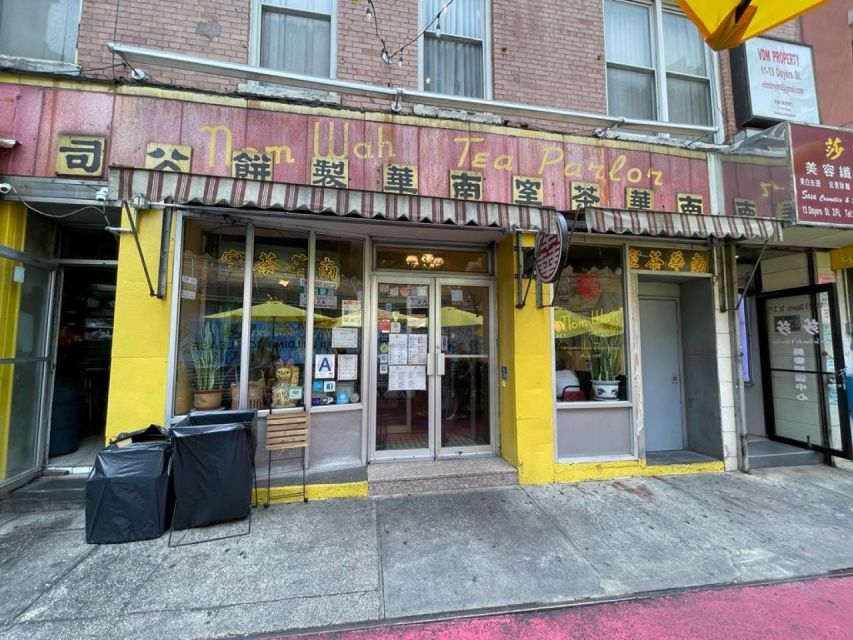
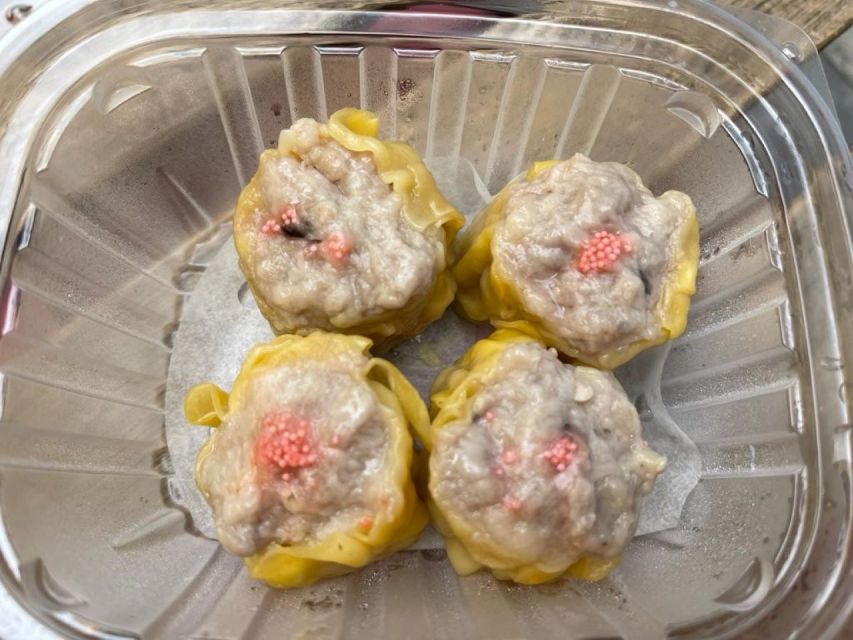
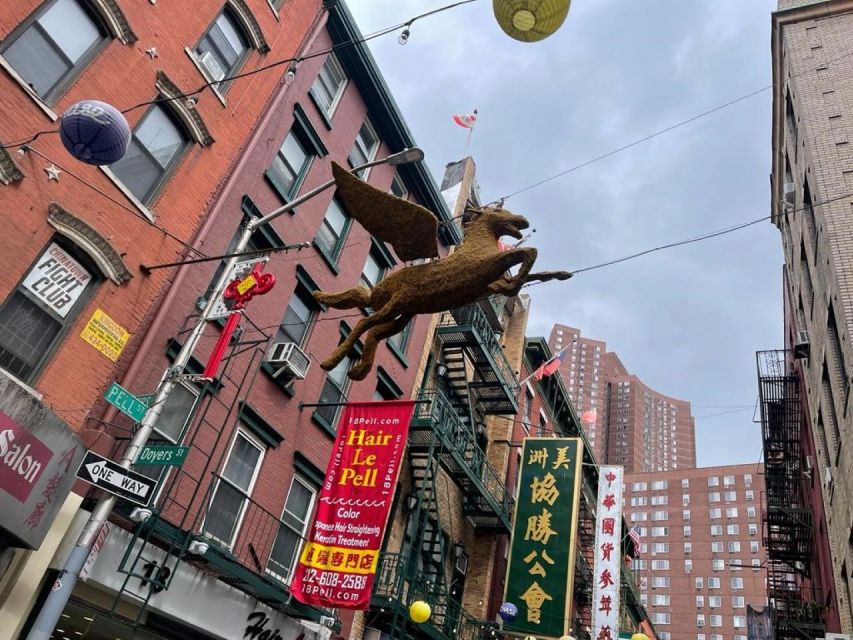
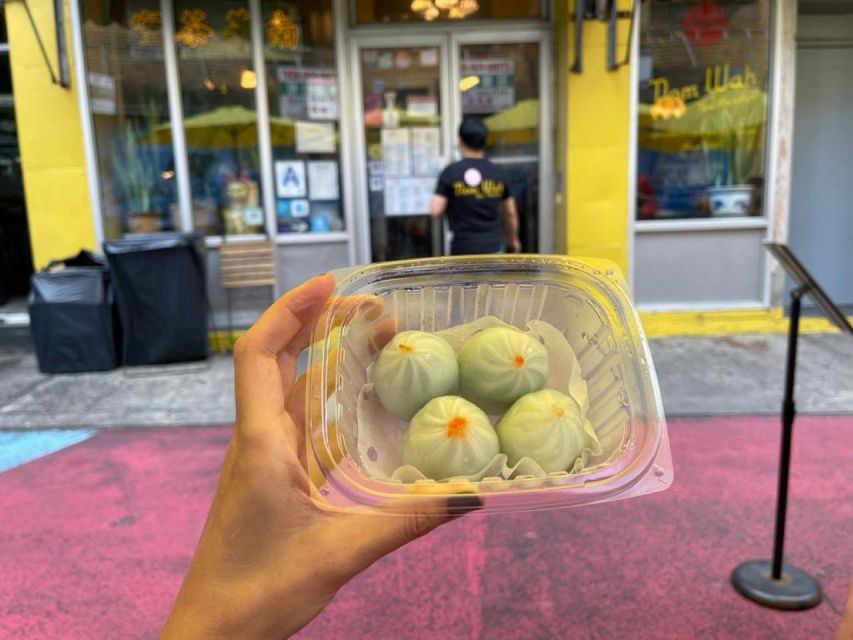
Next comes Nom Wah Tea Parlor, with another 15-minute food tasting block. This is one of the most iconic dim sum names in Chinatown, so it makes sense as a centerpiece stop.
The key practical benefit here is the skip-the-line access. Dim sum places can get crowded, and lines can be long enough to ruin the pacing of a walking tour. With skip-the-line included, you are more likely to actually taste, not just watch other people eat while your scheduled time evaporates.
This stop is also where you get a sense of Chinatown as a community food culture, not just a place that sells meals to tourists. Dim sum is small-plate dining, meant for sharing and sampling. Even on a short tour, the structure fits the experience well.
You can also read our reviews of more food & drink experiences in New York City
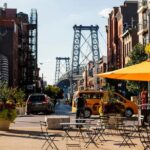
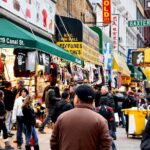
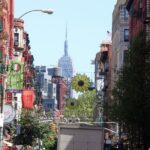
Golden Manna Bakery, Lin Sister, and Edward Mooney House
The tour continues with Golden Manna Bakery, another tasting stop around 15 minutes. Bakeries in Chinatown often feel like local hubs, where the crowd keeps moving but the food is steady and dependable. This is the kind of stop that helps you round out the meal, especially if dumplings and dim sum are only part of what you want.
There is also a short visit to Lin Sister (about 5 minutes). Without inventing details, I can tell you what the timing suggests: it is likely a quick storefront or neighborhood stop to add variety and flavor beyond the sit-down food rhythm.
Then comes a visit to Edward Mooney House, New York City (about 5 minutes). Historic buildings can be the easiest part of a tour to skip if you are rushing, which is why fitting them in for a short moment is smart. You get a taste of the neighborhood’s broader setting while your legs still have energy.
These “5-minute” stops are useful because they break the tour into small segments. You are never stuck in one place too long, and you still get sight and story, not only snacks.
Noodles at Tonii’s Fresh Rice Noodle, plus the sweet and fruit side
After the earlier savory stops, the tour brings you to Tonii’s Fresh Rice Noodle (about 15 minutes). The name alone is a clue: this is where the meal shifts toward a noodle-centric bite. If fried dumplings and dim sum are your foundation, noodles are the next layer. They help you understand how Chinatown covers different textures and eating styles, from dumpling bite size to noodle comfort.
Then the experience includes stops tied to sweets and produce.
You are set up to try exotic flavors at The Original Chinatown Ice Cream Factory, with examples like lychee and durian. If you like adventurous food but hate taking big risks on your own, this kind of tour stop is a controlled way to taste something unusual. You can decide how far you want to go after you taste, instead of committing blindly.
You also get fruit market time on Mulberry Street, including options like dragon fruit and rambutan. That is more than a novelty. Fruit markets give you a look at how people shop day to day, not just how restaurants serve plated dishes. It also helps you see the neighborhood as a working market area, not a themed attraction.
One practical tip: keep some room for the sweet and fruit segment. Even with tastings, the variety adds up. If you arrive hungry, you will be glad. If you arrive with a full stomach, you may find yourself nibbling while thinking about the next stop.
Hidden temple stops, antique browsing, and the Huang Da Xian Taoist Temple
One of the best parts of this tour is that it does not treat Chinatown as only food and commerce. The walking route includes antique shops and a spiritual-cultural stop at Huang Da Xian Taoist Temple.
The value of a temple stop is context. Even if you only spend a short time, seeing the kind of place that holds community rituals helps you understand what you are passing by later when you explore on your own. Chinatown is full of doorways and signage, and it is easy to read all of that as decoration unless someone explains the purpose behind it.
If your travel style is more “understand the place” than “check off a list,” this section is likely to land well.
Ending at New Kam Man Supermarket, so you can keep exploring
The tour finishes at New Kam Man Supermarket. Ending at a market is a smart move because it is not a dead-end like many tours end. You are finishing where locals shop, which gives you a natural next step.
Use the final minutes to pick up small snacks for later, or grab things you saw earlier but did not try. Even if you do not buy anything, it helps you practice reading Chinatown like a resident. You already know the sights and flavor clues, so your self-guided wandering afterward becomes more confident.
Guides, languages, and why the human factor matters
A lot of food tours only get you food. This one tries to get you story, too. That shows up in what people have praised.
Guides like Vincent are described as engaging and packed with facts, with one note calling him a walking Wikipedia who does it with joy. Another guide name that came up is Cédric, praised for kindness. These comments point to a guide-led experience where you are not left staring at menus.
You can also choose among languages, since the tour offers a live guide in English, Chinese, French, and Spanish. That matters here because a neighborhood tour hits harder when you understand what you are hearing, not just the general idea of where you are.
You might also appreciate the family-friendly vibe reflected in the feedback. One result of that is simple: the route is paced so younger eaters can handle it. It is short enough to keep energy up, and the tasting structure helps everyone share and sample.
Price, value, and what you should eat when you arrive hungry
At $90 per person for a 2-hour tour, the honest question is: are you getting enough for the cost?
You are paying for:
- A licensed guide
- Skip-the-line access
- Multiple Chinese food tastings across several recognizable names
The tastings are the real value engine. If you were trying to replicate the route on your own, you would likely spend time waiting and comparing prices and options. Here, the tour does the sequencing, so you get to spend your limited time eating rather than booking and researching.
Who this tour fits best:
- You want a first-time-friendly introduction to New York Chinatown food
- You like learning the neighborhood context while you walk
- You prefer a guided plan in a dense area with lots of choices
Who should think twice:
- Anyone with food allergies or dietary restrictions, because tastings are central to the format
- Anyone who hates walking for short bursts between stops, even though the route is not long
Should you book this Chinatown Walking Food Tour?
Book it if you want a tight, guided route that mixes tastings with real neighborhood context. This is a good “starter Chinatown” experience, especially if you plan to keep exploring afterward, since it ends at a supermarket and you are left with food clues you can follow.
Skip it if your priorities are either heavy fine dining or strict dietary control. The tour is designed around shared tasting moments, and the data provided says it is not suitable for food allergies or dietary restrictions.
If you do book, show up with comfortable shoes and an appetite. Chinatown moves fast, and this tour works best when you treat the tastings like a planned meal, not like a snack break.
FAQ
How long is the Chinatown walking food tour?
The tour lasts 2 hours.
Where do we meet your guide?
Meet your guide at 91 Bayard St, New York, NY 10013, on the corner of Mulberry and Bayard Street.
What is included in the tour price?
The tour includes a professional licensed guide, skip-the-line access, and delicious Chinese food tastings.
What languages are available for the live guide?
The live guide is available in English, Chinese, French, and Spanish.
Does the tour run in bad weather?
Yes. The tour operates rain or shine.
Is the tour suitable for people with food allergies or dietary restrictions?
No. The experience is not suitable for travelers with food allergies or dietary restrictions.
Are pets allowed on this tour?
No, pets are not allowed.
What if the tour is canceled due to low participation, or I need to cancel?
You can cancel up to 24 hours in advance for a full refund. If the tour does not have 5 participants, it may be canceled, and you would receive a refund or the option to book another date.
More Walking Tours in New York City

More Tours in New York City





More Tour Reviews in New York City



Not for you? Here's more nearby things to do in New York City we have reviewed






More Chinatown & Little Italy Tours to consider.
 ★ 5.0SoHo, Little Italy, and Chinatown Walking Tour in New YorkTickets from $393,153 traveller reviews
 ★ 5.0Chinatown & Little Italy Food Tour with 7 Flavorful TastingsTickets from $992,733 traveller reviews
 ★ 5.0Original NYC Guided Food Tour of Chinatown and Little ItalyTickets from $1302,194 traveller reviews
NYC Food Tour: Chinatown and Little ItalyTickets from $991,090 traveller reviews
★ 5.0Original NYC Guided Food Tour of Chinatown and Little ItalyTickets from $1302,194 traveller reviews
NYC Food Tour: Chinatown and Little ItalyTickets from $991,090 traveller reviews
 ★ 4.7Chinatown and Little Italy Food TourTickets from $80703 traveller reviews
 ★ 4.7SoHo, Little Italy, and Chinatown Guided TourTickets from $30614 traveller reviews
 ★ 4.6SoHo, Little Italy, and Chinatown 2-Hour Guided WalkTickets from $39566 traveller reviews
 ★ 5.0SoHo, Little Italy, and Chinatown NYC Guided Walking TourTickets from $36443 traveller reviews
More useful New York routes