
Review · NEW YORK CITY TOURS
East Village NYC Pizza Walking Tour
Three slices, big context. This East Village pizza tour uses NYC’s own streets as your classroom, with stops where the pie evolves from old-world street food to a New York staple.
I really like the three pizzerias, three styles approach, because you taste the differences instead of just hearing about them. I also love that the guide (I’ve seen names like David, Amy, and Laura) keeps things upbeat while staying focused on what matters, including time with owners and pizza makers plus a Pocket Pizza Journal in your hands.
One thing to consider is it is still a walking experience, rain or shine, and beverages are not included. If you get heat or thirst easily, plan for that before you start.
Key points to know before you go
- Three pizza tastings at three diverse pizzerias, timed into a clear “pizza evolution” story
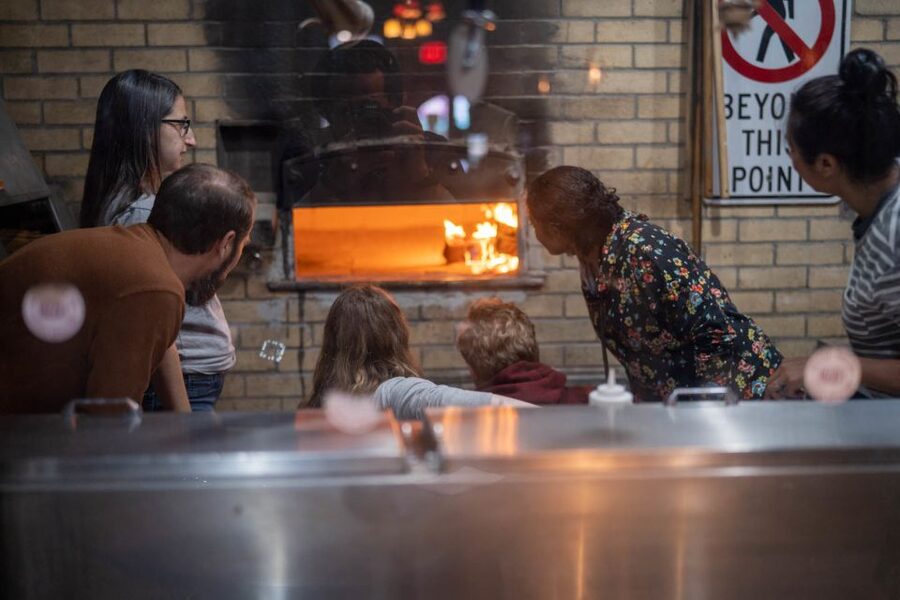
- Oven-to-oven comparisons, so you understand why bake patterns change the crust and texture
- Lower East Side history in plain terms, from immigrant roots to today’s pizza density
- Time with owners and pizzaioli, not just a drive-by stop for photos
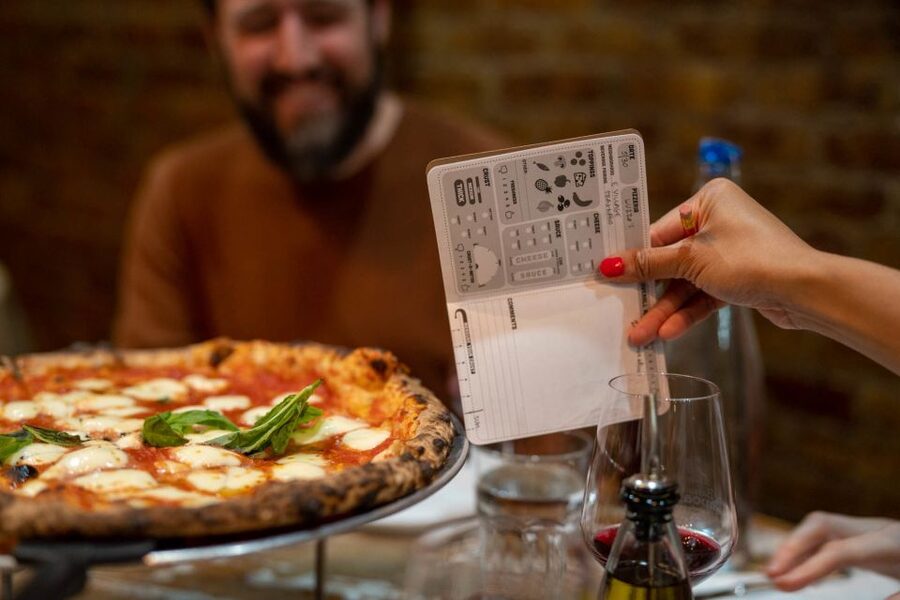
- A Pocket Pizza Journal to help you remember what you taste and what you learn
Why the Lower East Side is the best pizza classroom
New York has plenty of pizza, but the Lower East Side feels like the most honest place to study it. The neighborhood grew from immigrant life that was crowded, hard-working, and fast-moving, and that mix still shows up in the food scene.
What I like about this tour is that it treats pizza as culture, not just calories. You do not just order a slice and move on. You connect dough, technique, and oven style to the neighborhood’s history of people rebuilding a life, then feeding a community.
And the setting helps. You walk through the East Village and into Alphabet City, where pizza shops are close enough that you can bounce between styles without wasting your whole day in transit. For a food tour, that kind of geography matters.
You can also read our reviews of more walking tours in New York City



How the tour flows from the Gnocco meeting point through Alphabet City
You meet at Gnocco Pizzeria, 337 E. 10th St. It is close to the 1st Ave stop on the L line, just a couple blocks away, which makes it easy to plug into an afternoon or evening plan.
From there, you spend the next 2.5 hours walking and eating. Since the tour runs rain or shine, I suggest you wear shoes you trust and bring a light rain layer if the forecast looks iffy. It is a simple rule, but it makes the difference between a fun meal walk and a miserable one.
The included pace is also built around three pizza stops. That means you get time to taste and ask questions, not just a quick bite-and-go rhythm. You also get a walking segment that gives context as you go, so you understand why each stop fits the bigger pizza story.
Stop your pizza timeline: Neapolitan roots and dough you can actually taste
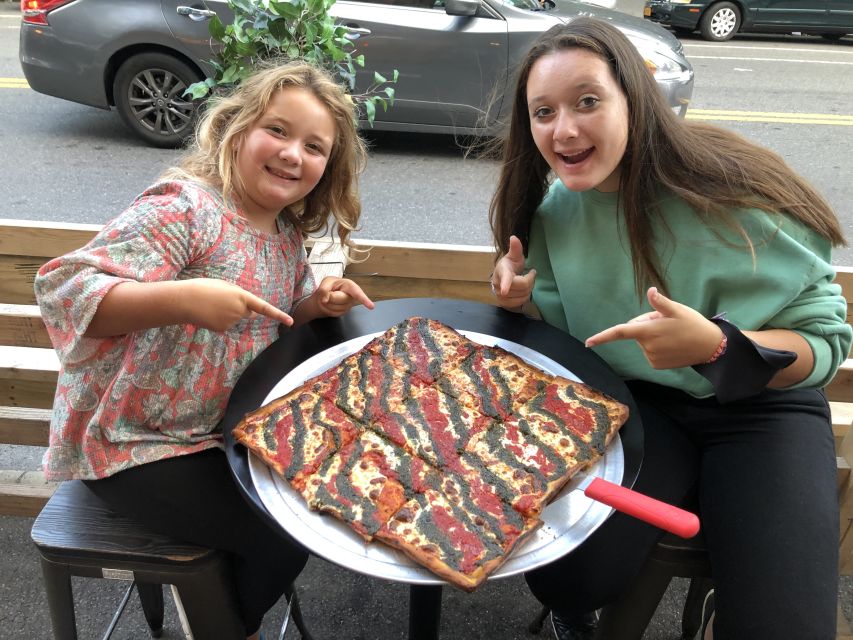
One of the best ideas here is the tour’s concept: each pizzeria focuses on a different stage of pizza development. The story starts with the Neapolitan street-food side, then moves toward the flavors and methods that became a true American staple.
At the first tasting, the goal is to pay attention to the basics, because that is where the “origin story” lives. You’ll be listening for what dough does in the oven, how it stretches, and what happens when it is baked at the right heat long enough for structure to form. Even if you have eaten Neapolitan-style pizza before, this makes you notice the details you usually ignore.
This is also where the tour’s education style pays off. The guide is described as a serious pizza pro and licensed tour guide, and the structure is designed to keep you from drowning in trivia. You’re learning while you’re eating, with stops built to show differences instead of just talking.
What to do while you taste: slow down for a few bites and look at the crust edge and center. You are not hunting for a single “best” slice. You are collecting evidence for how pizza changes with technique and baking style.
The oven comparison moment: how bake patterns change crust and crumb
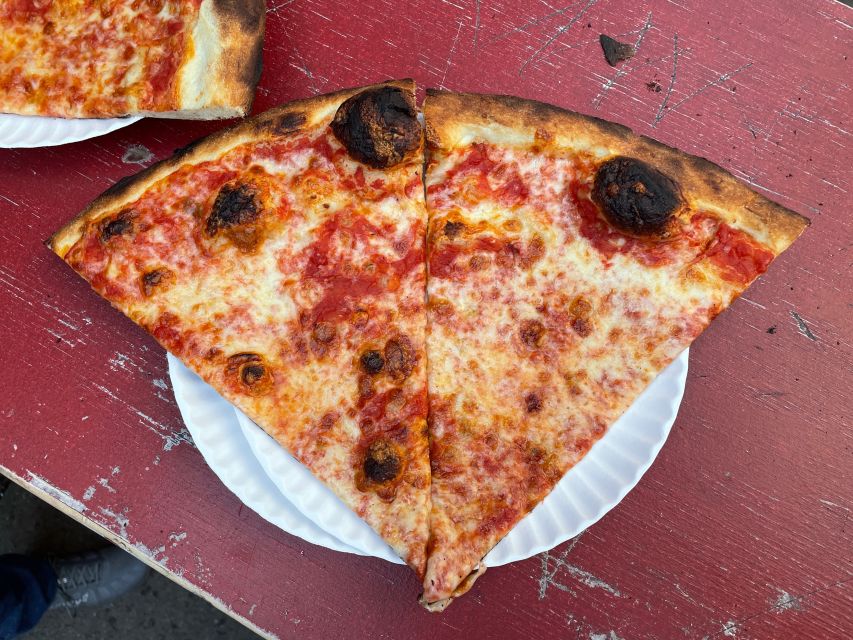
Pizza is not just a topping delivery system. It is baking science and timing, and this tour makes that point in a practical way.
You compare three different pizza ovens and how they affect the way each pizza comes out. That comparison is one of the most praised elements because it turns a vague idea, “this one tastes different,” into a clearer explanation of why it differs.
Here is what I think you’ll get out of it: you start to connect texture with heat and bake time. A hotter oven can drive faster cooking and different blistering. Baking patterns influence moisture and the way the crust sets, which changes how the slice folds and how it holds up from first bite to last bite.
Also, the tour includes talk about dough stretching techniques. Even if you never become the person who stretches dough on a counter at home, you’ll learn what the dough should feel like before it hits the oven. That matters because it explains why some pizzas taste airy and elastic and others taste denser and more firmly structured.
Tip for you: when you get to the oven comparison part, try one bite plain, then one bite with your usual topping preference. It helps you separate what’s coming from the dough and bake from what’s coming from sauce or toppings.
Stop with the pizzaioli: owners, technique, and why the stories taste better
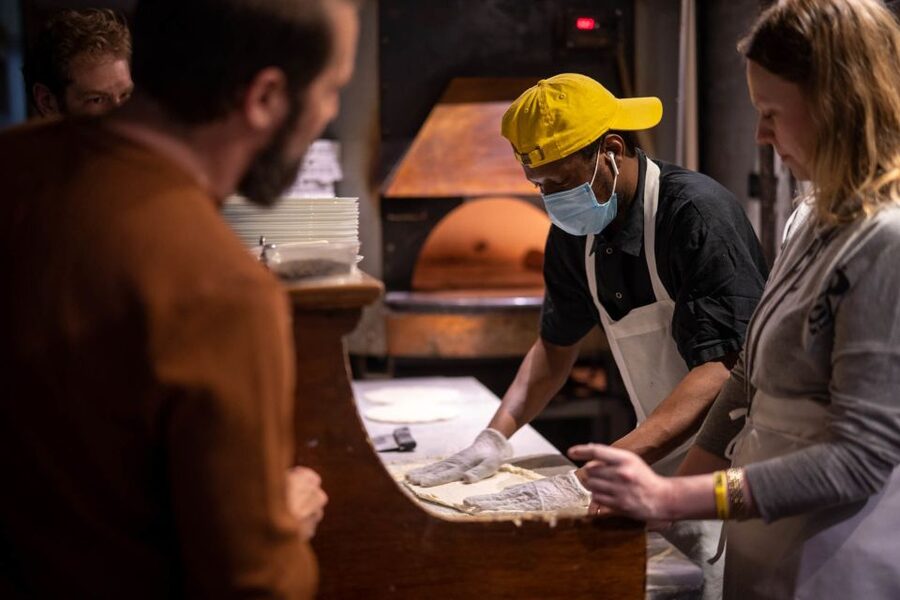
A big part of why this works is that you do not only meet the pizza. You also meet the people making it.
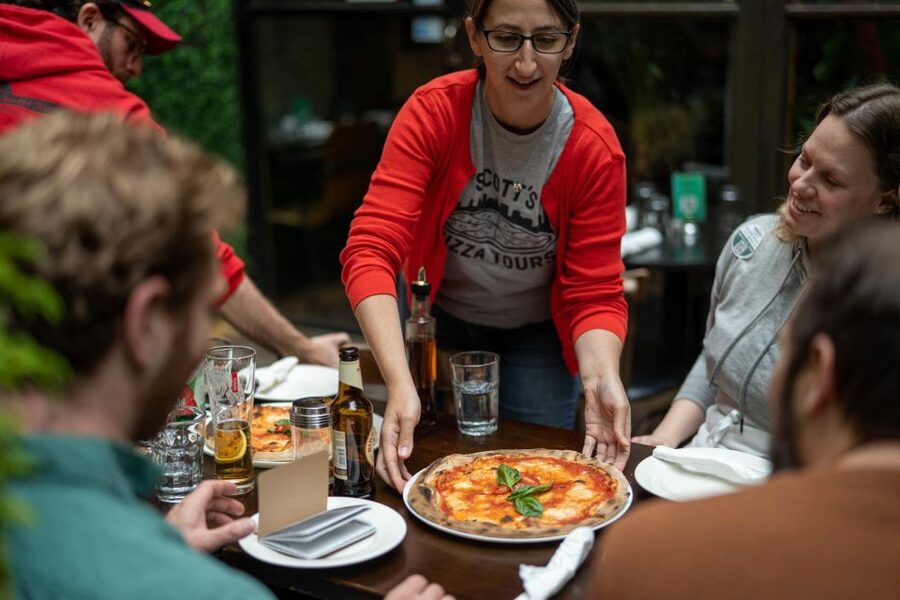
The tour plans time with the owners and pizzaioli at Lower East Side pizzerias. That changes the energy immediately. Instead of a guide reciting facts, you get a human connection to the craft, and you’re more likely to ask the questions you actually care about.
In the reviews, you can see how much people liked this personal, question-friendly approach. Names like David, Laura, and Amy come up alongside words like friendly, patient, informative, and humorous. That is a strong signal that the guide is managing the room well, keeping the group engaged while answering questions without rushing anyone.
You’ll also hear about pizza’s development across time, including historical context tied to immigration and neighborhood life. The Lower East Side section is not just a backdrop. It gives you a reason to pay attention to why pizza styles and shop culture took root in this area in the first place.
If you’re a “curious eater,” this is where you’ll feel the most satisfied. You leave with a mental map of how people think about dough, heat, and timing, not just a list of places to return to.





What the included Pocket Pizza Journal is good for
The Pocket Pizza Journal sounds like a small extra, but it actually does a lot. A lot of food tours end with you remembering impressions, but forgetting specifics.
This journal nudges you to keep notes on what you taste and what you learn at each stop. That is useful later, when you’re trying to recreate what you liked or when you’re comparing pizzas on your own after the tour ends.
It also keeps you engaged during the walk. You have a prompt for what to observe, which turns the experience into active tasting rather than passive eating. For a 2.5-hour format, that matters.
If you like food writing or you just like remembering details, bring a pen if yours does not travel well in your bag. If you forget, the tour provides what you need for the format, but you might still appreciate having your own tool.
Price and value: is $65 a fair deal for a 2.5-hour pizza walk?
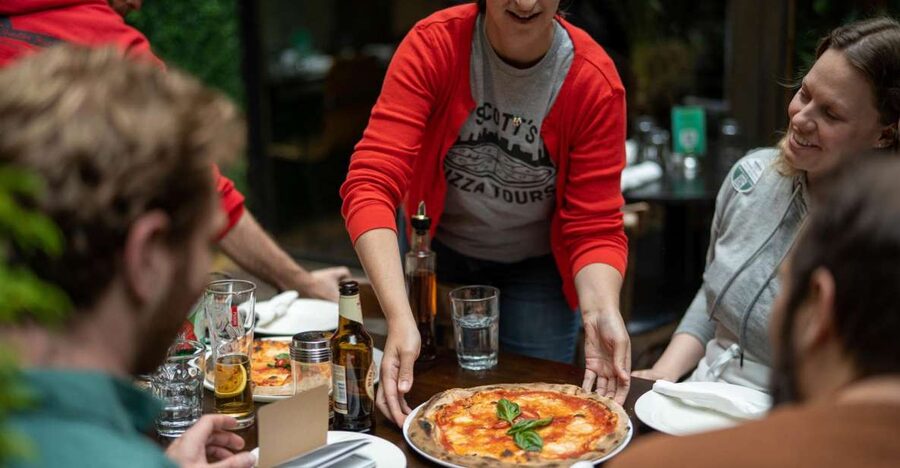
At $65 per person for about 2.5 hours, you are not just paying for pizza. You are paying for three tastings, guided context, and access to the people behind the pies.
Three pizza slices at three pizzerias is already a meaningful chunk of the cost, and it is not a “choose your own” deal. The tour also includes the walk through East Village and Alphabet City plus the neighborhood history and structured oven-and-technique comparisons.
Where the value really shows is in the learning design. You’re not wandering from shop to shop deciding what to try based on a menu board. The guide organizes your tasting so the differences make sense as a sequence, from Neapolitan roots to the American staple style.
Possible drawback on value for some people: if you mainly want the cheapest pizza you can find, a guided tour may feel pricey. But if you want an efficient, guided way to understand why New York pizza tastes the way it does, the price aligns with the experience you get.
My practical suggestion: treat this as a “pizza education and tasting” tour, not a casual lunch crawl. If you show up with that mindset, you’ll feel like you got your money’s worth.
Who this tour is best for, and who should skip it
This tour fits best if you enjoy food details and you like asking questions while you eat. If you’re the type who thinks about crust texture, sauce balance, and how a slice folds, you’ll get more than a typical sightseeing stop.
It also works well for couples and small groups who want something more personal than a bus tour. The walking route keeps you connected to the neighborhood, and the multiple pizzerias give you variety without needing to plan each stop yourself.
You might want to reconsider if you strongly prefer sitting down for most of your outing. This is a walk, and the schedule is built around tasting at three places. You also should be mindful that beverages are not included, so if you need a drink with every course-style stop, plan ahead.
And if you have strict dietary needs, the tour data only says pizza slices are included. In that case, you might find it easier to ask questions directly when you book, before you commit.
Final verdict: should you book this East Village pizza walking tour?
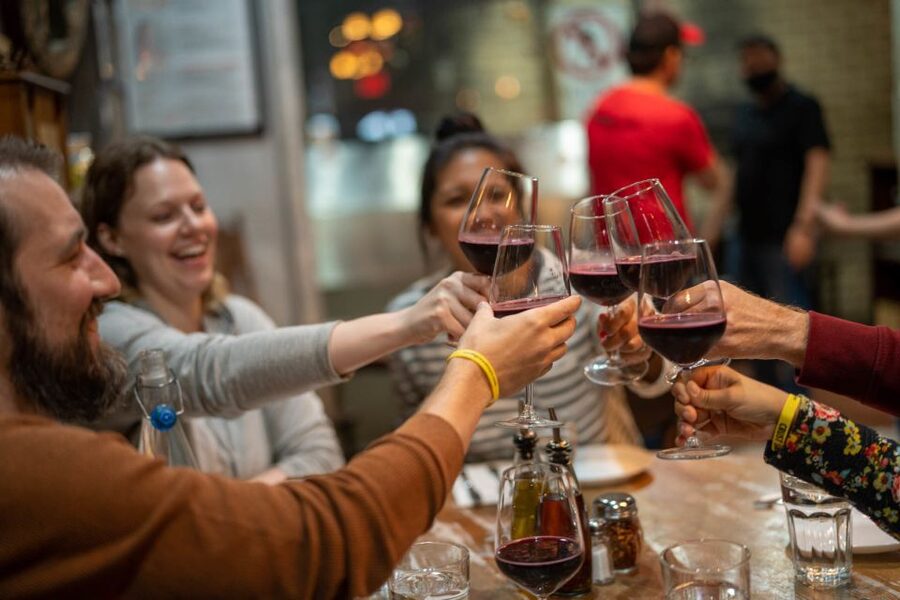
If you want a pizza day that makes your next slice make more sense, I think this tour is a smart booking. You get three different styles, oven comparisons, and time with pizza makers, all wrapped inside Lower East Side history that actually explains the setting.
Book it if you like guided food experiences where the learning is part of the fun, not an extra burden. Skip it if you mainly want a cheap, free-for-all meal plan or if you dislike walking.
If your goal is understanding, not just eating, this is exactly that.
FAQ
How long is the East Village NYC Pizza Walking Tour?
The tour duration is 2.5 hours.
What does the tour cost?
The price is $65 per person.
Where is the meeting point?
Meet at Gnocco Pizzeria, 337 E. 10th St., New York, NY 10009.
What is included in the ticket price?
The tour includes a walking route through the East Village and Alphabet City, pizza slices at 3 pizzerias, neighborhood history, a Pocket Pizza Journal, and guidance by a live, licensed tour guide.
Are beverages included?
No. Beverages are not included.
Is the tour guided in English?
Yes. The live tour guide is English.
Does the tour run in bad weather?
Yes. The tour runs rain or shine.
Is there a cancellation option?
There is free cancellation up to 24 hours in advance for a full refund, based on the tour’s policy.
More Walking Tours in New York City


More Tours in New York City




More Tour Reviews in New York City



Not for you? Here's more nearby things to do in New York City we have reviewed











More New York City Tours to consider.
 ★ 4.7SUMMIT One Vanderbilt TicketsTickets from $4751,195 traveller reviews
 ★ 4.7Empire State Building Tickets – Observatory & MuseumTickets from $4725,757 traveller reviews
 ★ 4.6Statue of Liberty & Ellis Island with FerryTickets from $1918,683 traveller reviews
 ★ 4.5American Museum of Natural History TicketTickets from $3715,447 traveller reviews
 ★ 5.0New York in One Day Guided Sightseeing TourTickets from $9913,166 traveller reviews
 ★ 4.6Museum of Modern Art (MoMA) Entry TicketTickets from $3012,540 traveller reviews
 ★ 4.7One World Observatory Skip-the-Line TicketTickets from $3012,329 traveller reviews
 ★ 4.7New York CityPASS®: Save up to 41% at 5 Top AttractionsTickets from $15410,548 traveller reviews
More useful New York routes