
Review · WALKING TOURS
Fifth Avenue Gilded Age Mansions Walking Tour
Fifth Avenue gets personal in two hours. This guided walk turns grand addresses into a real story of wealth, power, and taste, with stops that range from the mansion row feel of Fifth Avenue to the quieter edges of Central Park.
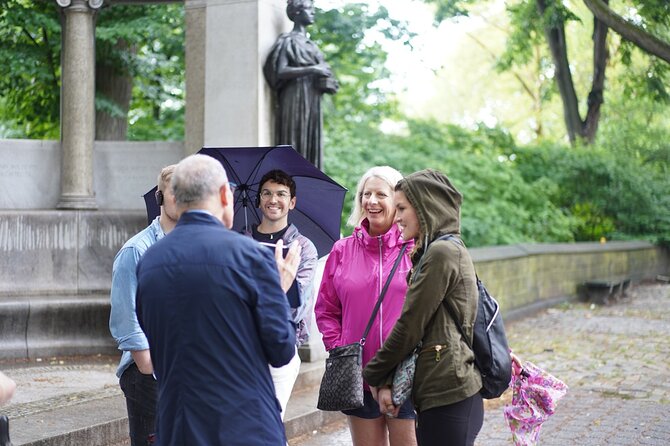
I especially like the included ear pieces, which help you catch every word even when the group has to pause or sidewalk traffic gets loud. I also like the way the route uses landmark buildings as visual clues, so you’re not just staring at pretty facades, you’re learning what they were built to say.
One thing to plan for: this tour is mostly a street-and-sidewalk experience. If you’re hoping for multiple big interior mansion visits, adjust your expectations and think of it as architecture spotting plus guided context rather than a long series of rooms.
Key points to know before you go
- Earpieces are included, so you hear the guide from a distance and can keep your eyes on the buildings
- Small group size (max 17) makes it easier to stay together and ask questions
- Two hours on foot feels doable, but it is still a walking tour, so wear comfortable shoes
- Stops connect Fifth Avenue to Central Park’s borders, giving you a smart Upper East Side loop
- Guides like Bill Shaffer, Richard, AJ, and Rose show up in the praise for keeping stories clear and paced
Fifth Avenue’s Gilded Age story told block by block
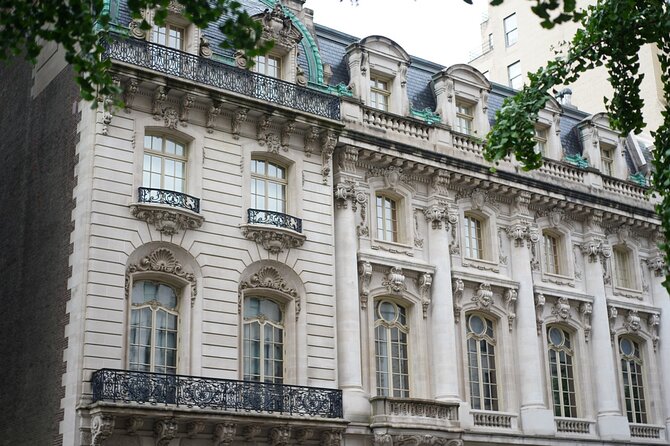
There’s a reason Fifth Avenue still pulls people in. On this walk, it stops being just a famous street and starts behaving like a timeline you can read while you walk. You get the big, confident mansion lineup vibe, then the route bends toward Central Park and the cultural institutions nearby, which helps you see how the wealthy world of the late 1800s and early 1900s connected to public spaces and elite taste.
I love tours like this because the guide doesn’t ask you to “admire.” They ask you to notice. That’s how the architecture turns from scenery into evidence, like cornices, building setbacks, and the way certain institutions sit right in the middle of the city’s power grid.
You can also read our reviews of more walking tours in New York City



Price and value: why $39 can work in NYC
At $39 per person for about 2 hours, this sits in the “reasonable treat” zone for Manhattan. The value comes from a few things working together: you get a local New Yorker guiding you, you get ear pieces to make the information usable (not muffled), and you get a tight route that hits a lot of recognizable Upper East Side landmarks without turning into a half-day commitment.
Also, every stop listed is “admission ticket free,” which matters in NYC. You’re not paying extra each time you stop at a new frontage, plaza, or park area. It’s a smart setup if you want guided context without turning your day into a chain of separate ticket purchases.
Small group, included earpieces, and real pacing
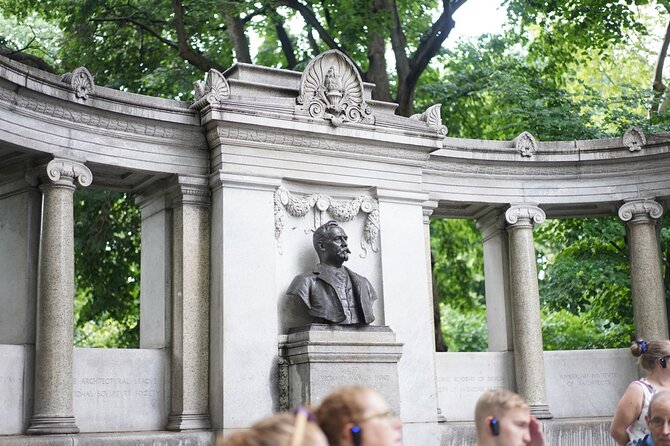
This tour caps at a maximum of 17 people, which is a sweet spot for a walking format. Smaller groups keep the flow smoother and help you hear the guide’s prompts while still staying oriented.
The ear pieces are a big part of why this tour feels easy to follow. Multiple guide praises mention clear explanations and steady pacing, and one review also noted an ear piece that fell off, so do yourself a favor and adjust them right at the start. If you’ve got tricky ear fit, take a second before you begin to make sure everything sits correctly.
Guides also get credit for keeping people together. One review specifically highlighted that the guide tracked participants and stayed on top of the group. That’s not just nice service, it helps the whole tour feel calm, even when you’re squeezing past crowds.
What to expect from the mansion row vibe
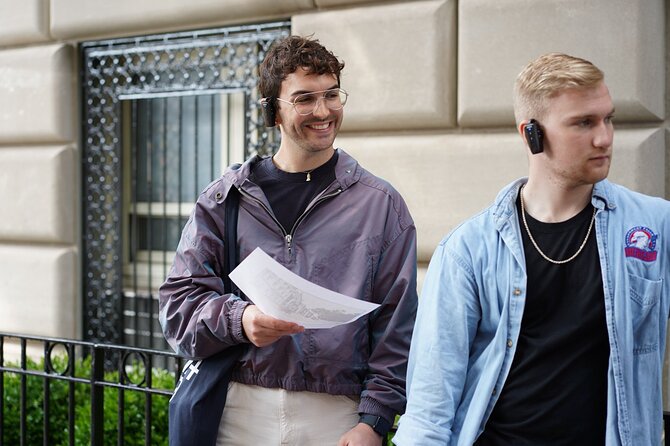
This is not a “walk through ten interiors” type of day. It’s built around the addresses and frontages, with the guide translating what you see into a story about the era. One review pointed out that you go inside only a single gilded age mansion, while the rest of the experience is outside at specific buildings and areas.
That outside-first approach can be a plus. It’s faster to cover ground, you still get the big architectural moments, and the city air keeps the tour from feeling like a museum queue. If you love reading the clues in a building’s exterior details, you’ll probably enjoy it more than you expect.
Your walk route: Fifth Avenue, Central Park edges, and museum-adjacent culture
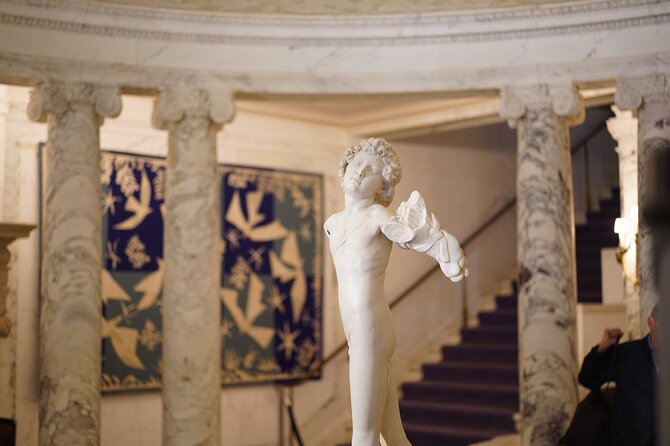
The route is structured like a loop that builds atmosphere. You start with Fifth Avenue energy, then slide into Central Park’s borders and nearby cultural landmarks, and you finish back on the Fifth Avenue side where the addresses get flashy again.
Below is what you’ll encounter at each stop, plus what to look for and where to watch your step.






Stop 1: Fifth Avenue (about 20 minutes)
This is your anchor. Fifth Avenue is where the Gilded Age myth becomes visible, because the street’s grand facades were meant to be seen. Your guide’s job here is to connect the look to the ambition behind it, so you’ll likely spend less time “spotting famous buildings” and more time understanding why they were designed the way they were.
Practical note: the curbside can feel hectic. Stay close to the group line so you don’t lose the guide’s narration. If you’re the photo type, take quick shots during stops, but keep your eyes up, traffic is real.
Stop 2: Central Park (about 10 minutes)
You shift from mansion row swagger to a more breathing-space moment. Central Park sits between the Upper West and Upper East sides, so it acts like a hinge in the story: private wealth to public recreation.
What to notice: the park edge views that frame the skyline and the way the park changes the mood of the city blocks. Even in a short time, it helps you understand the social contrast the Gilded Age families were navigating.
Stop 3: The Arsenal, 830 5th Ave (about 10 minutes)
This is a stop that adds texture beyond the obvious. You’re at the sort of building that feels “institutional,” and that matters because it shows how the same address corridor included more than just private residences.
Look for architectural cues that tell you what the building was meant to represent. Your guide’s explanation is usually what turns a facade into a context lesson.
Stop 4: Central Park Zoo, East 64th Street (about 10 minutes)
The zoo stop is short, but it’s useful because it reinforces the public side of the neighborhood identity. You’re still in the Central Park world, and that contrasts with the private mansion narrative.
If you’ve been picturing the era as only gated privilege, this stop gently corrects that view. You get the sense that prestige also meant shaping how the city shared its space.
Stop 5: Temple Emanu-El, 1 E 65th St (about 10 minutes)
A big house of worship in this stretch signals something important: the Gilded Age wasn’t only about money. It was also about community status, influence, and the institutions elite families supported.
What to expect: you’ll likely get context for why buildings like this matter to the broader Upper East Side story. Even if you don’t read every architectural detail, the guided framing helps you recognize the “why” behind the “wow.”
Stop 6: The Frick Collection, 1 E 70th St (about 10 minutes)
This is where culture starts to feel like power. The Frick Collection stop ties art collecting and private taste to public-facing institutions.
Look for how the building and its setting make art feel both serious and exclusive. That tension is part of the Gilded Age appeal, and your guide should connect it to the era’s social structure.
Stop 7: Albertine, 972 5th Ave (about 10 minutes)
This stop adds a modern layer to the old-story route. You’re still walking the Fifth Avenue corridor, but you’re also seeing how addresses keep transforming over time.
Why it’s worth your attention: it helps you remember that “Gilded Age” doesn’t live in a frozen museum. The city repurposes real estate, and the guide should help you connect past and present in a way that makes the street feel alive.
Stop 8: The Metropolitan Museum of Art, 1000 5th Ave (about 10 minutes)
This is one of the day’s big name landmarks, and the timing is ideal because it comes after you’ve built the context for elite influence. Museums are a huge part of how wealthy New Yorkers displayed values publicly.
What to notice: the institution’s prominent placement and how it changes the vibe of the avenue. Even with a short stop, you’ll probably get story points about why the museum mattered to people of that era.
Stop 9: Central Park again (about 10 minutes)
Yes, you return to Central Park. That repetition is smart, because it lets you compare what you felt earlier with a different angle of the park’s role. It’s like taking two snapshots of the same idea from different positions on the map.
If you’re wondering why it’s there twice, think of it as a reset button. The tour’s story needs breathing space, and the park provides it.
Stop 10: Bergdorf Goodman (about 10 minutes)
This is the glamour shift. Bergdorf Goodman represents a different kind of elite identity, one tied to fashion and luxury retail rather than private mansion ownership.
What to expect from the guide: likely a contrast between old wealth display and the way consumer luxury takes over some of the spotlight later. It’s a fun angle, and it also helps you understand why Fifth Avenue stays such a magnet.
Stop 11: Ukrainian Institute of America, 2 E 79th St (about 10 minutes)
The finish is another institutional stop, and it can feel like the tour is broadening beyond one narrow time window. That’s useful because it reminds you that the Upper East Side has continued to attract communities and build cultural presence well beyond the original mansion heyday.
When you get here, you’re close to the end of the walk. Use the last minutes to ask your final questions, because the guide’s pacing typically holds up right through the wrap-up.
How guides bring the era to life, with names you might hear
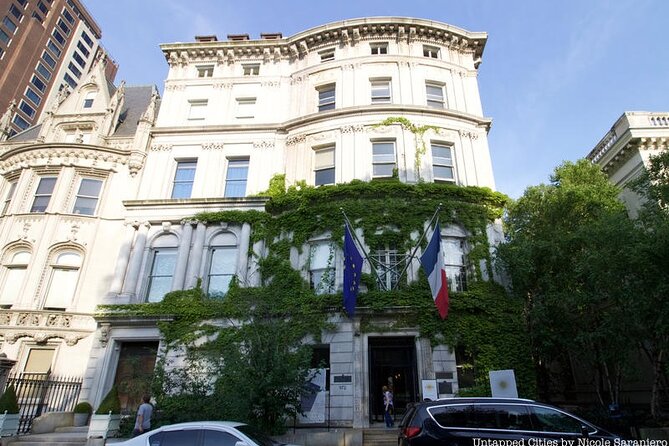
The tour is led by a local New Yorker, and the praise is consistent about storytelling clarity and engagement. In the guide names that show up in the notes, I’ve seen people highlight Bill Shaffer and Richard for keeping facts organized and making the era feel real. Others mentioned AJ, Rose, and Hazel for being patient with slower walkers and keeping energy high.
One review also mentioned that guides use old photographs and stories attached to addresses. That kind of visual storytelling helps a lot on a street tour, because it gives your brain something to anchor to besides what’s right in front of you.
Pace and comfort tips for a 2-hour walk
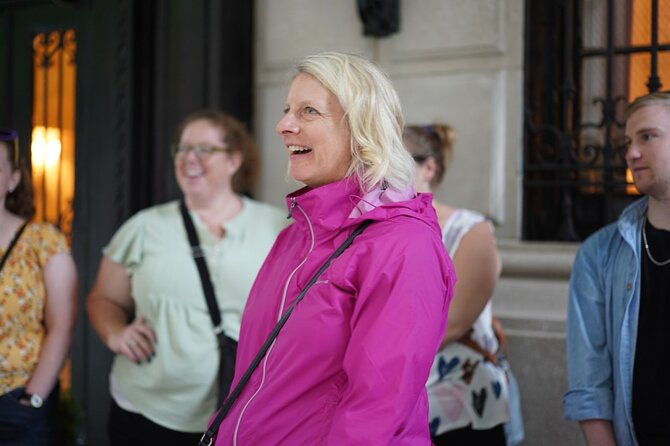
You should plan for moderate walking. It’s short enough for most people to manage, but it is still a real two-hour outing. One review called out weather and suggested planning wardrobe for wind and cold, so if you’re going in cooler months, bring layers, and consider gloves if your hands get stiff.
Footwear matters. If you want to keep your mind on the architecture, you need your feet to be comfortable. The route includes park edges and city sidewalks, where uneven pavement and curb cuts are common.
And again, take one minute with the ear pieces before you start. One participant reported ear piece trouble, so treat it like any tech, check it, then you’re set.
Will it connect to The Gilded Age TV show?
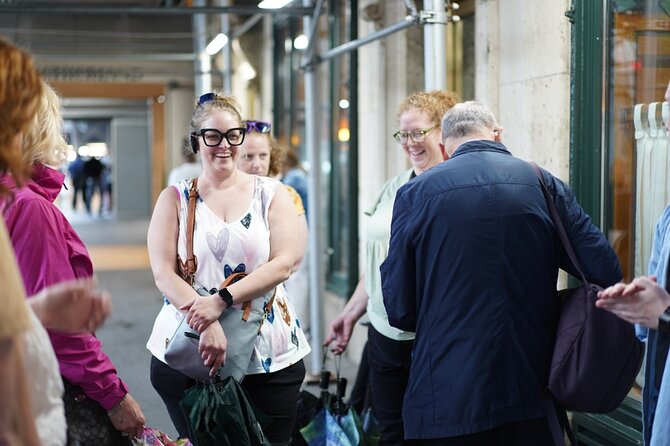
If you’re a fan of The Gilded Age, you might get some references. One review said the guide tied in the show well, while another said there was not much tie-in knowledge. So treat the show connection as an optional bonus, not a guarantee.
Your sure bet is the street-level architecture and the historical storytelling about late 1800s and early 1900s life. If you come for that, you should have a great time regardless of whether you recognize every TV detail.
Should you book this Fifth Avenue Gilded Age walking tour?
Book it if you want an efficient, guided way to understand Fifth Avenue and the Upper East Side without spending your whole day inside museums or private buildings. The combo of ear pieces included, a small max group size, and a route that links mansion-row views to Central Park and major institutions is strong value for $39.
Skip it if you want lots of interior access across multiple mansions and museums. This is largely an outside walk with guided context, and while one mansion entry may happen, you should plan for street viewing as the main event.
If your travel style is part history, part architecture, and part city energy, you’ll likely walk away with a much clearer picture of what made the Gilded Age such a loud, visible era on these blocks.
More Walking Tours in New York City


More Tours in New York City




More Tour Reviews in New York City



Not for you? Here's more nearby things to do in New York City we have reviewed












More Walking Tours to consider.
 ★ 5.0SoHo, Little Italy, and Chinatown Walking Tour in New YorkTickets from $393,153 traveller reviews
 ★ 5.0Secrets of Grand Central Station Walking Tour New York CityTickets from $391,796 traveller reviews
 ★ 5.0Greenwich Village Walking and Food Tasting TourTickets from $941,572 traveller reviews
 ★ 5.0Artistic, Alternative Greenwich Village Walking TourTickets from $39971 traveller reviews
 ★ 5.0True Crime NYC: Mafia Walk w/Ret. NYPD Detective and Local FoodTickets from $75848 traveller reviews
 ★ 5.0Central Park Guided Walking TourTickets from $44774 traveller reviews
 ★ 4.6Private Walking Tour with a LocalTickets from $55771 traveller reviews
 ★ 5.0NYC Lower East Side Walking and Food TourTickets from $94646 traveller reviews
More useful New York routes