
Review · WALKING TOURS
Grand Central Terminal Walking Tour
Grand Central has secrets behind every clock. A guided walk through Grand Central Terminal turns a place you think you know into a story you can actually follow, with stops focused on history, architecture, and the little details people miss. The tour runs about 1.5 to 2 hours, uses a mobile ticket, and keeps things efficient so you can keep exploring after the walk.
I especially like the way the tour connects the station to big turning points in New York, from what was on the site before to the dramatic accident that helped push construction forward. I also like the architecture angle, including the astronomy details in the Main Concourse, which gives you something concrete to look for as you move through the space.
One thing to factor in is that the experience requires good weather. If conditions are poor, you may need a different date, since it is designed as a walking tour and not a long indoor stay.
Key highlights at a glance

- A focused 1.5 to 2 hour orientation that helps you navigate Grand Central without getting lost in facts
- Main Concourse astronomy explained as part of the station’s design story
- A real rescue story featuring how Jacqueline Kennedy Onassis helped save Grand Central
- Myths and urban legends handled in a practical, story-first way
- Small-group feel capped at 35 travelers, with time to ask questions when the group stays compact
Grand Central Terminal is more than a stop on the map
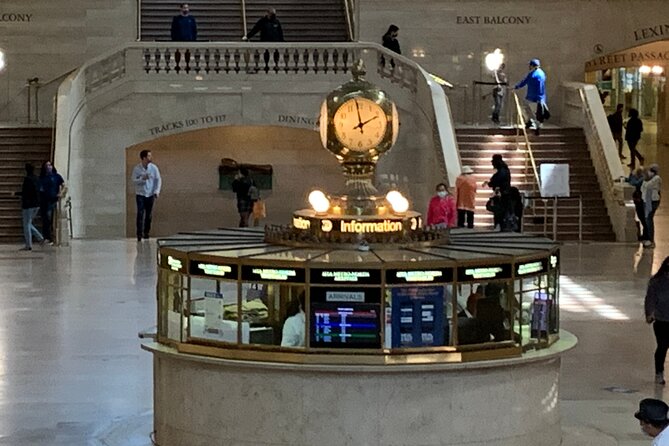
Grand Central looks like it has always been there, which is exactly why it helps to get a guided context. When you’re standing in front of the terminal, it’s easy to treat it like a backdrop. This tour reframes it as a changing project shaped by older plans, disasters, and then decades of preservation.
You’ll start with the basic “how did we get here” questions, including why Grand Central is where it is and what was there before it. That early layer matters, because it explains why the terminal feels so anchored to its neighborhood even though its form is the result of decisions and revisions over time.
From there, the tour leans into the kind of stories that make the building stick in your head. You’ll hear about how a terrible accident helped lead to construction, and how later events put the future of the station in doubt. The end result is simple: you walk out with a mental map of what you just saw and why it exists.
You can also read our reviews of more walking tours in New York City



Price and time: where the $35 value really comes from
At $35 per person for roughly 1.5 to 2 hours, this is priced for an experience that works as an information boost. You are not paying for a long, all-day program. You are paying for a tight guided pass through the most meaningful themes of the terminal.
That matters in New York, because time is expensive and your schedule is usually already full. The tour is designed to be efficient, leaving you time to go back in on your own and look longer at what grabbed you. In other words, you get a guided framework, then you do the fun part, which is lingering.
Also, admission is free within the tour flow. While you still should budget time for your own wandering after, you are not looking at an extra add-on cost just to see the core place the tour is centered on.
Meeting at 90 E 42nd St and what to expect logistically
You meet at 90 E 42nd St, New York, NY 10017, and the tour ends back at the same meeting point. That “back to the start” format is underrated. It helps you plan your day because you’re not factoring in a new endpoint neighborhood or transferring plans right after.
This is an English-language tour with a mobile ticket, and confirmation is received at booking. It’s also set up near public transportation, which makes it easier to slot in before lunch, after lunch, or as a prelude to other Midtown sights.
The group cap is 35 travelers. That cap is important for comfort and for question time. If you happen to get a smaller group on your date, it typically means more interaction with the guide and less time waiting for others to finish asking questions.
Service animals are allowed, so you don’t have to worry about that during your planning.
Stop 1: Grand Central Terminal as a story you can walk through
This is a single-stop tour centered on Grand Central Terminal itself. The format is straightforward: you’re walking, you’re listening, and you’re looking for the building’s clues as the guide connects them to history.
You’ll learn why the terminal exists in its current form and what had to change along the way. The tour covers:
- What was on the site before Grand Central
- How a terrible accident helped lead to construction
- What the architecture is trying to communicate
- How preservation battles played out years later
- Common myths and urban legends connected to the terminal
- How Jacqueline Kennedy Onassis saved it
The best part of this stop is that it turns the terminal into a guided museum, without feeling like you’re stuck indoors. You move through the space, and the guide’s stories help you notice things that are otherwise easy to gloss over.
One practical note: because it’s a walking tour, wear comfortable shoes. Grand Central is stunning, but you will be covering enough ground to make foot comfort worth prioritizing.
The Main Concourse and its astronomy theme
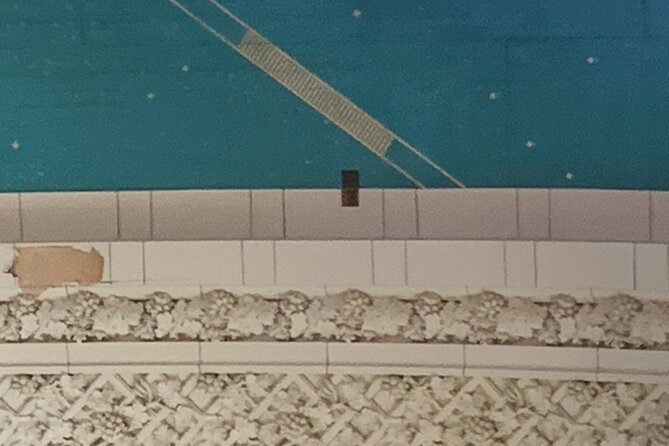
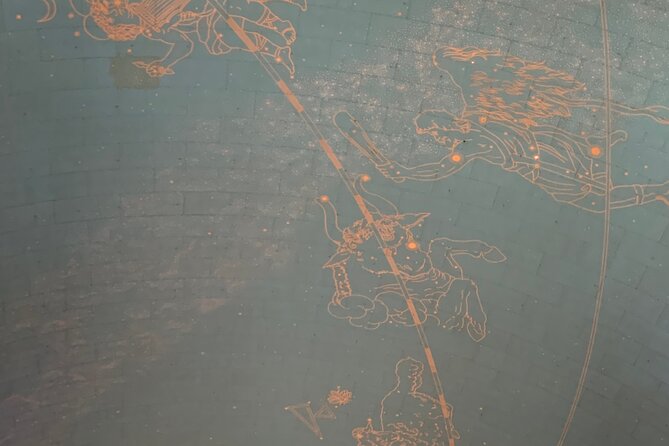
Grand Central’s Main Concourse isn’t just pretty. Part of its design includes astronomy, and this tour is built to help you see what that means in practice.
If you’ve ever looked up at a historic ceiling and thought, I know there is symbolism here, but I don’t know what it is, this is the kind of tour that helps. You’re not just told that the architecture is meaningful. You’re given enough guidance to recognize the idea as you look around.
That’s a big win for most visitors. You get a “look for this” checklist in your head, instead of vague impressions. Even if you only catch some of the astronomy cues while moving, you’ll still leave with a more informed way to take in the space.





The accident that shaped the terminal’s construction
One of the most memorable parts of the tour is the story of a terrible accident that helped lead to construction. That kind of detail does two things.
First, it puts the terminal’s scale in context. Big building projects are rarely just about elegance. They often respond to safety, needs, and urgent problems.
Second, it gives you a clearer reason to pay attention to design choices. When you hear the “why,” the “what” feels more purposeful. This is the difference between seeing Grand Central as a photo backdrop and understanding it as a response to real pressures.
It also keeps the tour from getting too museum-stuffy. Accidents and urgency make history feel closer to the present, and they motivate you to keep listening as the guide moves into architecture and later preservation.
Jacqueline Kennedy Onassis and why saving Grand Central mattered
Preservation stories are a special category of travel value. They explain why a landmark survived when so many others did not.
This tour includes the role of Jacqueline Kennedy Onassis in saving Grand Central. Even if you already know the name, it lands better when you connect it to the station’s larger survival narrative. You start to see preservation as an active choice, not just a happy ending.
For your visit, this matters because Grand Central is not only a historic site. It’s a living transportation hub. When preservation succeeds, you get the chance to experience the place as both history and everyday city function.
If you’re the type who likes landmarks with a backstory that affects the present, you’ll likely find this part to be a highlight.
Myths and urban legends: what to believe as you look around
Grand Central is famous enough that it attracts myths and urban legends. This tour addresses common myths and urban legends, which helps you separate story from fact without killing the fun.
I like that this theme is included because it gives you permission to wonder while you’re there. You get guidance that turns rumor into a discussion, so you walk away with a more realistic picture of what is going on under the legend layer.
Practical tip: keep your curiosity switched on while you’re looking at the building. If you hear something during the tour that sounds odd, that’s your cue to look again right after. Even just spending a minute scanning the area the guide mentioned can make the story click.
Guide style matters, and the best signs show up fast
The strongest praise in the reviews points to guide quality, and that’s the part you feel immediately. In particular, the guide Martin is called out for being engaging, knowledgeable, and enthusiastic.
Martin is also described as accommodating when the weather is chilly, making sure everyone was comfortable while viewing exterior parts. That detail matters because Midtown weather can change fast, and a good guide plans for it instead of pushing through discomfort.
Another praised element is the use of historical photos. When you see old images referenced during your walk, the building starts behaving like a time machine. It’s easier to understand what changed when you can visually compare past and present.
Finally, the small-group setup helps the guide keep pace with questions. One review notes that with a small group of four, the guide could hear and answer questions, which creates a more personal feel than a large, quiet tour where you wait your turn.
For you, that means better learning, not just nicer vibes.
Morning vs. afternoon: choosing the slot that matches your day
This tour lets you choose between morning and afternoon options. That choice is more meaningful than it sounds.
If you like to start early, a morning slot can give you a mental map before the rest of your NYC plans. You’ll be able to orient yourself around Grand Central’s layout, then keep using that understanding as you move through Midtown.
If you prefer a later start, the afternoon can work well because it often pairs nicely with other sightseeing blocks. Either way, you’ll finish back near the meeting point, so your next plan stays flexible.
Weather matters either way since the experience requires good weather. If you’re booking during a season known for sudden changes, consider building a buffer into your schedule so you can reschedule if needed.
How to get the most out of your 90 E 42nd St walking hour
Because the tour is intentionally efficient, your job is to show up ready to observe. I recommend doing two things.
First, think of the tour as a set of prompts, not a single lecture. When the guide mentions a theme like astronomy or preservation, treat it like a “look for this after the explanation” moment.
Second, plan one extra chunk of time right after. Even with a great tour, Grand Central rewards slow looking. The tour leaves plenty of time for further exploration, and that is where your learning turns into memories.
If you tend to skim landmarks while moving, this kind of guided structure helps you slow down without forcing you to spend the whole day in one place.
Who this Grand Central Terminal walking tour is for
This tour fits many visitor styles, especially if you want a guided orientation rather than a long, deep day.
You’ll likely enjoy it if you:
- Like history that connects to what you can see in front of you
- Want the key stories, including the accident background and the Jacqueline Kennedy Onassis preservation angle
- Appreciate architecture talk, especially the Main Concourse astronomy theme
- Prefer a small-group experience where questions are welcome
- Want an easy fit into a busy NYC itinerary
It also says most travelers can participate. That’s helpful if you’re traveling with a mixed group or you’re not sure how much walking you want on a given day.
Should you book this Grand Central Terminal walking tour?
I’d book it if you want a clear, story-driven introduction to a landmark that is easy to misunderstand on first glance. At $35 for about 1.5 to 2 hours, the value comes from how the tour gives you usable context, not just trivia. The highlights you’ll care about most are the station’s history arc, the architecture including the astronomy angle, and the preservation story tied to Jacqueline Kennedy Onassis.
Skip it only if you already know Grand Central very well and you prefer to roam without structure. Since it is focused and time-efficient, it may not be the best match if your goal is hours of unbroken self-guided exploration.
If you’re new to Midtown or you want a smarter way to experience Grand Central in a limited timeframe, this is a solid choice.
FAQ
How long is the Grand Central Terminal walking tour?
The tour lasts about 1 hour 30 minutes to 2 hours (approximately).
How much does the tour cost?
It costs $35.00 per person.
Where does the tour start?
The tour starts at 90 E 42nd St, New York, NY 10017, USA.
Does the tour use a mobile ticket?
Yes, the tour uses a mobile ticket.
What topics will the guide cover at Grand Central Terminal?
You’ll learn why Grand Central is where it is, what was there before, how an accident led to its construction, architecture including the astronomy of the Main Concourse, how Jacqueline Kennedy Onassis saved it, and common myths and urban legends.
Are there morning and afternoon options?
Yes, you can choose between morning and afternoon options.
How big is the group?
The tour has a maximum of 35 travelers.
What happens if the weather is bad?
This experience requires good weather. If it’s canceled due to poor weather, you’ll be offered a different date or a full refund.
Is free cancellation available?
Yes. You can cancel up to 24 hours in advance for a full refund. If you cancel less than 24 hours before the start time, the amount paid is not refunded.
More Walking Tours in New York City


More Tours in New York City




More Tour Reviews in New York City



Not for you? Here's more nearby things to do in New York City we have reviewed











More Walking Tours to consider.
 ★ 5.0SoHo, Little Italy, and Chinatown Walking Tour in New YorkTickets from $393,153 traveller reviews
 ★ 5.0Secrets of Grand Central Station Walking Tour New York CityTickets from $391,796 traveller reviews
 ★ 5.0Greenwich Village Walking and Food Tasting TourTickets from $941,572 traveller reviews
 ★ 5.0Artistic, Alternative Greenwich Village Walking TourTickets from $39971 traveller reviews
 ★ 5.0True Crime NYC: Mafia Walk w/Ret. NYPD Detective and Local FoodTickets from $75848 traveller reviews
 ★ 5.0Central Park Guided Walking TourTickets from $44774 traveller reviews
 ★ 4.6Private Walking Tour with a LocalTickets from $55771 traveller reviews
 ★ 5.0NYC Lower East Side Walking and Food TourTickets from $94646 traveller reviews
More useful New York routes