
Review · NEW YORK CITY TOURS
Guided Private Underground New York Subway Tour
Underground New York, told like a story. This private guided ride shows you how the subway was built, why key stations matter, and where the art and details usually fly right past. You start downtown and end at Grand Central, with a guide who makes the system feel personal instead of confusing.
I especially love the small-group format. It stays flexible, you can ask questions, and the pacing works even if you are not a hardcore rail person. The other big win for me is seeing the subway as a design museum, with stops tied to tile, ceramics like the famous Astor Place beavers, and station craftsmanship you would never notice at rush speed.
One consideration: this tour is about viewing stations from public areas, not exploring restricted tunnels. If what you want is track-level wandering, you will be disappointed. Also, expect some time standing and listening at the start while the guide sets the stage.
Key things to know before you ride
- Private, small-group experience that lets you ask questions and move at a human pace
- One subway fare is the main paid admission, since it is covered when you enter the system at the beginning
- You do not enter tunnels, but you do see overlooked stations and art from safe, legal viewpoints
- Astor Place is a highlight, including terra cotta work and ceramic details
- Grand Central Terminal gets a full explanation, including how it almost slipped away and what it took to save it
- Some stairs and walking are part of the deal, so plan for moderate mobility
From 1 Centre St to the System: How the tour really starts
The tour begins at 1 Centre St in Lower Manhattan and ends at Grand Central Terminal (89 E 42nd St). That downtown starting point matters because the guide uses it to set context fast, before you even step onto the train.
You will spend about the first chunk of time at the Brooklyn Bridge station area. It is not about crossing the bridge. It is about where the subway history feels most grounded, and where you can start seeing the system as a network of political decisions, engineering fixes, and art commissions instead of just service alerts and delays.
Here is the practical part: you will need your own subway fare (one ride) to get into the system. The tour includes the guide, but the transit cost itself is on you, paid when you enter at the beginning. If you forget this, you are stuck doing the most New York thing possible, standing around, while everyone else moves on.
You can also read our reviews of more guided tours in New York City



Brooklyn Bridge station stop: the “history first” moment
At the first stop, you stay close to the station and you get the setup. The tour timing is approximate, but this is roughly 30 minutes where the guide frames the whole subway story before it becomes visual.
This is also where you enter the system, and this is where the fare is paid. The idea is simple: you get the background in a calm, grounded way, then the train rides make more sense. If you only wanted photos, you might wish for more motion right away, but the trade-off is that you understand what you are looking at later.
A small tip based on what tends to work best in noisy stations: bring a mind-set of look up, look down, and slow down. Even if you are standing at first, you will be asked to notice design details and station cues that people normally miss when they are rushing.
Riding the original route to Astor Place, Grand Central, and the shuttle
Once you are on the train, you switch into sightseeing mode. This portion is about 40 minutes, and the tour focuses on riding the route and spotting the story points as you go.
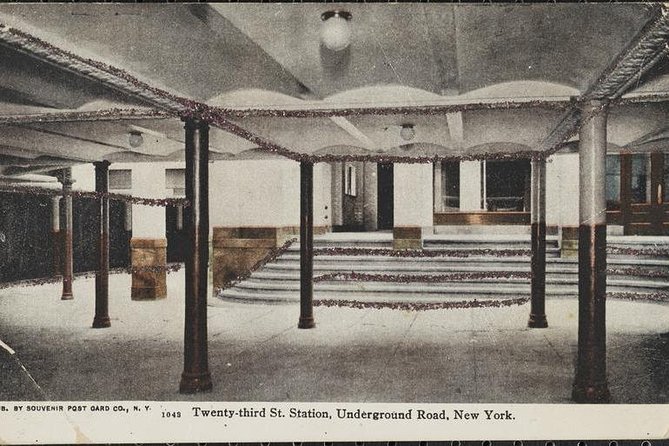
This is where you hear the line about the original 1904 subway connection, the way the early system expanded, and how decisions made long ago still shape the ride today. You will also see an abandoned station described as exceptionally beautiful. Even without walking onto any restricted areas, you get a real contrast between what was built for the public then and what has been left behind.
The route includes stops at Astor Place, then Grand Central Station, and then a switch to the shuttle to Times Square. That switch is useful because it teaches you how the subway actually routes people through major hubs, not just how to get from A to B.
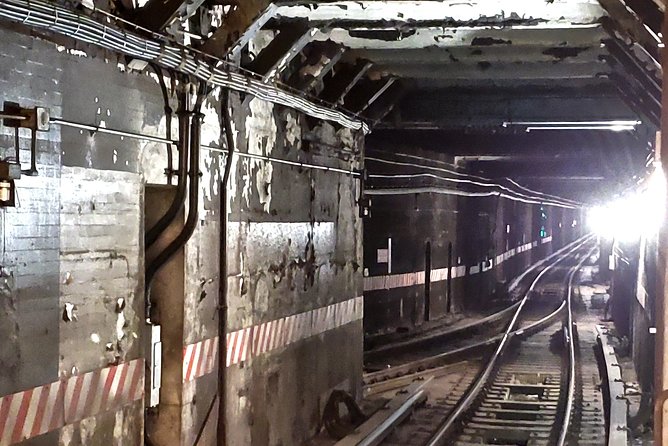
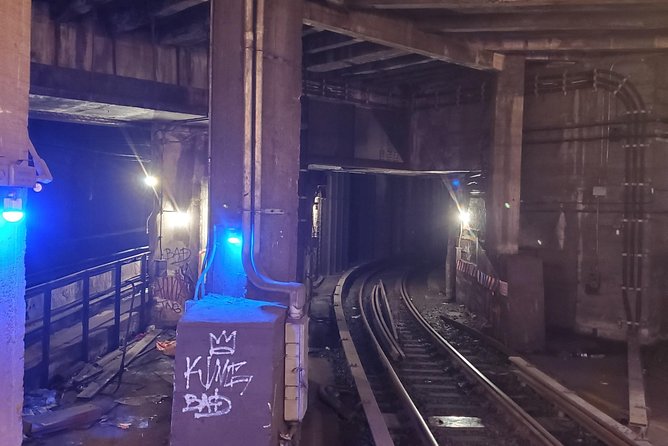
Important safety note, and it matters for expectations: you do not enter tunnels. You view stations from the train, and everything stays legal and public.
Times Square station: why it became the system’s showpiece
Your next station visit is Times Square, around 20 minutes. This stop is built around an argument the city loves and the average rider ignores: why this station became so important, and how it turned into an art platform.
The tour highlights that there is several million dollars worth of art installed here. That is not trivia for trivia’s sake. It changes how you look at the station, because you start noticing the art as part of the subway’s identity, not as random decorations you walk through on your way to a show.
If you like photography, this is also the moment to use it. But do not just aim at the biggest signs. Look at the materials and the placement of pieces, then match that with what the guide is explaining about the station’s role.
Astor Place: terra cotta work and the ceramic beavers factor
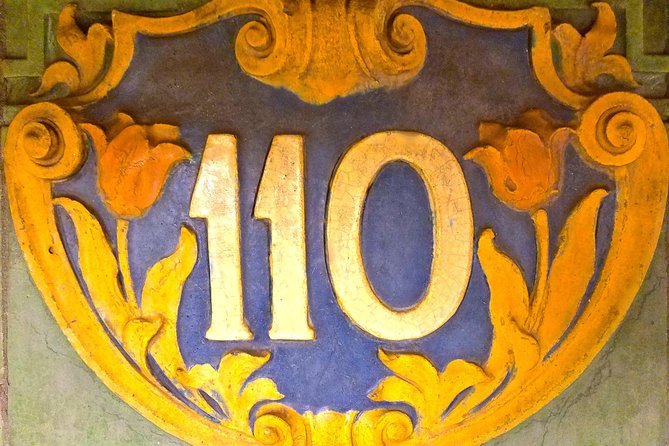
Astor Place shows up more than once, which is a smart move. You get it during the ride, then you return for a focused stop of about 10 minutes.
The dedicated Astor Place stop is where you can slow down and look at the terra cotta work. This is the kind of craftsmanship that makes you feel a little silly for how often you have rushed through the subway without noticing the walls. One detail that comes up again and again is the ceramic beavers at Astor Place, which the guide uses as a landmark for understanding the subway’s tradition of thematic, place-making art.
For me, this is the heart of the experience: a station that feels playful while still being historically grounded. If you have kids in your group, it tends to land well because it turns a station into a scavenger hunt.
Just keep in mind the tour is still a moving subway experience, so listen closely when the guide is giving context, then take a short moment to scan the design cues.
You can also read our reviews of more private tours in New York City






Grand Central Terminal: where the subway story connects to saving an icon
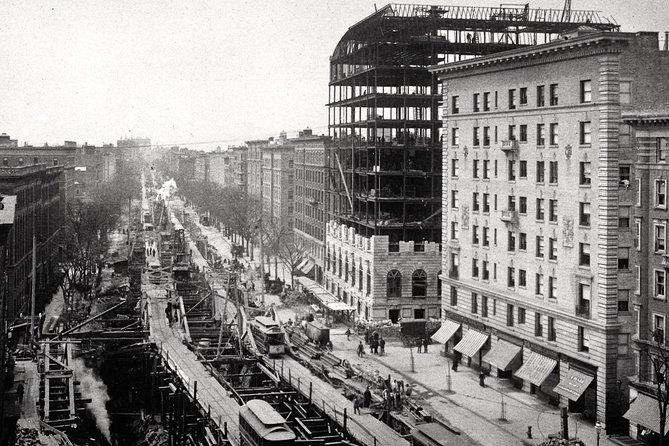
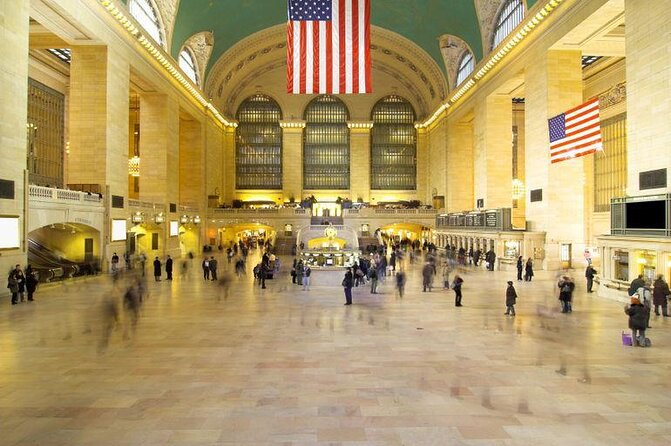
The final stop is Grand Central Terminal, about 25 minutes, and this is where the tour shifts from platforms to a big-picture city story. Admission here is listed as free, which is a nice practical bonus.
You will learn how Grand Central came to be, how the prior subway stops connect to that story, and why the Terminal almost got lost. The guide also covers the drastic steps that helped save and renovate it. It turns the Terminal from a backdrop you pass through into a case study in what the city was willing to fight for.
One review mentioned a comparison between the restored ceiling and an unrestored area. Even if you are not tracking restoration details like an architect, you can still notice that the guide pushes you to look at the Terminal like a work-in-progress that history shaped.
If you end your trip still thinking about the subway, this is a good way to land. You finish with a landmark that makes the subway feel like part of the same urban system, not a separate underground universe.
Meet Gary and learn how the tour stays fun on a noisy subway
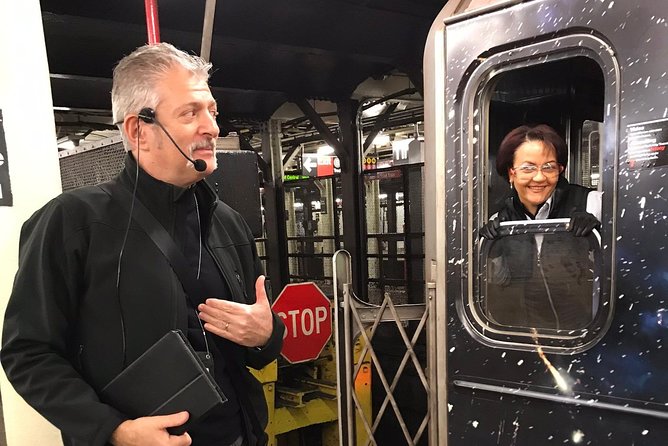
This tour is led by a local guide named Gary. The biggest praise for his style is how he mixes story, humor, and practical explanations in a way that works for both tourists and New Yorkers.
A detail that really matters: he uses pictures to support the facts. One review specifically mentioned photos on his image pad. That visual aid helps when you are standing in a station where sound bounces around and it is easy to miss a key point.
Another practical element: he addresses noise and pacing. In the subway, the loud moments happen, especially with express trains. The guide’s approach is to pause and keep the explanation usable, not just perform a monologue no one can hear.
You are also encouraged to ask questions. That sounds obvious, but it is not always true on tours. Here, the pattern is that he checks in and keeps the information relevant to your curiosity, whether that curiosity is art tiles, subway mechanics, or how the city government shaped the outcome.
Price and logistics: what $220 per group really buys you
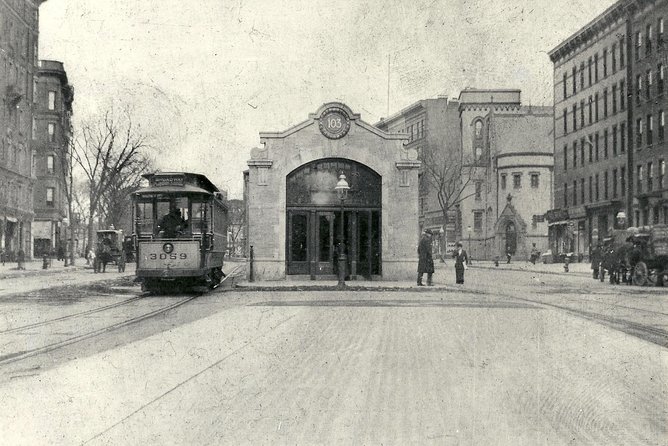
The price is $220 per group, and it is sold as a private tour. The description also notes a group size up to 8, while the included info says the professional guide covers a group of up to five maximum. That mismatch is worth your attention.
So here is my advice: confirm group size when you book. If you are a larger group, ask whether they can match your exact headcount with the guide’s capacity. Paying for privacy only works if the tour still feels personalized.
Now the value math. The guide portion is included, and the ride covers multiple stops over roughly 2 hours 30 minutes. The subway fare itself is not included, but the tour is designed so you pay one subway ride when you enter the system at the beginning. That means your extra cost is basically a single fare, not a bunch of confusing add-ons.
Is this expensive? Compared with a generic group sightseeing option, yes. But compared with hiring separate private time, plus the time you would spend piecing together routes and reading about stations on your own, it can feel like a bargain. Especially if you care about art details and actual context, not just photos.
One more detail that hints at demand: it is often booked about 32 days in advance. If your schedule is fixed, do not wait for the last minute.
Who this private underground subway tour is best for
This is a great fit if you want NYC to feel understandable, not overwhelming. I would steer you toward this tour if you are:
- Visiting for the first time and you want practical transit context fast
- A history and design fan who likes tiles, ceramics, and station art
- A rail enthusiast who wants the story without breaking any rules
- Even a lifelong New Yorker, because the guide’s focus on overlooked details can still surprise you
Families often do well here too. One set of reviews mentions kids in the 12 to 17 range, and the guide’s mix of facts and humor tends to keep attention.
If you are the kind of traveler who wants lots of walking through unusual off-limits spaces, temper expectations. The tour is clear about what it does and does not do: you view from safe public areas and from inside the system, and you do not enter the tunnels.
Should you book it or keep browsing?
Book this tour if you want a high-signal, private introduction to the subway. You will learn why key stations matter, notice art you would never catch on your own, and finish at Grand Central with a stronger sense of how the city built its transit identity.
Skip it if your main goal is track-level exploration or tunnel access. This tour is intentionally designed to stay safe and legal, so it will not match that kind of bucket-list fantasy.
If you are on the fence, here is the tiebreaker: if you care about craftsmanship, station art like the Astor Place details, and the stories that connect the subway to the city above ground, you are in the right place.
FAQ
What is included in the price?
The price includes a professional local guide for a private group. Subway entrance fees are not included, and food and drinks are not included.
Is the subway fare included, or do I pay separately?
You pay the subway fare when you enter the system at the beginning of the tour. The tour notes that admission is paid one time only when you enter.
Do you enter the subway tunnels?
No. The tour does not enter tunnels. You view certain stations from the safety of the train, and the tour emphasizes that it stays in public, legal areas.
Where do we meet and where does the tour end?
The tour starts at 1 Centre St, New York, NY 10007. It ends at Grand Central Terminal, 89 E 42nd St, New York, NY 10017.
How long is the tour?
It runs about 2 hours 30 minutes, with stop timings listed as approximate.
Is there walking and stairs?
Yes. There is some walking and there are some stairs, and the tour is best for people with a moderate physical fitness level.
What language is the tour offered in?
The tour is offered in English.
Can I cancel and get a full refund?
Yes. Free cancellation is available, and you must cancel at least 24 hours in advance of the experience start time for a full refund.
More Guided Tours in New York City



More Tours in New York City



More Tour Reviews in New York City




Not for you? Here's more nearby things to do in New York City we have reviewed












More New York City Tours to consider.
 ★ 4.7SUMMIT One Vanderbilt TicketsTickets from $4751,195 traveller reviews
 ★ 4.7Empire State Building Tickets – Observatory & MuseumTickets from $4725,757 traveller reviews
 ★ 4.6Statue of Liberty & Ellis Island with FerryTickets from $1918,683 traveller reviews
 ★ 4.5American Museum of Natural History TicketTickets from $3715,447 traveller reviews
 ★ 5.0New York in One Day Guided Sightseeing TourTickets from $9913,166 traveller reviews
 ★ 4.6Museum of Modern Art (MoMA) Entry TicketTickets from $3012,540 traveller reviews
 ★ 4.7One World Observatory Skip-the-Line TicketTickets from $3012,329 traveller reviews
 ★ 4.7New York CityPASS®: Save up to 41% at 5 Top AttractionsTickets from $15410,548 traveller reviews