
Review · CENTRAL PARK TOURS
New York Central Park Guided Pedicab Tour
Central Park, but with less legwork. This guided pedicab tour is an easy, efficient way to see the big-name sights without doing a ton of walking, and I like the built-in photo stops plus the guide’s stories and on-the-spot context. The main thing to weigh is that you will move at a tour pace, so some stops are quick looks rather than long hangs.
You can choose a 1-hour, 1.5-hour, or extended 2-hour version, and departures are frequent enough to fit real schedules. It is also private, so your group rides together, and the format works well for couples, families, and anyone who wants the park highlights without navigating every turn on their own.
Key highlights before you go
- Pedicab comfort for up to three adults: a ride that keeps you seated while you still get to hop off for photos.
- Movie clips and references: guides often use short clips to connect what you see to what you remember from screen.
- Fast access to Central Park icons: you hit places like Bethesda Fountain, Bow Bridge, and Strawberry Fields in one loop.
- Lots of photo breaks: multiple famous viewpoints, plus help getting a good group shot.
- Eco-friendly, car-lite sightseeing: you are touring the park without dealing with traffic and parking.
Why this pedicab format is so smart for first-timers
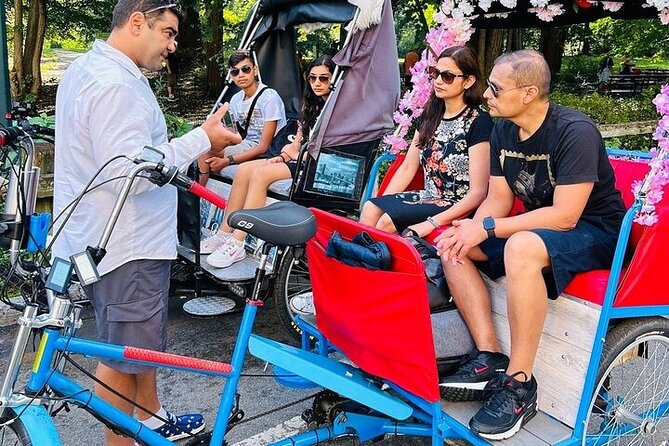
Central Park is one of those places where you can walk for hours and still feel like you only touched the edges. A pedicab changes the math. You sit back, you glide through the park, and you still get out to see key landmarks up close. It is also eco-friendly in practice, since this is a human-powered way to move through the busiest sections.
The other big win is timing. With a guide steering you to the most recognizable spots, you do not waste time guessing what is worth your energy. I especially like that this tour is designed around efficient sightseeing, not a long history lecture that never ends.
You can also read our reviews of more guided tours in New York City



Where you meet on Broadway, and how the tour really runs
You start at 1794 Broadway, New York, NY 10019, and the experience ends back at the same meeting point. You get a mobile ticket, and the tour is offered in English. It is also described as private, meaning only your group participates, which usually makes it easier to ask questions and take the pace you need.
One practical detail: a portion of the time is simply transit inside the park. That matters because Central Park is big, and getting from one must-see corner to the next takes real minutes. The good news is that the guide uses that riding time to point out what you are approaching and to set up what you are about to see.
Stop-by-stop: what each major landmark gives you
Columbus Circle, the big opener and instant landmark context
The ride starts at Columbus Circle, where you see a colossal Columbus figure on a column with carved details and symbols tied to the explorer’s voyages. This spot is more than a decorative moment. It is a useful starting reference because it anchors the tour, so you can orient yourself fast and understand where the park’s main paths and neighborhoods line up.
If you like photos, this is a great early target. You are also fresh at the start, so standing still for a quick shoot is no problem.
Central Park Carousel, a classic you can feel in your bones
Next up is the Central Park Carousel, one of the park’s favorites since it opened in 1871. The numbers here are wild in a simple way: about 250,000 people ride it every year. The key value for you is that this is not some abstract landmark. It is a living, working attraction, and it gives the park a family-friendly pulse even if you are traveling as adults.
You will likely get a short look rather than a full ride, but that is often exactly right on a highlight tour. You come away remembering the style, the setting, and how the carousel sits at the heart of park activity.



Chess & Checkers House, games, shade, and a visitor-center vibe
At the Chess & Checkers House Visitor Center, you are stepping into a piece of Central Park culture that feels local and human. The octagonal brick structure is part of the park’s visitor-center system, and around it are 24 game tables sheltered by a wooden trellis.
For a quick stop, it works well because you can look around and understand how people actually use this park, not just what it looks like from photos. It also gives you a break from landmarks that can feel overly monumental.
The Dairy and Umpire Rock, a gift-stop and an early-playground story
Mid-park, you pass The Dairy Visitor Center and Gift Shop. Even if you do not shop, the Dairy is a practical stop because it is easy to access and it is Central Park’s largest gift shop. The tour info also notes that purchases support the Central Park Conservancy, which is a nice “you can feel good about it” touch if you want a snack or a souvenir.
Then you head to Umpire Rock, in the park’s southwest corner. It is named for its role in what was Central Park’s first playground, a wide open meadow for kids to play games. From here, you can also see Wollman Rink, which is useful because it helps you connect today’s park sports scene to older playground traditions.
The Plaza and Gapstow Bridge, Hollywood-adjacent and postcard-perfect
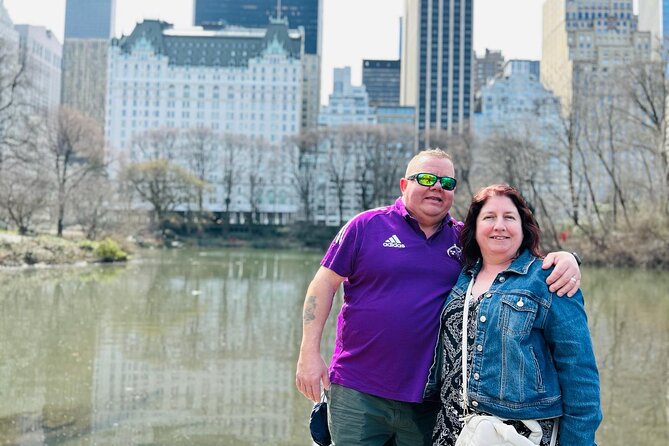
You will make a stop at The Plaza, a New York landmark known for its role as a hotel where big names gathered for decades. It is also widely recognized for appearing in a famous 1990s movie, which is the kind of reference that tends to spark real conversation with a guide. This is one of those stops where the storytelling makes the architecture feel more personal.
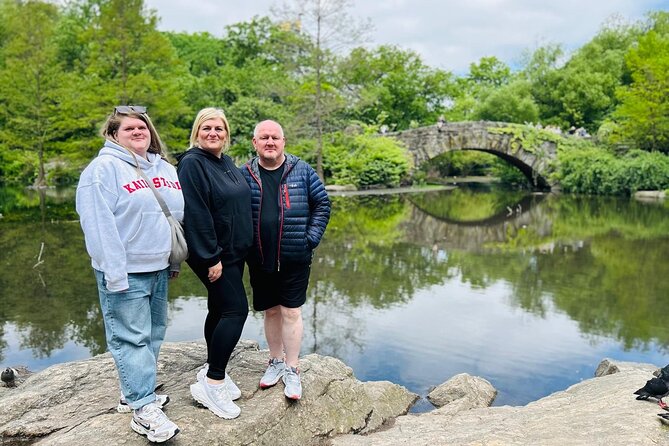
From there, you head to Gapstow Bridge, a bridge spanning the narrow neck of the pond. This one is pure payoff for photography. You get a view that feels layered, with water, bridge lines, and surrounding scenery working together. The stop is listed at about 10 minutes, which is enough time for a few shots without turning it into a marathon.
Central Park Zoo and Balto, animals and a bravery legend
The tour includes the Central Park Zoo area, with animals described as coming from tropical, temperate, and polar regions. One of the most notable bits here is the sea lion pool and tank, visible from outside the zoo. That means even if you are not spending extra time inside buildings, you still get a strong sense of the zoo.
Then you move to Balto, one of the park’s most beloved monuments. The story is dramatic in a way that makes it stick: in January 1925, an outbreak of diphtheria threatened Nome, Alaska, and vaccine transport was blocked by weather. A relay of dog-sled teams provided the alternative, and Balto became famous from that heroic effort. This stop tends to land well because it turns a statue into a real story you can tell your friends later.
SummerStage and the Upper East Side edge, park views plus city context
Next comes Central Park SummerStage, an outdoor concert and performance series run by the City Parks Foundation, held on Rumsey Playfield. Even if there is no show happening during your visit, it is a neat way to understand Central Park as an all-year community space, not just a summer stroll.
Then you get Upper East Side context, with a look at the posh, residential character around Madison Avenue and Museum Mile nearby. This part matters because it reminds you Central Park is not isolated greenery. It is tucked inside a neighborhood grid, and the mix of park and city is part of what makes it feel distinctly New York.
Bethesda Fountain and The Mall, the park’s big central moments
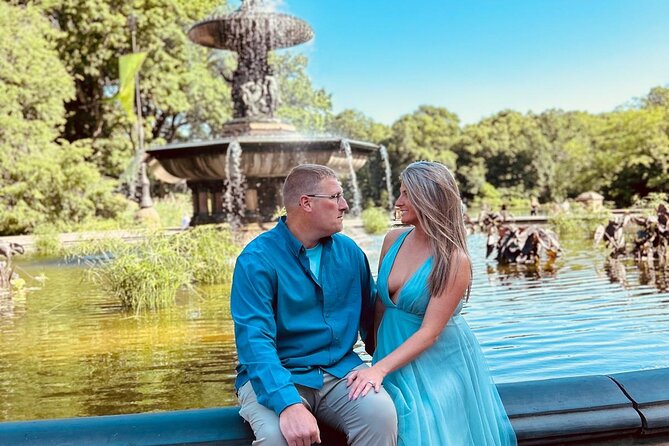
You hit Bethesda Fountain, a multi-level plaza with an arcade and the fountain known as the Angel of the Waters. This is a “pause and look up” stop. The terrace and the fountain sit in a way that encourages lingering, people-watching, and admiring the architectural framing of the park.
Then you move to The Mall and Literary Walk. The Mall is a wide, straight path lined by two rows of American elms. The southern section, called Literary Walk, adds statues of writers from the 19th century. The value for you is perspective. On a pedicab tour, you are rolling through bends and curves, but The Mall is straight and structured. It gives you that classic Central Park “main avenue” feeling.
Cherry Hill and Bow Bridge, picnic energy and romantic views
Cherry Hill is named for the cherry trees that bloom there in spring. The tour info points to Yoshino cherry blooms, and the sloping lawn is described as a place people use for picnicking and relaxing, with views of rowboats on the lake. Even if you are not there during peak bloom, it is a good stop to understand why this area feels like a natural gathering spot.
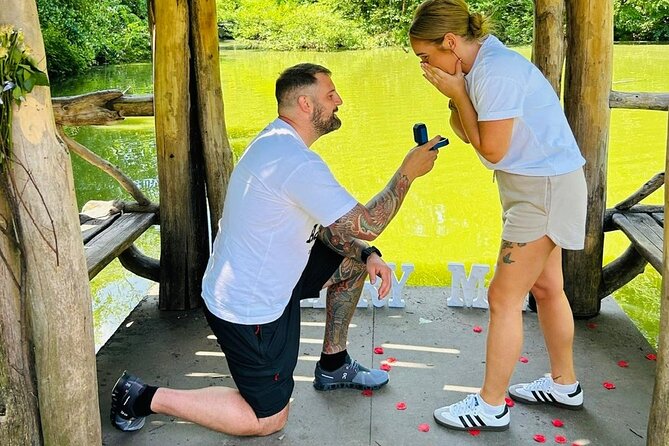
Then comes Bow Bridge, named for its low, graceful curve that resembles a bow. The bridge is one of the most photographed features and it is popular for romantic proposals. Practically, it also gives you expansive views of the lake and surrounding scenes. The stop is listed at about 10 minutes, which is a sweet spot for a few photos plus a calm moment.
Strawberry Fields, The Dakota, and a shift from park to cultural memory
At Strawberry Fields, you visit the memorial to John Lennon, with the Imagine mosaic as a focal point for tributes. This is not a loud attraction. It is a quiet one. That makes it a good mental reset in the middle of a highlight-packed route.
Then you pass by The Dakota, a famous Central Park West building with apartments accessed from a central courtyard. The architecture and the celebrity associations make it feel like you are moving through a real film set of city life layered onto the park experience.
Tavern on the Green and Pinebank Arch, food history and cast-iron charm
Tavern on the Green is a stop tied to old-school Central Park dining. It is in the historic Sheepfold building, and it has been a destination since the 1930s. The tour info also notes it recently went through a years-long renovation, reopening in 2014, with parts removed to expose original structure and add more variety.
Finally, you reach Pinebank Arch, a cast-iron bridge spanning the bridle path. It is designed to integrate with the landscape and is known for its lacy ironwork that blends into the greenery. This is the kind of stop that rewards your attention. Even with a short time slot (listed at about 5 minutes), you will likely notice details you would miss if you just rushed through on foot.
What makes the guide matter, and why your ride feels personal
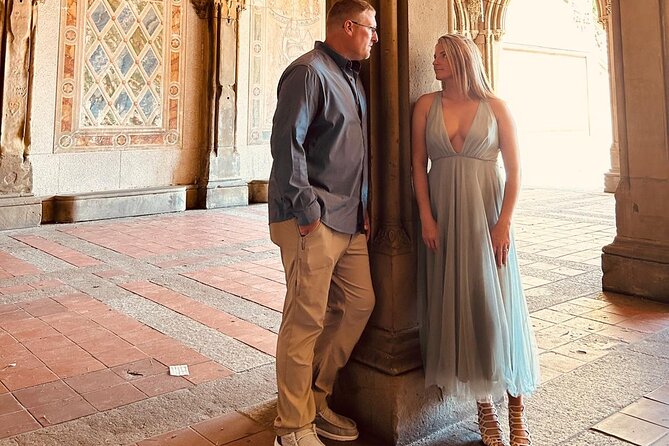
This tour’s best feature is not the pedicab itself. It is what the guide adds to it.
In the feedback, guides like Columbus, Barry, Ibrahim, and Schade get praised for a style that is both organized and flexible. Many people mention movie clips and quick references that make the landmarks feel familiar fast. Others highlight that the guide will take group photos at especially photogenic angles, so you are not stuck wrestling with your phone every time the light looks good.
Weather support shows up too. One standout detail: a driver used blankets and made a cold-day plan so everyone stayed comfortable. That is the kind of small, thoughtful service that turns a ride into an experience.
Price, value, and who will actually benefit most
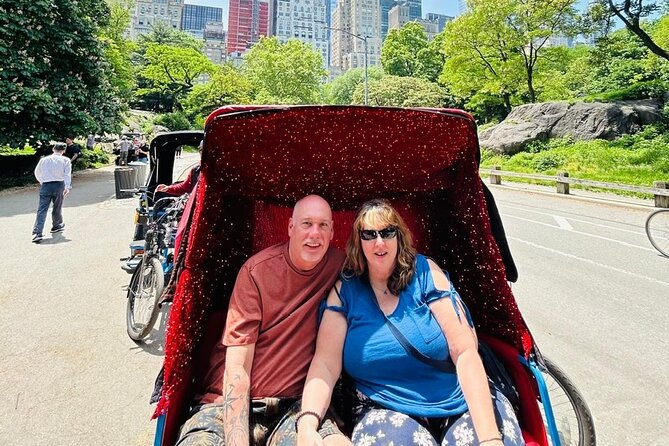
The price is $44 per person. On the surface, that can look pricey for a ride around a park. But here is the value math I see: you are paying for an organized route, English-language guiding, and time-saving access to major sights you could otherwise spend hours trying to connect on your own.
Also, this is a private format, and the pedicab fits up to three adults comfortably. If you have a small group and you want a low-stress way to cover the classics, the per-person cost tends to feel more fair.
This tour is especially worth it if:
- you have limited time and want a hit list
- you want minimal walking on a hot or cold day
- you want a guide to help you recognize what you see, including screen-based references
- you prefer getting photos with help instead of constantly stopping to manage the camera
If you are the type who likes long unstructured wandering and you already know you want to spend hours between a few neighborhoods, you might be just as happy building your own Central Park route. The tradeoff is that you lose the efficiency and the guided connections.
Should you book it? My practical take
I would book this if you want Central Park highlights with the least friction. The tour is paced for photos and short stops, it covers a wide mix from fountains to bridges to memorials, and the guides bring energy that makes the landmarks feel more immediate.
I would skip it if your goal is deep, slow exploration of just one or two areas, or if you are determined to walk the whole park and you do not mind figuring out your own path. In that case, spending the day on your own terms may feel more satisfying than paying for a structured loop.
FAQ
How long is the New York Central Park guided pedicab tour?
The tour is listed as about 1 hour 30 minutes, and you can also choose a 1-hour, 1.5-hour, or extended 2-hour option.
What is the price per person?
It costs $44.00 per person, with GST included.
Where do you meet and where does the tour end?
The tour meets at 1794 Broadway, New York, NY 10019, and it ends back at the same meeting point.
Is the tour private?
Yes. This is a private tour or activity, so only your group participates.
What language is the tour offered in?
The tour is offered in English.
Are admission tickets required for the stops?
The stops listed in the tour details are marked as Admission Ticket Free.
Can I get a mobile ticket?
Yes. The tour uses a mobile ticket.
Are service animals allowed?
Yes. Service animals are allowed.
What is the cancellation window?
Free cancellation is available up to 24 hours in advance for a full refund. If you cancel less than 24 hours before the start time, the amount paid is not refunded.
More Guided Tours in New York City



More Tours in New York City



More Tour Reviews in New York City



Not for you? Here's more nearby things to do in New York City we have reviewed







More Central Park Tours to consider.
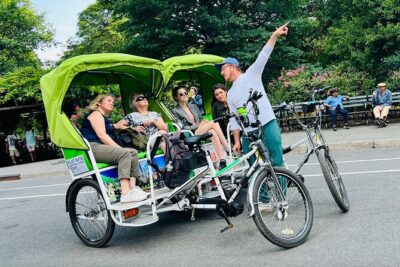 ★ 5.0Central Park Pedicab Guided ToursTickets from $387,108 traveller reviews
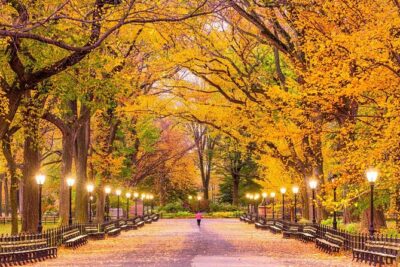 ★ 5.0Private Central Park Pedicab TourTickets from $386,981 traveller reviews
 ★ 4.2Central Park Bike RentalsTickets from $92,528 traveller reviews
 ★ 5.0Official NYC Horse Carriage Rides in Central Park since 1979 ™Tickets from $992,365 traveller reviews
 ★ 4.1Central Park Bike RentalTickets from $81,651 traveller reviews
 ★ 4.9Private Central Park Pedicab TourTickets from $401,637 traveller reviews
 ★ 4.7Central Park Bike RentalTickets from $91,509 traveller reviews
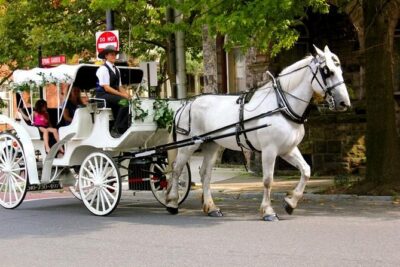 ★ 4.0Carriage Ride in Central Park (VIP – PRIVATE) Since 1964™Tickets from $141,074 traveller reviews
More useful New York routes