
Review · CENTRAL PARK TOURS
New York City: Central Park Highlights Walking Tour
Central Park can feel like a city mystery box. This small-group walk turns the park into a clear story, from the planning genius of Frederick Law Olmsted and Calvert Vaux to the spots that keep showing up on screen. I love that you get both major icons and lesser-known corners, so it feels like more than a quick loop. I also love the easy pace, built for sightseeing without feeling rushed, even when you’re not a fast walker.
One thing to consider: you’ll be walking for about 150 minutes in rain or shine, so comfy shoes and planning for weather matter.
Central Park Highlights, the stuff that really makes it click
- Olmsted and Vaux design story that explains how this park changed American cities
- Movie and TV filming locations you can actually spot on the ground
- A small group (up to 10) for a calmer, question-friendly pace
- Photo stops aimed at famous viewpoints, plus quieter scenery
- A long finish on the Upper West Side near 72nd Street, so you can keep exploring
From Sherman to the Park: getting oriented fast
You start at the General William Tecumseh Sherman Monument, and that choice matters. This is one of those places where New York feels big and formal, then the park right after it feels like a whole different world. If you’ve ever wandered Central Park without a plan, you know how easy it is to miss the design logic. This tour gives you that map in your head.
The goal here is not a sprint. It’s a “slow down and see” walk through a place that’s famous, but also complicated. Central Park is not just grass and paths. It’s an urban design idea, and your guide helps you connect the history to what you’re actually seeing.
You can also read our reviews of more walking tours in New York City


Grand Army Plaza: the park’s grand front door
The tour kicks off at Grand Army Plaza, and you spend about 15 minutes there. That first stretch is your orientation. You’ll get oriented visually, then you’ll get oriented intellectually. Think of it as learning the park’s tone before you start walking deeper.
Grand Army Plaza also helps set expectations about scale. Central Park sits inside a dense city grid, but it’s built like a composed landscape with entrances, transitions, and “rooms” of scenery. Standing here first makes the rest of the route make more sense.
Olmsted and Vaux: the design lesson hiding in plain sight
The big theme is how Central Park became a model for American city planning. You’ll hear the story behind the park and why it helped reshape what Americans expected from public green space.
The names Frederick Law Olmsted and Calvert Vaux come up for a reason. Your guide ties their planning approach to the lived experience of today’s park: pathways that guide your movement, scenic sequences that change as you walk, and built-in pauses where you can slow down and look.
If you only ever see Central Park as a backdrop, this part upgrades it. You start recognizing the “why” behind the “wow.” And once you do, you’ll notice how the park’s layout creates different moods without you even trying.
Spotting Central Park on film and in real life
One of the most fun angles is the hunt for filming locations. Central Park has been used in countless movies and TV shows, and this tour helps you connect famous on-screen moments to real corners of the park.
That kind of spotting changes the whole visit. Instead of thinking, I’ve seen this before somewhere, you start thinking, that tree line, that bridge, that specific viewpoint. It’s a small shift, but it makes the park feel personal, like you’ve been given a cheat code for seeing.
The main Central Park walk: what you’re likely to see
After Grand Army Plaza, the tour spends about two hours in Central Park proper, with photo stops, guided explanations, and sightseeing at a relaxed pace. The exact mix can vary, but the route is built around a strong set of classic stops and several “if you’re lucky, you’ll catch it” moments.
Here’s the best way to think about the possible highlights, and what each adds:
You can also read our reviews of more city tours in New York City





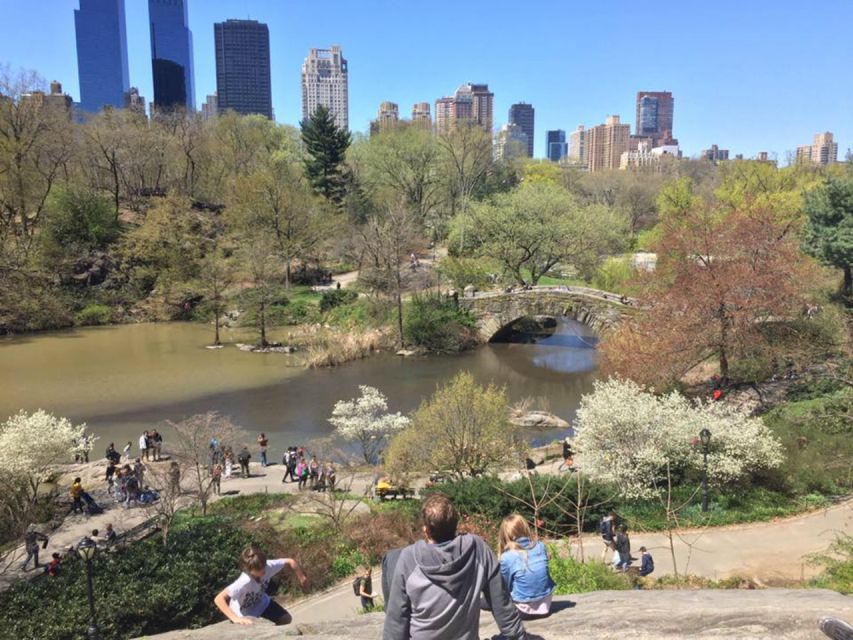
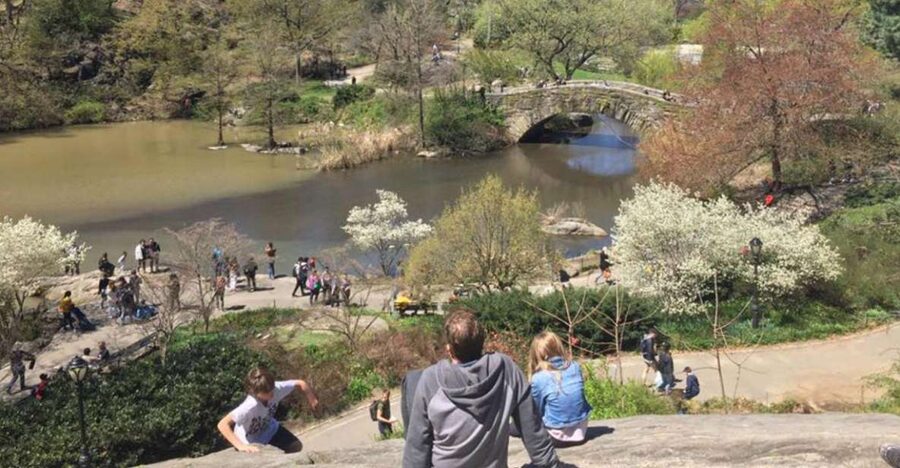
The Pond and Gapstow Bridge area
If you get to the Pond and Gapstow Bridge area, you’re stepping into one of Central Park’s most cinematic zones. Water changes everything visually, and bridges add that “framing” effect that makes photos look like they took more effort than they actually did.
Practical tip: plan to pause and look from different angles. Water scenes can shift fast with light and small changes in position.
Central Park Zoo and Delacorte Clock zone
Some routes include the Central Park Zoo area and the Delacorte Clock. Even if you’re not there to tour the zoo itself, these stops give context for how Central Park balances major attractions with the calm of its scenic design.
It’s also helpful for first-time visitors. It shows where the park’s energy gathers, so you’re not surprised later when you reach a more crowded hub.
Literary Walk and The Mall
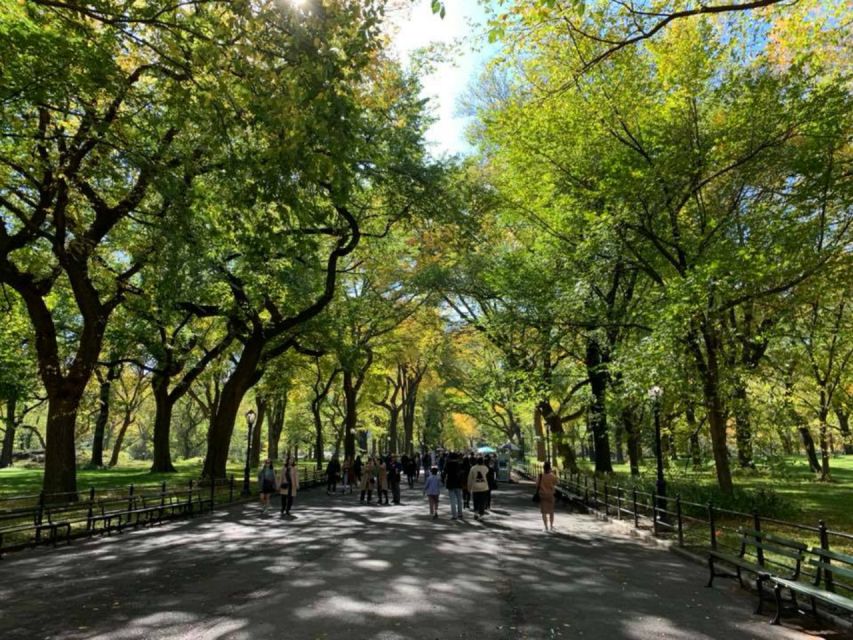
Literary Walk and The Mall are the kind of places where Central Park feels intentional, almost formal. You get a sense of the park as a designed promenade, not just a place to escape into nature.
If you like architecture-adjacent experiences, these sections reward you. They’re where you can see how the park’s paths and sightlines guide you.
The Bandshell
The Bandshell is a reminder that Central Park is also an event space. Even if nothing is happening while you’re there, the setting helps explain why the park works for both everyday walking and bigger public moments.
Bethesda Terrace, for the wow factor
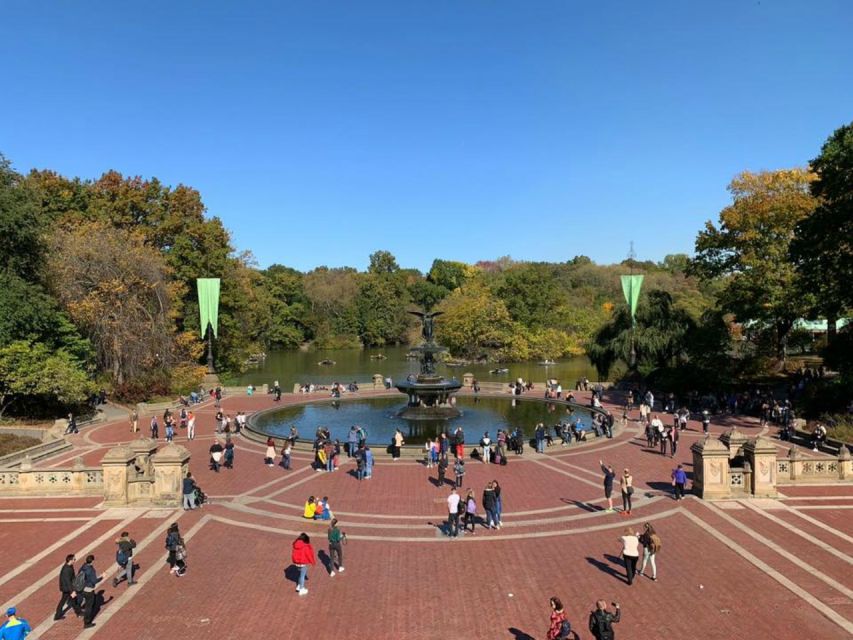
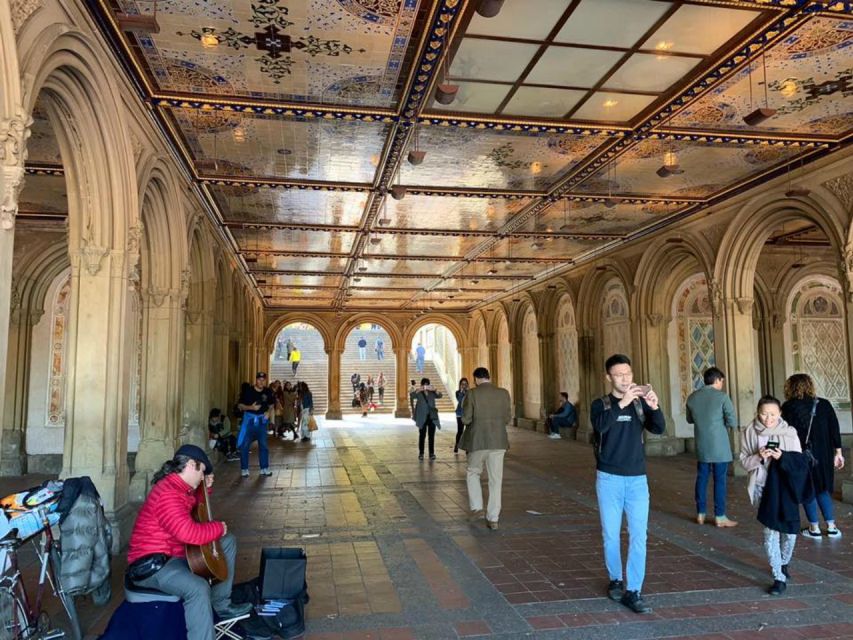
Bethesda Terrace is one of the landmarked moments that often anchors a Central Park highlight tour. It’s visually striking, and it tends to be a natural “slow down here” stop.
This is the kind of location where the guide’s explanations help you move beyond the photo. You start seeing how the park’s built structures connect to the surrounding landscape.
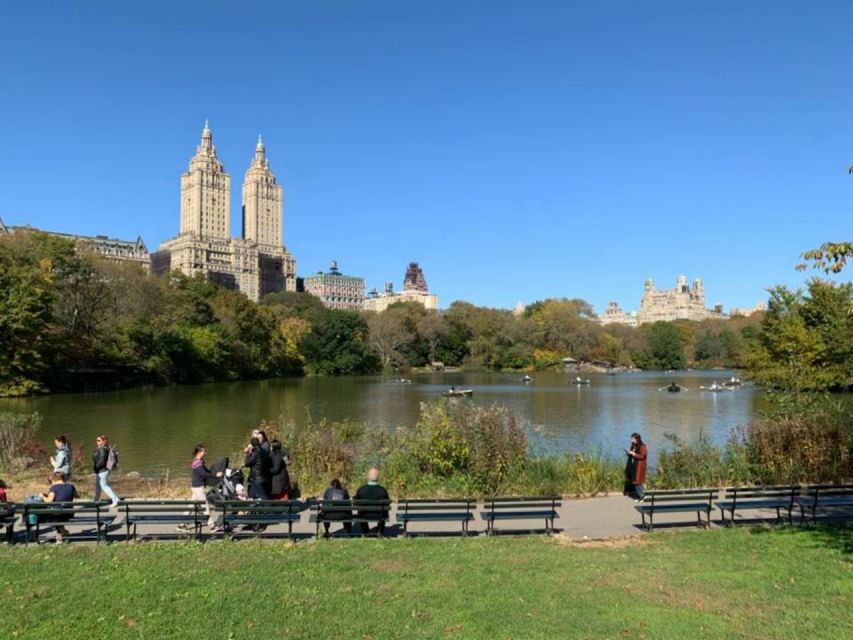
The lake and Boathouse area
The lake and Boathouse area gives you a classic Central Park balance: broad views, open water, and that sense of calm that makes people forget they’re in Manhattan.
In photo terms, the water usually provides your best odds of getting a clean shot without too much crowd clutter. Just remember, the lake area can get popular.
The Ramble, plus Bow Bridge
The Ramble often delivers that “how is this in the middle of the city?” feeling. It’s a section where the scenery feels more layered, with twists in your walking path and a more secluded vibe.
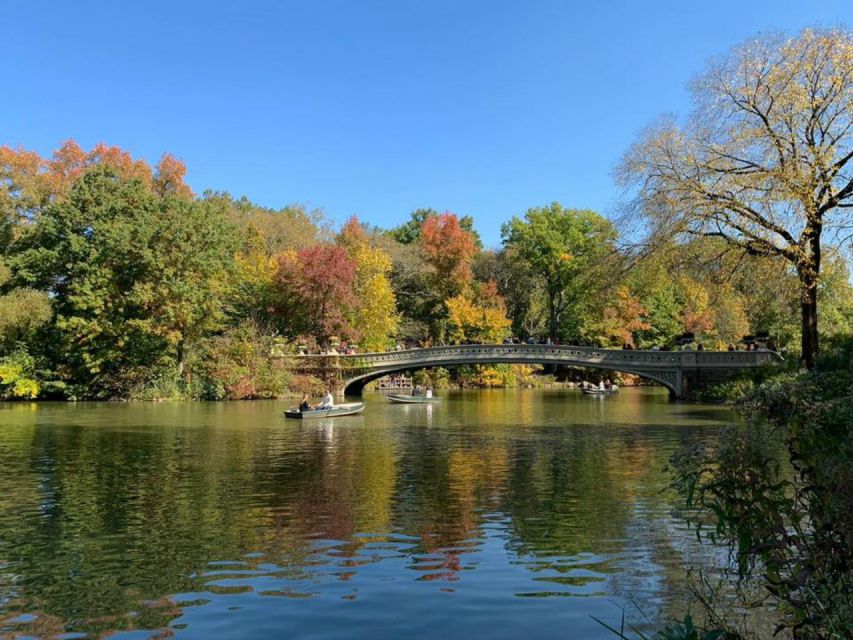
If Bow Bridge is on your route, it adds a romantic focal point. Bridges in parks are like stage curtains. They frame what’s next and make the route feel like it has chapters.
Cherry Hill and Strawberry Fields
Cherry Hill is a classic viewpoint stop. It helps you see how the park rises and falls, and why those gentle changes in elevation matter.
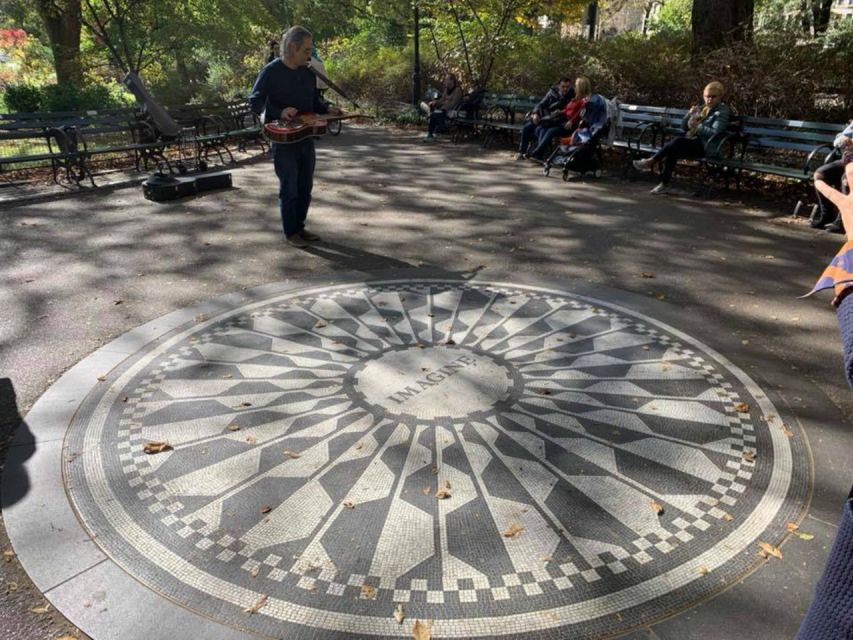
Strawberry Fields brings in a different kind of significance. Even if you’re not there for a long stop, it’s an important emotional moment that adds depth to the park’s story.
The walking pace that keeps you happy, not tired
This tour is about 150 minutes, but the best part is the pacing approach. I really like that the route is designed as a leisurely walk. In one example, the guide Jeremy was praised for a thoughtful pace for people who struggle to walk fast. That tells me this is not a “keep up or fall behind” situation.
Small group size matters too. With a limit of 10 participants, you’re less likely to feel trapped behind a crowd. You also get more time for questions and for your guide to point out details you might otherwise miss.
Finishing on the Upper West Side near 72nd Street
The tour ends at 1 W 72nd St in the Upper West Side. That ending point is practical. You’re set up to keep exploring neighborhoods without having to backtrack across the whole park again.
It also changes your whole day plan. Instead of returning to where you started and rethinking transit, you can roll into coffee, museums, or a slower afternoon walk.
Price and value: what $35 buys you in Central Park
At $35 per person for about 150 minutes, this is positioned as a solid value for first-timers. Central Park is free, but your time and attention are not. Paying for a guided walk here buys you three things you can’t easily recreate on your own in a short visit:
- A planned route that connects key design ideas to specific locations
- Context about how the park changed American cities
- Film location spotting that turns random scenery into recognizable sets
If you’re the kind of person who usually gets “park fatigue,” this kind of structure can actually save energy. Instead of wandering and guessing, you follow a narrative. That reduces frustration and makes the walk feel purposeful.
When to go: the park changes, and the tour changes with it
The tour runs all year, and that’s a big deal. Central Park looks different across seasons, and the discoveries shift too. In winter, you tend to notice shapes and views more. In warmer months, the park feels fuller and the path transitions feel more lush.
The tour’s promise is that each season brings a different experience. Even if you’ve visited before, going another time can make the route feel fresh, because the park’s mood changes.
Who should book this tour
This is a strong fit if you want:
- A guided introduction to Central Park that explains the big idea behind it
- Movie location spotting, plus famous landmarks and classic photo zones
- A small group with a relaxed pace
- A route that ends in a convenient place to continue your day
It’s less ideal if you have mobility impairments, since the tour is not suitable for people with mobility impairments. Also, late arrivals cannot be accommodated, so arrive on time and start strong.
Should you book this Central Park highlights walking tour?
If you want to get oriented, understand why Central Park is such a big deal, and still have time to enjoy the scenery, I think this is an easy yes. The price makes sense for the time you save and the context you gain, and the small group size keeps it from feeling chaotic.
Skip it only if you hate walking for about 150 minutes in all weather, or if your mobility limits make a walking route unrealistic.
FAQ
Where do I meet the guide?
Meet your guide in front of the General William Tecumseh Sherman monument.
How long is the Central Park highlights tour?
The tour lasts 150 minutes.
Is the tour offered year-round?
Yes, the tour runs all year round.
Is the tour canceled if it rains?
No. The tour takes place rain or shine.
What should I bring?
Wear comfortable shoes.
Is it suitable for people with mobility impairments?
No, the tour is not suitable for people with mobility impairments.
More Walking Tours in New York City


More Tours in New York City




More Tour Reviews in New York City


Not for you? Here's more nearby things to do in New York City we have reviewed










More Central Park Tours to consider.
 ★ 5.0Central Park Pedicab Guided ToursTickets from $387,108 traveller reviews
 ★ 5.0Private Central Park Pedicab TourTickets from $386,981 traveller reviews
 ★ 4.2Central Park Bike RentalsTickets from $92,528 traveller reviews
 ★ 5.0Official NYC Horse Carriage Rides in Central Park since 1979 ™Tickets from $992,365 traveller reviews
 ★ 4.1Central Park Bike RentalTickets from $81,651 traveller reviews
 ★ 4.9Private Central Park Pedicab TourTickets from $401,637 traveller reviews
 ★ 4.7Central Park Bike RentalTickets from $91,509 traveller reviews
 ★ 4.0Carriage Ride in Central Park (VIP – PRIVATE) Since 1964™Tickets from $141,074 traveller reviews
More useful New York routes