
Review · NEW YORK CITY TOURS
New York: Hip-Hop, Murals, Sports, and Dangerous Neighborhoods Tour
Hip-hop streets, big legends, and real grit. This 5-hour tour uses 1990s NYC as the theme, bouncing you between murals, music landmarks, and famous story-scarred neighborhoods. You get the cultural hits, plus the darker folklore that shaped the city’s reputation.
I especially like the way it pairs street art with named stops like the Apollo Theater and the Notorious B.I.G. mural, so the visuals mean something, not just photos. I also like the mix of subway time and on-street wandering, because it feels like you are moving through the city instead of being driven past it. One drawback to plan for: it is not built for everyone, since it is not suitable for children under 6 and it excludes people with back problems, mobility impairments, or heart problems.
Key Highlights That Matter
- Hell’s Kitchen to the Bronx and Harlem, with major cultural stops tied to 1990s legends
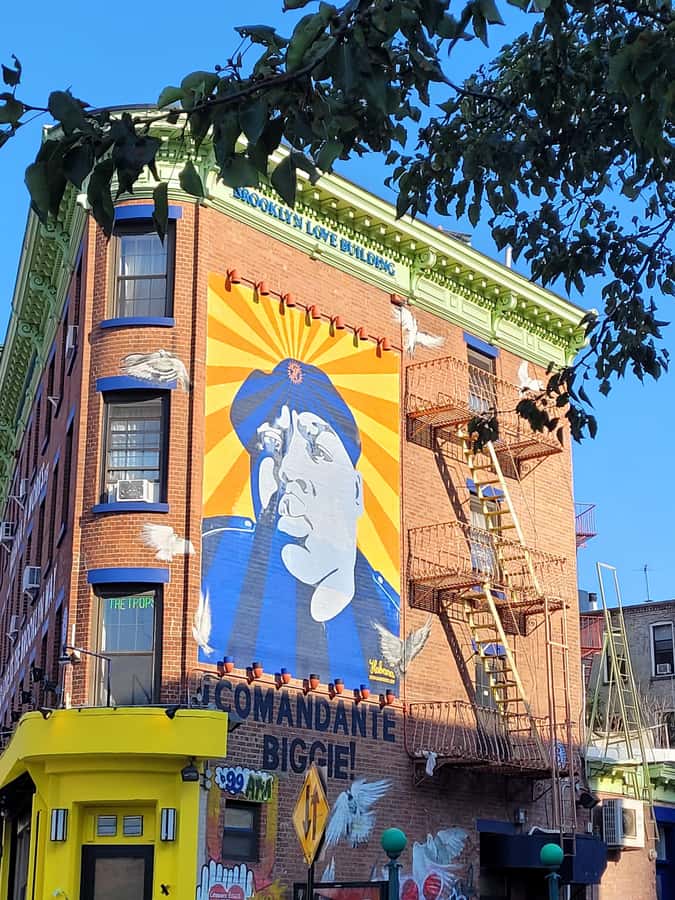
- Mike Tyson birthplace areas and Notorious B.I.G. streets, plus stories that connect music to neighborhood life
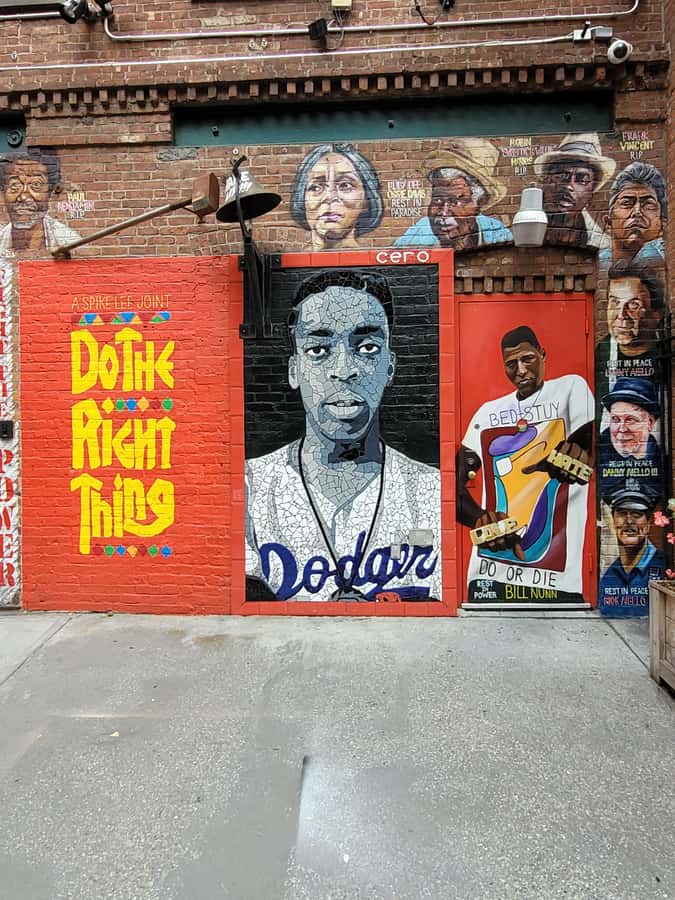
- Spike Lee production company and iconic bookstores, for film-and-media context beyond the usual landmarks
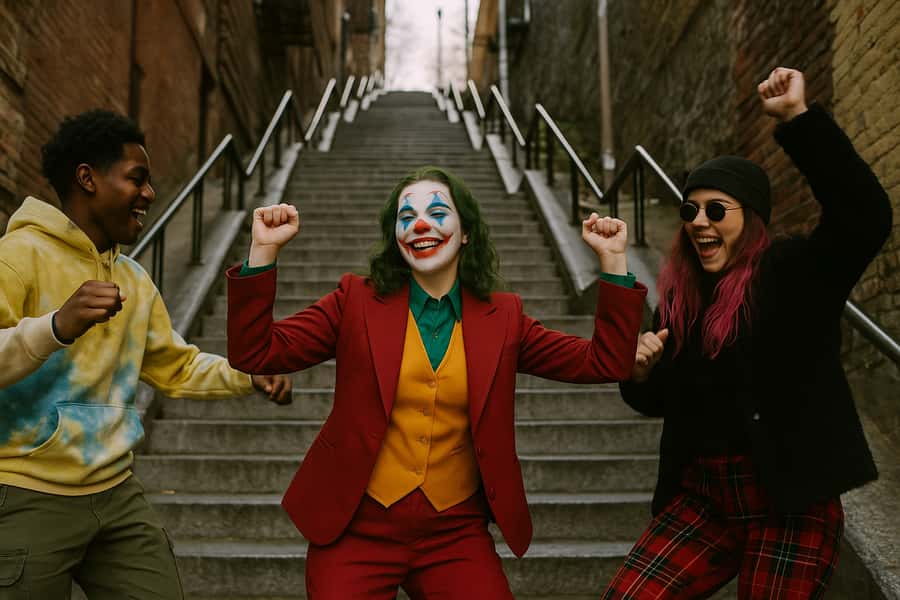
- Yankee Stadium and the Joker stairs, adding sports pop culture to the crime and music theme
- Apollo Theater and multiple murals, where you can see the era’s style in real locations
- Subway use plus local comfort stops, including a legendary coffee shop and a barber shop known for baseball and hip-hop regulars
A $69 Tour That Targets Culture, Not Just Checklists
At $69 per person for about 5 hours, this tour sits in the mid-range for New York guided experiences. The value is not that it tries to cover everything in Manhattan and beyond. It is that it focuses your time on specific anchors from 1990s street culture: hip-hop, crime stories, film, murals, and sports.
What you get for the price is straightforward: a certified guide and a route designed to connect pop culture to place. You do not just hear names. You walk to the streets where those names landed, then you get the context for why those places mattered. That matters in New York, where a famous building can feel random unless someone points you to the right block-level story.
The one cost wrinkle is that subway tickets are not included, so you should budget for those on top of the $69. Also, plan to tip your guide. If you like tours where the guide is part storyteller and part local translator, this one usually lands well.
You can also read our reviews of more tours and experiences in New York City.
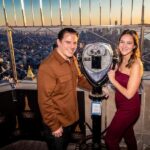

Starting at Mickey Spillane on W 49th: The Easy Way In
You meet at Mickey Spillane’s, 350 W 49th St, at the corner of 9th Avenue and W 49th Street. The guide holds a sign that says Careri Entertainment, so you can spot them quickly and avoid that classic pre-tour milling around.
This start point is useful for two reasons. First, it puts you close to major Midtown transit connections. Second, it sets the tone right away. Mickey Spillane is basically a nod to crime noir, which matches the tour’s theme of dark stories and legends, even when the stops you walk to are more music and mural focused than you might expect.
If you hate feeling rushed, arrive a few minutes early. The tour runs about 5 hours, usually in the morning, so you will be transitioning through multiple borough areas in one sitting. A clean start keeps the day calm.
Hell’s Kitchen to the Bronx: Where the 1990s Energy Gets Specific
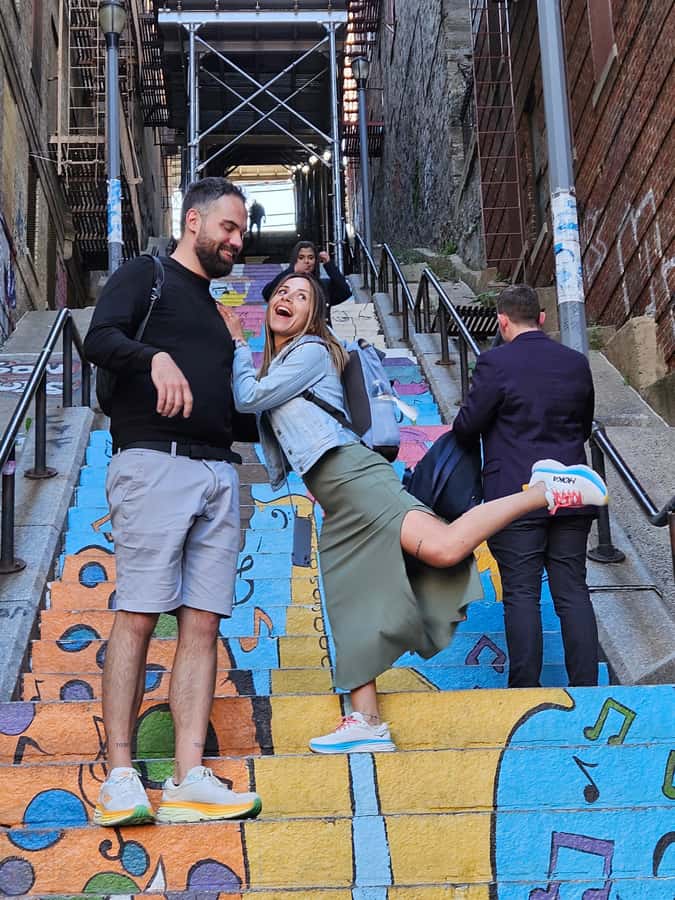
The tour begins in Hell’s Kitchen, described as once one of Manhattan’s most feared neighborhoods. You are not just told that in theory. You get the tour’s main method, which is to link street culture to physical location.
In this phase, the “dangerous neighborhoods” angle is less about shock and more about understanding how reputations form. When your guide points out dark alleys, mural walls, and the street layout, you start to see how a neighborhood can become part myth, part reality. That is also where you get the best chance to appreciate the art. Murals here are not random graffiti. They are cultural markers that keep stories visible even as blocks change.
Then you move north into the Bronx and into Harlem. These sections are where the names stop being abstract. You visit areas tied to Mike Tyson’s birthplace and the streets where Notorious B.I.G. made history. Even if you are not a “crime-story person,” these stops can work because they are framed as cultural geography. Hip-hop did not float above the streets. It grew out of them.
Two practical considerations for this part:
- Expect a fair amount of walking and time on city sidewalks. Wear shoes you can keep on for hours.
- New York blocks can shift quickly from open and busy to narrower and quieter. Keep your phone secure and stay with the group.
Harlem and Film Context: Spike Lee, Bookstores, and Media Places
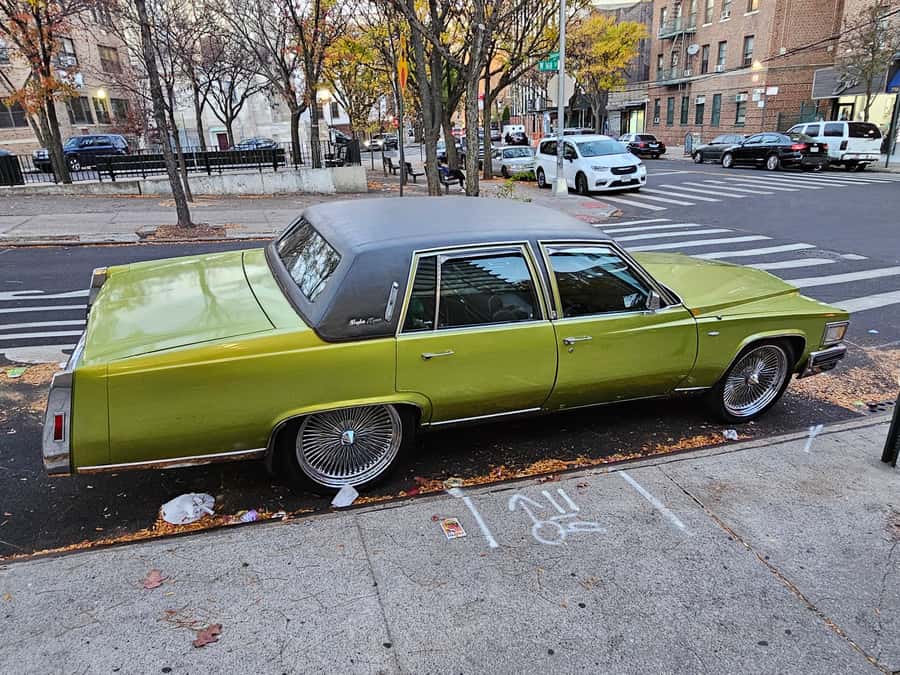
After the early borough moves, the tour leans into film and media. One named stop is Spike Lee’s production company. That is a big deal for anyone who wants more than music history. It gives you a bridge from what people were living to what people were watching and filming.
You also stop at iconic bookstores. That detail matters more than you might think. Bookstores in NYC are not just retail stops. They are community memory, places where a city’s storytelling happens in public, and where people can cross between music culture, film, and journalism.
This is also where you start to understand why the tour’s creator, Andrea Careri, chose a 1990s theme. The era is not only about famous songs and sports wins. It is about how neighborhoods fed media, and how media fed back into neighborhood identity.
In past groups, guides like Kent, Alex, Jose, and Louie have been praised for keeping the whole day moving while still answering lots of questions. So if you like to ask why a mural went up here, or how a film company connects to the street, you will likely get room to talk.
Brooklyn Pop Culture Stops: Joker Stairs and the Notorious B.I.G. Mural
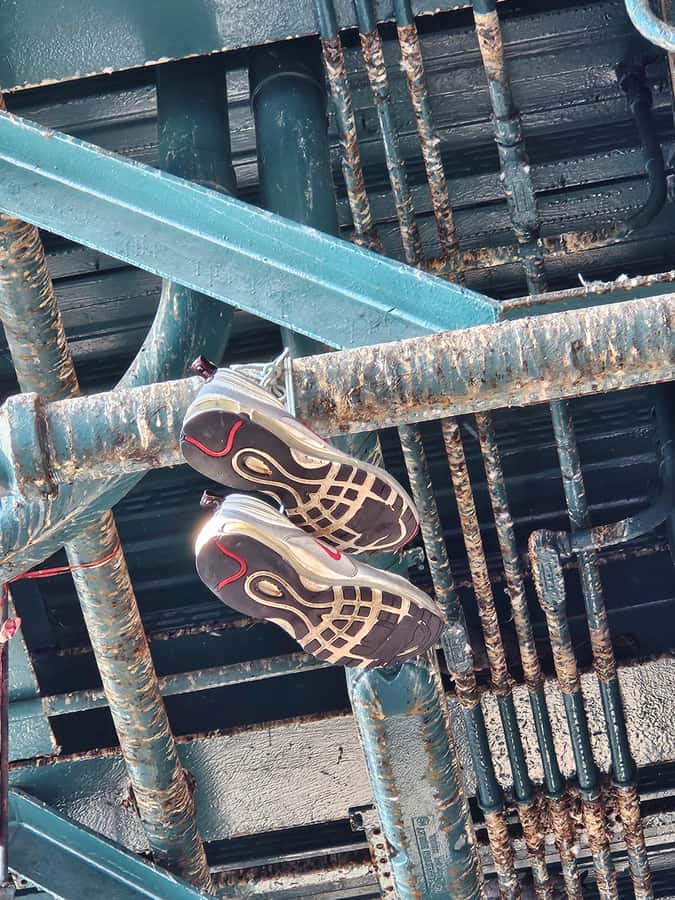
Brooklyn is the tour’s feel-good shift, even though the theme stays gritty. The description frames it as the epicenter of New York’s music and film world, and it is easy to see why: lots of iconic names live here, and lots of iconic images get made here.
You visit the Joker stairs, a famous Brooklyn spot tied to pop culture and street legend. It is the kind of place where the first reaction is usually, I have seen this in photos, but seeing it in context is different. The stairs are a landmark because they are a story device in popular media, not because they are an original “tourist attraction.”
You also admire murals, including a Notorious B.I.G. mural in Brooklyn. This is one of the best parts of the tour’s design. A mural is a living archive. When a guide connects it to the era’s artists and neighborhood life, the wall stops being background texture and becomes part of the narrative engine.





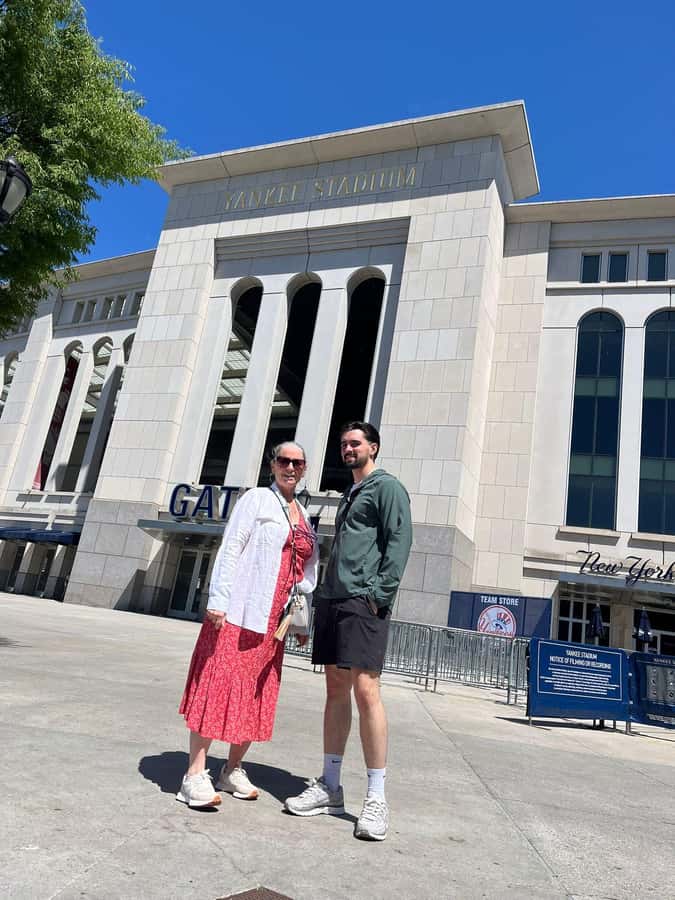
Yankee Stadium Daydreams: Sports Meets Street Story
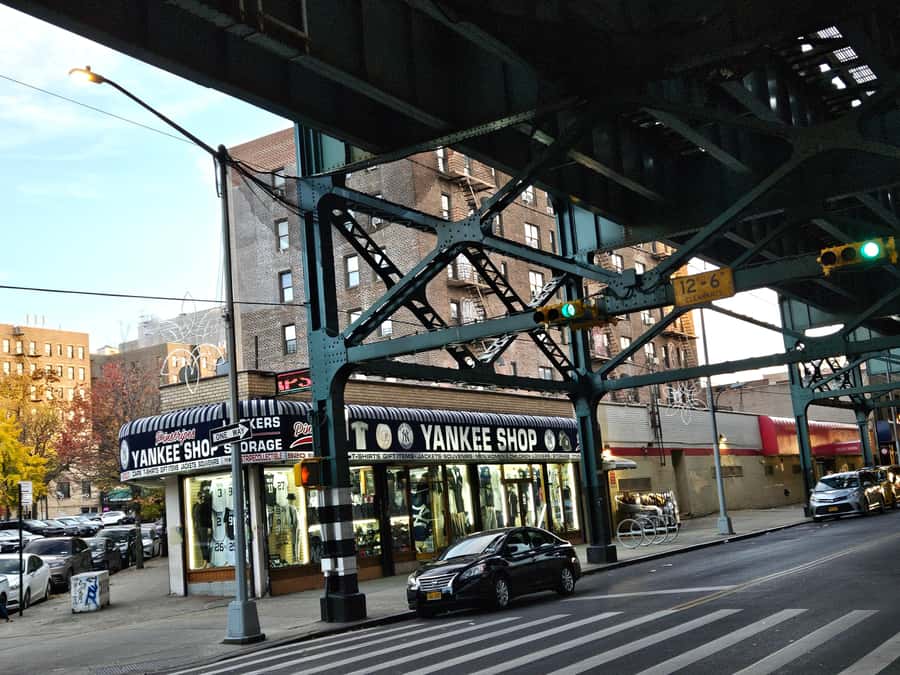
Two stops anchor sports culture into the day: Yankee Stadium and pose-worthy time at the Joker stairs. Yankees Stadium is a major NYC institution, but on this tour it is not treated like a random landmark. It is treated like a cultural reference point, another piece of the 1990s identity puzzle.
Why does this work? Because it balances the tour’s darker stories with something structured and widely recognized. Sports is also community storytelling. It is part pride, part pressure, and part media spotlight. You get a wider view of what made New York feel electric in that decade.
This section is also useful if you have friends with different interests. Hip-hop fans get their street context. Sports fans get a legendary building and a fun photo moment. Everyone gets more than one angle on the city’s identity.
Apollo Theater and Murals: When Art Becomes the Guide’s Main Text
One of the named highlights is the Apollo Theater. This stop helps you connect street culture to performance culture. Even if you do not go inside during your visit time, the Apollo name carries weight in a way that instantly puts your other stops into focus.
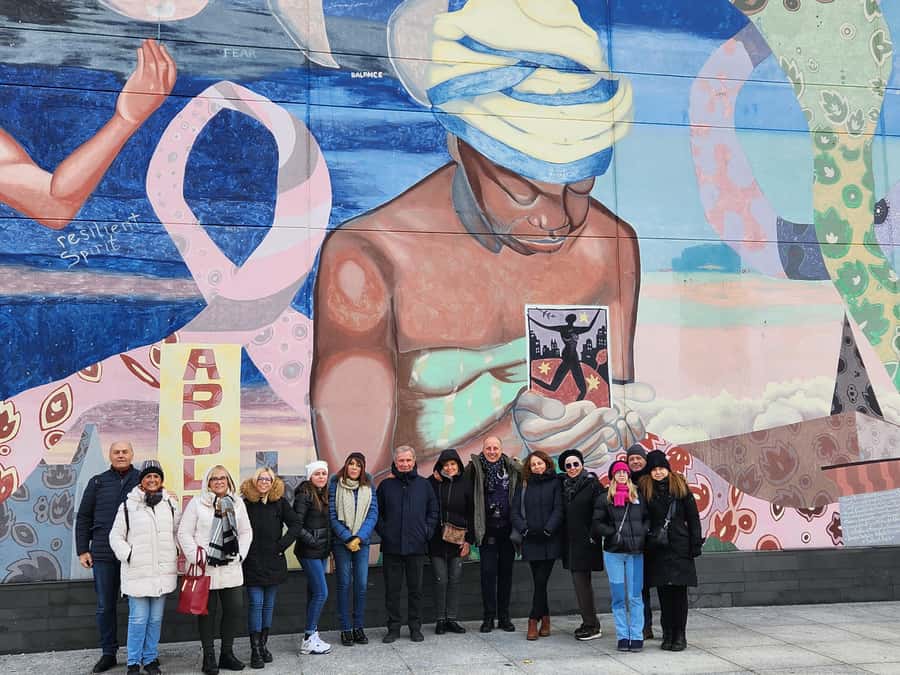
The tour also pays serious attention to murals. The way the stops are described, you are not only looking at art. You are listening to stories about musical icons and local legends tied to those walls.
This is the tour’s most human payoff: it slows you down enough to see that street art is not just decoration. It is memory, it is branding, and it is sometimes a response to what people felt they could not say elsewhere.
Bring time for photos, but also bring patience. Murals and landmarks take a few minutes longer if you want real detail, not just a quick click. If you are someone who likes to stand, look, and read the visual cues, you will appreciate this.
Hidden Stops That Feel Local: Coffee, Barbers, and Real Conversation
A standout part of the tour is the promise of exclusive access to local spots. You will stop at a legendary coffee shop and an iconic barber shop frequented by baseball stars and hip-hop legends, plus other neighborhood locations.
Even without a lot of formal “shopping” involved, these stops can change the tone of the day. It turns the experience from a quick photo trail into something closer to a conversation with the city. These are the kinds of places where the guide can share how locals talk about the era, what symbols people remember, and why certain blocks became known.
If you like tours where you can ask, what does that mural mean to someone who grew up here, or why is this building treated like a landmark, these included comfort stops help. They also give you a chance to regroup when the walking adds up.
In the feedback you can find a recurring theme: guides make an effort to keep things engaging. People often point to the guide’s humor and their ability to keep the pace fun without leaving anyone behind. That is valuable, because “dangerous neighborhood” themed tours can sometimes feel tense. Here, the tone is designed to stay friendly.
Guides, Language Switching, and the Day-to-Day Experience
The tour is led by a certified guide, and one reason it scores high is the way the guides interact with the group. In multiple accounts, guides like Alex, Kent, Jose, and Louie are described as doing a lot to keep people comfortable and involved.
A particular detail worth knowing: the tour can be bilingual, with guides switching between languages as needed. That is a big deal in New York, where mixed-language groups are common. If you are traveling with someone who speaks a different language, or you want the guide to explain clearly in your preferred tongue, this matters.
Languages are offered by schedule:
- Italian: Tuesday, Thursday, Saturday
- English: Tuesday, Thursday, Saturday
- Spanish: Saturday
- French: Tuesday, Thursday, Saturday
If you want a specific language, choose the day carefully. It is the one part of planning where you have to match the calendar, not just your mood.
Who This Tour Fits Best (and Who Should Skip It)
This tour is built for adults and older kids, not little ones. It is not suitable for children under 6, and it excludes baby strollers. It is also not suitable for people with back problems, mobility impairments, or heart problems.
It makes the most sense if you:
- Love hip-hop, murals, and film culture tied to real streets
- Want sports plus pop culture landmarks, not just one category
- Enjoy guided storytelling where the guide answers questions and keeps the day lively
- Are comfortable with public neighborhoods and street-level walking
If you are someone who needs minimal walking or a fully accessible route, this may not be your best fit. The tour is built around multiple borough stops and city transit, so it is not designed like a low-movement museum visit.
The Practical Side: Time, Subway Tickets, and What to Bring
The tour runs about 5 hours, usually in the morning. Subway is part of how you move between neighborhoods, but subway tickets are not included. So plan to bring whatever you need to cover that ride time.
Also remember tipping. The tour listing is explicit that tips for the tour guide are not included, so bring some cash or a plan to tip in whatever way makes sense where you are.
What to bring, based on the kind of day this is:
- Comfortable shoes for long city walking
- A charged phone for photos and navigation
- Something light for warmth, because you will be outside for long stretches
- A small amount of cash for subway tickets and tipping, if needed
Should You Book This Dangerous Neighborhoods Tour?
If you want a New York tour with personality, names, and place-based stories, I think you should book it. The $69 price point feels fair because it buys you a guide, a focused theme, and a route that hits music icons, film references, murals, and sports anchors. The repeated praise for guides like Kent, Alex, Jose, and Louie, plus the bilingual switching, suggests you are likely to get a day that feels human, not robotic.
Skip it if you fall into the stated limitations: no kids under 6, and it is not suitable for back problems, mobility impairments, or heart or stroller-related needs. Also skip it if you hate walking and street-level time, because the core experience is moving through neighborhoods, not just standing in one place.
If those boxes work for you, this is a smart way to see New York in a way that feels tied to the 1990s, not just to postcard landmarks.
FAQ
How long is the New York Hip-Hop, Murals, Sports, and Dangerous Neighborhoods Tour?
It lasts 5 hours.
How much does the tour cost?
The price is $69 per person.
Where do I meet the tour guide?
You meet at Mickey Spillane’s, 350 W 49th St, New York, NY 10019, at the corner of 9th Avenue and W 49th Street. The guide will be holding a sign that says Careri Entertainment.
Which languages are available, and on what days?
Italian is available Tuesday, Thursday, and Saturday. English is available Tuesday, Thursday, and Saturday. Spanish is available Saturday. French is available Tuesday, Thursday, and Saturday.
Is the subway included?
The tour uses the subway, but subway tickets are not included.
Are baby strollers allowed?
No, baby strollers are not allowed.
Is the tour suitable for children?
It is not suitable for children under 6 years old.
Who should avoid this tour?
It is not suitable for people with back problems, mobility impairments, or heart problems.
Can I cancel and get a refund?
Yes, you can cancel up to 24 hours in advance for a full refund.
More Tours in New York City



More Tour Reviews in New York City
Not for you? Here's more nearby things to do in New York City we have reviewed






More New York City Tours to consider.
 ★ 4.7SUMMIT One Vanderbilt TicketsTickets from $4751,195 traveller reviews
 ★ 4.7Empire State Building Tickets – Observatory & MuseumTickets from $4725,757 traveller reviews
 ★ 4.6Statue of Liberty & Ellis Island with FerryTickets from $1918,683 traveller reviews
 ★ 4.5American Museum of Natural History TicketTickets from $3715,447 traveller reviews
 ★ 5.0New York in One Day Guided Sightseeing TourTickets from $9913,166 traveller reviews
 ★ 4.6Museum of Modern Art (MoMA) Entry TicketTickets from $3012,540 traveller reviews
 ★ 4.7One World Observatory Skip-the-Line TicketTickets from $3012,329 traveller reviews
 ★ 4.7New York CityPASS®: Save up to 41% at 5 Top AttractionsTickets from $15410,548 traveller reviews