
Review · MANHATTAN TOURS
New York: Midtown Manhattan Street Food Walking Tour
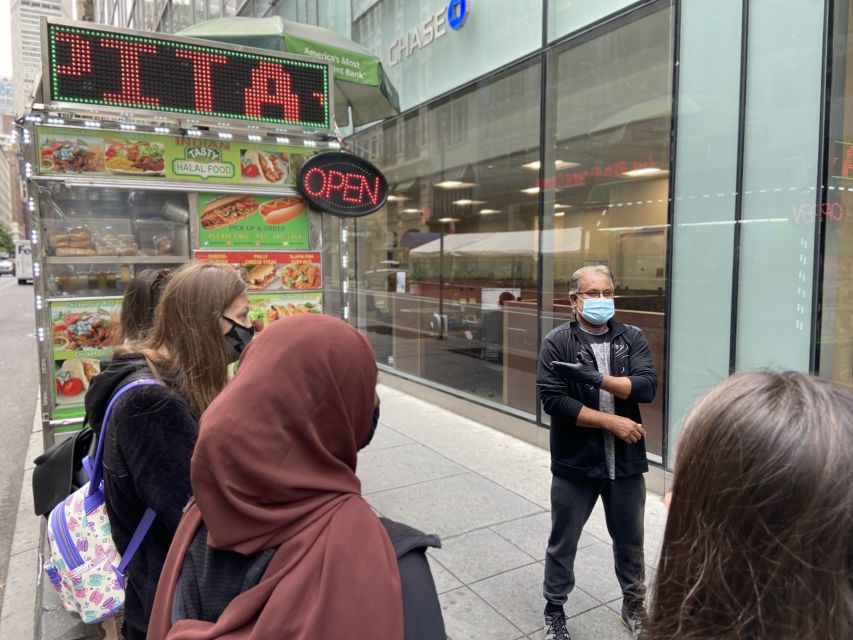
Midtown smells like dinner on wheels. This 2-hour walk through Midtown Manhattan follows New York’s food carts and trucks, with six generous tastings and real stories from the people running them. I also love the mix of food and street-level insight, because you do not just sample, you learn why this scene changes so fast.
The main thing to consider is simple: this is an active food tour, with about 1 mile of walking, so wear comfortable shoes and plan to eat lunch later. If you are picky about timing, come hungry, because the tastings are designed to carry the experience.
Key things you will notice fast
- Bryant Park start, right by the yellow Wafels & Dinges kiosk, at the southeast corner of 6th Ave and 42nd St
- Six tastings that rotate by menu, often across multiple international cuisines
- Vendor stories that cover both the past and today, plus the practical headaches of running a cart
- A walking pace that is realistic for Midtown, about 1 mile total
- Street-food reality checks, including regulations and cleaning, not just feel-good food talk
- A nonprofit impact component, since a portion of each ticket supports the Street Vendor Project
Bryant Park to Midtown, the walk that sets the scene
This tour is built around one smart idea, start where Midtown people actually gather. You meet in Bryant Park, at the southeast corner of 6th Ave and 42nd St, right in front of the yellow Wafels & Dinges kiosk. It is an easy landmark for getting oriented, and it also helps you feel the contrast between the postcard Midtown vibe and the working food-cart world right next door.
From there, you head into the fast-moving rhythm of Midtown, where carts and trucks pop up, disappear, and evolve. The guiding focus is not just what you eat, it is what you see: people doing business in very small spaces, squeezing menus, prep, and customer service into a layout that looks impossible until you watch it in action.
Planning-wise, the location is convenient by subway too. You can use 42 St-Bryant Park (B, D, F, M), 5th Ave (7), or Times Sq-42 St (N, Q, R, S, 1, 2, 3, 7). You will walk about 1 mile total, which is enough to connect multiple tasting stops without turning the day into a full workout.
You can also read our reviews of more walking tours in New York City



Six tastings, and how to time your appetite
The heart of the experience is the food. You get six food tastings plus a bottle of water, guided by someone who knows how to keep things moving while also making time for the story behind the food. The menu rotates to reflect what’s actually available in the street-food world, so you should treat the tour as a sampling playlist rather than a fixed itinerary of the same dishes every day.
I recommend you show up ready to eat. The tastings are described as generous, and that is exactly the point. If you already had a big meal, the tour can feel less rewarding, because you will not get the full value of what they set in front of you.
What might you taste? Depending on the rotation, the menu may include items such as:
- falafel and vegetables
- halal chicken and rice
- Mexican tacos
- Greek souvlaki
- Bengali kati rolls
- Belgian waffles with toppings
Even if you have favorites, do yourself a favor and keep an open mind. This is one of the rare food tours where the variety is not random. Each dish is a clue to how New York street food serves neighborhoods, travelers, and regulars all at once.
The curbside international buffet, why the menu works
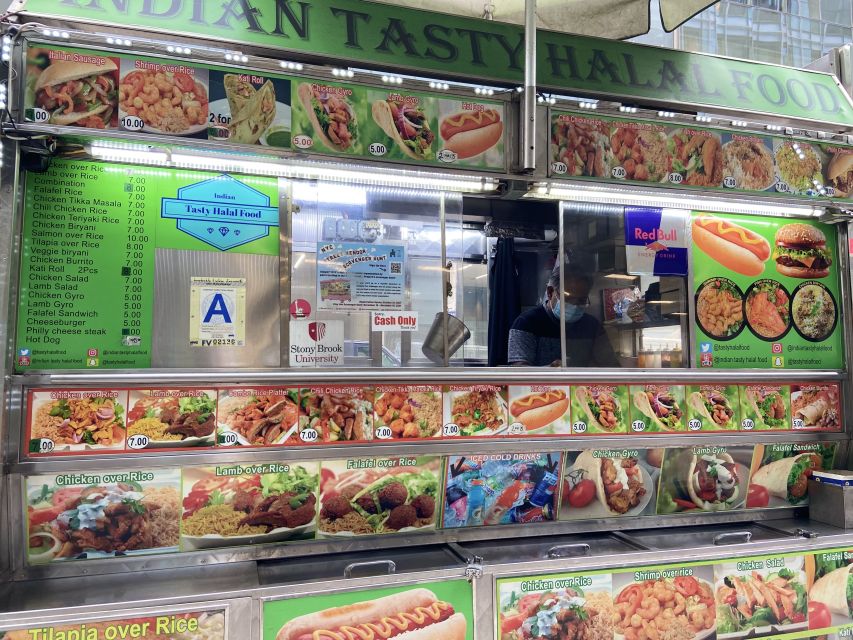
One reason this tour feels more satisfying than a typical single-cuisine food stop is the way it treats Midtown like a living map. You go from one cooking style to another, and you start noticing how each cart tends to build a repeatable system for speed, portioning, and flavor in a tiny workspace.
Here is how that plays out in practice as you move from tasting to tasting.
First tastes, often the veggie and flatbread lane
You may start with something like falafel and vegetables. This kind of dish is a great kickoff because it is easy to compare, crisp on the outside, punchy on flavor, and usually not shy with portions. It also gives you a baseline for how carts manage freshness in a fast kitchen.
Then the comfort-food crowd pleasers
Next you might see halal chicken and rice. Carts that do rice-based meals are often built for predictable speed: warm grains, quick assembly, and consistent delivery. If you like food that feels filling without being heavy, this is usually a strong mid-tour choice.
You can also read our reviews of more food & drink experiences in New York City





Taco and souvlaki stops that show different spice cultures
Mexican tacos and Greek souvlaki are a smart pairing on a walking tour because you get two ways of handling grilled meat, sauces, and herbs. You end up tasting how spice and acidity work differently depending on the tradition. It is a fun way to learn without turning the tour into a classroom.
Bengali kati rolls, where technique matters
If your rotation includes Bengali kati rolls, pay attention. These can feel different from what you expect from a street-food menu, because the wrap and filling setup drives the texture. It is one of those tastings that makes you realize street food is not just quick food, it is skilled food.
Waffles to close, a sweet ending that fits the pace
Belgian waffles with toppings are a common finale option because they work well after savory bites. You get a change of texture, sweetness, and toppings variety, and it is a natural end to a tour that is about enjoying multiple small plates rather than committing to one big meal.
Meeting the vendors behind the food cart myth
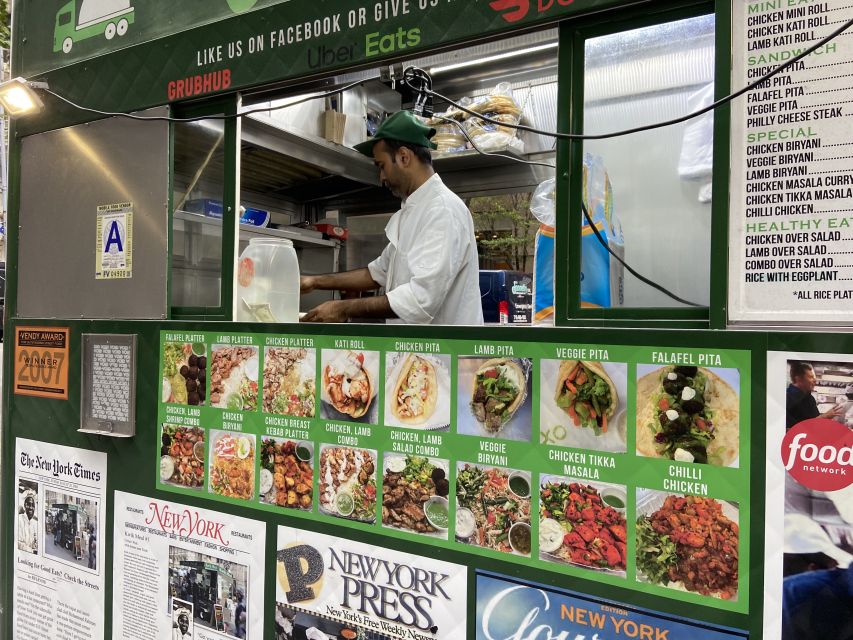
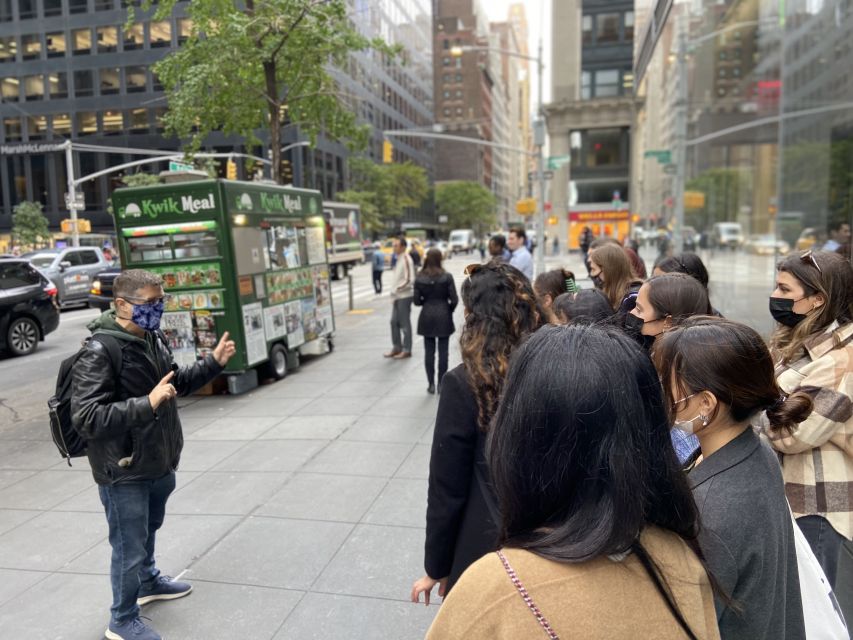
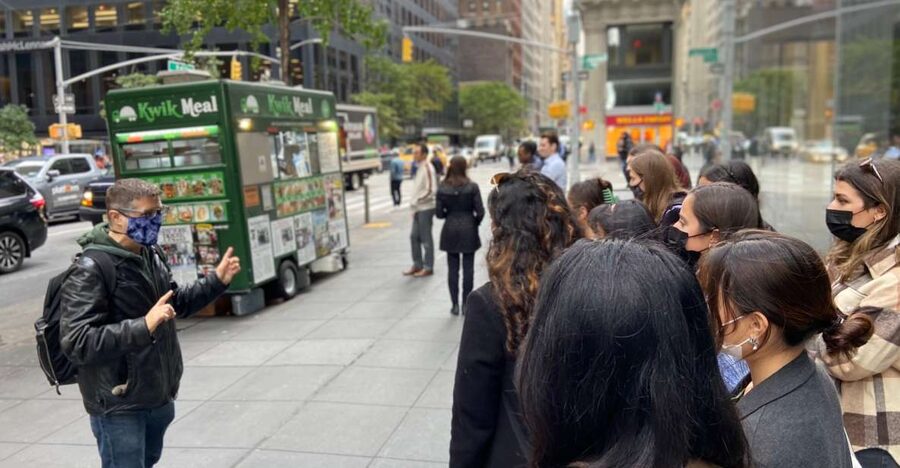
This tour’s best moments usually come from the stories. You hear street-food tales from the proprietors, including backgrounds that range from struggling immigrants to culinary school drop-outs and even former 4-star restaurant chefs. That mix matters, because it challenges the idea that street food is always improvised. In many cases, it is practiced, trained, and deeply intentional.
You also learn what it takes to run a cart or truck in New York. The guide talks through the realities that customers do not see: how fast decisions have to be made, how schedules and service pressure build up, and how much customer-facing work is part of the job.
Another big theme is the industry’s pressure to keep up. The city’s food cart scene is described as fast-changing, and the tour explains why: rules, cleaning standards, and regulations can shape what is possible at the curb. It is not just romance, it is day-to-day business survival.
And yes, you see what the guide is pointing out: people who manage to cram a full kitchen into an improbably small cart. That visual detail is part of what makes the stories stick, because it is hard to forget once you have watched how they work.
A rainy-day friendly tour, with the right mindset
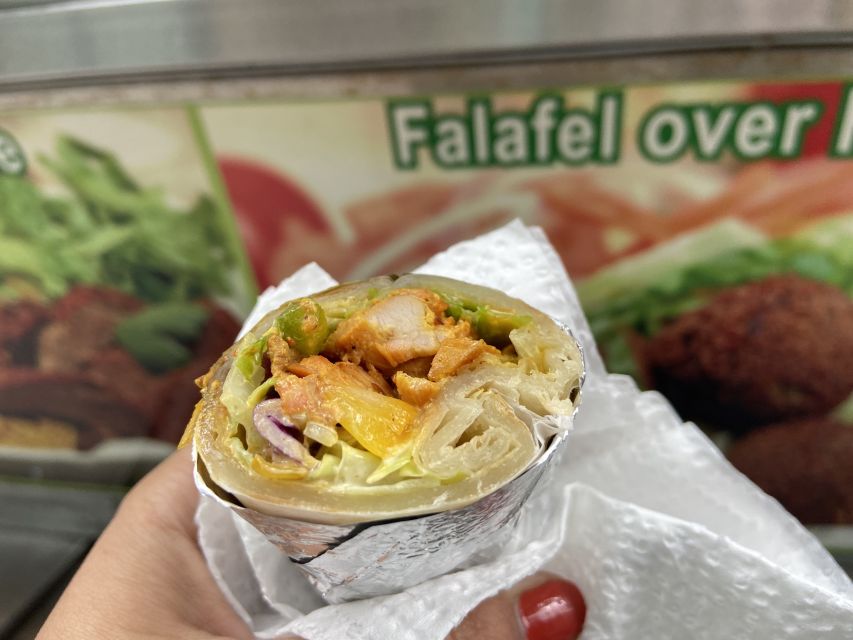
One practical advantage I like about this kind of street-food walk is that it holds up even when the weather does not cooperate. The experience notes that rain happened during at least one tour and it still worked, which makes sense. This is Midtown. You are walking between curbside stops with short distances and a guide who keeps the flow moving.
You still should plan like a real New Yorker. Bring what you need to stay comfortable, especially comfortable shoes and a light layer for cool or rainy weather. If you tend to get cold easily, consider packing something thin you can add quickly.
How the Street Vendor Project support shows up in the experience
It is not just a feel-good add-on. A portion of your ticket supports the nonprofit Street Vendor Project, which supports street vendors in New York City with legal and business assistance.
That support matters because street vending is not only about food, it is about livelihoods. When you learn about the regulations and business challenges on this tour, the nonprofit angle stops feeling abstract. You understand why legal help and business assistance can be the difference between surviving another month and being pushed out by paperwork, enforcement, or high costs.
So while you are eating, you are also backing the idea that the street-food scene is worth protecting and improving, not just consuming.
Price and value for a 2-hour Midtown crawl
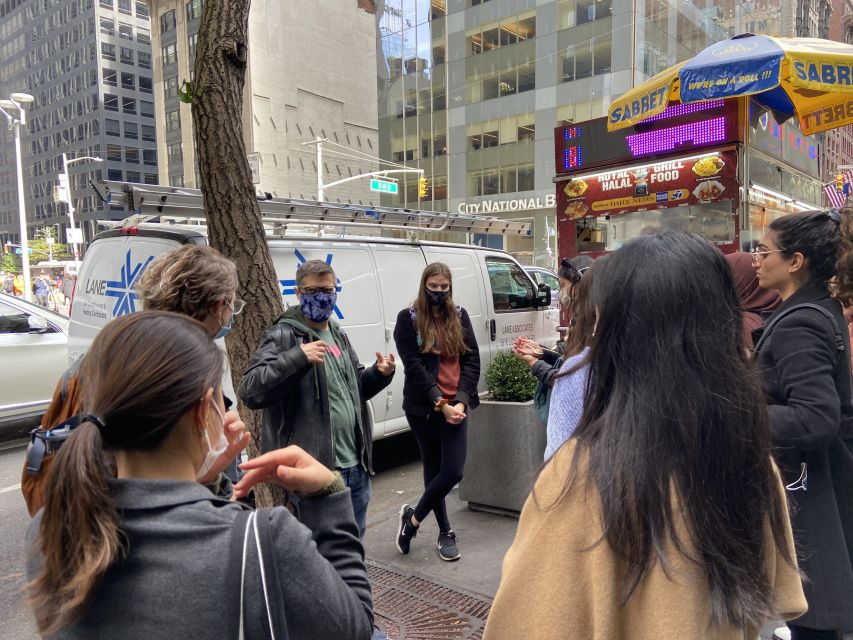
The price is $54 per person for a 2-hour walking tour. At first glance, that number can look high for what is “just food.” The value is in the package: six tastings, a bottle of water, and a live guide who adds context about how the business works.
In other words, you are not paying only for bites. You are paying for the guided pacing, the access to multiple carts in a short window, and the stories that explain how Midtown street food got to where it is now. If you are the kind of visitor who likes to eat and also understand what you are eating, that is where this ticket starts to feel very fair.
Also, because the menu rotates, you get a more varied experience than a standard single-cart stop. You leave with a broader sense of the city’s street-food flavor map.
Who should book this tour (and who should skip it)
This tour is a great fit if you:
- want multiple international tastings in one short walk
- like learning about the business side of food, including regulations and cleaning expectations
- enjoy street food but want more context than a simple meal stop
- are visiting Midtown and want a high-value experience that is easy to anchor to your day
You might skip it if:
- you dislike walking at all, since the tour involves about 1 mile of walking
- you can only eat a very narrow set of foods and have not planned ahead, since most dietary restrictions can be accommodated if you provide advance notice
- you expect a fully fixed menu, because the menu is rotating and tastings can vary
Should you book this Midtown street food walking tour?
If you like your New York experiences to be both delicious and meaningful, this is an easy yes. The combination of six tastings, the vendor-led stories, and the real look at the challenges behind street vending makes it more than a snack parade.
Book it if you will be in Midtown and you want a guided way to taste a range of cuisines without spending your day hunting carts. If you are coming hungry, wearing comfortable shoes, and planning for a short walk, you will get the full payoff. If you prefer quiet, sit-down meals, or you hate crowds, you might feel less at home here.
FAQ
FAQ
Where does the tour start?
The tour starts at the southeast corner of 6th Ave and 42nd St on the edge of Bryant Park, in front of the yellow Wafels & Dinges kiosk.
What is the duration of the tour?
The tour lasts about 2 hours.
How far do you walk?
The tour involves about 1 mile of walking.
How much does the tour cost?
The tour costs $54 per person.
What is included in the ticket price?
The ticket includes 6 food tastings, a bottle of water, and a live English-speaking guide.
Does the tour support a nonprofit?
Yes. A portion of your ticket supports the nonprofit Street Vendor Project, which provides legal and business assistance to New York street vendors.
Can you accommodate dietary restrictions?
Most dietary restrictions can be accommodated if you provide advance notice.
Is the tour wheelchair accessible?
Yes, the tour is wheelchair accessible, and the sidewalks and streets are wheelchair-accessible.
More Walking Tours in New York City


More Tours in New York City






More Tour Reviews in New York City




Not for you? Here's more nearby things to do in New York City we have reviewed












More Manhattan Tours to consider.
 ★ 4.7Manhattan Helicopter TourTickets from $2997,076 traveller reviews
 ★ 4.8Manhattan Sightseeing Helicopter TourTickets from $2995,826 traveller reviews
 ★ 3.0JFK to Manhattan: One Way Shared Arrival TransferTickets from $313,687 traveller reviews
 ★ 4.5Circle Line: 2.5hr – Complete Manhattan Island CruiseTickets from $343,488 traveller reviews
 ★ 4.6From Manhattan: 4-Hour Dyker Heights Holiday Lights Bus TourTickets from $632,426 traveller reviews
 ★ 3.5Manhattan to JFK: One Way Shared Departure TransferTickets from $312,030 traveller reviews
 ★ 4.5The Manhattan Helicopter Tour of New YorkTickets from $2361,842 traveller reviews
 ★ 3.5Private Transfer from Manhattan to NYC Airports (JFK/EWR/LGA)Tickets from $361,683 traveller reviews
More useful New York routes