
Review · NEW YORK CITY TOURS
NYC: Midtown Architecture Tour & SUMMIT One Vanderbilt
Midtown feels like a living museum. This 90-minute mix of street-level architecture and a timed ticket up to SUMMIT One Vanderbilt gives you a clear hit of what makes Manhattan so special, fast: you get a photo moment at the Empire State Building and a guided story of Macy’s impact on the city and America. The only real drawback is that timing matters, arrive early because the tour starts promptly and your Summit ticket is timed once you’re done.
I like how the walk turns big names into street-level clues you can actually notice. You’ll bounce between Midtown’s Art Deco and Beaux-Arts look, with stops that connect landmarks like Bryant Park, the American Radiator Building, and the Chrysler Building. The consideration to keep in mind is simple: it’s a walking tour, so comfortable shoes help a lot even though the route is wheelchair accessible.
Key Points Worth Your Time
- Empire State photo stop near the start, so you get the iconic shot without scrambling later
- Macy’s history on Fifth Avenue, tied directly to New York and America
- Bryant Park as Midtown’s town square, plus nearby skyscraper details you can spot on your own
- Art Deco and Beaux-Arts architecture lessons built into the walking route
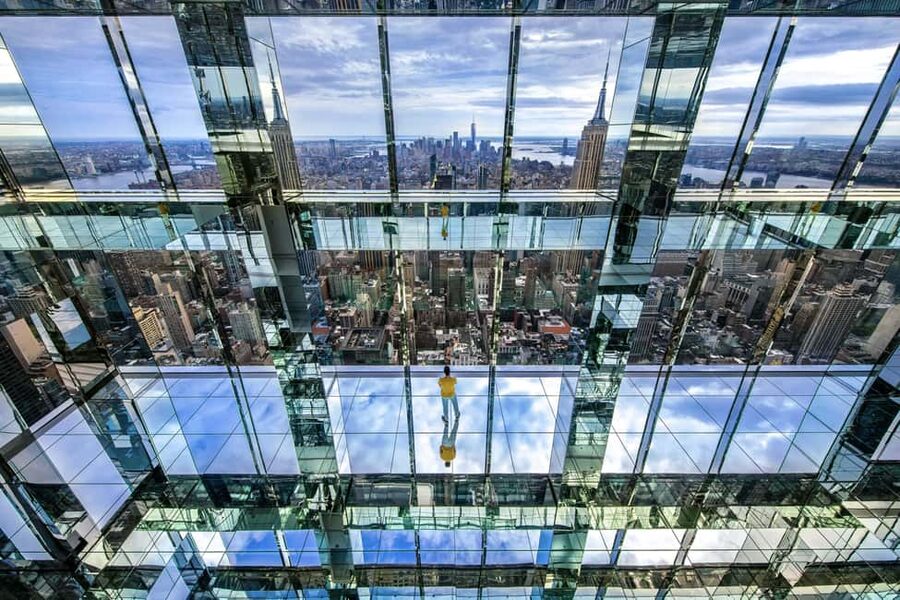
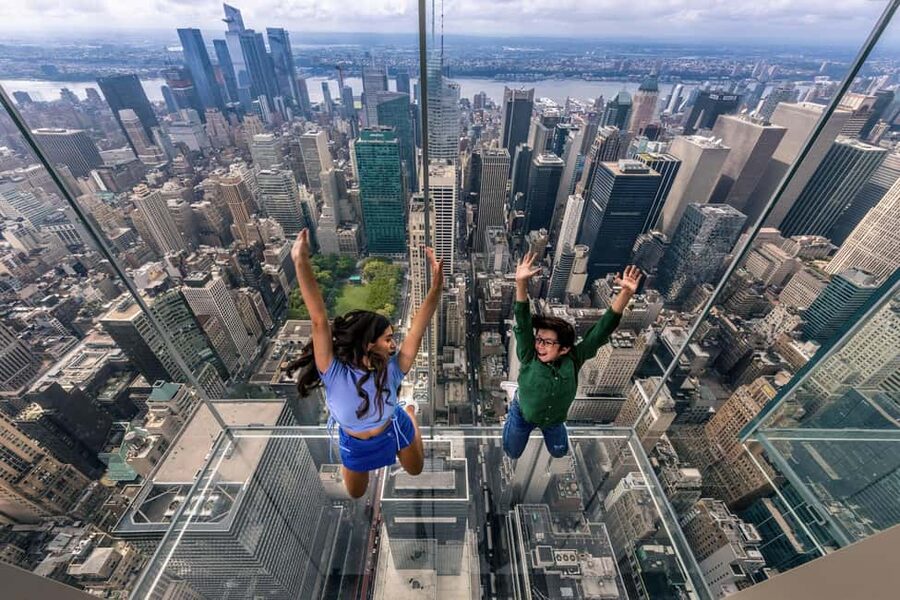
- SUMMIT One Vanderbilt floors 91 to 93, with lights, mirrors, and interactive art
A Midtown Architecture Tour That Actually Has a Shape
If you only have a short window in New York, this is the kind of tour that helps you see the city instead of just watching it pass. Midtown can feel like a wall of glass and steel, but a good guide makes patterns visible. Here, the pattern is architectural style and landmark storytelling, moving from legendary exteriors to a dramatic indoor payoff at One Vanderbilt.
I also like that the pacing is practical. You start on the street with photo and story stops, then you finish with views up high at SUMMIT One Vanderbilt floors 91 to 93. That order matters, because once you’ve learned what you’re looking at below, the skyline at the end lands with more meaning.
One more reason this works for many people is value. You pay one price for a guided walking loop plus an observatory ticket. For $75 per person, it’s not a budget tour, but it does bundle guide expertise and an included ticket so you do not have to plan the two parts separately.
You can also read our reviews of more tours and experiences in New York City.


Starting at Macy’s Herald Square, and Why Being Early Matters
Your meeting point is right in the action: in front of the Sunglass Hut at Macy’s Herald Square. Your guide wears an orange hat that says ExperienceFirst. You’ll want to show up 15 minutes early because the tour starts promptly, and if you’re late you may not be able to catch up.
This is one of those small details that can make or break the experience. Midtown is busy and signage can be confusing when you’re arriving with luggage or trying to sync subway directions. Give yourself slack, and you’ll start relaxed instead of stressed.
Also note that the guided portion ends near the SUMMIT One Vanderbilt building. Your tickets are timed, so the smart move is to head inside immediately after the tour rather than wandering the block. Once you’re in, you can explore at your own pace on the 91st through 93rd floors.
Empire State Building: The Photo Stop That Sets the Tone
The first big moment is the Empire State Building. The tour is designed so you can capture a good photo of this iconic tower, not just hear its name and move on. That matters because the Empire State is one of those buildings you want to photograph when your day still has energy.
Expect a quick stop where your guide points out what to notice. You’re not just ticking off a landmark. You’re getting an orientation to Midtown’s skyline hierarchy, and learning how the Empire State sits in the wider cluster of famous skyscrapers around it.
This is also a great place to start your mental map. After you see the Empire State early, Bryant Park and nearby towers feel more connected when you reach them later in the walk.
A minor practical note: if you hate crowds in front of famous buildings, you might prefer early-day timing in general. This tour’s structure helps, but the area around big icons can still be busy.
Fifth Avenue and Macy’s: More Than a Store, a City Story
From the Empire State area, the tour moves to Fifth Avenue for Macy’s. This stop is about history and influence, not shopping.
What I’d pay attention to here is how your guide frames Macy’s impact on New York and America. Macy’s isn’t treated like a generic department store. It becomes part of Midtown’s story: the way large institutions helped shape foot traffic, retail culture, and how Americans understand the idea of a major American city.
This kind of context changes what you see. Instead of thinking, There’s a big building with a famous name, you start thinking, This building helped define how people moved through the city, how marketing worked, and how New Yorkers built national influence.
If you’re the type who usually skips plaques and only cares about views, this is still worth the time. The Macy’s stop gives you a human scale story that balances all the architecture talk.
Bryant Park: Midtown’s Town Square, Plus Tower-Watching Skills
Next comes Bryant Park, described as the town square of Midtown. I like that framing because it makes the stop feel useful. Bryant Park is not just a patch of grass. It’s a place where the city gathers, and it anchors the skyscraper cluster around it.
Your guide points out iconic skyscrapers from this area, including views toward the American Radiator Building. You’ll also learn how it inspired artists. That little tidbit matters because it connects architecture to culture, not just engineering.
You’ll also get practice noticing details instead of only looking for height. Midtown architecture is full of small features, patterns, and style cues. When you have a guide pointing things out as you walk, you start to spot them on your own.
This part is a strong “transferable skill” moment. Even after the tour ends, you’ll likely find yourself looking at façades differently, noticing style changes from one block to the next.





Art Deco and Beaux-Arts: How Your Guide Makes Style Look Simple
One of the best elements of this tour is the way it teaches architectural styles along the route. You’ll learn about Art Deco and Beaux-Arts architecture in Midtown, using real buildings as examples.
Here’s what makes that useful for you: you stop treating the skyline like a single visual blur. Art Deco can feel geometric, dramatic, and often vertically emphasized. Beaux-Arts tends to feel more formal and decorative, with an academic kind of symmetry. When your guide ties these styles to specific landmarks, it stops being abstract.
Your route includes pointers toward the Chrysler Building and the New York Public Library as part of the landmark storytelling. Those are famous enough that you can recognize them, but this tour helps you understand why their designs fit into Midtown’s larger architectural identity.
If you love architecture photos, this section is especially helpful. After a quick style lesson, you’ll know what to frame and what details to look for when you take pictures.
American Radiator Building: The Artist Inspiration Thread
The American Radiator Building is one of those Midtown towers that rewards attention. It’s not just impressive because it’s tall, it’s memorable because of its design, and your guide connects it to artists who drew inspiration from it.
This is where the tour feels most “New York” in a good way. New York doesn’t just build buildings. It builds ideas. When you connect a skyscraper to artists, you start seeing the city as a creative engine, not only a place to work and commute.
If you’re the type who likes stories tied to design, this is a highlight. And if you’re not, it still works because it gives you a clear reason to care about a specific façade detail rather than treating every building as identical.
Chrysler Building and New York Public Library: Seeing the Stories in Plain Sight
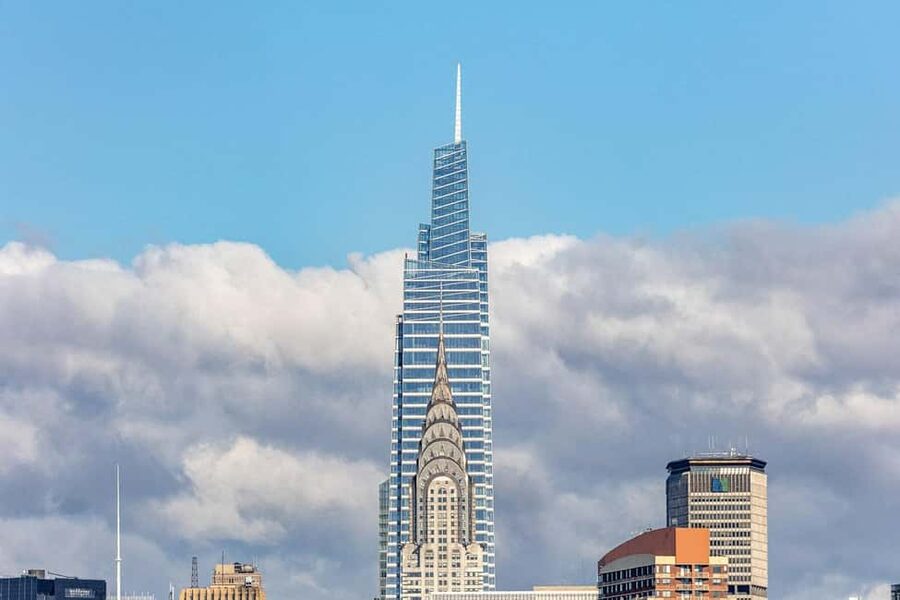
As you keep moving, the guide uses landmarks like the Chrysler Building and the New York Public Library as reference points. You get architecture awareness, plus the sense that these places have roles in Midtown’s identity.
For me, the value here is pattern recognition. Once you’ve got your bearings on style and location, you start connecting dots across blocks. The Chrysler Building feels like a skyscraper you should photograph, and the library feels like a landmark you should pause at, even if you only pass it on foot during this specific tour.
This part is also a reminder that Midtown is built in layers. Modern crowds and modern routines happen in front of older designs with their own logic and style rules. A guided walk makes that layering easier to notice.
Finishing With SUMMIT One Vanderbilt: Skyline, Mirrors, and Light
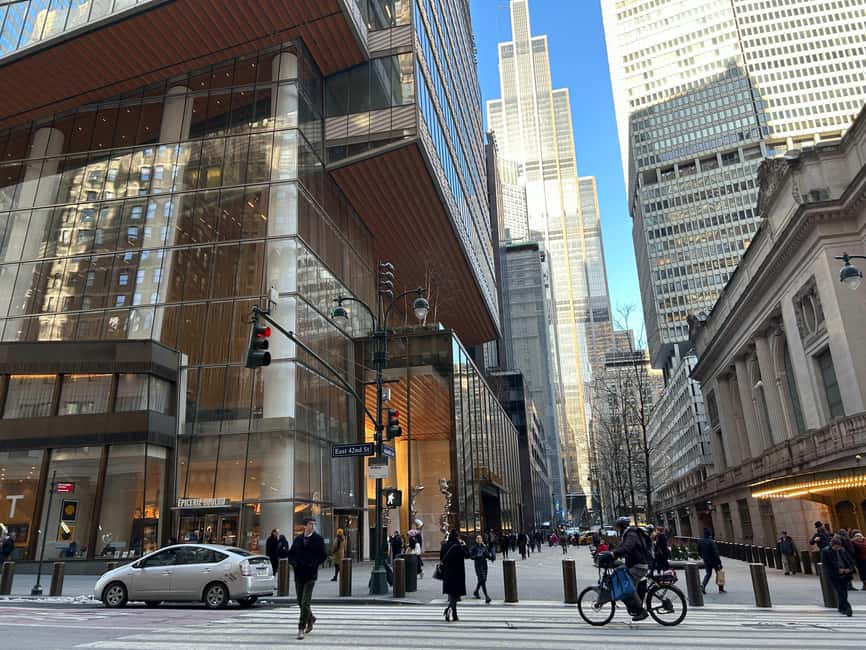
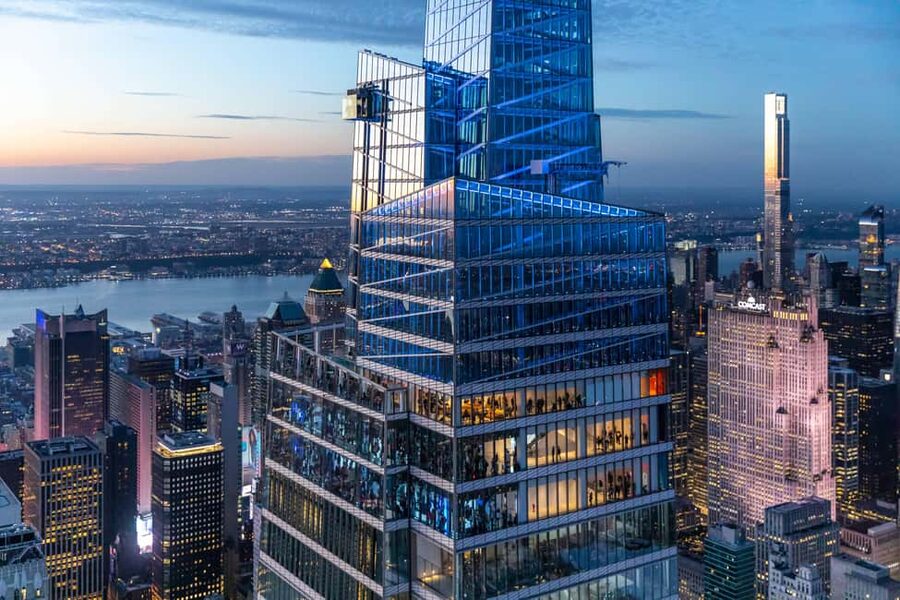
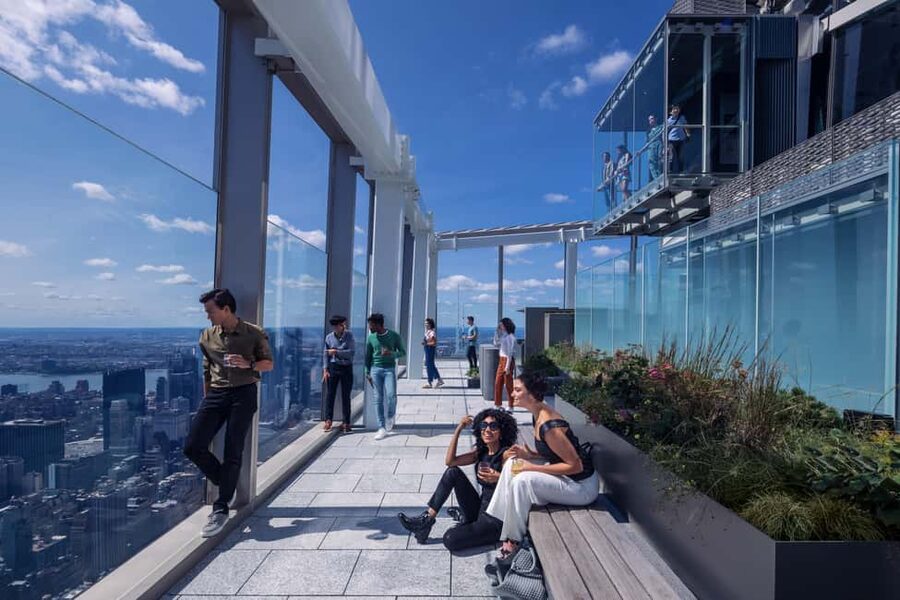
After the street walk, you head to One Vanderbilt. The big finale is SUMMIT One Vanderbilt, where you’ll go to the 91st through the 93rd floors.
What to expect in the space is a shift from outdoor skyline framing to an indoor visual experience. SUMMIT One Vanderbilt uses lights, mirrors, and interactive art. That means your experience is not only about looking out a window, it’s also about how the space changes your view.
I think that’s a smart pairing with a walking architecture tour. When you’re on the street, you learn to read building designs. Up high, you read the city as a whole composition, with skyscrapers forming a pattern in the distance.
Also, the tour ends near the observatory building with timed tickets. Plan to enter right away after the tour so you don’t get stuck waiting or losing your time slot. Once you’re inside, you can explore at your own pace.
Guides Matter: Why Passion Shows Up in the Details
The quality of any architecture tour depends on the guide’s ability to make facts feel like stories. Here, the best experiences are clearly driven by an enthusiastic, competent guide.
One name that comes up with real appreciation is Raymon Rosato. The tone I’d look for in a guide like that is exactly what you want: confident delivery, clear explanations, and a way of pointing out architectural details without turning it into a lecture.
If you care about learning, this tour is more than a scenic walk. It’s a guided interpretation of what you’re seeing, with a finish that gives you time to enjoy the views after the information part.
And if you’re traveling with someone who thinks architecture is boring, this kind of guide is often the deciding factor. When the guide is animated about the stories, even tough-to-like people tend to relax and listen.
Price and Value: What You Get for $75
At $75 per person for about 90 minutes, you’re paying for two things at once: a Midtown walking tour with an expert local guide, plus a ticket to SUMMIT One Vanderbilt.
If you were planning this on your own, you would still need to figure out how to connect the architecture stops and how to manage time for the observatory. This bundled format saves that planning effort. It also helps you avoid the classic problem of seeing a few buildings and leaving without understanding what you just saw.
Is it cheap? No. But it’s not priced like a premium long-haul day either. For most visitors who want a tight, meaningful Midtown introduction plus a high-end observatory finish, the value makes sense.
If you are extremely price-sensitive, you might look for free neighborhood walks or self-guided architecture routes. But if you want someone to point out the right details in the right order, this tour makes that easy.
What Can Go Wrong, and How You Can Prepare
No itinerary is perfect in a city that never stops. One practical issue is lateness. The tour starts promptly, and the provider may not be able to help you catch up if you arrive late.
A second issue to keep in mind is that timed tickets work best when your schedule is smooth. The guided portion ends near One Vanderbilt, and you should go in right after. If you want extra photo time on the walk, keep an eye on the group pace.
If your tour date changes or there’s an unexpected disruption on the day, be proactive. Ask staff at the check-in point about whether your observatory entry still holds and whether you can access the building on your own after the walking portion is affected.
Who This Tour Fits Best
This is a good match if you want:
- A short Midtown introduction that focuses on architecture and landmark stories
- A guided explanation that helps you notice details like style cues
- An observatory finale with skyline views on floors 91 to 93
- Wheelchair and stroller-friendly access built into the experience
It may not be ideal if you prefer very slow tours, lots of sit-down time, or you dislike crowded photo areas near famous buildings.
Should You Book This Midtown Architecture Tour Plus SUMMIT?
Book it if you like structure. This tour gives you a tight route with landmark storytelling, and then a payoff at SUMMIT One Vanderbilt with interactive visuals and big-city views.
Skip or reconsider if you want a fully flexible day with no timed moments, or if you’re likely to arrive late. Since the tour starts promptly and the Summit ticket is timed, you’ll get the best experience when you can move on schedule.
If you’re deciding between self-guided wandering and paying for a guide, I’d choose the guided version for this particular combo. Midtown architecture is easier when someone teaches you what to look for, and the included observatory time makes it feel like you’re buying convenience plus insight.
FAQ
Where do I meet the guide for the tour?
Meet your guide in front of the Sunglass Hut at Macy’s Herald Square. The guide will be wearing an orange hat that says ExperienceFirst.
How long is the Midtown architecture tour?
The tour duration is 90 minutes.
What’s included besides the walking tour?
Your ticket to SUMMIT One Vanderbilt is included, so you can go to the observatory after the walking portion.
Which floors do I visit at SUMMIT One Vanderbilt?
You’ll experience the skyline from the 91st through 93rd floors.
Is the tour wheelchair accessible?
Yes, the tour is wheelchair accessible.
Is the tour stroller friendly?
Yes, it is accessible for both wheelchairs and strollers.
What time should I arrive for the meeting point?
Please plan to arrive 15 minutes early, since the tour starts promptly and you may not be able to catch up if you arrive late.
Can I cancel, and how far in advance?
You can cancel up to 2 days in advance for a full refund.
More Tours in New York City




More Tour Reviews in New York City
Not for you? Here's more nearby things to do in New York City we have reviewed











More New York City Tours to consider.
 ★ 4.7SUMMIT One Vanderbilt TicketsTickets from $4751,195 traveller reviews
 ★ 4.7Empire State Building Tickets – Observatory & MuseumTickets from $4725,757 traveller reviews
 ★ 4.6Statue of Liberty & Ellis Island with FerryTickets from $1918,683 traveller reviews
 ★ 4.5American Museum of Natural History TicketTickets from $3715,447 traveller reviews
 ★ 5.0New York in One Day Guided Sightseeing TourTickets from $9913,166 traveller reviews
 ★ 4.6Museum of Modern Art (MoMA) Entry TicketTickets from $3012,540 traveller reviews
 ★ 4.7One World Observatory Skip-the-Line TicketTickets from $3012,329 traveller reviews
 ★ 4.7New York CityPASS®: Save up to 41% at 5 Top AttractionsTickets from $15410,548 traveller reviews