
Review · NEW YORK CITY TOURS
NYC: Museum of Arts and Design
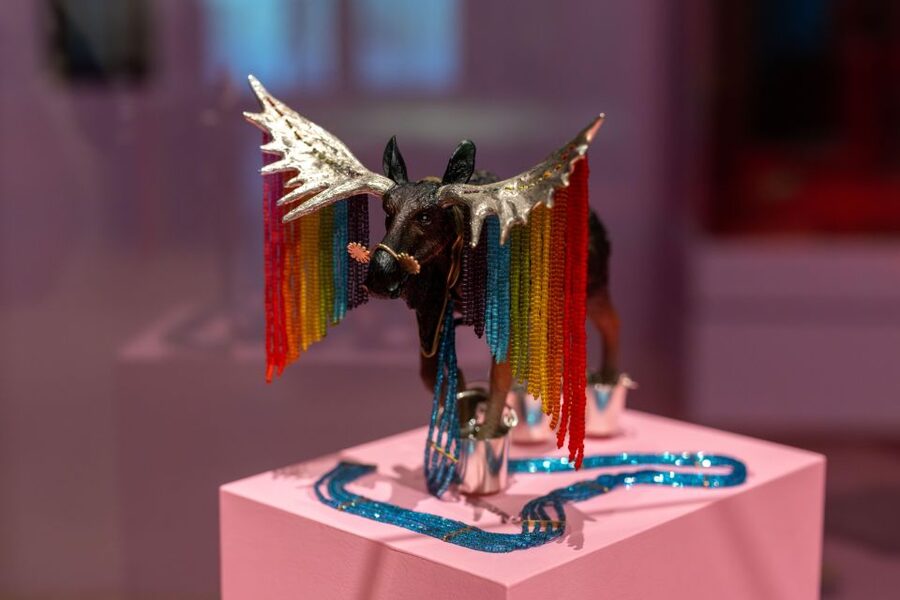
A day at MAD feels like getting a fresh pair of eyes. You’re right by Columbus Circle, so the museum works as an easy add-on to Central Park or a Times Square evening, and the art stays focused on how things are made and what they mean. Two things I love: the way MAD mixes design and art in the same breath, and the chance to see working Artist Studios where you can ask questions and watch pieces taking shape.
You’ll also run into thought-provoking exhibitions that challenge how we talk about culture, identity, and everyday objects. If you’re the type who likes reading the story behind a piece, the MAD Mobile Guide helps you connect what you’re seeing with the “why” and the craft details.
One consideration: depending on the temporary shows that week, the pacing can feel uneven. One part may be punchy and easy to follow, while another section might take a little more effort to fully click.
Key things I’d plan around at MAD

- Columbus Circle location makes it simple to pair with Central Park or a theater night
- Rotating exhibitions that mix art, craft, and design in one place
- Permanent collection plus installations, so you are not stuck in only one theme
- MAD Mobile Guide to get context while you wander
- Artist Studios hours so you can time your visit for work-in-progress
- Robert Restaurant views on the 9th floor, plus a well-stocked museum store
MAD at Columbus Circle, a smart NYC stop you can fit anywhere
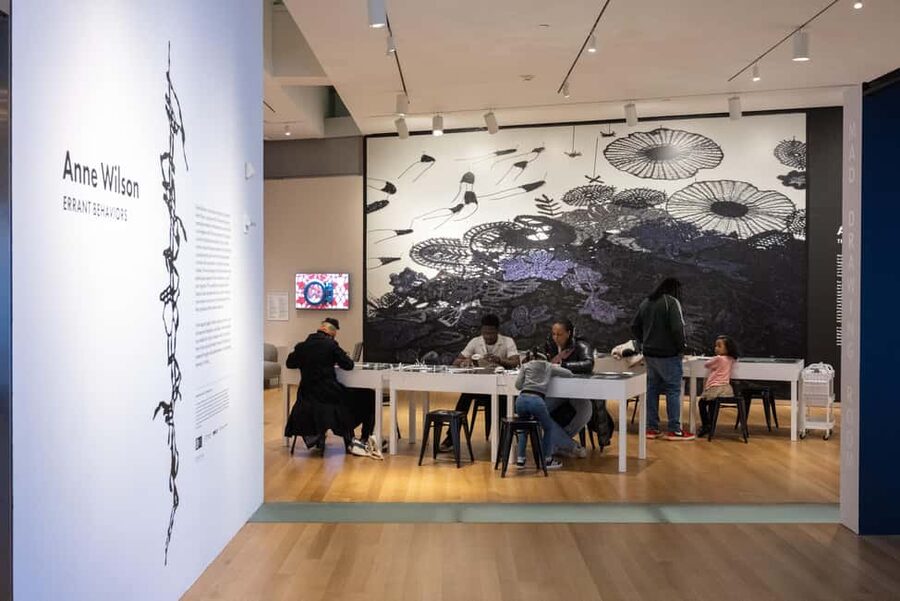
The Museum of Arts and Design is in a prime spot, right on Columbus Circle. That matters because MAD does not demand a full travel day. You can walk over from Central Park or connect it with a Midtown loop without feeling like you used your whole day on museum logistics.
What makes the setting even better is that MAD’s focus fits the neighborhood. This is New York where design is everywhere, from storefront displays to subway signage to the way people style their homes. Inside, MAD keeps that same energy, by spotlighting artists and designers who make objects that push at how we think about society and culture.
I also like that MAD leans into craft. The museum does not act like art is just for staring. It talks about making, tools, materials, and process, which helps you look longer and with more confidence.
You can also read our reviews of more museum experiences in New York City



The kind of art and design MAD shows you
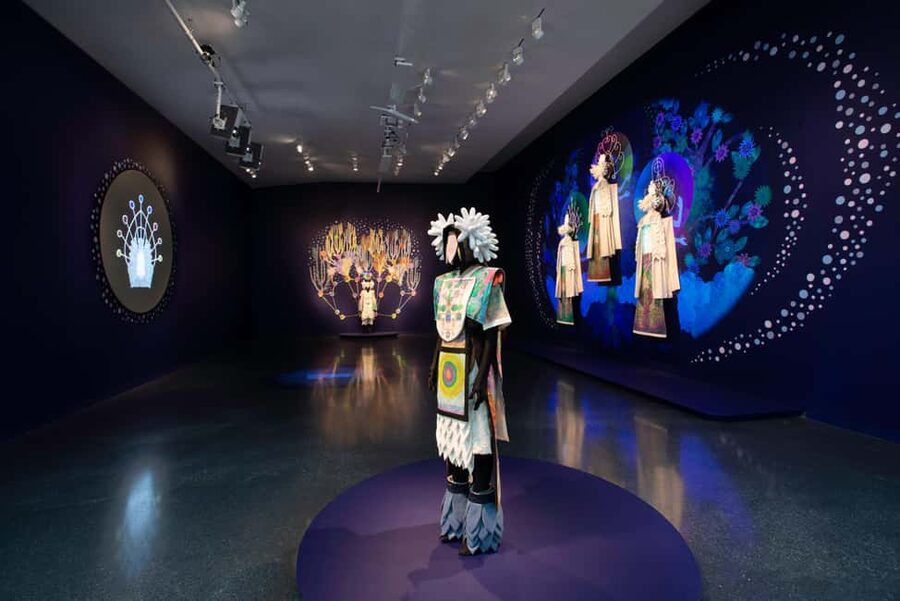
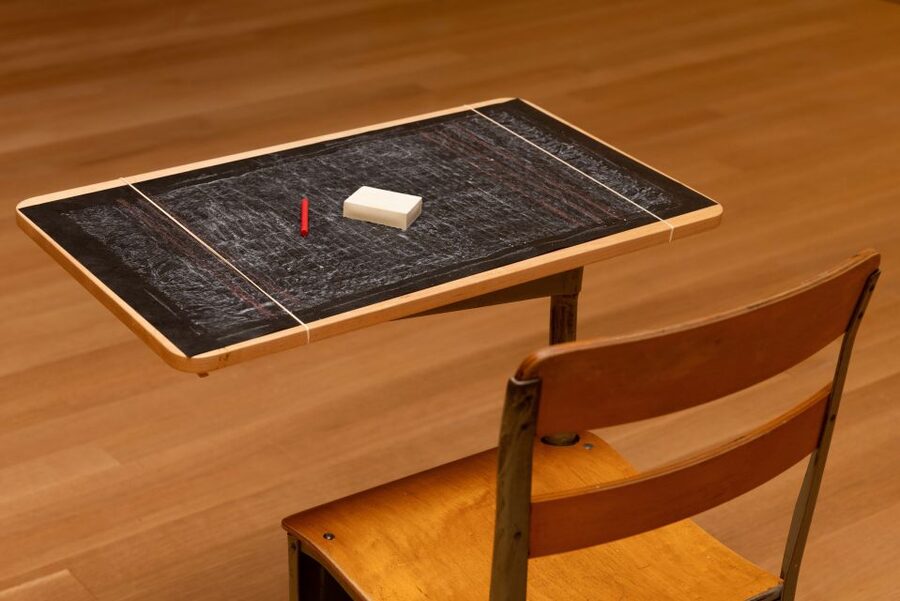
MAD is built around the idea that art and design come from human choices. The museum’s descriptions emphasize work that challenges traditional thinking about society and culture, including pieces carefully crafted by hand. That is the tone you feel when you walk in.
Expect a mix of:
- The permanent collection, where you can build a baseline for how the museum thinks about design
- Installations that change the feel of a room, often making you move differently
- Temporary exhibitions that bring sharper themes, usually tied to contemporary artists or specific social topics
This is a museum where you can have a serious look without turning the visit into a homework assignment. If you’re curious about how everyday objects become statements, you’ll get a lot out of the way MAD connects design choices to cultural meaning.
How to plan your 1-day MAD visit (without rushing)

For a 1-day visit, I recommend a simple rhythm: start with the easiest wins, then use the guide for the “wait, how did they do that?” moments.
Start with the rotating exhibitions that match your mood
The museum’s current lineup can include big, themed shows from their permanent collection or from outside artists. Based on what MAD lists, you might see exhibitions like:
- Mad MAD World of Jonathan Adler
Over 60 works from the museum’s permanent collection paired with Adler’s iconic designs. His world is glamorous and witty, and this show is a good choice if you want design that feels playful but still carefully made.
- Douriean Fletcher: Jewelry of the Afrofuture
With 75 works from Fletcher’s collection, it follows a story arc from self-taught metalsmith to influential designer, with handmade adornments that have appeared on screen, including in Marvel Studios’ Black Panther films. If you care about how craft can travel from studio to pop culture, this one can be a strong pick.
- Designing Motherhood: Things that Make and Break Our Births
Making its New York debut, it spans 150 years of design for reproductive health and well-being, with more than 250 objects connected to fertility, pregnancy, postpartum, and parenthood. This is the kind of exhibition that makes you notice how design affects health and daily life.
No matter which shows are on your day, try this order: one exhibition for emotions and meaning, one for materials and technique. It balances your brain, so you do not end up only skimming the walls.
Then loop back through the permanent collection
After the temporary highlights, the permanent collection helps you understand what MAD repeats in its own DNA. I find this part is where you start connecting dots. You’ll likely see installations and displays that reinforce the museum’s theme: design is not separate from art, and art is not separate from daily life.
Give yourself time here even if you think you already know what you like. MAD tends to surprise you with objects you would not normally seek out in a mainstream museum, especially when the label information pushes you to look at choices like color, form, and construction.




Use your time for the parts you want to look at twice
A museum like this rewards return visits to specific objects. If something catches your eye, do not just snap a photo and move on. Read the surrounding context once, then come back for a second look and compare what you notice with what you learned.
MAD Mobile Guide, the difference between seeing and understanding

The MAD Mobile Guide is one of those tools that makes a museum feel less like a test and more like a conversation with the art. Highlights emphasize that it helps you learn more about the artworks you see.
Here’s how to make it work for you:
- When you pause at an object, check the guide before you decide if you like it
- Look for what it adds about the craft process or the cultural context
- If you hit a room where the information feels heavy, switch to objects that have a clear “what is it and how is it made” angle
One practical tip: if you ever notice an exhibit doesn’t move as smoothly as you expected, the guide can help you stitch the rooms together. Instead of thinking you missed something, you can follow the logic the museum intended.
MAD Artist Studios, the best reason to time your visit
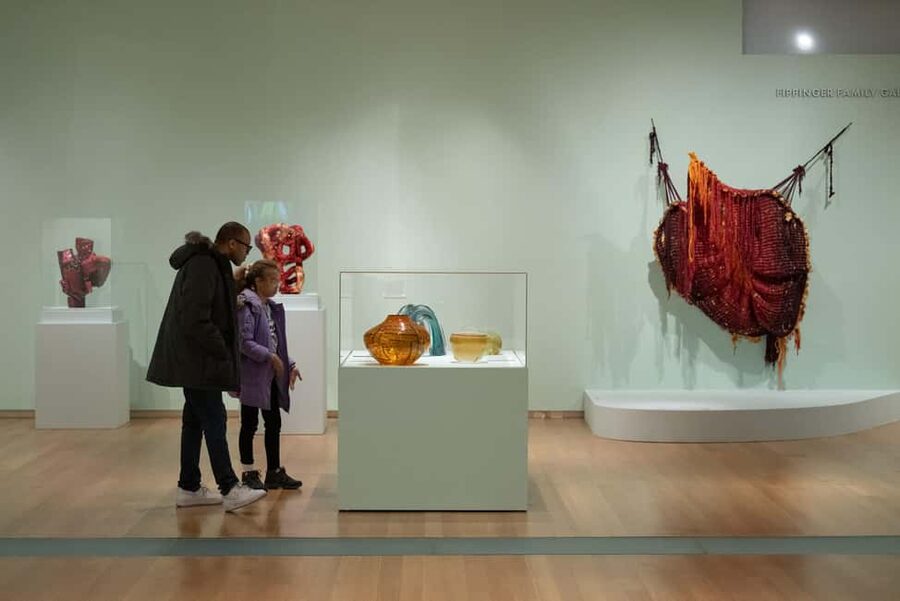
If MAD has one feature that feels truly different, it is the MAD Artist Studios. These are creative workspaces for artists on site. Visitors are welcome to ask questions and view works in progress, which means you see art in the middle of becoming, not only at the final stage.
The studios have specific hours:
- Wednesday, Friday, Saturday: 10:30 AM to 5:30 PM
- Thursday: 12:00 PM to 7:00 PM
So if you like interactive, human experiences, plan your museum day around those windows. Even if you are not a “watch process” person, it can change how you look at finished pieces. You start noticing the kinds of decisions that usually stay invisible behind the wall labels.
Because the experience is described as small group limited to 9 participants, you can often ask questions without feeling lost in a crowd. If you are traveling with kids, this is also a section where questions feel natural and encouraged.
Robert Restaurant and the Central Park views you can plan around
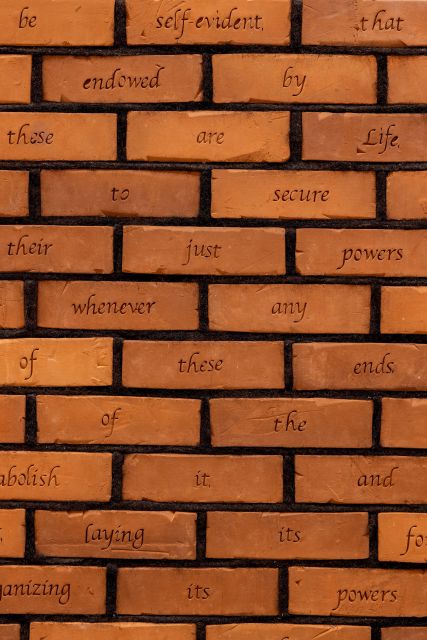
On the museum’s ninth floor, Robert Restaurant offers breathtaking views of Central Park. It’s listed as a New York City classic destination for contemporary American fare and signature cocktails.
This is worth considering for two reasons:
- You can refuel without leaving the museum vibe
- The view gives you a calmer reset after darker or more intense galleries
You will also appreciate having an in-house option because MAD does have rules. Food and drinks are not allowed in the museum, so having a designated place to eat makes your day easier.
If you want to keep the trip efficient, time your meal after you do the busiest gallery rooms. You’ll come out of the museum with less museum fatigue and more energy to keep exploring.
The Store at MAD, good gifts without leaving the museum

Most museums have stores. MAD’s is particularly useful because it’s aimed at stylish, beautifully crafted gifts for all ages, plus artisanal products for the home. If you want a souvenir that actually feels connected to the design focus of the museum, this is the right place to look.
I like doing this at the end of my visit. By then, you know what kinds of objects you responded to inside. You shop with taste, not impulse.
Price and value: why $20 can feel fair here
MAD is listed at $20 per person for this 1-day entry. On paper, that sits in the “reasonable” range for a major New York museum, especially one that combines rotating exhibitions, permanent collections, and onsite studios.
What makes the price feel like value is the variety:
- You are not paying only for one exhibit
- You can spend meaningful time with the permanent collection and installations
- The artist studios can add something hands-on and question-friendly
Also, the experience is described as a small group limited to 9 participants. Even if you are mostly exploring on your own, a smaller setting tends to make the museum feel more navigable, and it can make staff interactions easier when you do have questions.
If you are doing a tighter budget day, prioritize one rotating exhibition plus the studios, then skim the rest without guilt. MAD is flexible enough to fit how much time you want to give it.
Who should book MAD (and who might skip it)
This is a strong match if you like:
- Design, craft, and process, not only paintings
- Exhibitions that tackle culture and identity through material choices
- A museum day you can structure at your own pace using the MAD Mobile Guide
- The chance to see artmaking in progress in the Artist Studios
It might be less exciting if your ideal museum day is one giant, uninterrupted “greatest hits” gallery. MAD can be more concept-driven, and sometimes exhibitions can vary in how smoothly they connect.
Still, if you’re curious, MAD is a good bet because it gives you multiple entry points. You can find something thoughtful, something fun, and something hands-on all in one building.
Should you book Museum of Arts and Design for your NYC day?
I’d book MAD if you want a New York museum that feels practical and modern. The Columbus Circle location makes it easy to fit in, and the mix of rotating shows, permanent collection, and onsite Artist Studios gives you more than just pass-through viewing.
Choose it with confidence if you care about design as a way people express culture. If your schedule is tight, aim to hit one featured exhibition plus the studios during their listed hours, then use the Central Park view at Robert Restaurant as your break point.
If you are deciding between MAD and another museum, think about what you want to remember. MAD tends to stick with people who like craft details and stories behind objects, not just big-name masterpieces.
FAQ
How long is the Museum of Arts and Design experience?
It is valid for 1 day.
What does the ticket include?
Your entry ticket includes admission to the Museum of Arts and Design.
Where is MAD located?
It is in the heart of New York City, on Columbus Circle, with steps to Central Park and Times Square.
How much does it cost?
The price is $20 per person.
Are the Artist Studios open on specific days and times?
Yes. Artist Studios hours are 10:30 AM to 5:30 PM on Wednesday, Friday, and Saturday, and 12:00 PM to 7:00 PM on Thursday.
Is the museum wheelchair accessible?
Yes, it is wheelchair accessible.
What is not allowed inside?
Food and drinks are not allowed, and luggage or large bags are not allowed. Pets are also not allowed, though assistance dogs are allowed.
Is it a guided group experience?
It is described as a small group limited to 9 participants, and the MAD Mobile Guide is mentioned as a way to learn more about the artworks you see.
More Museum Experiences in New York City


More Tour Reviews in New York City


Not for you? Here's more nearby things to do in New York City we have reviewed












More New York City Tours to consider.
 ★ 4.7SUMMIT One Vanderbilt TicketsTickets from $4751,195 traveller reviews
 ★ 4.7Empire State Building Tickets – Observatory & MuseumTickets from $4725,757 traveller reviews
 ★ 4.6Statue of Liberty & Ellis Island with FerryTickets from $1918,683 traveller reviews
 ★ 4.5American Museum of Natural History TicketTickets from $3715,447 traveller reviews
 ★ 5.0New York in One Day Guided Sightseeing TourTickets from $9913,166 traveller reviews
 ★ 4.6Museum of Modern Art (MoMA) Entry TicketTickets from $3012,540 traveller reviews
 ★ 4.7One World Observatory Skip-the-Line TicketTickets from $3012,329 traveller reviews
 ★ 4.7New York CityPASS®: Save up to 41% at 5 Top AttractionsTickets from $15410,548 traveller reviews
More useful New York routes