
Review · NEW YORK CITY TOURS
NYC: Museum of the Moving Image Flexible Ticket
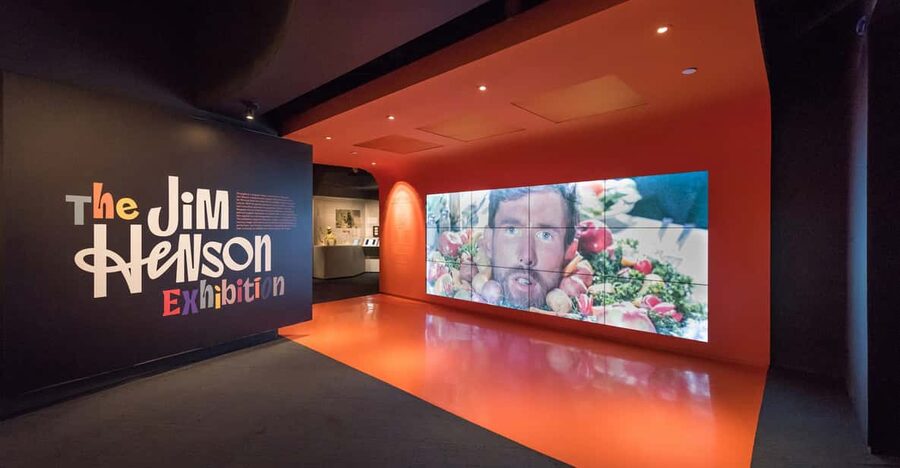
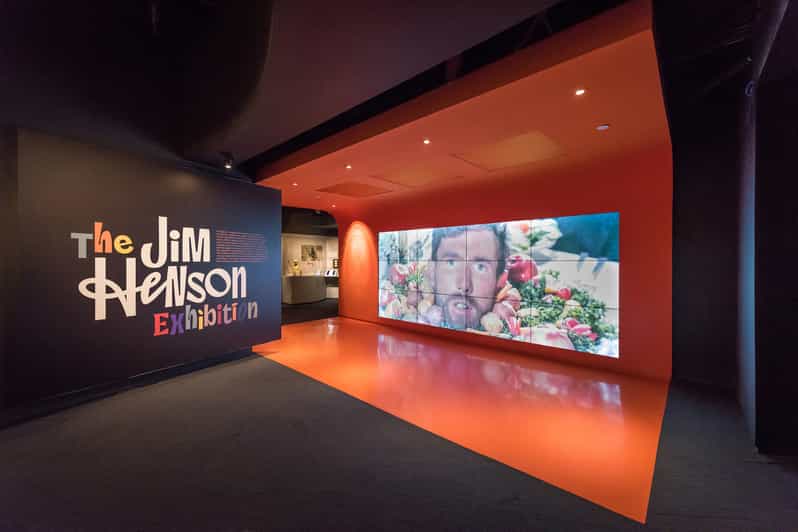
Movies get physical here. With a flexible 14-day ticket, I like being able to match the visit to real life, not the other way around, and I especially enjoy the Jim Henson Exhibition, where puppets and characters from The Muppet Show to Labyrinth are part of the story. One thing to watch: general admission covers the core exhibitions, while some special or temporary exhibits may require extra admission, so it is smart to confirm what is included for the specific shows you want.
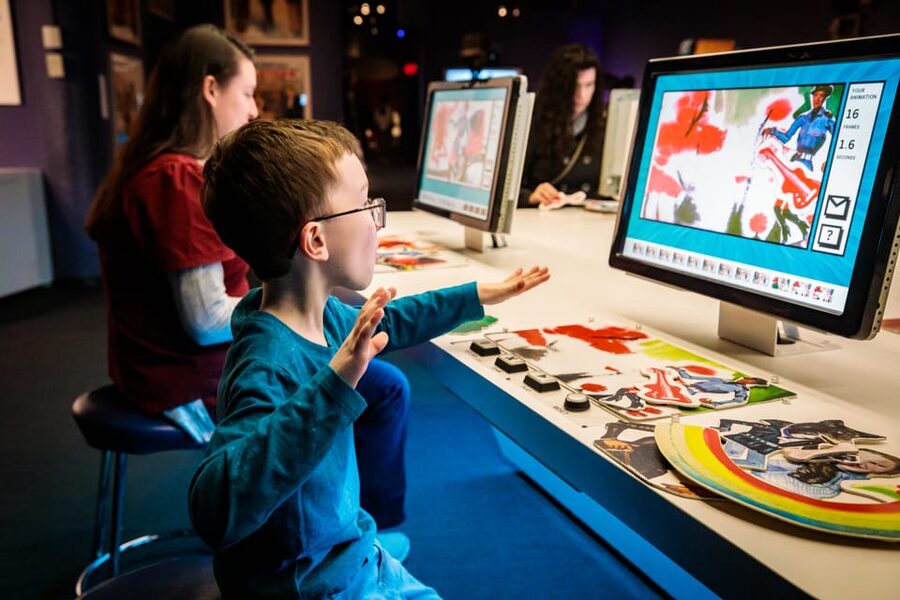
I also like how the museum focuses on the craft, not just the final product. You get hands-on stations where you can dub your voice into a famous film or TV moment and play with sound effects and film music, which makes it feel more like a creative workshop than a sit-and-read museum.
Before you go, note the simple rules that change the vibe: no food or drinks inside, flash photography is off, and strollers are not allowed in the galleries (they can go to coat check or stroller parking).
Key highlights that make this ticket worth your time
- A real 14-day window to spread out your museum day (or revisit what you liked).
- Jim Henson Exhibition access with puppets tied to The Muppet Show, Sesame Street, Fraggle Rock, The Dark Crystal, Labyrinth, and more.
- Voice dubbing and audio play using your own voice, sound effects, and film music tools.
- Behind the Screen tech focus, including the Tut’s Fever Movie Palace installation.
- On-view headline exhibits, including Mission: Impossible, plus a Sopranos set-and-story design display running through May 31.
- Small perks that matter: complimentary coat check, baggage storage, free Wi-Fi, and drop-in family programs on weekends.
Museum of the Moving Image flexible ticket: what core admission really means
This is not a guided tour with a fixed route. It is a flexible admission ticket that gets you into the core exhibitions, plus a few practical add-ons that make a museum visit easier. You can visit within 14 days from the date you booked, which is a big deal in NYC, where your day often gets chopped up by lines, weather, or subway surprises.
The core concept is simple and unusually broad: the Museum of the Moving Image is the United States’ only museum focused on the art, history, technique, and technology of the moving image in all its forms. That means classic film lovers have plenty to read and watch, but families and gamers can also find hands-on areas that feel more like experimenting than studying.
The price, $21 per person, makes more sense when you look at what is included. You are not just paying for a room full of posters. You are paying for interactive stations, core galleries, and built-in services like coat check, baggage storage, and Wi-Fi that help you stay comfortable while you explore.
More NYC tours and experiences for the shortlist


Arrive smart: will-call at the Admissions Desk and what to do first
Your meeting point is straightforward: Museum of the Moving Image, then join the will-call line at the Admissions Desk. If you have booked online, this is where you collect entry based on your reservation.
Once you check in, use the coat check and baggage storage. It is complimentary, and it is worth using because the museum does not allow baby strollers, and regular strollers cannot go into the galleries. You will be happier with lighter hands while you explore the interactive spaces.
Photo rules are also part of your setup. Photography without flash is allowed for personal use in the galleries. Flash photography is not allowed, so plan to keep your phone camera set like you would in a theater.
The Jim Henson Exhibition: puppets and production craft in one place
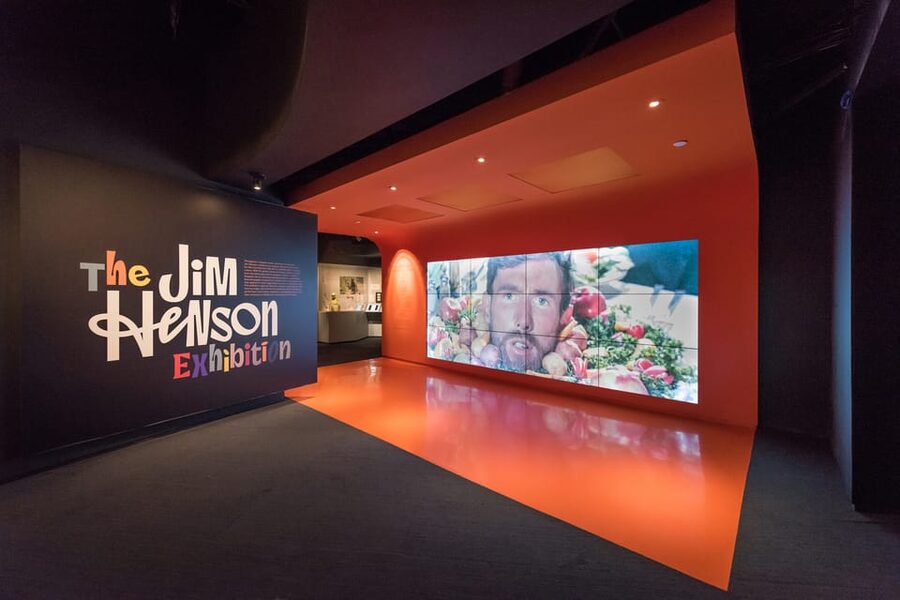
If you grew up with The Muppet Show or later discovered characters from Sesame Street, this is the section that can anchor your whole day. The Jim Henson Exhibition explains how Henson and the team of builders, performers, and writers brought ideas to life across The Muppet Show, Muppet movies, Sesame Street, Fraggle Rock, The Dark Crystal, and Labyrinth.
What I like about this is the mix of creative work and physical objects. Puppets like Kermit and Miss Piggy are not treated like distant icons. They are presented as the result of specific choices, craft skills, and performance.
This exhibition works well even if you only know a handful of the characters. The museum does not require you to be an expert. You can follow along with how production teams translate stories into moving, speaking characters, which makes it feel both nostalgic and practical.
Behind the Screen: dub your voice and experiment with sound and music
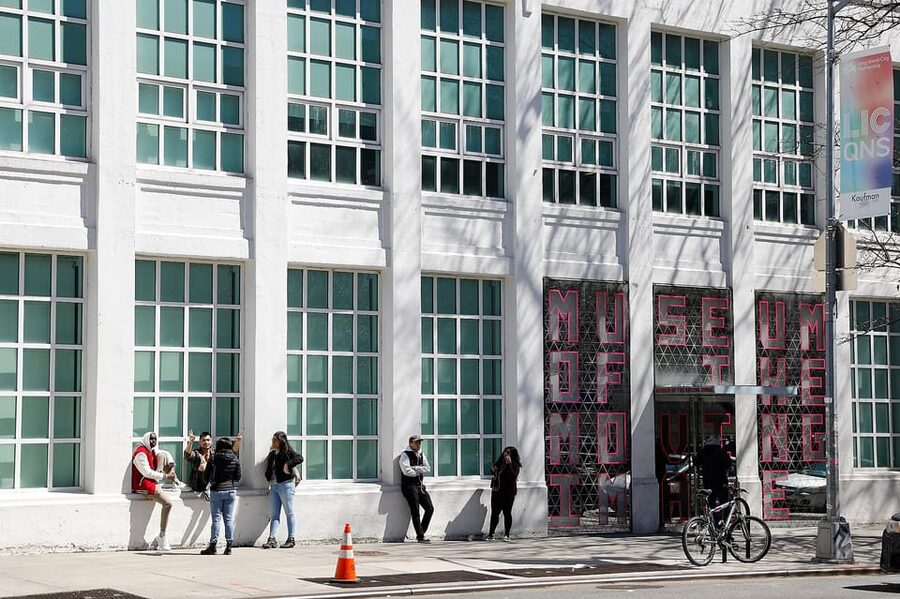
After the Henson section, I recommend shifting your attention from characters to the mechanics that make scenes work. The Behind the Screen area is where the museum leans into how film and TV get made, promoted, and presented.
The headline interactive here is voice dubbing. You can dub your voice into a famous film or TV scene. That is fun on its own, but it also makes you notice something real: audio timing, tone, and pacing are not just background details. They help create the illusion that characters are exactly where they should be.
You can also experiment with sound effects and film music. These activities are especially useful if you learn by doing. Even if you are not a “tech person,” you can play with the basics of how sound shapes emotion and makes an image feel tense, funny, or dramatic.
One specific installation mentioned here is Tut’s Fever Movie Palace. It adds a themed layer to the production and presentation side of moving images, so the section feels more like a working entertainment world than a static exhibit.
Mission: Impossible, Story and Spectacle, plus the Sopranos set designs
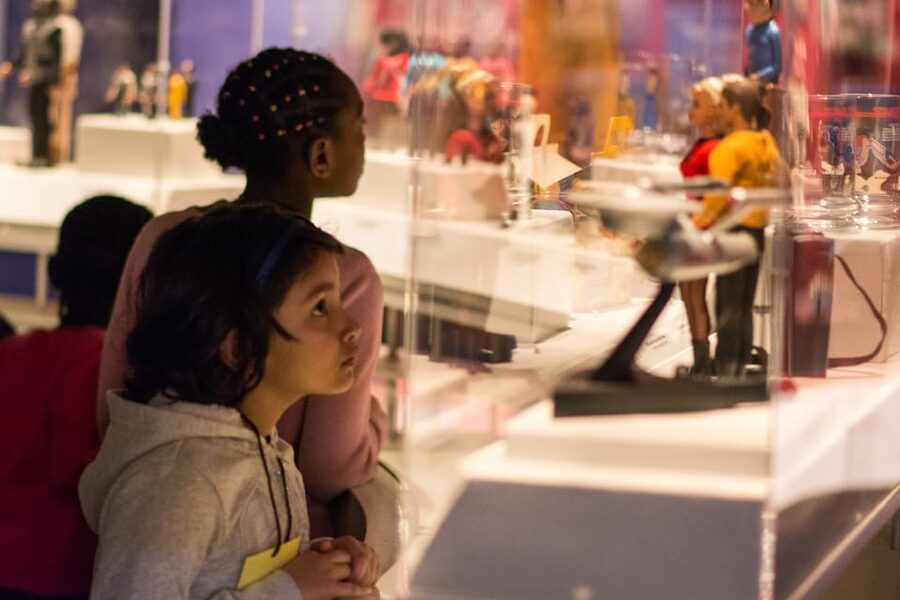
The museum keeps a rotating set of exhibitions on view, and two standouts listed include Mission: Impossible and Stories and Set Designs for The Sopranos, running through May 31.
Mission: Impossible, Story and Spectacle is the kind of exhibit that likely appeals to action fans and anyone curious about how big on-screen moments are engineered. But here is the practical caution: your ticket includes core exhibitions, while special exhibits are listed as not included. Since Mission: Impossible is highlighted as on view, it might be included depending on how it is categorized during your visit, but you should check what your admission covers before paying anything extra.
The Sopranos display is a different kind of treat. Stories and Set Designs for The Sopranos, Drawing from showrunner and series creator David Chase’s personal archive presents scripts, notes, and research material showing how story arcs and character trajectories developed from the pilot into the first season. This is the exhibit type that helps you understand how ideas evolve, not just how the final episodes look.
If you are the kind of person who reads notes and drafts, this is worth your time. If you want only interactive stations, you can still enjoy it, but you may want to keep it as one focused stop rather than your entire visit.
You can also read our reviews of more museum experiences in New York City



How to use the 14-day flexible admission window
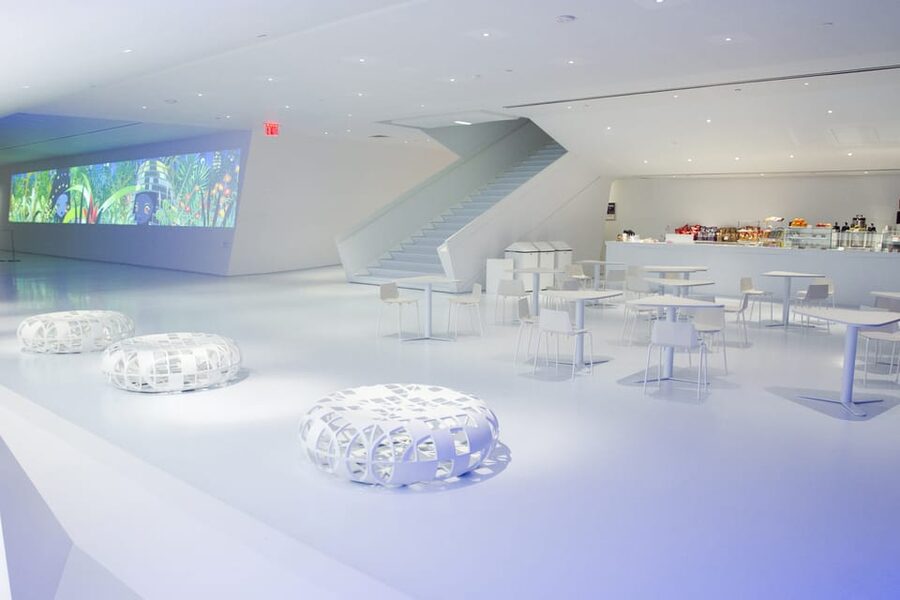
A flexible ticket is most valuable when you treat it like a tool. In practice, that means you do not need to force everything into one long afternoon.
I like using this in a two-pass rhythm. First, go for the heavy hitters: the Jim Henson Exhibition and the interactive core areas where you dub your voice and play with sound effects and film music. Second, come back (within your 14-day window) to slow down for whatever on-view exhibits catch your attention, like Mission: Impossible or the Sopranos set-and-story materials.
This is also a smart plan if you travel with different interests in your group. Someone who wants characters can start with Henson. Someone who prefers the craft can head straight to Behind the Screen. The flexible window lets you match energy levels without feeling rushed.
What you should watch for during your visit (rules that affect comfort)
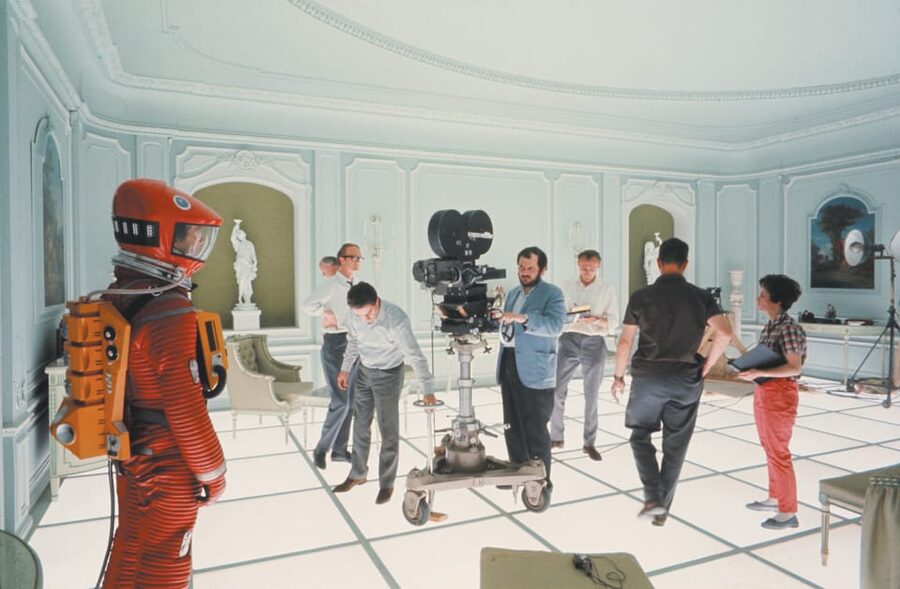
The museum has clear restrictions that matter for how you plan your day.
- Food and drinks are not allowed.
- Flash photography is not allowed.
- Baby strollers are not allowed.
- Strollers are not admitted into the galleries. They can be left at coat check or in designated stroller parking.
These rules might sound picky, but they actually help the museum stay usable. No food means fewer spills near interactive stations. No strollers in galleries means fewer blocks in tight areas where people want to try the hands-on pieces.
If you are bringing a camera, remember the flash rule. If you are bringing kids, plan for stroller parking early so the first part of your visit does not turn into a hassle.
Extra included perks that improve value beyond the ticket price
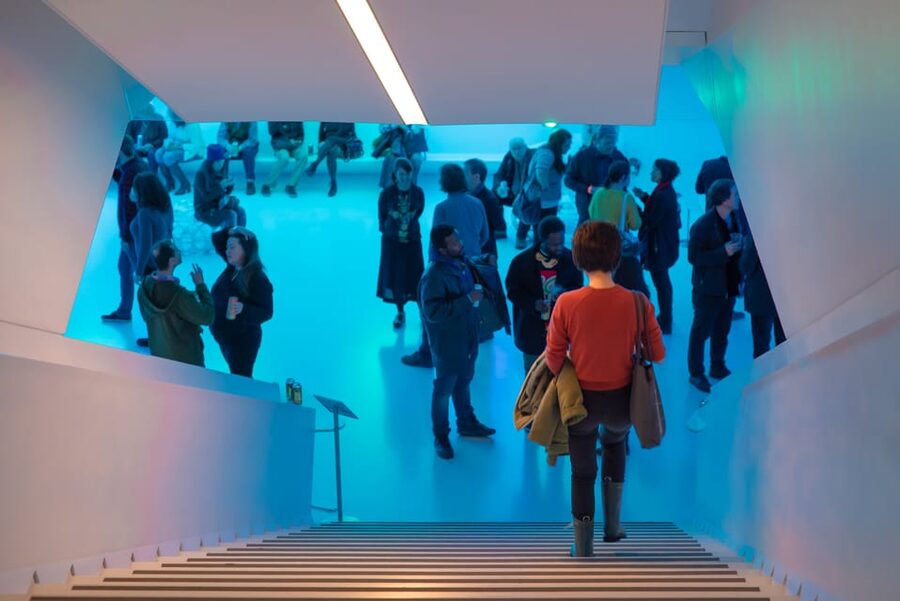
For a $21 admission, the included perks are not just fine print. They help you enjoy the visit more.
You get complimentary coat check and baggage storage. That is especially useful in a city where you might be carrying shopping bags, jackets, or extra layers. You also get free Wi-Fi, which helps when you want to look up show details, map your next stop, or share photos without draining your phone plan.
There is also access to drop-in family programs, including Moving Image Studio on weekends only. Even if you are not sure you will use these programs, it is nice to have the option. In museums built around making and experimenting, the hands-on activities tend to be the part you remember.
Pricing and value: is $21 a good deal for this kind of museum?
Here is how I would judge the value. This ticket gets you into the core exhibitions plus interactive experiences like dubbing your voice and experimenting with sound and music. Those activities take time, and they are the kind of “do it yourself” experiences that you cannot fully get from a quick photo pass.
The biggest value lever is the 14-day flexibility. If you are visiting NYC for multiple days, that window lets you adapt. A museum day can get derailed by weather or a late subway delay, but the ticket does not disappear after one visit. It stays useful.
The only factor that can reduce value is if you specifically want special or temporary exhibits that are not included. The museum does have on-view highlights listed, but since special exhibits are stated as not included, you may pay extra on the spot if you want those added shows.
Who this ticket suits best, and who may want to plan differently
This ticket fits best if you enjoy the “how it works” side of entertainment. If you like classic cinema, TV, character design, or video game culture, you will likely find plenty to interest you because the museum covers art and technology across moving-image forms.
It also fits families. The museum is designed to serve audiences of all ages, with interactive core spaces and weekend programming options. Kids often do well with the dubbing and audio experiment activities because those do not require reading a lot first to start enjoying.
If you only want a single, must-see exhibition and nothing else, you might feel less satisfied, especially if your top choice turns out to be a special exhibit not included with the core ticket. In that case, plan to confirm coverage before you commit.
Quick practical plan for your time inside the museum
If you want a simple plan that works for most visitors, here is one I recommend.
Start with the Jim Henson Exhibition, then move to Behind the Screen. Those two sections naturally connect, from characters to production craft. Then circle back to whatever on-view exhibitions interest you most, such as Mission: Impossible and Stories and Set Designs for The Sopranos.
If you have limited time, focus on the interactive core experiences first. Voice dubbing and sound or music experiments are the most time-sensitive activities because you may need a little trial-and-error to get the setup the way you want.
Should you book this flexible ticket?
Yes, you should book it if you want a hands-on museum day with a big focus on film and TV craft, and if you like the idea of visiting on your schedule. The 14-day window is a practical advantage in NYC, and the included interactivity is the kind of value that adds up fast.
Book it especially if Jim Henson characters and the production behind moving stories are on your list. If you are mainly focused on a specific on-view exhibit, double-check whether it is part of the core admission or treated as a special exhibit, since the ticket covers core exhibitions, not all extras.
If that works for you, this is a smart, flexible way to spend time at one of New York’s most hands-on movie museums.
FAQ
How long is the flexible ticket valid?
Your admission is valid for 14 days from the date you booked, so you can choose when to visit within that window.
What is included with the general admission ticket?
General admission includes access to the core exhibitions. It also includes complimentary coat check and baggage storage, access to drop-in family programs including Moving Image Studio on weekends only, and free Wi-Fi.
Are special exhibits included?
No. Special exhibits are not included with this admission ticket.
Where do I check in when I arrive?
Please join the will-call line at the Admissions Desk at the Museum of the Moving Image.
Is flash photography allowed?
No. Flash photography is not allowed. Photography without flash is allowed in the galleries for personal use.
Are strollers allowed in the galleries?
Strollers are not admitted into the galleries. You may leave them at coat check or in designated stroller parking.
FAQ
Is there free cancellation?
Yes, you can cancel up to 24 hours in advance for a full refund.
Is the museum wheelchair accessible?
Yes, the museum is wheelchair accessible.
Do children get free admission?
Children under 3 are free.
More Museum Experiences in New York City
More Tickets in New York City


More Tour Reviews in New York City



Not for you? Here's more nearby things to do in New York City we have reviewed











More New York City Tours to consider.
 ★ 4.7SUMMIT One Vanderbilt TicketsTickets from $4751,195 traveller reviews
 ★ 4.7Empire State Building Tickets – Observatory & MuseumTickets from $4725,757 traveller reviews
 ★ 4.6Statue of Liberty & Ellis Island with FerryTickets from $1918,683 traveller reviews
 ★ 4.5American Museum of Natural History TicketTickets from $3715,447 traveller reviews
 ★ 5.0New York in One Day Guided Sightseeing TourTickets from $9913,166 traveller reviews
 ★ 4.6Museum of Modern Art (MoMA) Entry TicketTickets from $3012,540 traveller reviews
 ★ 4.7One World Observatory Skip-the-Line TicketTickets from $3012,329 traveller reviews
 ★ 4.7New York CityPASS®: Save up to 41% at 5 Top AttractionsTickets from $15410,548 traveller reviews
More useful New York routes