
Review · NEW YORK CITY TOURS
NYC: Official Grand Central Terminal Tour
Grand Central feels like a city in one building. This 90-minute walk turns the everyday hustle into clear stories, from Cornelius Vanderbilt to the hidden tricks that make the Whispering Gallery work. I love how the guide connects big-name history to what you are actually seeing in the main spaces, and I also love the mix of inside surprises and quick street views that keep it from feeling like a textbook stop-and-stare. One possible drawback to plan for: you do not get total behind-the-scenes access, so if you want track-level operations or too much “MTA-only” detail, you may feel a bit capped.
You will likely appreciate the practical format. It runs in English, holds up to 20 people, and the walk is wheelchair and stroller accessible, which makes it easier to enjoy without special logistics.
Key things to know before you go
- Main concourse stories first, including the clock and how Cornelius Vanderbilt shaped the station’s origin.
- Vanderbilt Hall and the 1980s comeback, explained in a way that makes the space feel intentional, not just pretty.
- A quick Pershing Square street break to spot the largest Tiffany clock from outside.
- Campbell Apartment time-travel, with a speakeasy-style bar setting tied to a railroad tycoon’s private office.
- Whispering Gallery + lost and found, plus shopping details in Graybar Passage, all in one circuit.
- Grand Central Market at the end, so you finish with food-fuel options right back in the terminal.
Why Grand Central works better with a guide

Grand Central Terminal is one of those places where your eyes keep finding new stuff, but your brain needs a map. A guided visit helps you connect the dots between the architecture, the railroad ambition behind it, and the little design quirks that make the building work.
I like that this tour gives you a “what am I looking at” thread. You spend most of your time where the station actually delivers, the main concourse and key internal rooms, then you add two short external views. It is an efficient way to see more than most people manage on their own in a single trip.
There is also a pacing sweet spot. At about 1 hour 30 minutes, you get enough time for stories without turning the day into a long standing marathon. If you are doing other NYC priorities that day, this helps you keep the schedule sane.
You can also read our reviews of more tours and experiences in New York City.



Main concourse and Vanderbilt Hall, where the myths start
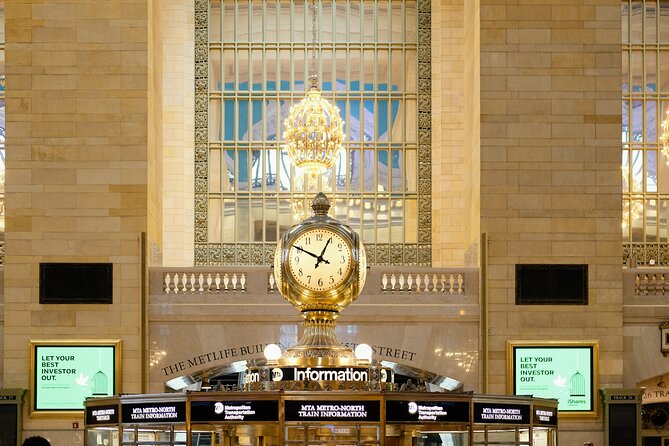
Your tour opens in the modern heart of Grand Central, the lively main concourse. Expect the big, famous sight immediately: the clock perched above the information booth area. The guide frames it as more than a photo spot, with a story about who built the momentum behind Grand Central and the fortune tied to the clock legend.
Then you move into Vanderbilt Hall. This is where the tour earns its “worth it” label. Vanderbilt Hall is one of those spaces people breeze through, but with narration it becomes a record of change, including the terminal’s rags-to-riches arc and the transformation that happened in the 1980s. You get a better sense of why the hall feels restored rather than just renovated.
Practical tip: If you are sensitive to crowds, aim for slightly quieter moments in the concourse before your group settles in for the hall portion. Grand Central gets busy fast, especially around peak commuter times.
The Tiffany clock break in Pershing Square Plaza
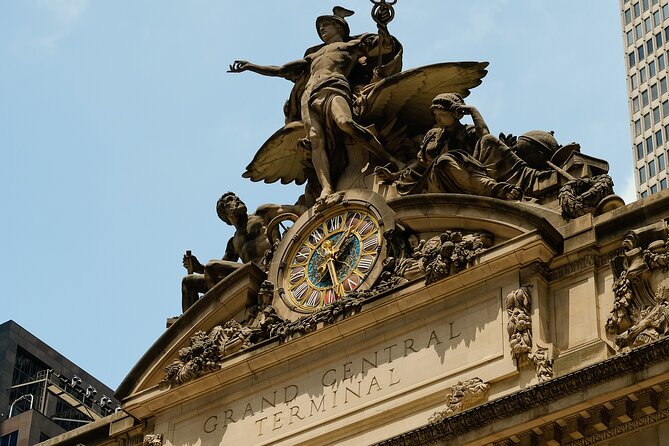
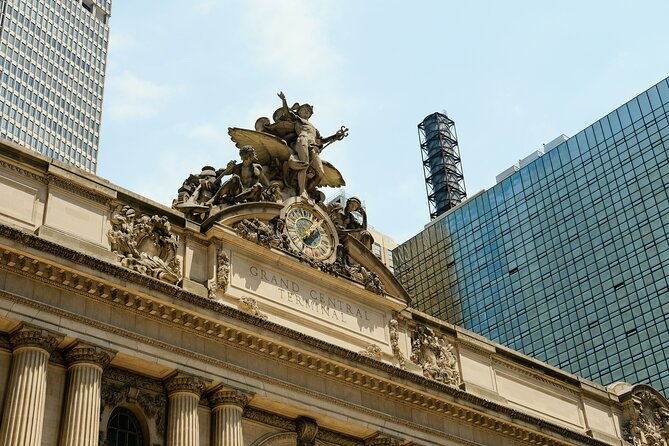
Next you head outside for a quick look toward 42nd Street. You are there briefly, but the stop has a point: the largest Tiffany clock in the world, visible from the Pershing Square plaza.
This matters because it shows how Grand Central’s branding and identity spill beyond the station doors. It is also a nice reset. After you have been inside for a stretch, the street view helps you recalibrate, then you head back in with fresh energy.
What you should expect: a short, focused exterior moment, not a long photo session. If you want extra time for pictures, plan to add a follow-up stop after the tour ends.
Campbell Apartment, speakeasy vibes with a railroad tycoon angle
Back inside, the tour goes to the Campbell Apartment. This is a fun stop for two reasons.
First, the space has that speakeasy-style bar feel, so it is instantly atmospheric. Second, it is not just decoration. The guide connects it to a specific story from the Roaring 20s era, when it served as the private office of one of New York’s prominent railroad tycoons.
That “why it looks like it does” explanation is what makes Campbell Apartment land. You stop seeing it as a quirky interior and start understanding how money and power showed up in the design language of the time.
Watch-outs: This is still Grand Central, so you are moving through working corridors and public areas. Wear comfortable shoes, and keep your pace steady when the group funnels from one room to the next.
Whispering Gallery and the lost-and-found reveal
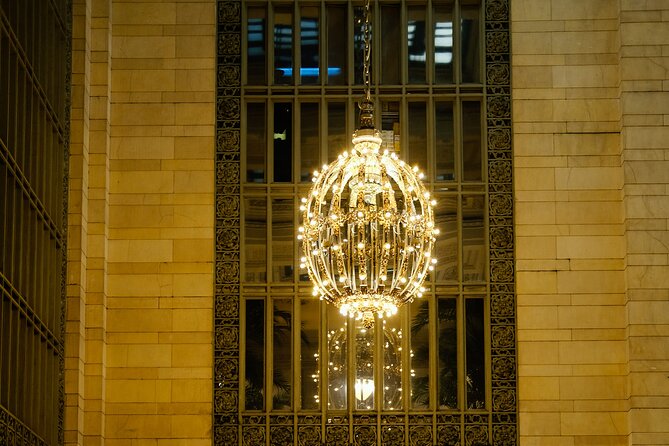
After Campbell Apartment, the tour brings you deeper into the terminal’s interior character. You pass through the Whispering Gallery area, where sound travels in a way that makes you rethink how “random” building features can be.
The guide explains the trick of hearing across the terminal spaces, and you get to experience the moment rather than just hearing trivia. It is one of the best examples on this tour of form meeting function.
Then you get a peek at one of the world’s largest lost-and-found departments. This part is strangely satisfying because it shifts the story away from grand symbolism and toward real-life station rhythms. It is also useful if you have ever worried about misplacing a bag in a giant transit hub.
From there, you move through Graybar Passage. This is where the tour layers in modern-day details: handcrafted designs and jewelry from local artisans. Even if you do not buy anything, you learn what that passage is for and how it fits into the station’s everyday flow.






The former movie theater spot, plus shopping and atmosphere
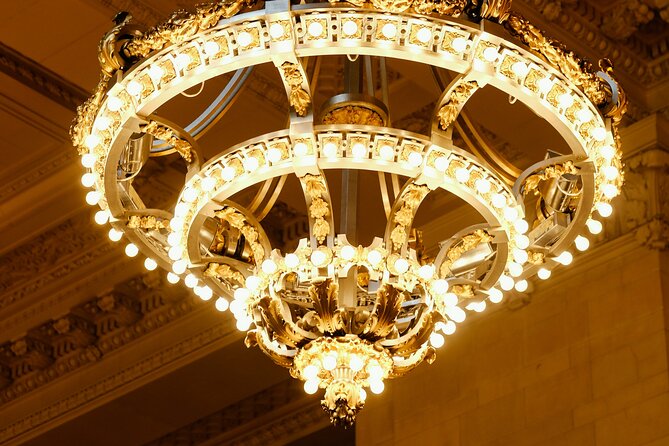
The final internal stretch includes a former movie theater space. The point of this stop is context. You hear how the terminal’s “heyday” included entertainment for young people who were traveling through, not just adults with schedules and suitcases.
It gives Grand Central a softer side. It is easy to treat the station as pure transit, but these stories remind you it was also a social space and a destination.
If you like architecture, you will probably enjoy how the tour uses these rooms like chapters. The main concourse is the intro, Vanderbilt Hall is the transformation chapter, Campbell Apartment sets the era mood, and the Whispering Gallery and lost-and-found bring you back to how the terminal operates.
Grand Central Market finish, then you are back in the flow
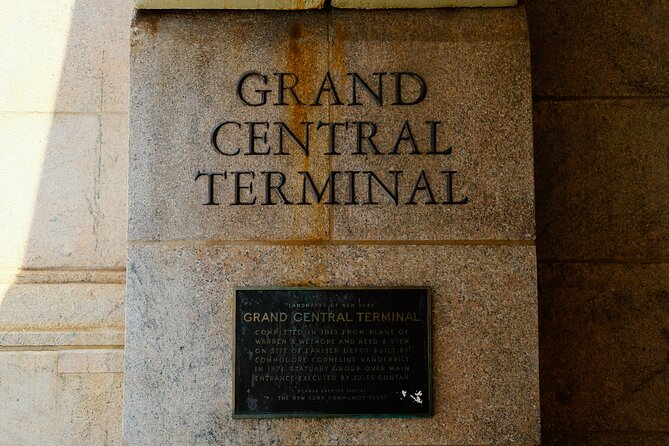
To wrap up, you weave through Grand Central Market. This is smart for two reasons.
One, it is the kind of place where you can translate the history you just heard into what the building is doing now. Two, it is an easy way to keep your momentum after the tour without needing to hunt for a nearby food plan.
Finish back in the main concourse area, so you are not stuck far away from your next subway connection or your walking route.
Quick planning idea: If you are hungry at the end of the tour, bring time for a snack inside the market. If you want a full meal elsewhere, use the market as a tasting stop and move on.
Passing sights: Chrysler Building and the Transit Museum area
The tour also includes short pass-by moments. You may notice the Chrysler Building while traveling through the surrounding area, and you pass near the New York Transit Museum gift shop.
These are “bonus flavor” stops. They are not the main focus, but they can help you connect this Grand Central walk to the wider transit story of NYC.
Price, time, and what you truly get for $39
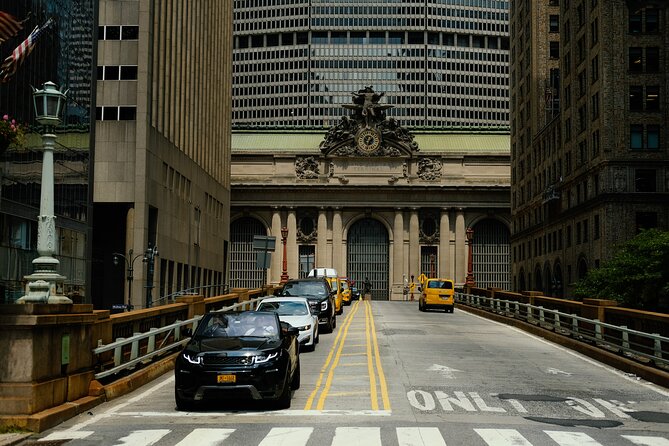
At $39 per person for roughly 1 hour 30 minutes, this tour sits in the sweet spot between “I want a guided overview” and “I do not want a full half-day commitment.” The value equation gets better because admission is listed as free for the stops included in the route.
So you are not paying just for footsteps and a narration. You are paying for someone to point out why key rooms matter, then to structure your time so you hit the major interior highlights without getting lost in Grand Central’s maze.
Also factor in the group size cap of 20 people. Smaller groups tend to make it easier to hear the guide and keep the walk from feeling like a cattle shuffle.
Guides can make or break it, and the names you might hear
The quality of this kind of tour often comes down to the guide’s delivery, not just the facts. Many departures are led by guides described as energetic and able to keep the group moving at a good pace.
Some names you might encounter include Joe, Kevin, Sean, Dwayne, Shawn, Kathryn, Catherine, John, Christopher, Guido, and Kath. If your guide leans into humor and keeps answers tight when people ask questions, you will likely find the 90 minutes fly by.
One practical note from real-world experience: headsets or ear pieces are sometimes part of the setup, which helps if the concourse gets loud. If you have trouble hearing, raise your hand early so the guide can help adjust.
Practical logistics that matter on this tour
This is a walking tour with a moderate fitness level recommended. Grand Central is accessible with public elevators and ramps, and the tour is described as wheelchair and stroller friendly. Still, you will be on your feet through multiple indoor areas, so comfortable shoes help.
The tour starts at Grand Central Terminal and ends at 89 E 42nd St, with the Transit Museum area used as a reference point for meeting. If you are arriving early, give yourself a few minutes to orient before the group forms.
Weekend food note: If you plan to grab something at the Oyster Bar as an extra stop, note that it is closed on weekends. Build your meal plan around what is actually open that day.
Who this tour is best for
This tour is ideal if you want an efficient orientation to one of the world’s most famous transit buildings. It works for:
- First-time NYC visitors who want big landmarks without wasting time guessing
- Lifelong New Yorkers who walk through Grand Central but never learn what makes certain rooms tick
- Families and people using strollers or wheelchairs, thanks to the stated accessibility
- Anyone who likes architecture, design details, and “how does this feature work” moments like the Whispering Gallery
If your goal is purely behind-the-scenes operations, you may be happier pairing this with another NYC transit experience. This one focuses on what you can see and understand inside the public spaces.
Should you book the Grand Central Terminal tour?
Yes, if you want a guided walkthrough that actually turns Grand Central from a photo stop into a story you understand. For $39 and about 90 minutes, it is a strong way to hit the clock and Vanderbilt Hall, then add the fun stuff like Campbell Apartment, the Whispering Gallery, the lost-and-found peek, Graybar Passage, and Grand Central Market.
Book it sooner rather than later if your trip is in a busy season, since this one is often scheduled about 20 days ahead. And if you care a lot about behind-the-scenes access, set your expectations for visible, explained highlights rather than restricted operations.
More Tours in New York City




More Tour Reviews in New York City
Not for you? Here's more nearby things to do in New York City we have reviewed












More New York City Tours to consider.
 ★ 4.7SUMMIT One Vanderbilt TicketsTickets from $4751,195 traveller reviews
 ★ 4.7Empire State Building Tickets – Observatory & MuseumTickets from $4725,757 traveller reviews
 ★ 4.6Statue of Liberty & Ellis Island with FerryTickets from $1918,683 traveller reviews
 ★ 4.5American Museum of Natural History TicketTickets from $3715,447 traveller reviews
 ★ 5.0New York in One Day Guided Sightseeing TourTickets from $9913,166 traveller reviews
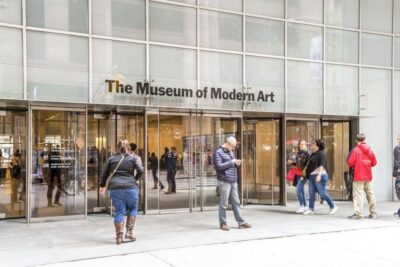 ★ 4.6Museum of Modern Art (MoMA) Entry TicketTickets from $3012,540 traveller reviews
 ★ 4.7One World Observatory Skip-the-Line TicketTickets from $3012,329 traveller reviews
 ★ 4.7New York CityPASS®: Save up to 41% at 5 Top AttractionsTickets from $15410,548 traveller reviews