
Review · NEW YORK CITY TOURS
NYC: Remnants of Dutch New Amsterdam Guided Walking Tour
Dutch New Amsterdam is closer than you think. This small group walk threads lower Manhattan’s earliest Dutch story through real street corners, including the coastline, the fort area, and the spot where New York’s first City Hall once stood. You also carry a 1667 map as you go, so the past feels like it matches the block you are standing on.
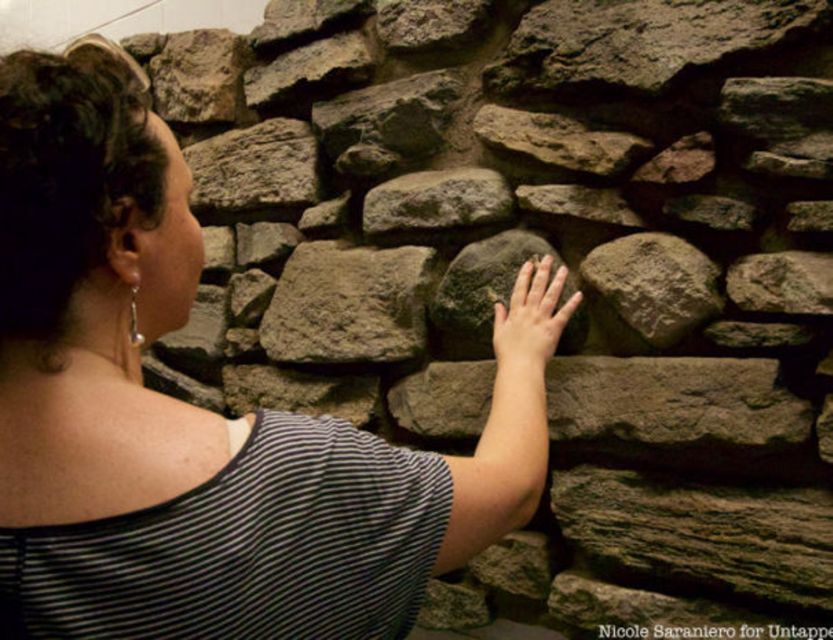
I especially like two things. First, the tour gets hands-on with history, including moments where you physically touch period remnants and learn why Bowling Green matters. Second, the guide approach is built for clarity: you get headsets, and the pace stays comfortable enough to keep up without sprinting between stops.
One thing to plan for: this is a rain or shine outdoor walk. If you hate wet shoes or long stretches on hard sidewalks, you’ll want good rain gear and comfortable footwear, because it is still a walking tour for 2 hours.
Key things I’d circle on the map
- Headsets included, so you can actually hear from a distance
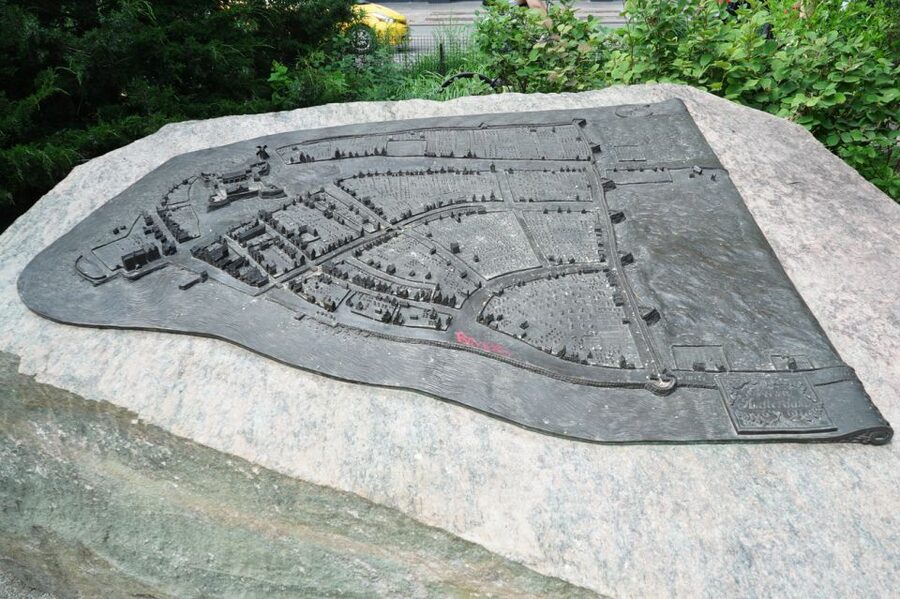
- A 1667 map in hand, turning today’s streets into a readable timeline
- Bowling Green origin story, including why the name stuck around
- Remains of the first City Hall, plus the surprising tavern angle
- Dutch fort, windmill, and battery locations, tied to the shoreline
- Time with the guide from Untapped New York, with local New Yorker storytelling
New Amsterdam in Two Hours, From the Original Coastline to City Hall
This tour is timed well for first-timers in New York. In just 2 hours, you cover a compact stretch of lower Manhattan and connect it to the Dutch era, when the shoreline, walls, and key civic buildings were still new ideas. The biggest payoff for me is that you are not only hearing dates. You are moving between places that explain why the city grew where it grew.
You start in the Bowling Green area, which is basically the doorway to New York’s earliest European footprint. From there, the guide leads you through the Dutch presence south of Wall Street, with a small group feel that keeps questions from getting lost. It is also built around practical storytelling. You learn what the terms and objects mean, then you see them again in the street setting.
The “family friendly but grown-up” balance works. You get facts, but you also get moments that make you pause, like when you are pointed to remnants you can actually touch and asked to think about daily life in the 1600s.
You can also read our reviews of more walking tours in New York City



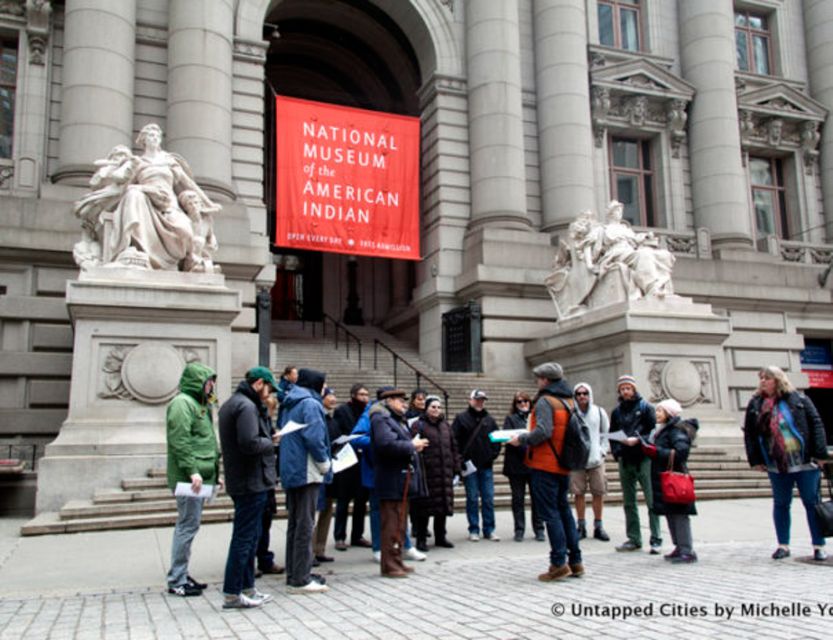
Meeting at the Steps of the National Museum of the American Indian
The tour starts on the steps of the National Museum of the American Indian at 1 Bowling Green, New York, NY 10004. That matters because it sets your orientation immediately. You are in a real civic part of lower Manhattan, not tucked away in some distant corner.
Come ready to walk. Bring comfortable shoes and weather-appropriate clothing. This is outdoors and it runs in rain or shine, so pack for your next hour, not your ideal hour.
Also note the practical limit: tripods are not allowed. That is usually no big deal for most people, but if you plan to shoot carefully, plan handheld only and keep moving with the group.
Tracing the Dutch Shoreline Along Lower Manhattan’s Old Coast
One of the highlights is walking lower Manhattan’s original coast line. This is where the tour becomes more than “Dutch history facts.” The Dutch were dealing with water, defenses, and land access, so your guide keeps pulling the story back to geography.
As you walk, you are not just looking at modern buildings. You are mentally swapping in a 1600s coastline and imagining how people approached the settlement. The guide helps you connect the shoreline story to the later street grid you see today, which makes the whole area feel logical instead of random.
If you like urban history, this segment is the most satisfying kind. You get to watch your brain rebuild the past from very practical clues: walls, positions, and the idea of what had to be defended.
Finding the Fort, Windmill, and Battery Remnants
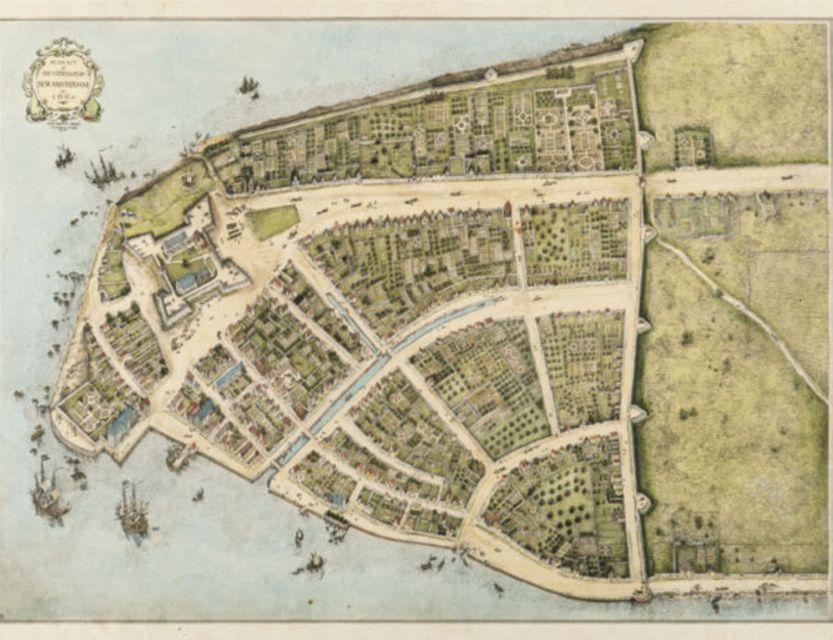
The tour includes discovering the original Dutch fort, wind mill, and battery. These are defense and industry features, not just names. The guide explains how they fit together, and you get the sense that the settlement was both a place to live and a place to protect itself.
This matters for your understanding. Forts and batteries are not abstract. They tell you where attention went. Windmills point to work that had to happen every day, not just ceremonies and paperwork.
You will also encounter the original battery wall during the walk. Seeing a defense structure in the context of the neighborhood you know now helps you grasp why the early city layout looked the way it did. The city was built around safety first, then expansion.
Potential drawback here is also simple. You will be outside, and the route is made for walking between points. If you are extremely sensitive to cold or wet, you will want to dress aggressively for comfort.
Manhattan’s First City Hall, and Why a Tavern Was Part of It
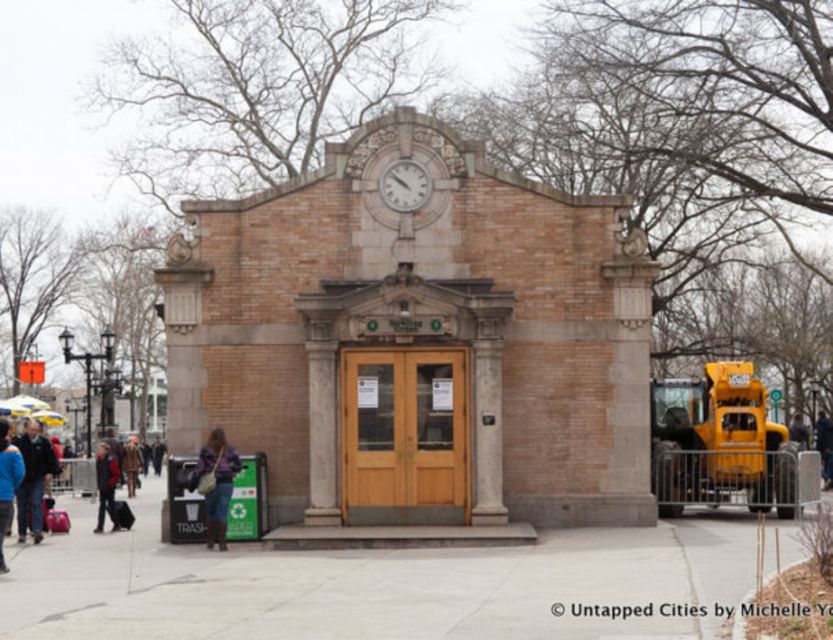
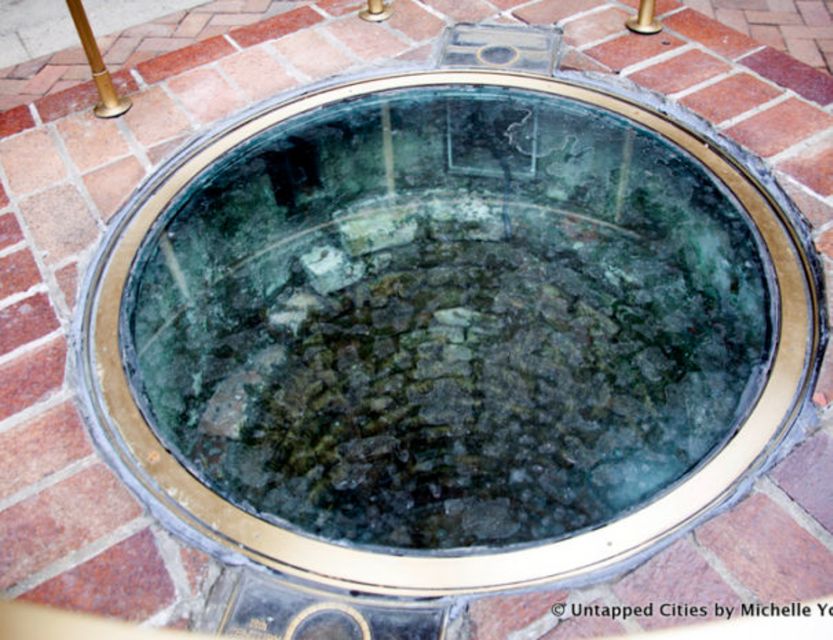
One of the most intriguing parts is seeing the remains of Manhattan’s first City Hall. The story includes that it was also a tavern. That detail alone helps you understand how early civic life worked. You did not separate leadership, social life, and commerce the way you might expect today.
When you stand where the first City Hall foundations were, you start to see governance as something people experienced in shared public space. It is easier to picture debates, meetings, and community life when the guide ties it to the tavern setting rather than treating the building as a museum object.
This segment is also a good reality check. The modern skyline can make New York feel like it always existed. The tour counters that by reminding you that the city started with practical structures in a much tighter world.
You can also read our reviews of more guided tours in New York City






Using the 1667 Map to Read Today’s Streets
A standout promise is tracing the streets of Manhattan in 1667 with Manhattan’s first map in hand. This is not just a gimmick. Holding an early map while you walk makes you notice street relationships and directional logic that you might otherwise ignore.
You get a guided walkthrough of how the Dutch era settlement sits inside the city you know today. The map becomes a translation tool. You look down a street, then you match it to what the 1667 map is trying to show you. Suddenly, the early city feels less like a legend and more like a place with routes and boundaries.
I also like the way this keeps the tour moving. Instead of waiting at a single spot for everything to sink in, the map ties each stop to the next. It is a “keep up without rushing” kind of learning style, especially with headsets in play.
Bowling Green: Touching History and the Name That Stuck
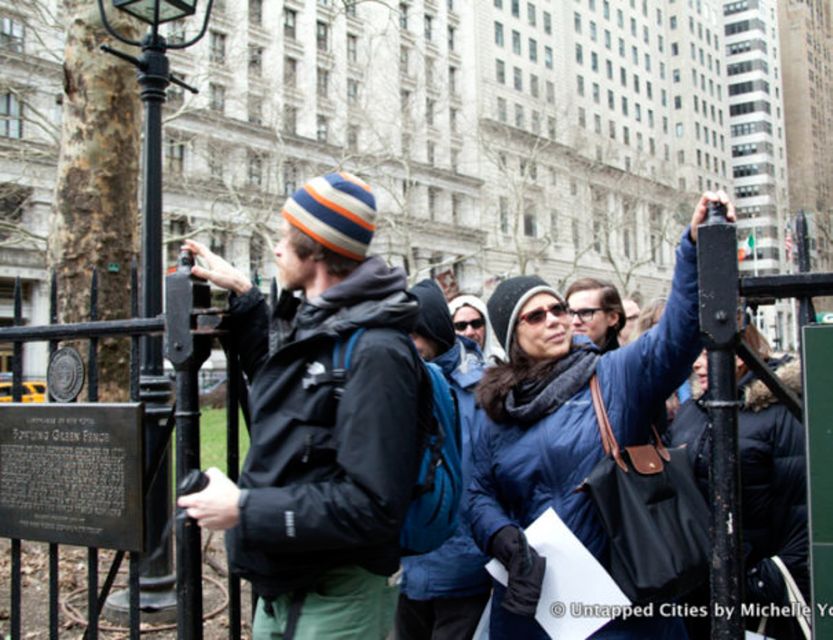
The tour includes finding out how Bowling Green got its name, plus time spent physically touching history. This is one of the most memorable combinations because it anchors the story in a specific place you can clearly identify.
Why the naming story is valuable: names in old cities are clues. They often hint at activities, layout, and how people used a space. In this case, you get the origin explanation, then you are standing in the exact area tied to that identity.
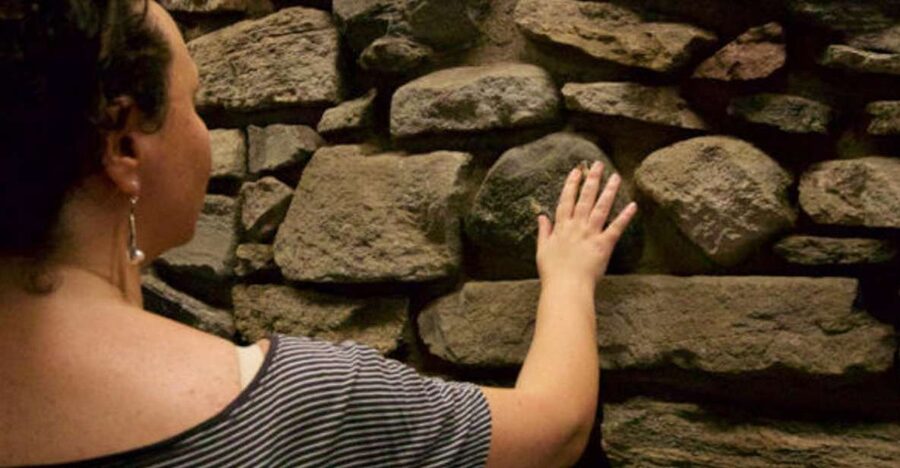
The “touch history” element adds another layer. It is one thing to look at a plaque. It is another to be guided toward what you can actually touch and then connect that physical hint to the bigger narrative. It makes the Dutch era feel tangible, not distant.
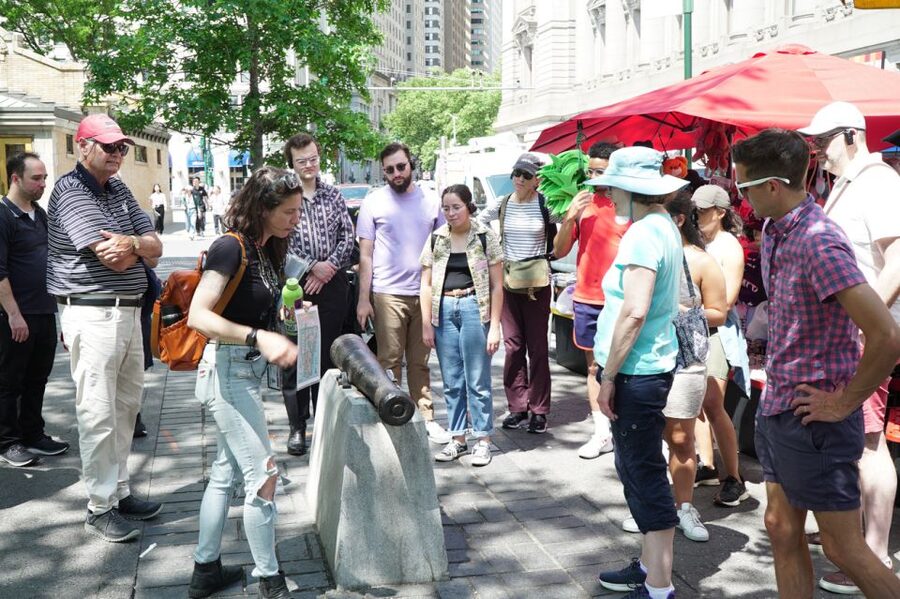
The walk also points out other relic details in this lower Manhattan zone, including the foundation-style remnants linked to civic life and defense. One particularly memorable detail is the long forgotten oyster pasty cannon, which the guide uses to bring daily life and odd survival facts into the mix.
Headsets, Expert Guides, and Keeping the Tempo Comfortable
This is led by an expert guide from Untapped New York, and you will hear the story clearly thanks to headsets. That is a real value add in Manhattan, where sound bounces off glass and everyone is surrounded by traffic noise.
The guide style seems to land well with people who want history explained in plain language. In the small group format, the guide can maintain a pace that lets you keep up and still look closely. One of the names you might encounter is Richard, who gets praised for a good explanation and a perfect tempo. Another guide you might hear from is Mandy, known for being awesome.
I also like that the tour doesn’t just throw you into facts. It builds context: founding myths and facts, then the physical places where those stories connect.
Price and Value: Is $39 Worth Two Hours on Foot?

At $39 per person for a 2-hour guided walk, the value depends on what you want from New York. If you want a self-guided stroll, you can do that for free. But if you want the story tied to specific surviving remnants and locations, the price starts to make sense quickly.
Here is what you are paying for, in practical terms:
- A guided route focused on the Dutch era south of Wall Street
- A 1667 map that turns history into a street-level exercise
- Headsets to keep the guide audible
- Time with tactile history moments, including the Bowling Green name story
You also get the benefit of local storytelling from Untapped New York’s team. That matters because you are not just learning what happened, you are learning how to interpret what you are seeing.
If you are short on time and want a coherent “first taste” of early Manhattan, this is a solid use of your schedule.
Who This Tour Fits Best, and Who Might Want a Different Plan
This tour is a great fit if you:
- Like history that you can see and touch, not just read
- Want a guided walk that stays focused on one founding era
- Prefer a small group experience with headsets and manageable pace
- Enjoy maps as a way to understand a city’s evolution
It may be less ideal if you:
- Have trouble with 2 hours of standing and walking on sidewalks
- Want museum-style exhibits with indoor shelter
- Expect to bring a lot of gear, since tripods are not allowed
Also, if you are the kind of person who likes to compare multiple perspectives on early New York, you’ll probably enjoy how the tour handles founding myths and facts. It keeps the story grounded in place.
Should You Book This Remnants of New Amsterdam Walking Tour?
Yes, if you want a smart, story-driven walk through the Dutch origins of lower Manhattan. The mix of shoreline context, defensible structures like the fort and battery wall, plus the civic anchor of the first City Hall, makes this feel like more than a quick stop.
Book it especially if you like doing history in the field. The 1667 map in hand, the headset audio, and the chance to connect names like Bowling Green to the physical spot on the ground are the reasons this tour earns its high marks.
If you hate rain day plans or you dislike being outdoors for 2 hours, then be honest with yourself and dress for the conditions. But as long as you come prepared, this tour is an efficient, memorable way to see New York’s earliest layers before you move on to later chapters.
FAQ
Where does the tour start?
It starts on the steps of the National Museum of the American Indian at 1 Bowling Green, New York, NY 10004.
How long is the walking tour?
The tour lasts 2 hours.
How much does it cost?
The price is $39 per person.
Is the tour guided, and what language is it in?
Yes. It has a live English-speaking guide from Untapped New York.
What is included in the tour?
You get a guided walking tour with a local New Yorker, plus headsets so you can hear the guide clearly even from a distance.
Will the tour run in bad weather?
Yes, it takes place rain or shine.
Is it wheelchair accessible?
Yes, the tour is wheelchair accessible.
Are tripods allowed?
No, tripods are not allowed.
More Walking Tours in New York City



More Tours in New York City




More Tour Reviews in New York City




Not for you? Here's more nearby things to do in New York City we have reviewed












More New York City Tours to consider.
 ★ 4.7SUMMIT One Vanderbilt TicketsTickets from $4751,195 traveller reviews
 ★ 4.7Empire State Building Tickets – Observatory & MuseumTickets from $4725,757 traveller reviews
 ★ 4.6Statue of Liberty & Ellis Island with FerryTickets from $1918,683 traveller reviews
 ★ 4.5American Museum of Natural History TicketTickets from $3715,447 traveller reviews
 ★ 5.0New York in One Day Guided Sightseeing TourTickets from $9913,166 traveller reviews
 ★ 4.6Museum of Modern Art (MoMA) Entry TicketTickets from $3012,540 traveller reviews
 ★ 4.7One World Observatory Skip-the-Line TicketTickets from $3012,329 traveller reviews
 ★ 4.7New York CityPASS®: Save up to 41% at 5 Top AttractionsTickets from $15410,548 traveller reviews
More useful New York routes