
Review · NEW YORK CITY TOURS
NYC: The Frick Collection Entry Ticket
World-class art, inside a real Fifth Avenue mansion. I love how intimate the Frick feels, and how the renovated galleries make the art feel close up. The main drawback is the strict in-gallery rules, especially no photography and no liquids.
This is also a museum that has been rebuilt around the visitor flow. After a multi-year renovation, the Frick reopens to the public on April 17, 2025, with iconic rooms on the first floor and smaller paintings, sculptures, and decorative objects now spread across a newly opened second floor. Quick note: children 10 and under are not permitted, so it skews calm and adult.
Key highlights before you go
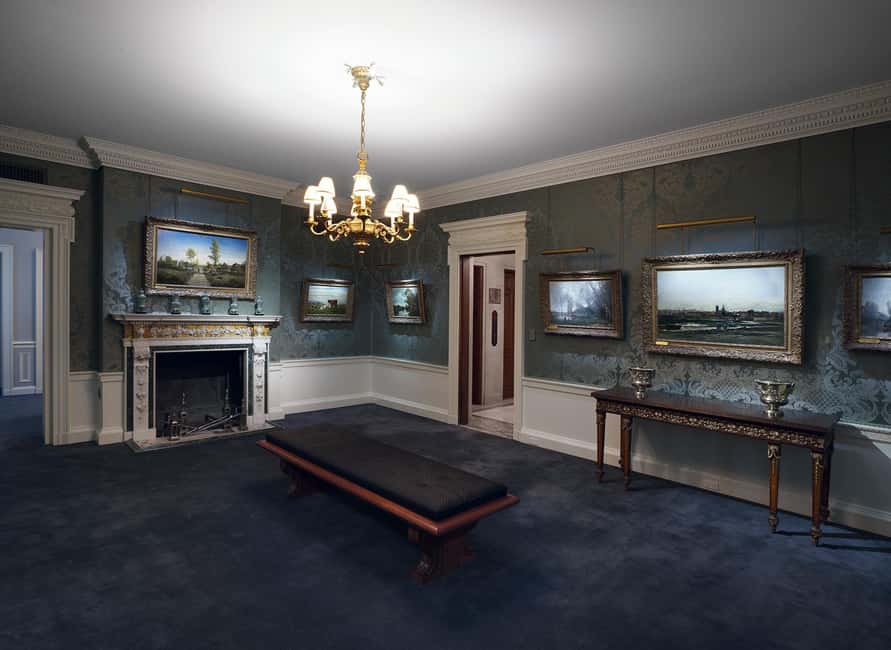
- Renovation-focused layout: masterworks on the first floor, more pieces across the second floor
- Skip-the-ticket-line entry: you present your mobile ticket at the point of entry
- No photos in galleries: photography is permitted only in the lobby
- Russell Page garden time: a small restored garden is part of the experience
- Staff help makes it easier to enjoy: room guards and staff are frequently described as friendly and knowledgeable in the best way
- Plan around the rules: no liquids in galleries, and oversized items go to the coat check
The Frick on Fifth Avenue: small museum, big feeling
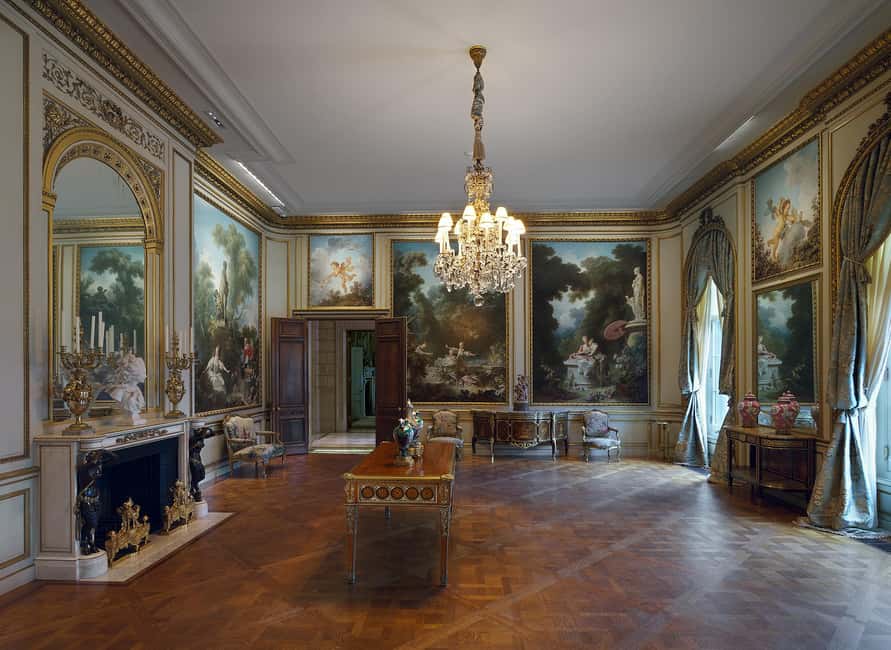
The Frick Collection is one of those rare NYC museums where the setting is not just background. You are walking through a historic Fifth Avenue home and living inside the same scale of rooms that frame some of the world’s best European art. It is art you can actually see without the constant glare of a crowd pressing in.
What makes it work for you is the pacing. One ticket gives you a full day window, but the building is small enough that you can see a lot without turning it into a sprint. Even better, the renovation is designed to help you move through the collection in a more logical way, with masterworks installed on the first floor and additional works on the second.
More NYC tours and experiences for the shortlist



Price and value for a $30 museum stop
At $30 per person, the Frick is not a bargain in the way a free park or a $5 neighborhood gallery can be. But it is also not priced like a mega-attraction where you pay for size, volume, and a souvenir photo op.
You are paying for three things that add up quickly. First is access to a top-tier collection focused on European fine and decorative arts, spanning the Renaissance to the late nineteenth century. Second is the quality of the renovated presentation, including restored galleries on the first floor and a newly opened second floor. Third is the convenience factor: skip the ticket line and use your mobile ticket for entry.
If you are an art fan, the price feels fair. If you are not, you might still enjoy the house itself, but the museum’s value will depend on whether you like older painting and sculpture (think Bellini, Rembrandt, Vermeer, and more).
Getting in smoothly with timed entry and mobile tickets
This ticket is built for time, not wandering. You check availability to see starting times, and you use a mobile ticket at entry. The big benefit is that you are not stuck at the usual walk-up chaos for a museum of this popularity.
That said, real life can be messy. One visitor reported that on a busy day, people without timed bookings sometimes got prioritized in the outside ticket line. My advice is simple: arrive a few minutes early for your timed slot, not long before it. That way you reduce the chance of getting caught in crowd choreography.
Also, know the building rules before you show up, especially around bags. Luggage or large bags are not allowed, and oversized items must be left in the coat check. That is not just bureaucracy. The collection is worth protecting, so security takes it seriously.
The renovated first floor: masterworks in restored rooms
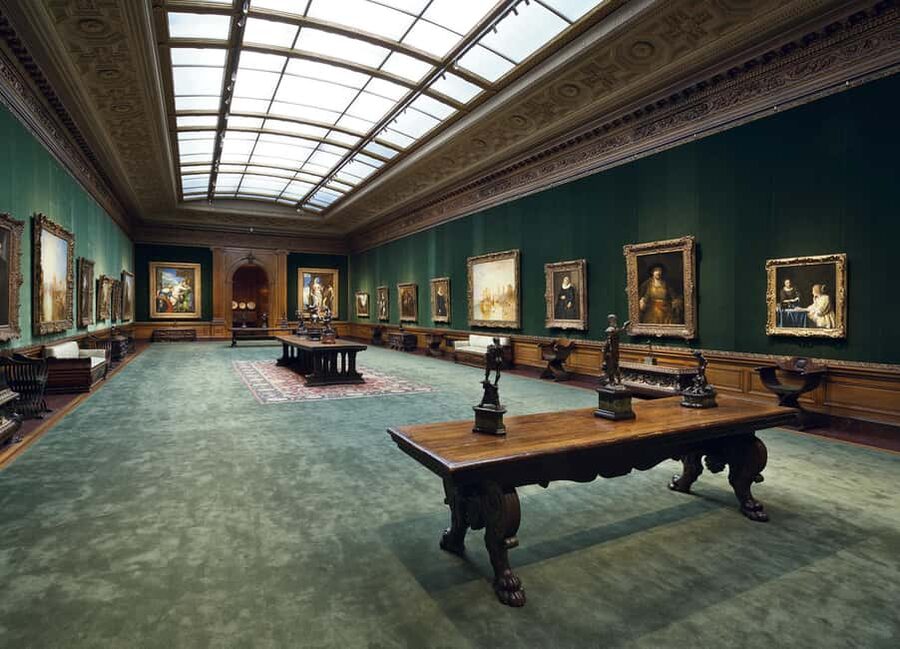
If you want the Frick to feel like an art experience rather than a checklist, start on the first floor. The renovation brought the iconic masterworks back into restored galleries, and that is where the museum’s core identity really hits.
Expect rooms that let major works breathe. Visitors often mention that the restoration looks spectacular, and that it helps the art feel crisp and properly staged in its environment. The Frick’s best trick is its intimacy: the building is not trying to swallow paintings with giant space. Instead, the rooms frame them like they were meant to be seen up close.
You will also run into staff and room guards who are there to help you navigate. More than one person mentioned guards in each room as friendly and useful. So if you see something you cannot place, it is worth asking a quick question rather than just moving on.
Second-floor additions: smaller works, sculpture, and decorative arts
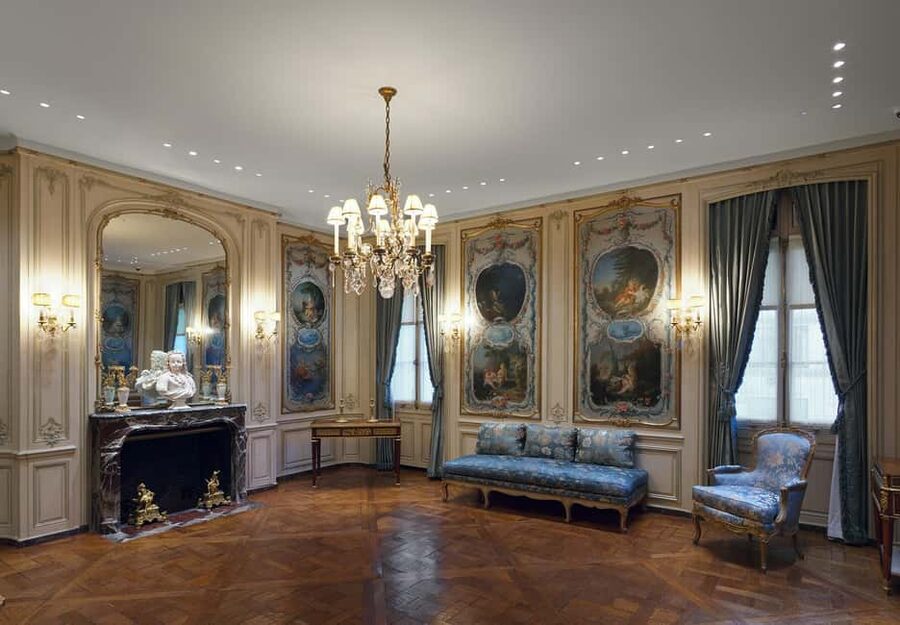
The newly opened second floor changes the rhythm a bit. Instead of only big-name masterpieces, this level spreads smaller-scale paintings, sculptures, and decorative objects throughout the galleries.
This is a good thing for you if you like variety without leaving the museum bubble. Decorative arts matter here. The Frick is not only about frames and famous faces. It is also about how objects, rooms, and materials create a world around the artwork. If you enjoy details like you would in a careful home museum, you will likely appreciate this floor.
There is also an honest tradeoff. Because the second floor adds more content, it can feel more crowded in transition areas on peak days. If you are going on a Saturday or a busy holiday weekend, plan for the fact that movement can slow when people cluster near doorways and popular rooms.





The Frick lobby and photo rules that affect how you plan
One rule shapes your experience more than you might think. Photography is permitted only in the Frick lobby, and not inside the galleries.
That means you should treat your camera like a spectator, not a main character. If you need photos to remember details later, take a photo in the lobby, then switch your focus for the galleries. This can actually help. Without the urge to capture every moment, it is easier to slow down and look.
You also cannot bring liquids or bottles into the galleries unless medically necessary. So if you are the type who usually carries a water bottle, leave it outside the gallery area. I suggest bringing a small plan instead, like using the lobby area and then grabbing food or drink at the café later.
Audio and the staff you can actually ask for help

The Frick is not only about walls and paintings. Some visitors highlighted the audio as free, and that matters because it changes how you interact with the collection. Even when you do not love reading every label, audio can help you connect names, context, and why a work sits where it sits.
One person also mentioned a mobile information experience that lacked detail for each painting. So if you rely on apps or phone-based guides, keep expectations realistic. Use audio to orient yourself, then use in-room questions to fill the gaps.
If you like human guidance, you may be lucky enough to meet staff who genuinely enjoy helping. One review singled out a guide named Kevin for his depth of knowledge and friendly willingness to answer questions beyond the strict script. When you find that kind of staff member, ask one focused question, then let the rest of the room do its work.
Russell Page garden: a pause you can feel in your schedule
You are visiting a dense city museum experience. The garden is what gives it a breath.
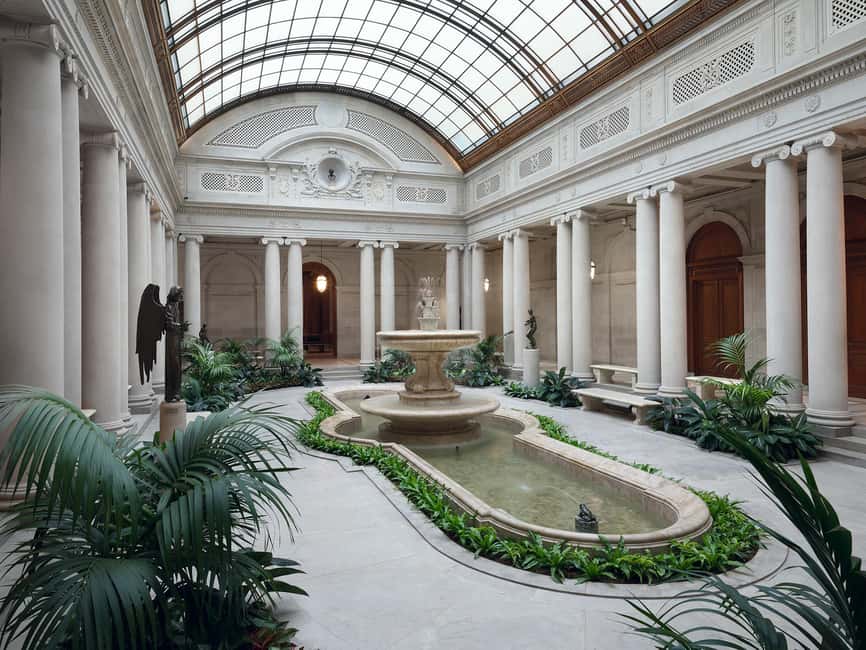
The renovation includes the restoration of Russell Page’s garden, and visitors specifically mentioned being grateful it was restored. Depending on the season, it might look completely different. One person visited in snow, so they could not see as much of the garden as they wanted. Even so, the fact that it is part of the plan is a win.
I recommend you treat it like a reset, not an afterthought. Sit for a few minutes if you can. In a place where you may spend time focusing on fine detail indoors, stepping outside for a moment makes the whole visit feel less compressed.
Café breaks and the reality of waiting for a table
The Frick does have a café, and the reviews are mixed in the way real-world café experiences are. One visitor enjoyed lunch there, calling out good food and impeccable service. Another mentioned that the café can be pricey, which is the typical NYC museum reality.
There is also a practical timing factor. One person reported a table wait of about two hours at the café. That is not something you can fix with willpower.
My advice: if you want lunch, consider choosing an off-peak time. Also, if the line looks long, do not assume you have to abandon food entirely. You can walk more, then return later. The building is small enough that you can adjust your day without ruining it.
How long you really need: an hour is possible, but plan longer
Officially, you have a ticket valid for one day and access by starting time. In practice, the Frick is compact. One visitor said you can cover all rooms in about an hour if you do not linger, which tells you the size and pace.
But if your goal is to actually enjoy the art, I would plan more time. People described feeling room to look at paintings leisurely and not feeling crowded in the best moments. That kind of experience usually needs extra minutes for the in-between viewing, plus time to pause in the garden and maybe use the café.
A good strategy is simple: pick your must-sees, then let the rest happen around them. That keeps you from rushing, and it helps when certain rooms are crowded at peak points.
Best time to go if you hate crowds
Crowd level seems to be the biggest swing factor in reviews. Some visitors say it was not too crowded and that they had a calm, leisurely pace. Others describe Saturday and midday crowding, especially around transition areas.
So plan like a smart local. If you want a less stressful experience, choose a time slot earlier in the day. If you end up going during a busy window, shift your behavior: go slow, accept that doorways may bottleneck, and do not try to win the museum like a race.
Also, keep your expectations aligned with the collection. This is not an Impressionist-only detour. It covers Renaissance through the late 1800s, and the mix is part of why it is valued. One person said they felt changes reduced the number of paintings in an Impressionist room compared with before the renovation. If your personal favorites are very specific, look ahead for the kind of artists you care about, so you are not disappointed in a room you expected to be different.
Who the Frick ticket is perfect for
This ticket fits best if you like art that is meant for a slower look. It is also ideal if you appreciate the setting as much as the paintings. The Frick works for you if you want world-class European art in a building that feels like a real home, not a warehouse of galleries.
You will likely enjoy it if you are:
- A fan of old masters and European painting, including names like Bellini, Rembrandt, and Vermeer
- The kind of person who likes architecture, rooms, and objects, not just big headline exhibits
- Traveling with someone who enjoys discussion, since the space invites questions and back-and-forth looking
It may be less ideal if you need lots of modern, high-energy interpretation or if you rely heavily on in-gallery photos to stay engaged. The no-photo rule is strict.
Should you book the Frick Collection entry ticket?
I think it is a strong booking for most art-minded visitors who want a high-quality NYC experience without losing the human scale. For $30, you get a top collection spanning the Renaissance to the late nineteenth century, plus the big benefit of a renovated presentation that puts masterworks back into restored rooms and adds more works on the second floor.
Book it if you can handle the basics: no photography in galleries, no liquids in rooms, and timed entry that rewards planning. Skip it only if you hate older European art, need frequent visual breaks, or you plan to bring big bags and bottled drinks into gallery space.
If you are going during peak periods, treat it like this: arrive a bit early, pick your pace, and let the building do the heavy lifting. The Frick is at its best when you stop trying to optimize every minute and just let the paintings work on you.
FAQ
How long is the Frick Collection ticket valid?
Your entry ticket is valid for one day. You will also see starting times based on availability.
What is the price per person?
The ticket price is $30 per person.
Can I take photos inside the museum?
Photography is permitted only in the Frick lobby. Photography is not allowed inside the galleries.
Are children allowed?
Children 10 and under are not permitted in the museum.
Are liquids or bottles allowed in the galleries?
No. Liquids or bottles are not allowed in the galleries unless medically necessary.
Is the museum wheelchair accessible and how do I enter?
The museum is wheelchair accessible. To enter, present your mobile ticket for entry, and the ticket includes skip-the-ticket-line entry.
More Tickets in New York City
More Tour Reviews in New York City

Not for you? Here's more nearby things to do in New York City we have reviewed









More New York City Tours to consider.
 ★ 4.7SUMMIT One Vanderbilt TicketsTickets from $4751,195 traveller reviews
 ★ 4.7Empire State Building Tickets – Observatory & MuseumTickets from $4725,757 traveller reviews
 ★ 4.6Statue of Liberty & Ellis Island with FerryTickets from $1918,683 traveller reviews
 ★ 4.5American Museum of Natural History TicketTickets from $3715,447 traveller reviews
 ★ 5.0New York in One Day Guided Sightseeing TourTickets from $9913,166 traveller reviews
 ★ 4.6Museum of Modern Art (MoMA) Entry TicketTickets from $3012,540 traveller reviews
 ★ 4.7One World Observatory Skip-the-Line TicketTickets from $3012,329 traveller reviews
 ★ 4.7New York CityPASS®: Save up to 41% at 5 Top AttractionsTickets from $15410,548 traveller reviews