

Review · NEW YORK CITY TOURS
NYC: Walking Tour with Local Guide and 30+ Top NYC Sights
Thirty-plus sights in five hours. This walking tour strings together Wall Street icons and the neighborhoods people actually talk about, with a local guide keeping the pace friendly and the stories clear. I love how the route covers both financial Manhattan and classic sightseeing stops like Midtown landmarks, and I love the frequent photo stops that give you a breather without turning it into a bus tour.
The main thing to consider is effort. You will cover a lot of ground, so wear comfortable shoes and bring water, especially if you hit a slow spot like the Charging Bull line. The payoff is strong, and guides such as Andrew P. and Max are known for staying upbeat, funny, and responsive to questions while you walk.
Key things that make this tour worth your time

- A small group up to 10 people, so you can actually ask questions at the corners where history happens
- Wall Street to Chinatown to Little Italy, so you get neighborhood texture, not just monuments
- Midtown photo moments at places like the Empire State area and major skyline backdrops
- Central Park at the end of the route, which helps your legs feel less like they are trapped in Midtown
- A hands-on guide style, with the kind of storytelling that makes the city feel personal
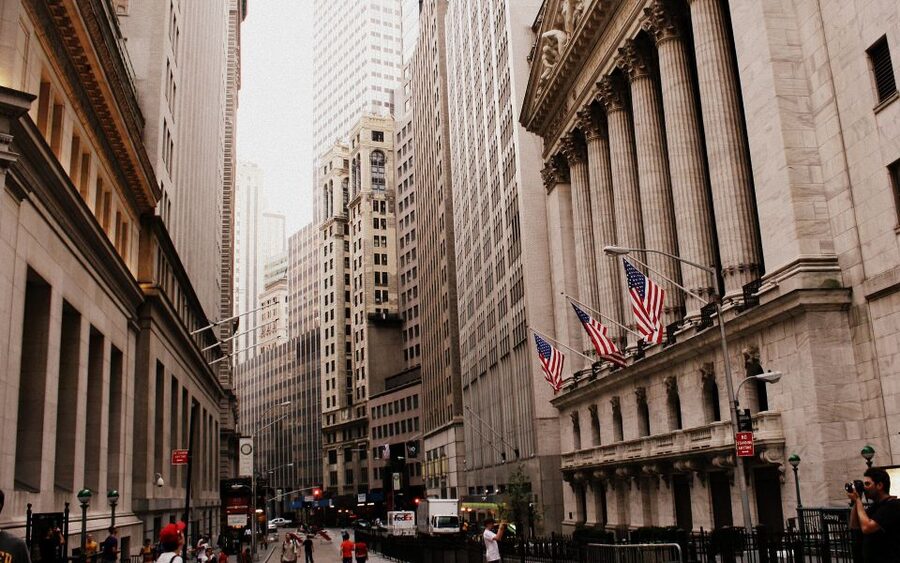
Wall Street Starter: NYSE, Federal Hall, and the Charging Bull moment
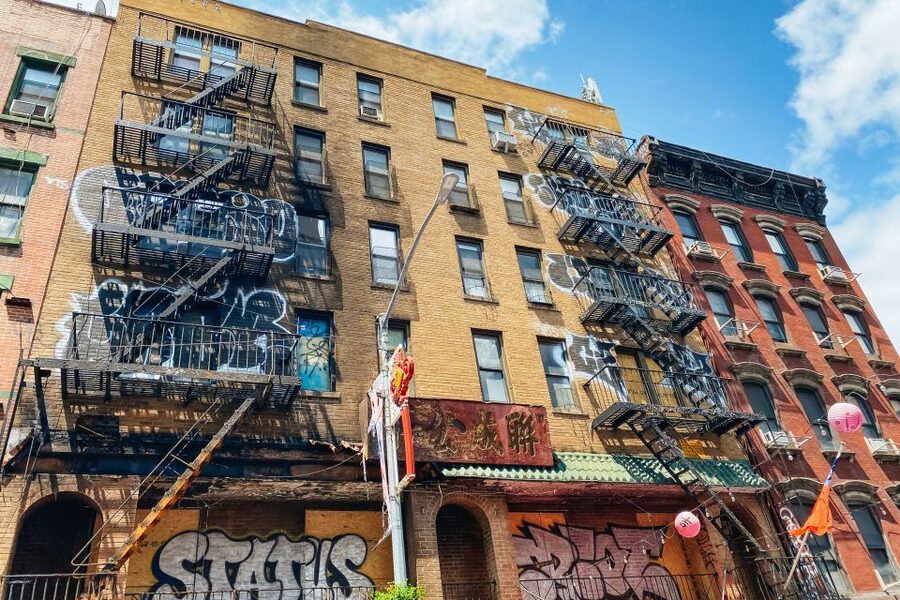
Most good Manhattan trips start with Wall Street, and this one commits to that idea right away. You meet near the New York Stock Exchange, by the George Washington Statue, and from there you move through the oldest part of the island with real context, not just postcard facts.
If your departure starts at Federal Hall (11 Wall St), that opening sets the theme: this neighborhood is where America’s early financial and civic life got loud. Then you roll straight into the NYSE area, where the famous Charging Bull sits like a permanent photo magnet. It is a quick stop, but it is also a perfect warm-up for how the tour works, short moments with purpose, plus enough time to step aside, frame a shot, and keep walking.
Practical tip: plan for crowds. One group ran into extra time because of a long line near the bull, and the guide handled it without turning the rest of the walk into a sprint. Still, your best move is to be ready for a little waiting while staying in the zone.
You can also read our reviews of more walking tours in New York City



Ground Zero and the 9/11 Memorial Pools: what the guide helps you see
After Wall Street, the tour shifts gears to Ground Zero, and the stop at the 9/11 Memorial Pools is one of the emotional anchors of the walk. You are not stuck with a lecture from across the street. You get guided context that helps you understand what you are looking at and why it matters, so the site lands in your brain as something more than a photo background.
This is also a good example of why having a local guide matters. City landmarks are easy to identify. What is harder is knowing which details are worth your attention and which ones you can safely ignore and keep moving. A good guide keeps the focus on the right things, like orientation, symbolism, and the story of the place.
Because this is still part of a 5-hour walking route, you will not linger forever, but you also will not feel rushed through something heavy. The goal is to give you the right meaning fast, then carry it with you as you move into the livelier neighborhoods.
Five Points, Chinatown, and Little Italy: neighborhood clues you can feel
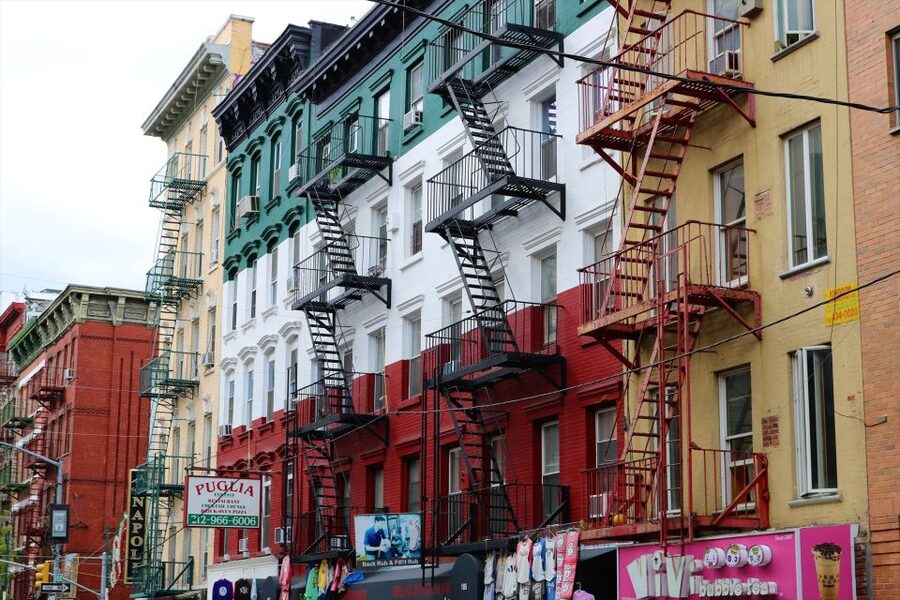
Then the tour pivots north and east through some of the city’s most layered streets. Five Points is the bridge, and the guide uses it to connect older history to what you see today. It is a smart use of time because it helps you understand how New York neighborhoods evolve instead of treating each one like a separate theme park.
From there you hit Chinatown. You will be walking through streets where food, language, and everyday life overlap, and the guide’s job is to point out the logic behind what you notice: patterns in the blocks, the role of commerce, and the way community identity shows up in the street scene. Depending on the day and the timing, you might get a quick food-related stop, like a dumpling moment, but the bigger value is how the guide teaches you how to read the neighborhood.
Little Italy follows, and the contrast is part of the fun. Even if you know the classics, the guide helps you spot the small cues that make this area feel different from Chinatown next door. On some days, seasonal displays pop up and the guide can show where to look. You also get the kind of practical advice that helps you return later on your own without wandering blindly.
You do not need to be a food expert for this section. You just need curiosity, good walking shoes, and an openness to learning why these places work the way they do.
Flatiron District and Fifth Avenue: skyline viewpoints without the ticket headache

Once you leave the lower Manhattan neighborhoods, you start pulling toward Midtown, where the city goes vertical. The Flatiron District is a great transition zone because you get that iconic streetscape and architecture feel, along with enough stop-and-go moments to keep everyone engaged.
You will pass through areas tied to big-city life, including the Flatiron building and nearby Midtown landmarks. This is where the tour does a lot of the sightseeing heavy lifting, because from here it becomes a chain of recognizable exteriors and street corners that most people want to see anyway.
On Fifth Avenue, you get the classic New York energy, the kind where you can feel the city’s momentum through the crowds and traffic patterns. The guide helps you focus on the right skyline angles and building silhouettes, plus the little context that turns a famous façade into a story you can repeat later.
If you are the type who hates wasting time, this part is a win. You are not standing in lines for tickets during the walk, yet you still cover the big names people plan whole days around.
Rockefeller Center, Times Square, and Grand Central: three icons with different vibes
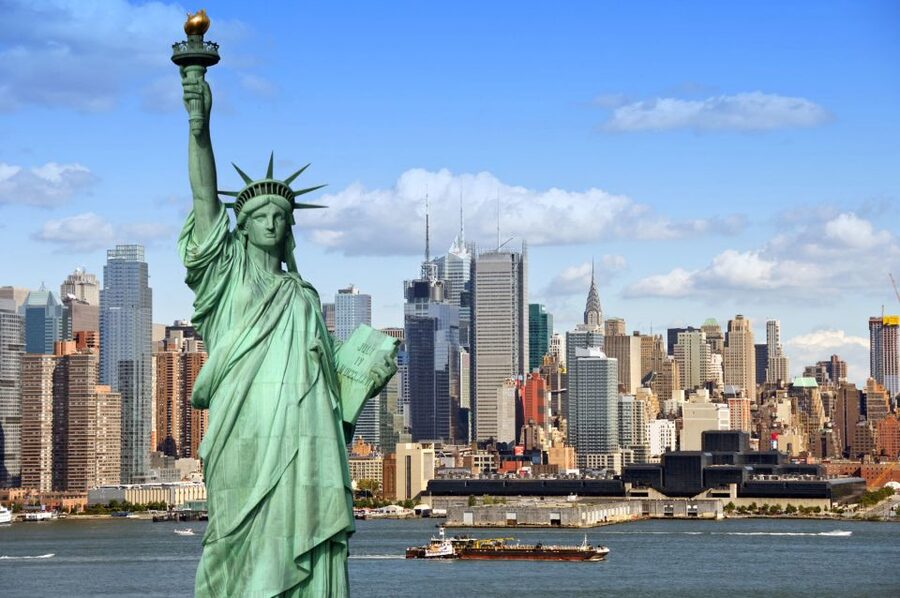
The tour then hits the trio that defines modern Manhattan for many first-time visitors: Rockefeller Center, Times Square, and Grand Central Terminal.
Rockefeller Center is a quick stop, but it is timed to give you the right photo angles and the background you want before moving on. You will see the kind of building geometry and street arrangement that makes photos look sharp even when you are standing in a crowd.
Times Square is next, and yes, it is intense. Still, a guide is useful here because the goal is not to stare at screens for hours. It is to understand why the area became a global symbol, and how it functions today as a crossroads. You get a focused pass, short enough that your legs do not revolt, long enough to feel grounded in what you are seeing.
Then you roll into Grand Central Terminal. This is one of the places where the tour’s small-group size pays off, because you can get pointed out to key areas without getting swallowed by the mass of people. Even your short stop feels more like a guided visit than a rushed photo.
What to expect in this stretch: lots of exterior orientation, quick interior glimpses if your route brings you close enough, and photo breaks that help you reset without losing the storyline.
You can also read our reviews of more guided tours in New York City






Midtown landmarks chain: Madison Square Garden, New York Public Library, and the Chrysler Building
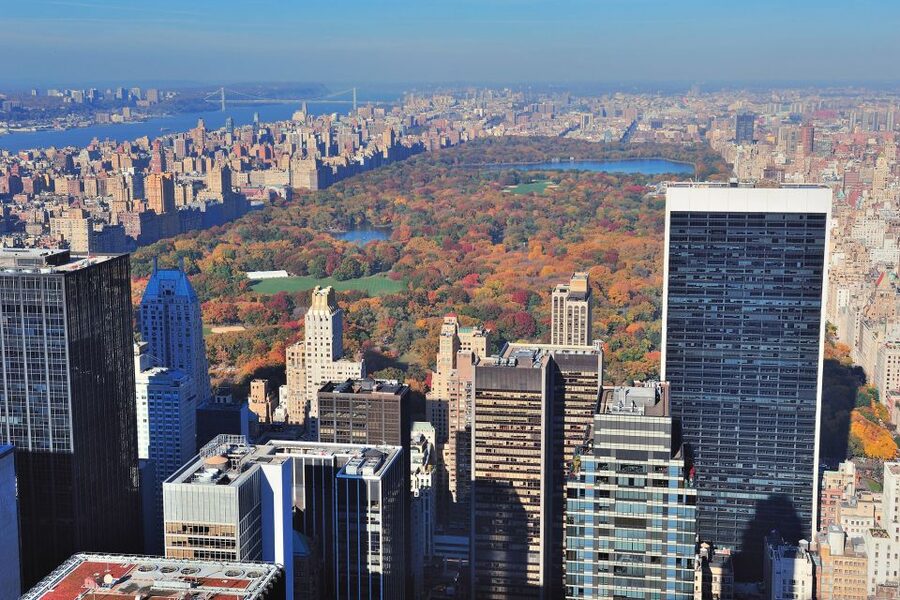
Midtown is packed, and the tour treats it like a sequence, not a jumble. Along the way you pass landmarks tied to sports and entertainment, including Madison Square Garden. That matters because New York is not just skyscrapers. It is also where millions of people gather for events, media, and culture.
You also move past major architecture landmarks like the New York Public Library and the Chrysler Building. These are iconic on sight, but they are even better with guidance because your eyes know what to hunt for. Look for the details the guide points out, like how the buildings frame the streets and where the most flattering angles land for skyline shots.
The tour keeps the stops short but purposeful. If you have limited time, this approach helps you cover more without turning your day into a blur.
Empire State Building photo stop: when 15 minutes feels like the right amount
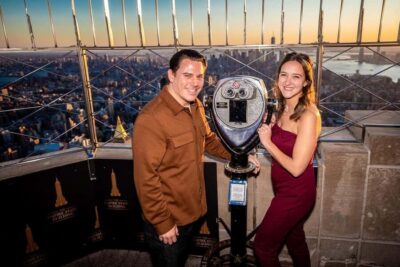
One standout rhythm shift is the photo stop at the Empire State Building area. You get a dedicated window to take pictures, grab a quick look around, and catch the viewpoint you came for.
Fifteen minutes is not a long time, but it is honestly a reasonable tradeoff inside a 5-hour walk that also includes neighborhoods and Central Park. It is enough time to try a couple angles, check where the light falls, and still stay on schedule for the next zones.
If you care about photos, this is one of the stops to show up ready. Keep your phone battery charged, and keep your group close so the guide does not have to pull everyone back from the sidewalks.
Central Park approach: NBC Studios, Radio City Music Hall, St Patrick’s Cathedral, and Carnegie Hall
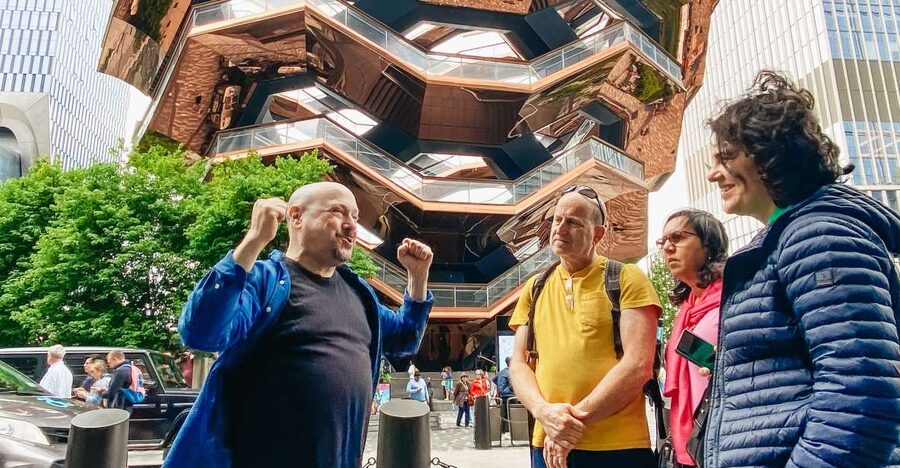
After Midtown icons, the tour begins guiding you toward Central Park, using a set of famous stops that also explain why this part of the city feels like its own world.
You pass NBC Studios, which gives you a sense of how media geography shapes the city. You also see Radio City Music Hall, and that is useful context because New York’s entertainment history is not abstract. It is on the street, in the building shapes and the way people queue outside.
St Patrick’s Cathedral appears too, and this stop gives a change in mood. If you have only seen the city through glass and corners, a landmark like this adds contrast. It also gives your legs a chance to slow down for a moment, even while you keep moving.
Carnegie Hall and Grand Central show up around this area as well, and the effect is that the walk starts to feel like a cultural map, not just a list of famous structures.
Then the guide leads you into Central Park. The park portion is built into the late part of the route, which makes a big difference. You are tired enough to appreciate a real break, but not so exhausted that the day falls apart.
Central Park stroll to the Guggenheim finish: a satisfying end to the route

Central Park can be overwhelming, which is why ending the tour near the Guggenheim works well. The route gives you a guided way to move through the park without the stress of figuring out what to see first.
You will stroll through Central Park along the way, and the guide helps you connect the park’s layout to what you saw earlier in the day. In other words, the park is not random scenery. It acts like a transition zone from the tight city blocks to a more open, calmer vibe.
The finish at the Guggenheim is practical too. It gives you a clear endpoint that is easy to remember, and it helps you plan what comes next, like heading to dinner in the surrounding area or continuing on to another museum stop.
The guide makes the difference, and the best ones stay playful
The strongest praise from past groups is not about a single landmark. It is about the guide style.
Guides such as Andrew P., Max, and John are repeatedly described as funny, very engaging, and quick to answer questions while keeping the schedule moving. That matters because a 5-hour walking tour can go one of two ways: it either feels like a nonstop march through cities, or it feels like a guided story where stops feel connected.
You can also look for the signs of a good guide in real time. Do they adjust pace to the group? Are they willing to explain without making it feel like homework? Are they giving you useful tips, like where to spend your time later and how to get oriented fast? The better guides do all of that.
Price and value for a 5-hour, 30-plus sights route
At $58 per person for a 5-hour walking tour with a local guide, the price lands in the midrange for New York. What makes it feel like good value is the combination of time and coverage.
You are paying for one thing most self-guided plans struggle with, a tight route that hits a wide spread of Manhattan highlights in a single session. You also get a small group, limited to 10 participants, which means less waiting around and more chance for the guide to keep interactions natural.
What is not included is food and drinks, and you will not have hotel pickup or drop-off. That is not a dealbreaker, but it does mean you should plan your own water breaks and snacks if you need them. The tour already suggests bringing drinks, sunscreen, and an umbrella, so treat those as part of your budget planning.
The overall value shows up if you are short on time or you want a first-day orientation that still gives you actual sights.
What to bring, what to avoid, and how to handle crowds
You will walk for most of the 5 hours. That sounds obvious, but in Manhattan it is the difference between a good day and a miserable one.
Bring:
- Comfortable shoes
- An umbrella
- Drinks
- Sunscreen
Avoid:
- Luggage or large bags
Also keep in mind that multiple tours may run at the same time. That means you will occasionally be sharing sidewalks with other groups, and some stops, like the Charging Bull area, can get crowded. Your best strategy is simple: stay close to your guide, keep your photo plan realistic, and do not count on perfect quiet.
Wheelchair accessible is listed for the tour, which is helpful for mobility planning. Still, since this is a walking route with city sidewalks, check with yourself about how you handle long stretches on foot.
Should you book this NYC walking tour?
Book it if you want a fast, guided introduction to Manhattan that hits Wall Street, the neighborhoods of lower Manhattan, and major Midtown landmarks, then carries you into Central Park without needing tickets for every stop.
Skip it or consider a different pace if you already know the city well and you only want a few places deeply. This tour is built for coverage, not long hangs. Also, if you dread a lot of walking, this one will test your stamina.
If you are doing your first trip or you want a smart way to get oriented in limited time, this is a strong bet. The guide quality, the small-group size, and the mix of neighborhoods plus skyline icons make it feel like a complete Manhattan sampler rather than a checklist.
FAQ
Where do I meet for the tour?
Meet at the New York Stock Exchange, next to the George Washington Statue.
What subway stop is closest?
The nearest subway station is Wall St (4/5 are the green line and 2/3 are the red line).
How long is the walking tour?
The tour lasts 5 hours.
How many people are in the group?
The tour is a small group limited to 10 participants.
Is the tour wheelchair accessible?
Yes, wheelchair accessible is listed.
What is included in the price?
The price includes the walking tour and a local guide.
Is food and drinks included?
No, food and drinks are not included.
What should I bring, and can I bring luggage?
Bring comfortable shoes, an umbrella, drinks, and sunscreen. Luggage or large bags are not allowed.
Is there a cancellation option?
Free cancellation is available up to 24 hours in advance for a full refund.
More Walking Tours in New York City


More Tours in New York City




More Tour Reviews in New York City




Not for you? Here's more nearby things to do in New York City we have reviewed












More New York City Tours to consider.
 ★ 4.7SUMMIT One Vanderbilt TicketsTickets from $4751,195 traveller reviews
 ★ 4.7Empire State Building Tickets – Observatory & MuseumTickets from $4725,757 traveller reviews
 ★ 4.6Statue of Liberty & Ellis Island with FerryTickets from $1918,683 traveller reviews
 ★ 4.5American Museum of Natural History TicketTickets from $3715,447 traveller reviews
 ★ 5.0New York in One Day Guided Sightseeing TourTickets from $9913,166 traveller reviews
 ★ 4.6Museum of Modern Art (MoMA) Entry TicketTickets from $3012,540 traveller reviews
 ★ 4.7One World Observatory Skip-the-Line TicketTickets from $3012,329 traveller reviews
 ★ 4.7New York CityPASS®: Save up to 41% at 5 Top AttractionsTickets from $15410,548 traveller reviews
More useful New York routes