
Review · MUSEUMS
Self-Guided Tour of the Museum at Eldridge Street
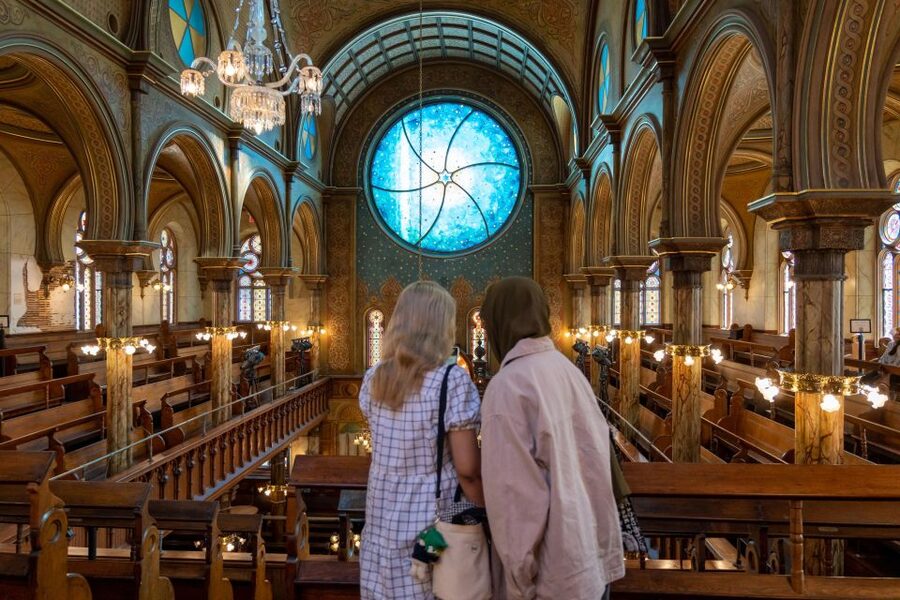
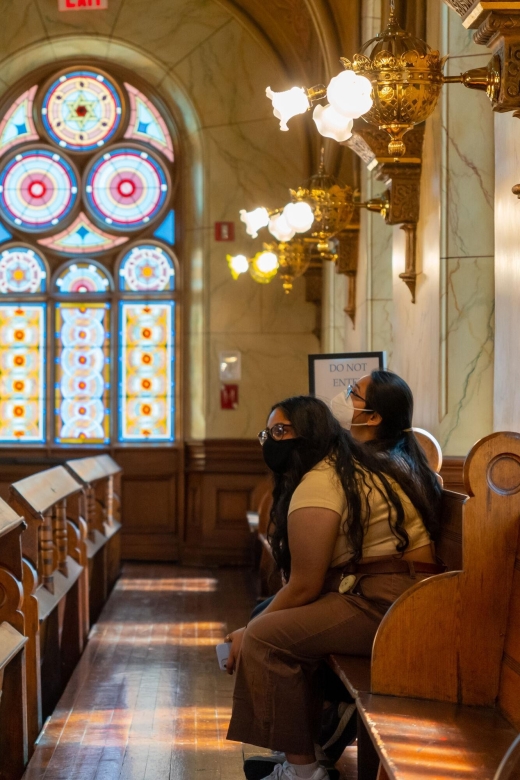
One hour, and the Lower East Side time-travels. I love the Moorish Revival atmosphere, and you get to linger over 60 historic stained glass windows inside a former synagogue that is now a museum. It is the kind of place where the architecture does half the storytelling.
You’ll also spot a modern contrast: a stained glass window by Kiki Smith and Deborah Gans that brings today’s voices into a 19th-century sanctuary. That mix is part of why this visit feels more than a quick look.
One possible drawback: it is truly self-guided, so if you want a live guide narrating every detail, you may feel shortchanged.
Key things to know before you go
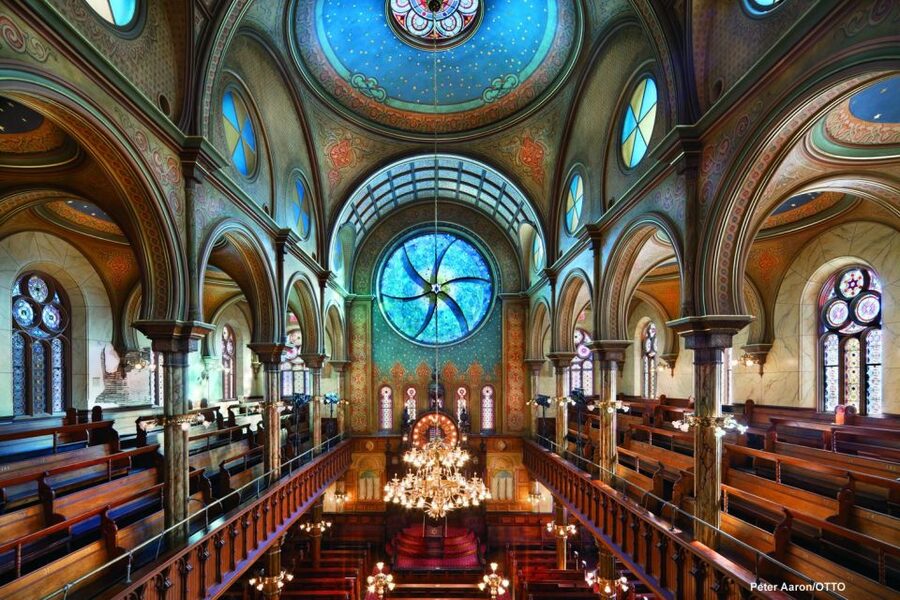
- 1887 Eldridge Street Synagogue as a National Historic Landmark gives your museum visit real, built-in context.
- 60 historic stained glass windows are the star attraction, worth slowing down for.
- Moorish Revival design helps you feel the ambition and pride of the community that built it.
- Modern stained glass by Kiki Smith and Deborah Gans adds a thoughtful, contemporary layer.
- Temporary exhibit plus permanent collection means you will have more than one type of display to see.
- $7 for about an hour is strong value for the setting and the restoration story.
Entering the Eldridge Street Synagogue, Lower East Side in one building
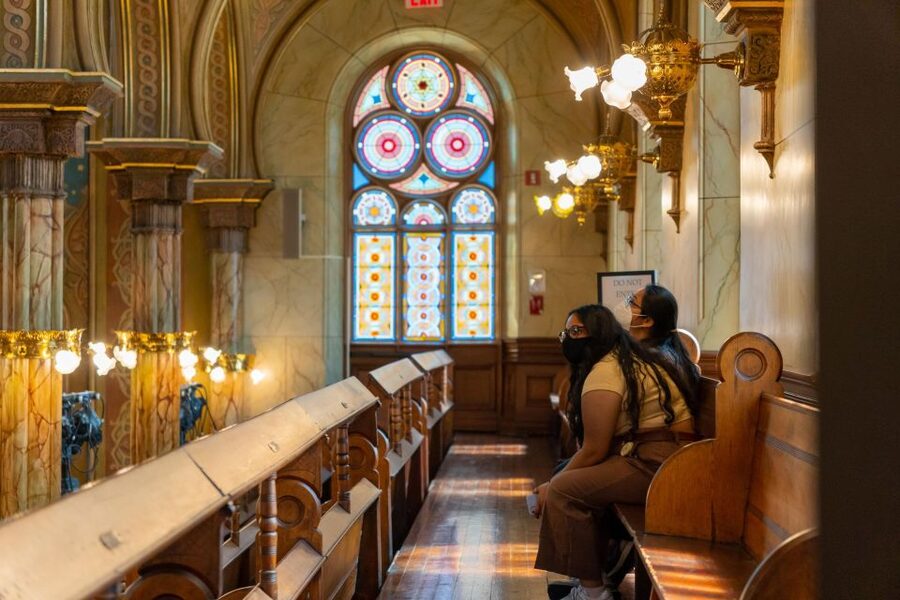
The Museum at Eldridge Street takes place in the historic Eldridge Street Synagogue, built in 1887. This is not a generic museum space, it is the original sanctuary and community landmark, so your visit is tied to the building’s purpose and the neighborhood’s past.
What I like about this setup is how direct it feels. The story is about Jewish immigrant life on the Lower East Side at the turn of the 20th century, and the synagogue itself reflects that moment when people arrived, squeezed into crowded tenements, and still dreamed of making life permanent. You can walk through those ideas without needing a bus tour or multiple stops.
This synagogue was the first grand synagogue purpose-built by Eastern European Jewish immigrants in the United States. It served as a house of worship, but it also functioned as a community anchor, which is why the place matters even if stained glass is not your main interest.
You can also read our reviews of more guided tours in New York City



Moorish Revival details and the 60 stained glass windows
The architecture here is the reason many people fall in love immediately. The synagogue’s Moorish Revival style gives you a visual language of grandeur, with ornamental richness that signals aspiration and identity. It is easy to see why this building became a symbol of immigrants laying down permanent roots, right in the middle of pressure and overcrowding.
Then you hit the windows. The museum experience puts special focus on 60 historic stained glass windows, and they are not just decoration. When you look at stained glass in a place like this, it changes the mood of the whole room. Even without a guide giving a lecture, you can feel how light becomes part of the experience, and how the window design helps turn a sanctuary into something emotionally bigger than one community space.
Practical tip: pace yourself. Do not try to speed-read everything in one sweep. Instead, pick a couple of points where you can stand comfortably, look up, and really study the windows. If you are taking photos, remember flash photography is not allowed, so natural light and steady framing matter.
If you’re an architecture person, you’ll also appreciate the way the building’s design makes you look around. The windows, walls, and ceiling details keep pulling your eyes upward, which helps you understand why this sanctuary worked as a public statement as well as a spiritual space.
The modern stained glass contrast: Kiki Smith and Deborah Gans
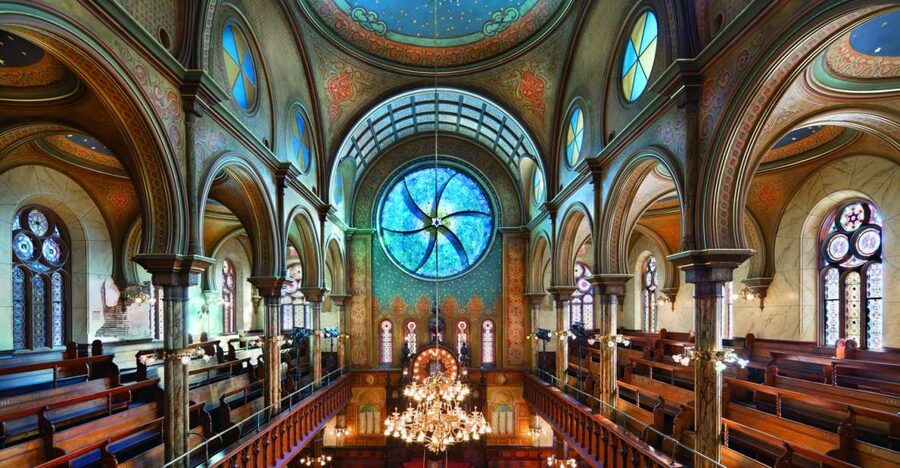
One reason this museum visit feels current is the presence of modern work inside a historic room. You’ll see a modern stained glass window by artists Kiki Smith and Deborah Gans, placed within the larger narrative of the synagogue.
That contrast can be surprisingly meaningful. The historic windows carry the weight of the community that built and used the synagogue in a different era, shaped by immigration, faith, and community life. The modern window, created by contemporary artists, signals that the building is not frozen in time. It is active, interpreted, and re-understood.
For photos, this kind of modern piece can be your best opportunity for a different look than you get from the older historic panels. Even if your camera rules feel strict, the museum welcomes personal, non-commercial photography. Just plan on capturing without flash and without professional gear.
The rise, decline, and a $20 million restoration story
The museum’s core narrative goes beyond aesthetics. It explains the rise and decline of the synagogue and why it almost disappeared from public life.
Built during a major wave of immigration, the synagogue became part of the Lower East Side’s community fabric. It stood among overcrowded tenements and packed streets, not in isolation. That matters because it frames the synagogue as a place where immigrants could build community, not just attend services.
Then history hit hard. Strict immigration quotas in the 1920s affected the community connected to the synagogue. Over time, the building was nearly lost to neglect. For me, that part of the story is crucial, because it gives context to what you see in front of you. The beautiful rooms are not only preserved for decoration, they exist because people fought to bring them back.
The museum’s restoration is part of the explanation too: a 20-year, $20 million project returned the space to glory and public use. When you learn that, the experience starts to feel more urgent and more human. You are not just admiring old craftsmanship, you are witnessing a successful recovery of community memory.
How your self-guided visit flows in about one hour
You control the pace here, and that is a big part of the value. At around 1 hour, you can do a complete loop without rushing, as long as you plan your priorities.
You’ll start at the synagogue’s main entrance at the bottom of the left-hand staircase. From there, you can move through the museum space at your own speed and focus on what grabs you most. The museum tour is self-guided and available in English, Spanish, and Chinese, so you can follow the museum story in the language you prefer.
Here is a smart way to use your hour, with minimal guesswork:
- Spend the first 10 to 15 minutes getting oriented to the story told around the building, especially the immigration and community angle.
- Give the stained glass a real chunk of time. If you rush, you lose most of what makes the windows special.
- Stop for the modern stained glass window by Kiki Smith and Deborah Gans and compare what it does to the space.
- Make room for the temporary exhibit and then circle back to anything you want to see twice.
Temporary exhibit note: you get admission to the museum’s temporary exhibit and permanent collection. Even if the temporary display changes, the permanent collection and building context are the backbone of the visit. So, think of the temporary exhibit as a bonus layer, not the whole reason to come.
If you prefer structure, you can still create it for yourself. Pick three anchors before you arrive: the stained glass, the Moorish Revival design, and the restoration story. Once those are covered, the rest feels easier.
You can also read our reviews of more museum experiences in New York City




Rules, photography, and what to bring (so you do not waste time)
The museum does have a few clear rules. It is easy to follow them if you travel light.
Photography rules are straightforward:
- Flash photography is not allowed.
- Professional cameras are not allowed.
- Personal, non-commercial photography is welcome.
That combination usually means you can use your phone or a basic camera, but you should keep flash off and avoid anything that looks like a professional shoot. If you’re unsure what you consider professional gear, plan for “phone and calm” mode.
Also, plan around the building’s screening process. Food and drinks are not allowed other than water. Strollers and backpacks will be searched and checked in on arrival, so do not show up with a heavy load you would rather keep in your hands.
On the movement side, the museum is fully accessible. An elevator reaches all four floors, so you can build a route that fits your comfort level. It is one of those places where accessibility is built into the experience design, not tacked on.
You also should know what is not allowed: bikes and scooters are not permitted.
Value check: why $7 makes sense here
At $7 per person, this is priced like a museum quick visit, not a fancy add-on. That works to your advantage because the main draw is the synagogue itself, including the architectural experience and the stained glass.
A lot of “low-cost” attractions turn into basic photo stops. This one does not. The price buys you a full museum admission format for a National Historic Landmark building, plus access to both permanent and temporary exhibits. And because it is self-guided, you are not paying for a ticket that depends entirely on group timing.
Duration also helps the value story. In about an hour, you can see the core points, especially the windows and the restoration narrative. If you only have a short gap in your day, it is a smart choice because you do not have to commit to half a day to feel satisfied.
Who this self-guided visit suits best
This is a good fit if you like experiences where you can control the pace. You will enjoy it more if you like standing still long enough to look closely at details like light and glass, and if you appreciate how architecture can carry social meaning.
It also suits:
- People interested in Jewish immigrant life and the Lower East Side at the turn of the 20th century.
- Architecture lovers who want Moorish Revival design in a real, functioning landmark setting.
- Travelers who like a museum that explains restoration, not just artifacts.
- Anyone who wants a quieter, more reflective stop compared to high-motion sightseeing.
One heads-up based on how the visit is set up: if you want a running commentary and deep explanation from a person, this self-guided format might feel limited. You are in charge of reading and noticing, so you may want to slow down and let the space speak.
Should you book this visit?
Yes, you should book if you want a short, high-impact museum experience in an authentic historic building. The combination of Moorish Revival design, 60 stained glass windows, and a modern stained glass window by Kiki Smith and Deborah Gans makes it more than a single-note attraction.
Skip it only if you strongly prefer guided tours with lots of narration, or if you hate self-paced museum wandering. Otherwise, this is a practical, affordable way to connect with the Lower East Side story in a place that still looks like it matters.
If you have an hour and want your sightseeing to include meaning, this is the kind of stop that sticks.
More Guided Tours in New York City



More Tours in New York City



More Tour Reviews in New York City


Not for you? Here's more nearby things to do in New York City we have reviewed










More Museums to consider.
 ★ 4.7Empire State Building Tickets – Observatory & MuseumTickets from $4725,757 traveller reviews
 ★ 4.5American Museum of Natural History TicketTickets from $3715,447 traveller reviews
 ★ 4.6Museum of Modern Art (MoMA) Entry TicketTickets from $3012,540 traveller reviews
 ★ 5.09/11 Memorial, Ground Zero Tour with Optional 9/11 Museum TicketTickets from $396,381 traveller reviews
 ★ 4.59/11 Memorial Museum Admission TicketTickets from $366,376 traveller reviews
 ★ 5.0All-Access 9/11: Ground Zero Tour, Memorial and Museum, One World ObservatoryTickets from $1094,886 traveller reviews
 ★ 4.7Intrepid Museum Entry TicketTickets from $384,687 traveller reviews
 ★ 4.3Museum of Ice Cream Entry TicketTickets from $402,619 traveller reviews
More useful New York routes