
Review · HARLEM TOURS
Soul of Harlem: Striver’s Row, Apollo Theatre & Gospel Heritage
Harlem comes alive fast on foot. I like this tour for how it links street scenes to the big ideas behind the neighborhood, starting at the Schomburg Center. You’ll also see key landmarks in a tight loop, with stops that connect music, faith, civil rights, and politics in plain, human ways.
My other favorite part is the way Sunday adds a gospel experience inside a historic church. One thing to consider is the whole plan is built around walking, so on cold or rainy days you will spend time outside and may hear more indoor storytelling between blocks.
Key things to know before you go
- Schomburg Center first: African-American research library with changing exhibits tied to the Harlem Renaissance and civil rights themes
- Abyssinian Baptist Church: established over 220 years, in Harlem since 1902
- Strivers’ Row, 1890s row house blocks: alleyways, rear shared courtyards, and names tied to theater, boxing, and politics
- Bill’s Place and Swing Street: music stop tied to Harlem’s original Swing Street and jazz/swing performers
- Apollo Theater payoff: star-making history with a focus on what the stage represents today
- Sunday gospel option: skip-the-line access to a local church experience (Sundays only)
Harlem, mapped by the people who built it
If you only know Harlem as a postcard, this tour helps you reframe it as a lived place. The route moves from an archive (the Schomburg Center) to a spiritual anchor (Abyssinian Baptist Church), then to residential blocks (Strivers’ Row) and finally to performance power (Bill’s Place and the Apollo Theater).
I like that the guide treats the neighborhood like a timeline you can walk through. You start to notice how the same streets that held ambition and reinvention also held struggle, organizing, and cultural creation. It is not just facts on buildings, it is how people used art, community, and leadership to push for change.
For a 2-hour plan, it is also efficient. You get multiple signature Harlem stops without feeling like you are sprinting between far-flung neighborhoods.
You can also read our reviews of more historical tours in New York City



Price and logistics that actually matter for $39
At $39 per person for about 2 hours, the value comes from what is included, not just the price tag. You get a guided walk led by local Harlem residents and award-winning tour guides, plus a structured route with multiple major sites.
Another value point: most stops are free to enter with the tour. That matters in New York, where entry fees can add up quickly. On Sundays, the gospel experience includes skip-the-line access to a local church (so you are not stuck trying to figure out how to join once you arrive).
You should also know the group stays small, with a maximum of 18 travelers. Small enough to ask questions, still big enough to keep energy up.
Stop 1: Schomburg Center for Research in Black Culture sets the story
You start at one of the New York Public Library’s renowned research libraries, the Schomburg Center for Research in Black Culture. This is a smart first step because it puts Harlem’s story into context. Instead of jumping straight into streets and statues, you begin with the archive of African-American experience.
What makes this stop especially useful is the way the center connects past movements to later ones. The tour focuses on periodic exhibitions related to the Harlem Renaissance, the civil rights era, and even more recent themes tied to Black Lives Matter. Even if you have heard those phrases before, seeing how they connect to real research and preserved culture helps you understand the neighborhood you are walking into.
How to get the most out of this start:
- Arrive ready to listen, because the guide sets up names and themes you will see again later.
- If you like photos and printed materials, this is the place to pay attention, since your guide is likely building a mental map.
Possible drawback: because this stop is inside a library-type setting, it can feel more like a structured intro before the outdoor walking begins. If you want scenery from minute one, this first 20 minutes may feel more informational than visual.
Stop 2: Abyssinian Baptist Church and 220+ years of community
After the archive, the tour shifts to faith and community at Abyssinian Baptist Church. The key detail here is age and staying power. The church has been established for over 220 years in New York City, and it has been in Harlem since 1902.
This stop works because you are not just visiting a landmark, you are visiting a living institution. Even if the service schedule is not the focus during the regular walking tour portion, the church’s history helps you understand why Harlem culture often traveled with institutions, not just famous individuals.
You’ll also notice how the tour frames churches in Black neighborhoods as more than worship spaces. They often function as gathering points for leadership, organizing, and cultural continuity. That theme fits with what you are learning at the Schomburg Center.
Practical tip: wear something you can comfortably sit, stand, or move in. Even when a stop is short, you may spend time adjusting to indoor space rules and group flow.
Stop 3: Strivers’ Row row houses, courtyards, and the politics of ambition
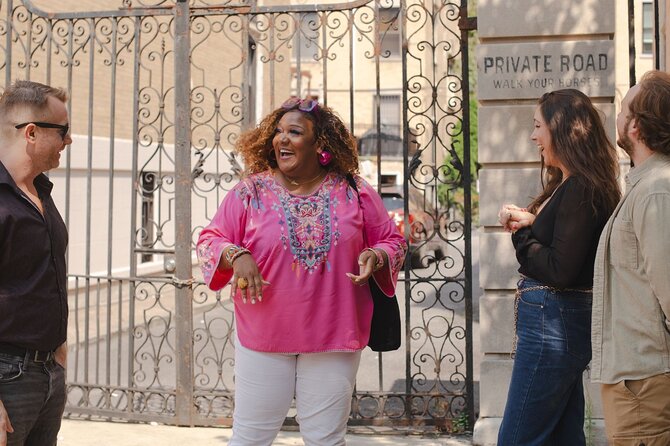
Then you step into Strivers’ Row, a historic district built around beautiful row houses with alleyways and rear shared courtyards that trace back to the 1890s. The architecture is a big part of the appeal, but the guide’s storytelling turns those facades into something more personal.
This is where the tour drops names connected to Harlem’s rise and reinvention. You may hear about tap dancer and actor Bill Bojangles Robinson. You may also hear about heavyweight boxer Harry Black Panther Willis. Congressman Adam Clayton Powell Jr. and William Marion Cook, noted as the first Black Broadway musical composer, come into the picture too.
Why that matters for you: you start seeing Strivers’ Row as a crossroads between entertainment, sports, leadership, and creative production. It is not one narrow theme. It is what happens when a neighborhood becomes a place where excellence is expected and identity is built in public.
One small consideration: because you are walking residential blocks, it can be easier to miss details if you rush. Slow down when the guide points out alleyways and shared courtyards. Those are the physical features that make this district feel distinct.




Stop 4: Bill’s Place on Harlem’s original Swing Street
Next comes Bill’s Place, tied to Harlem’s original Swing Street. This stop leans into music, especially jazz and swing.
The tour includes a performance by Bill Saxton, a Harlem jazz icon. The idea here is straightforward: Harlem is not only history on walls. It has ongoing musical lineage, and swing-era energy is still part of the story you are hearing.
If you enjoy live sound, you will probably find this a highlight. Even if you are not a hardcore jazz fan, swing and jazz are part of how Harlem communicates. You do not have to fully “know” the genre to feel the connection between the music and the neighborhood.
Possible drawback: this kind of stop depends on performance flow. Expect it to be a bit less structured than the museum-and-church stops. If you prefer quiet narration over listening to music, bring patience and let the guide set expectations.
Stop 5: Apollo Theater, star-making history in modern shoes

Finally, you reach the Apollo Theater. The tour frames it as a stage where stars are born and legends are made, and you hear it through the lens of performance tradition.
The tour also notes the Apollo’s 90-year legacy and connects that to the kind of major-name concerts the venue supports. Seeing the theater after you have already walked past the Schomburg archive and Strivers’ Row houses gives the Apollo stop more meaning. You understand it as a destination people worked toward, not just a famous building.
This is also where I like the tour’s pacing payoff. The outdoor walking and personal stories create context, and then the Apollo functions like a final “why it mattered” moment. You are closing the loop: culture created at home, preserved in institutions, performed on stages.
If you plan to return to the Apollo later on your own, this is the time to pay attention to what the guide highlights. It can turn a one-time photo stop into something you revisit with clearer expectations.
Sunday changes everything: gospel experience inside a historic church
On Sundays, the tour includes a gospel experience at a local church, with skip-the-line access. That is a big deal because gospel is not something you fake with YouTube clips. You feel it in the room, and it reshapes the rest of the tour.
It also makes the Abyssinian Baptist Church stop feel different, even if the main gospel event happens later. Your understanding of the neighborhood’s faith and community framework gets reinforced in a more direct way.
A practical note: if gospel is the reason you are booking, you should dress comfortably and plan to stay flexible with timing. Sunday services tend to follow their own rhythm, and a skip-the-line advantage still does not mean the experience is rushed.
What you’ll learn from guides like Ron, Lady Altovise, and Meredith
A lot of the best feedback ties directly to guide talent and personality. I noticed repeated themes in how people describe the guides: warm hospitality, engaging storytelling, and strong connections between music, literature, art, and social movements.
One guide named Ron is praised for making guests feel welcome and for delivering insights in an entertaining way. Lady Altovise gets standout praise for vibrant engagement and for helping with a real-world timing issue when a meetup detail did not match what a guest expected. Meredith is also mentioned as making topics like music, literature, art, and social movements feel real, not like a textbook.
Why that matters for you: this tour is short, so the guide’s ability to connect dots is the difference between seeing places and actually understanding them. If you are the type who likes asking questions, a guide who encourages group participation will make the entire 2 hours feel more worth it.
Walking tour basics: make it comfortable so you can enjoy it
This is a walking format with multiple stops. That sounds obvious, but it is worth planning around.
- Wear comfortable shoes. Strivers’ Row and the route between stops add up.
- Bring a layer for changing weather. Reviews mention rain and cold-weather pacing, which suggests time outside can shift.
- Keep your phone ready for the mobile ticket. You are using it for entry and checking in.
If you are traveling with family, couples, or friends, the small group size tends to work well. People mention feeling welcome and included, which matters in a neighborhood walk where you want respect and ease.
The one thing to think about before booking
This tour is built as a structured guided walk, not an open-ended wandering tour. If you are hoping for extra time on every block, or you want a more freeform conversation style, you might wish the pacing moved slower.
There are also occasional mentions of guides spending extra time on photos in colder weather, which can slow down ground coverage. That does not mean the tour is bad. It means you should show up prepared for a guide to adjust their delivery based on conditions and timing constraints.
My advice: bring curiosity, but also ask questions early. If you have specific interests, like the civil rights era, jazz, or the Harlem Renaissance, tell the guide at the start. A good guide will steer the story toward what you care about.
Should you book Soul of Harlem: Strivers’ Row, Apollo Theatre & Gospel Heritage?
If you want an easy way to connect Harlem’s big-name landmarks to the people and ideas behind them, I think you will like this. The Schomburg Center start gives you context fast, Strivers’ Row gives you architectural and personal story, and the Apollo lands with meaning.
Book it if you:
- Want a tight 2-hour plan that still hits multiple major sites
- Like learning through storytelling tied to specific people, not just general facts
- Are going on a Sunday and want gospel experience with skip-the-line access
You might choose something else if you:
- Hate walking or need a very slow pace
- Want deep, long-form museum time instead of a guided route
- Expect every minute to be outdoor sightseeing, regardless of weather
Bottom line: at $39, with mostly free admissions and a small-group guide, this is strong value for first-time Harlem visitors who want the neighborhood’s “why” as much as its “what.”
FAQ
How long is the Soul of Harlem walking tour?
The tour is about 2 hours.
How much does it cost?
It costs $39.00 per person.
What language is the tour offered in?
The tour is offered in English.
What are the main stops on the tour?
The tour includes the Schomburg Center for Research in Black Culture, Abyssinian Baptist Church, Strivers’ Row, Bill’s Place, and the Apollo Theater.
Is admission included for the stops?
The tour notes that admission ticket for the stops is free.
Is there a gospel experience?
Yes. On Sundays only, the tour includes a gospel experience at a local church with skip-the-line access.
How big is the group?
The tour has a maximum of 18 travelers.
Will I get a mobile ticket?
Yes, the tour includes a mobile ticket.
Are service animals allowed?
Yes, service animals are allowed.
What is the cancellation policy?
You can cancel for a full refund if you cancel up to 24 hours in advance. If you cancel less than 24 hours before the start time, the amount paid is not refunded.
More Historical Tours in New York City



More Tour Reviews in New York City



Not for you? Here's more nearby things to do in New York City we have reviewed











More Harlem Tours to consider.
 ★ 4.5NYC Highlights Tour: Bronx, Brooklyn, Harlem, Queens & ConeyTickets from $462,846 traveller reviews
 ★ 4.5Contrasts Tour of Harlem, The Bronx, Queens & BrooklynTickets from $392,167 traveller reviews
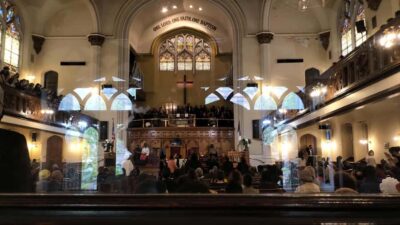 ★ 4.7Harlem Hallelujah! Gospel Wednesday ConcertTickets from $251,638 traveller reviews
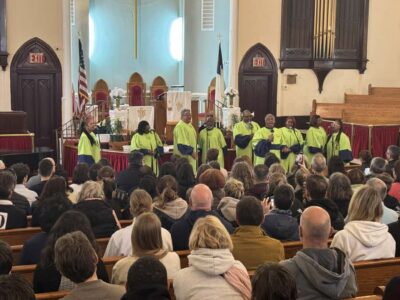 ★ 4.7Harlem Gospel Live Music ConcertTickets from $281,479 traveller reviews
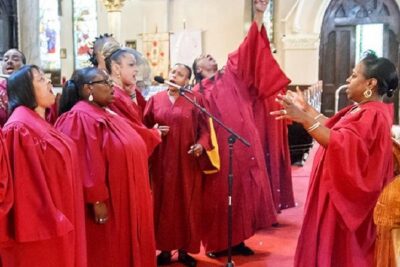 ★ 4.0Harlem Sunday Morning Gospel TourTickets from $85995 traveller reviews
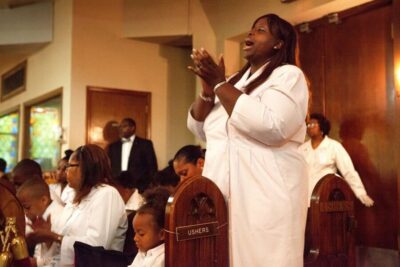 ★ 4.04-hour Harlem Gospel Tour in New York CityTickets from $79935 traveller reviews
 ★ 3.9Harlem: Central Harlem Sunday Gospel with LocalsTickets from $25499 traveller reviews
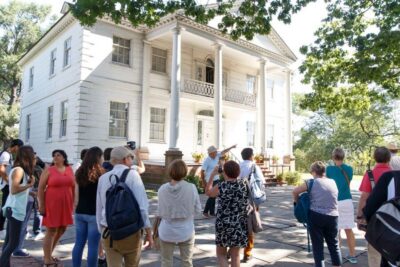 ★ 4.3Sunday Harlem Gospel Guided TourTickets from $89438 traveller reviews
More useful New York routes