
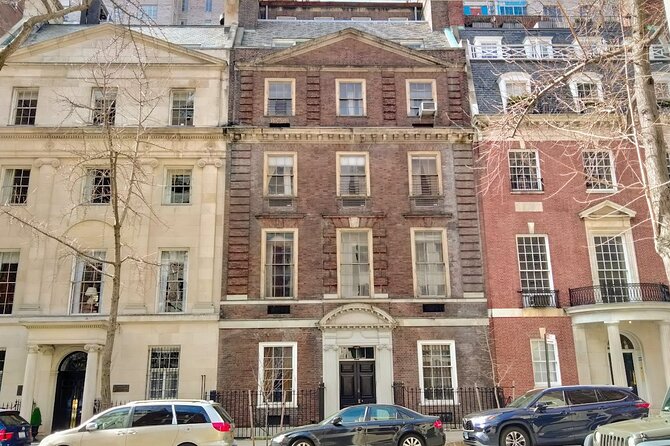
Review · NEW YORK CITY TOURS
The Psychiatric History of New York: Upper East Side Tour
Psychiatry is hiding in plain sight. This small-group Upper East Side tour connects the city’s mental-health story to real landmarks you can see in daylight, all in about 2 hours. It’s built for an intimate feel, with a hard cap of 12 people, plus a guide who uses the streets to explain why these places mattered.
I especially like the way it spotlights “I walk by there all the time” locations, like the John Finley Walk viewpoint and the Yorkville Glockenspiel. And I like that the stops are admission-free, so your money goes mostly to the guided storytelling, not ticket fees.
One consideration: this is a street-walk history lesson, not a full museum visit. If you’re hoping for lots of inside access, you might find it more satisfying if you enjoy seeing how the past shows up on building facades and city corners.
Key takeaways

- Small group, max 12 people, so you actually get to ask questions and keep the pace human.
- Admission-free stops, meaning your $40 is mainly paying for the guide’s narrative.
- Upper East Side landmarks, including the Psychoanalytic Society and Institute address and the Mount Sinai Dispensary legacy at Hunter College.
- City viewpoints like John Finley Walk, so the tour includes a real visual break, not only standing in front of plaques.
- A guide with comedic energy shows up in the best feedback, including a mention of Krumbie.
Entering The Upper East Side Mental-Health Story, Without Needing a Textbook
This tour turns a familiar neighborhood into a guided map of psychiatric and neurological institutions. You start and finish near Central Park, and along the way you connect themes like psychoanalysis, child study, neurological care, and how people in power shaped public health.
The best part is how the guide uses the city as a learning tool. Instead of sounding like a lecture from a textbook, the stories are tied to specific corners and buildings. That makes it easier to remember, and it also makes it less dry. If you like travel that teaches something real while still being fun to walk, this format works.
Also, the “small group” detail matters more than you might think. With a maximum of 12, the guide can keep pace, stop for questions, and adjust on the fly. You are not stuck listening to someone talk at the group from the next zip code.
You can also read our reviews of more historical tours in New York City



Price and What $40 Buys You in Real Value
At $40 per person for about 2 hours, this tour sits in the “worth it if you’re curious” category. You’re paying for specialized context, not for transportation or a museum ticket. And every listed stop has admission ticket free, so there’s no surprise add-on that turns the price into something higher.
Here’s how I’d think about it before you book: you get a guided walk through a specific theme with street-level stops on the Upper East Side. If you were to do this on your own, you’d need to piece together the connections between institutions, and that’s exactly what you are outsourcing here. The guide’s job is to connect those dots quickly, and the very high satisfaction rating suggests they do it well most of the time.
That said, this is not priced as a deep, multi-venue museum day with lots of ticketed entry. It’s a focused, guided experience. If you love structure and meaning tied to place, you’ll feel the value fast.
Where You Start, How Long It Takes, and How to Think About the Route
You’ll meet at East 87th Street and East End Avenue. The start time is 3:00 pm, and the tour runs about 2 hours. You’ll end at East 62nd Street and Madison Avenue, a few blocks from Central Park’s southeast edge.
That start-to-finish style is useful. You can plan your afternoon so you’re not stuck retracing steps later. It also means you can combine it with other Central Park area plans without the walk feeling pointless.
Because the tour is small, I’d treat it like a “plan around this” activity. Dress for a typical Upper East Side walking pace, and keep your phone charged if you like snapping photos of street details, addresses, and signs. Also note the tour is offered in English, and it’s near public transportation, so arriving shouldn’t be a whole project.
John Finley Walk and the Yorkville Glockenspiel: Viewpoints Plus Neighborhood Clues
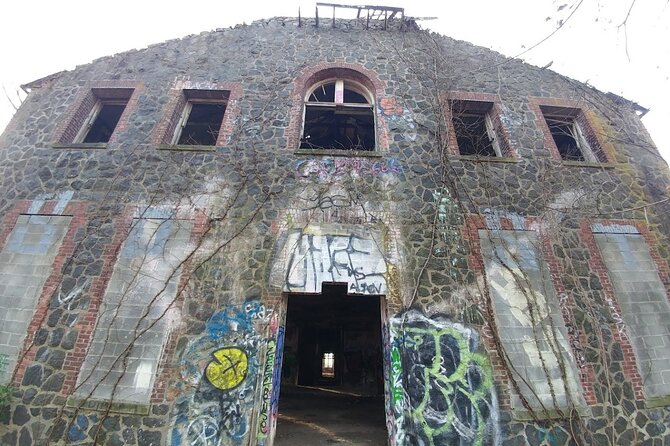
The early part of the walk does a smart thing: it uses the view to make the story feel physical. At John Finley Walk, you get an East River vantage point to view Roosevelt and Wards Islands. Even if you’re not a map person, the shoreline views help anchor what the guide is explaining about where institutions sat within the city’s geography.
Right after that, you stop at the Yorkville Glockenspiel at the southwest corner of 83rd Street and York Avenue. The key detail here is that it’s a mural nod to the German Yorkville neighborhood. That might sound like a side topic, but neighborhood identity is often part of how health services grew, where communities clustered, and what social life looked like around the institutions that later became important.
These two stops work well together because they break up the “stand and listen” rhythm. You see something, then you connect it to a local story.
New York Psychoanalytic Society and Institute at East 82nd Street
Next you’ll pause at 247 East 82nd St., the New York Psychoanalytic Society and Institute. This is the kind of location that feels ordinary from the sidewalk, but it carries a big theme. Psychoanalysis is not just a concept, it’s tied to real organizations, real buildings, and real people trying to understand the mind.
For you, the practical payoff is clarity. When a guide points to an actual address, the subject stops being abstract. You can imagine how these ideas traveled from professional circles into broader public awareness.
One thing to keep in mind: you’re not getting a show-and-tell inside a clinical facility here. The tour is about the neighborhood’s visible anchors, so your takeaway will be about context, legacy, and how the institutions shaped the city.




East 80th Street Houses: Why Psychiatric Care Is Also About Where People Live
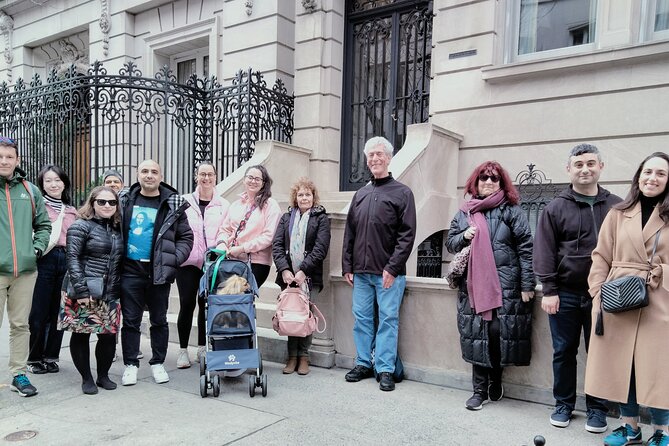
You’ll also stop at East 80th St. Houses. With that stop, the story shifts from institutions to the social fabric around them. Housing matters because mental health is affected by environment, access, stability, and community resources.
I like that this tour doesn’t treat psychiatric history as only “big names and big buildings.” Places where people live can tell you a lot about how society organized care and support, even if the connection is more interpretive than literal.
If your brain likes cause and effect, this is the part where the guide’s narrative usually helps you connect the dots. You get a broader view of why psychiatric history belongs in a city-walking conversation, not only in lecture halls.
Hunter College Baker Theatre Building: Mount Sinai Dispensary and the Kennedy Child Study Center
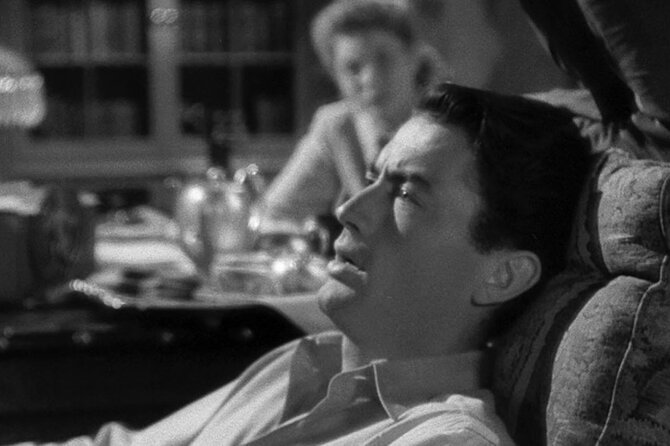
One of the most compelling pauses comes at the Hunter College Baker Theatre Building, 149-151 East 67th St. The key detail is what the building once was: the Mount Sinai Dispensary, the Neurological Institute, and the Kennedy Child Study Center.
That one stop gives you multiple eras of medical and child-focused work in one physical place. It’s also a great example of how institutions evolve over time. The city changes, but buildings keep memory in their walls, even when a new name takes over.
For a practical travel moment, this is where I’d pay attention to how the guide threads the story together. You’re not just learning labels, you’re seeing the progression: adult medical care, neurological focus, then specialized attention for children. If you care about how systems change, this stop gives you a strong narrative anchor.
Park Avenue Armory on 643 Park Avenue: A Different Kind of Landmark in the Mix
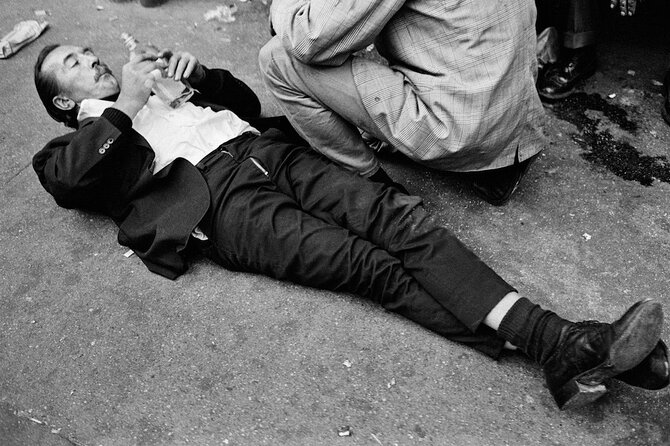
At 643 Park Avenue, you’ll stop at the Park Avenue Armory. It’s not what most people picture when they hear psychiatric history, and that’s exactly why it works in a guided theme walk like this.
This kind of landmark helps you understand that institutions, power, and public life can overlap in surprising ways. Even when the building isn’t a hospital, it may still be tied to broader civic patterns that shaped how health ideas spread and how services were organized.
If you prefer your tours to feel unpredictable in the best way, this is a solid mid-route stop. It keeps the experience from turning into a one-note procession of medical addresses.
Tillinghast House at East 64th Street and Two Madison Avenue Corner Clues
As you head toward the end of the walk, you’ll stop at Tillinghast House, 26 East 64th St, which is just off Madison Avenue. Again, it’s a place many people might pass without thinking about its significance. That’s where this tour earns its keep. A theme walk only works if it makes you see the city differently, and this stop is built for that.
Then you’ll make another Madison Avenue-area pause at 15-17 East 62nd St, off Madison Avenue. By this point, the tour has trained your eye: addresses become clues, and street corners become time markers. You’re looking at the city like an index.
These final stops also help you end with momentum. You’re finishing near Central Park, which is a convenient area to step out, grab a snack, or keep exploring.
The Guide Factor: Fun Stories, a Small Chance of Scripted Delivery
The best feedback on this tour focuses on the guide’s delivery. People praise an engaging, fun style and the ability to turn psychological history into stories that stick. One recurring name you may hear is Krumbie, mentioned with specific enthusiasm for being funny and highly interesting.
That matters because the tour topic is specialized. Without strong storytelling, it could risk feeling like memorizing facts. With a guide who connects the dots, it becomes a “wait, I never noticed that before” kind of walk.
A fair caution: not every guide experience lands the same. If you strongly prefer a highly narrative, story-rich approach, you might want to mentally frame this as a guided walk where the quality depends on how the guide delivers the material that day.
Tips to Get More Out of This 3:00 pm Walk
Plan for this tour to be an active two-hour block. Bring comfortable shoes, and if you like photography, pack a lens or at least clean your camera app ahead of time. Addresses are part of the learning, and you’ll likely want to capture details.
Also, keep the theme in mind while you’re walking. If you treat each stop as a separate fact, you’ll forget the connections. Instead, try to notice patterns, like how institutions change form over time or how neighborhood identity shows up in the physical world.
One last practical tip: arrive a few minutes early at East 87th St and East End Ave. The tour is timed, and starting on time makes the experience smoother for everyone, especially in a small group.
Should You Book This Psychiatric History of New York Upper East Side Tour?
I’d book it if you want a focused, small-group way to learn psychiatric and neurological history without sitting in a museum all day. The price feels reasonable for the amount of guided interpretation you get, and the stop selection gives you variety, from viewpoints like John Finley Walk to institution-laden addresses like the psychoanalytic society and the Mount Sinai Dispensary legacy at Hunter College.
I’d skip it or think twice if you need lots of inside access or you dislike narrative tours that rely on the guide’s storytelling style. This is about seeing how history lives on the streets, and you’ll enjoy it most if you love that kind of learning.
If you’re curious about how mental health care evolved in New York, and you enjoy the Upper East Side’s ability to look polished while still holding real stories, this is a smart use of a 3:00 pm window.
FAQ
How long is the Psychiatric History of New York Upper East Side Tour?
It runs for about 2 hours (approx.).
What time does the tour start, and where do I meet?
It starts at 3:00 pm. The meeting point is East 87th Street and East End Avenue, a few blocks from the southeast corner of Central Park.
How much does the tour cost?
The tour costs $40.00 per person.
How many people are on the tour?
The tour has a maximum group size of 12 people.
Is the tour offered in English, and are service animals allowed?
Yes, it’s offered in English, and service animals are allowed.
What is the cancellation policy?
You can cancel for a full refund if you cancel at least 24 hours before the experience starts. Cancellation is free up to that point.
More Historical Tours in New York City



More Tours in New York City




More Tour Reviews in New York City



Not for you? Here's more nearby things to do in New York City we have reviewed











More New York City Tours to consider.
 ★ 4.7SUMMIT One Vanderbilt TicketsTickets from $4751,195 traveller reviews
 ★ 4.7Empire State Building Tickets – Observatory & MuseumTickets from $4725,757 traveller reviews
 ★ 4.6Statue of Liberty & Ellis Island with FerryTickets from $1918,683 traveller reviews
 ★ 4.5American Museum of Natural History TicketTickets from $3715,447 traveller reviews
 ★ 5.0New York in One Day Guided Sightseeing TourTickets from $9913,166 traveller reviews
 ★ 4.6Museum of Modern Art (MoMA) Entry TicketTickets from $3012,540 traveller reviews
 ★ 4.7One World Observatory Skip-the-Line TicketTickets from $3012,329 traveller reviews
 ★ 4.7New York CityPASS®: Save up to 41% at 5 Top AttractionsTickets from $15410,548 traveller reviews
More useful New York routes