
Review · WALKING TOURS
TriBeCa Architecture & History Walking Tour
TriBeCa turns architecture into street stories in 2.5 hours. This walking tour strings together 300 years of change, from farm fields to industrial muscle and then into the upscale neighborhood New Yorkers shop in today. You start at the southern edge of TriBeCa and move north, so the area’s transformation feels like it has a timeline instead of random stops.
I especially love how the guide connects famous facades to the bigger New York City story. I also like the practical add-ons, like advice for brunch that does not wreck your budget, photo-friendly spots, and recommendations for speakeasies you actually have a chance of finding. Guides such as Meghan or Meggan bring those building stories to life with energy and lots of room for questions.
One possible drawback is simple: it is still a walking tour. If you are sensitive to pace or weather, you will want comfortable shoes and smart layers, since the tour runs in rain or shine.
Key highlights you will take away
- Farmland to wealth, explained as a real process, not a trivia list
- A.T. Stewart Building and Frederick Hotel stories that show how TriBeCa helped shape the city’s look
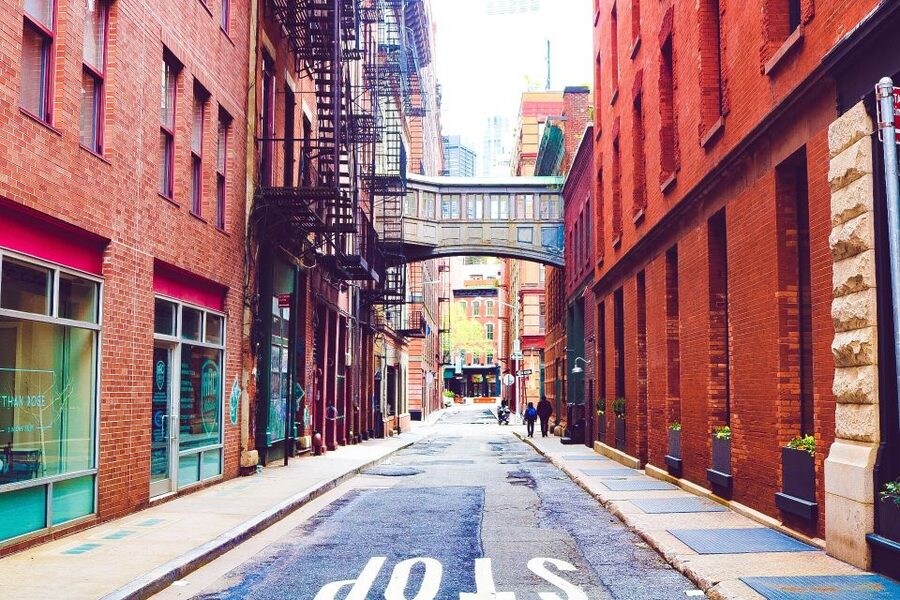
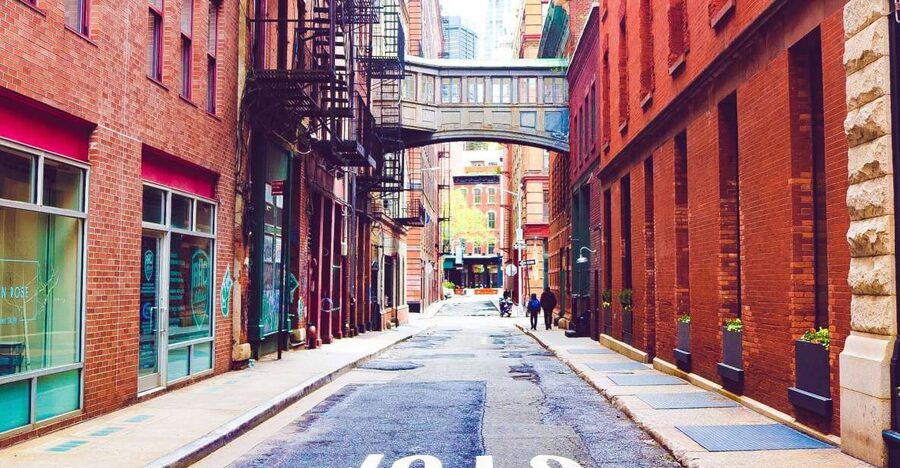
- Staple Street sky bridge, a hard-to-spot sight you will know about and how to find it
- Ghostbusters Firehouse context, so the pop-culture moment lands in real history
- Slavery in the 19th century, told as part of TriBeCa’s less visible past
- Local recommendations for brunch, speakeasies, and photos so you can extend the day after the walk
The TriBeCa story, told like you are walking through time
TriBeCa is one of those NYC neighborhoods that looks like it always belonged here. But on this tour, you learn how much of it used to be working land and industry, and how quickly the neighborhood’s role changed. That is the core appeal for me: you are not just looking at buildings, you are learning why the buildings ended up where they did.
The tour frames TriBeCa’s growth in a clear arc. It starts with the idea that this area was once sleepy countryside, then becomes a 19th-century industrial hub, and later evolves into a place known for wealth and style. When you hear the story in order while walking, you begin to recognize patterns in the streets and architecture.
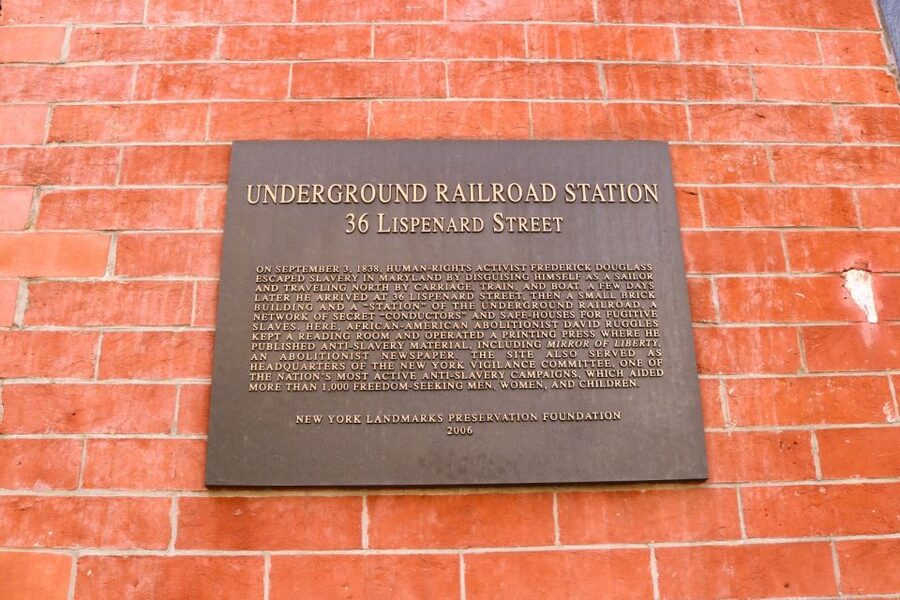
There is also a side of TriBeCa that people often skip. The tour includes TriBeCa’s connection to the fight against slavery in the 19th century, which adds weight to a neighborhood many people first experience through food, film, and design. It is a useful reminder that neighborhoods are built by real choices, not just good taste.
You can also read our reviews of more walking tours in New York City


Starting point and moving north the smart way
I like the tour’s direction. You begin at the southernmost point of TriBeCa and work your way north, which makes the walk feel organized rather than scattershot. Even if you only remember a few building names, the overall geography sticks with you.
The meeting point is easy to spot once you know what to look for: a black Metro Tours umbrella. For subway access, you can plan around the 4/5/6/J/Z lines at Brooklyn Bridge City Hall, R/W at City Hall, or the 2/3 line at Park Place. That gives you options depending on where you start your day, and it avoids the usual NYC stress of picking the wrong station entrance.
If you are the type who likes to map things mentally, this tour helps. As you move north, you can visually connect what changes on the street level to what changes on the building level. That connection is the difference between a list of sights and a neighborhood you can actually understand.
From 19th-century industry to luxury residences, what changed and why
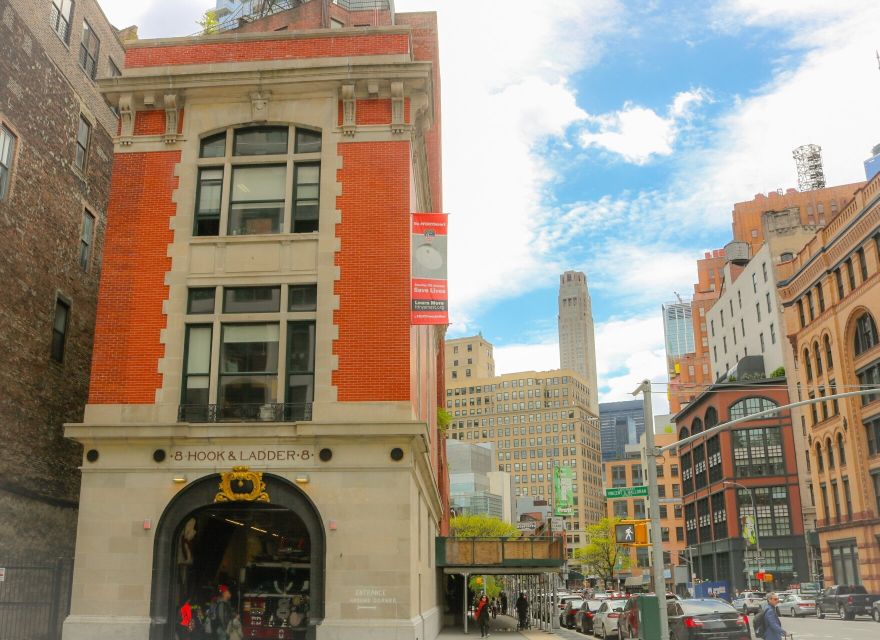
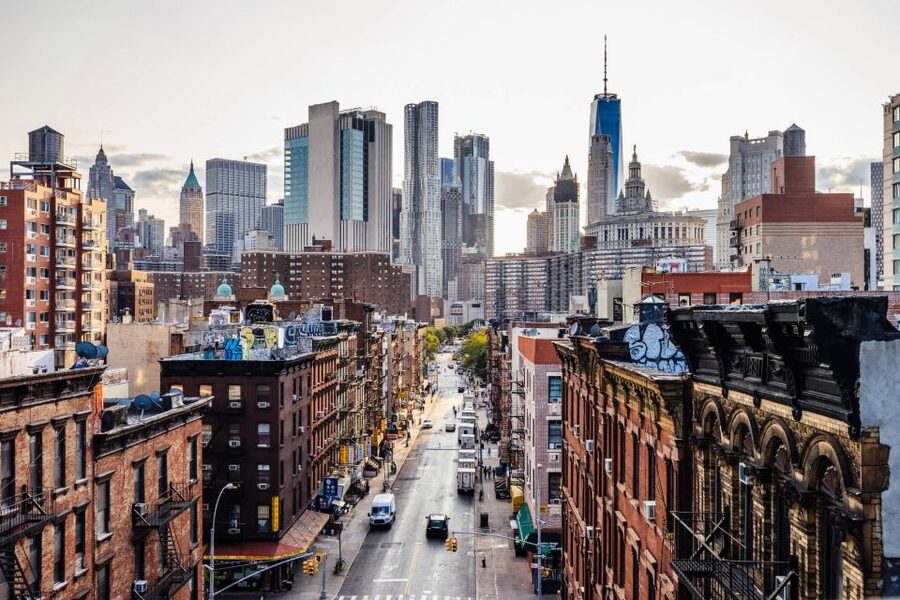
TriBeCa’s big story in this walk is transformation. The tour explains how the area moved from working roots into a more affluent identity, and you see the physical clues that made that shift possible. You also hear about buildings that shifted use over time, including dry goods warehouses that later became luxury residences.
That warehouse-to-home story matters. In NYC, many neighborhoods rise because older industrial structures can be adapted. The bones are there, and once the market catches up, the same structures take on a new status. By the time you reach the parts of the neighborhood with more modern influence, you already understand why change was possible.
You also get the angle of modern development, not just old brick. The tour mentions modern buildings that helped TriBeCa move from farmland roots to the wealthiest zip code in the United States. That is useful context if you are trying to see the neighborhood as a living place, not a museum.
Key buildings I would not skip: A.T. Stewart and the Frederick Hotel
This tour gives you anchors you can hold onto, and two of the clearest are the A.T. Stewart Building and the Frederick Hotel. These are not just pretty stops. The guide uses them to show how TriBeCa participated in early “firsts” in New York City, which helps you connect the dots between architecture and civic identity.
The A.T. Stewart Building
The A.T. Stewart Building is the kind of site that pulls you in even if you are not an architecture person. The tour’s value is in explaining why it matters beyond aesthetics, tying it to the neighborhood’s economic story and the city’s developing commercial power. When you learn the background first, the details you see afterward feel like clues.
You can also read our reviews of more historical tours in New York City






The Frederick Hotel
The Frederick Hotel is another stop that helps you see architecture as social history. Hotels are where business, visitors, and new wealth intersect, and TriBeCa’s identity grew through those kinds of shifts. By the time you reach it, you can tell the tour is building a narrative about how the neighborhood’s role kept expanding.
I like tours where the guide points out what to notice before you start scanning on your own. Here, you get that kind of guidance, so you are not just walking past landmarks.
Ghostbusters Firehouse and the pop-culture layer with real context
One of the most fun parts is the way the tour handles the Ghostbusters Firehouse. Pop culture can make people tune out history, but this walk does the opposite. You learn the story behind the famous facade, and then you connect that to what the building represents in the neighborhood’s development.
I think this is a strong strategy. If you come to NYC already knowing Ghostbusters, you have a hook. The tour then turns that hook into curiosity about the actual place and its timeline. That means you end the tour with at least one local landmark you can talk about in a way that goes beyond movie trivia.
If your group has mixed interests, this stop helps. Even if someone is not into architecture, the recognizable cultural reference is a friendly entry point. Then the guide pulls the conversation back toward real-world history.
Staple Street sky bridge, a sight you will want to find twice
The Staple Street sky bridge is described as one of those hard to find attractions in NYC. I love that idea. Part of the joy of a neighborhood walk is learning secret-feeling details you would miss on your own.
On this tour, you do not just hear that the bridge exists. You learn where it fits into TriBeCa’s architecture story, and you get the chance to experience the sight as part of the streetscape. That makes it more satisfying than a quick photo stop.
Also, sky bridges change how you interpret a neighborhood. They show how design tries to solve everyday movement in a city that is always negotiating space. You see that design mindset in TriBeCa, and it makes the neighborhood feel even more intentional.
The less visible chapter: TriBeCa and the fight against slavery
This is the part that adds moral and historical weight to the walk. The tour includes TriBeCa’s invisible history and discusses the neighborhood’s role in the fight against slavery in the 19th century. It is not a general lecture either. The guide ties it to the neighborhood’s story so it feels grounded in place.
I appreciate when a tour does not treat history like a museum display. NYC neighborhoods are full of decisions made by people in specific moments, including ugly ones. When your walk includes this topic, the neighborhood stops being just pretty streets and starts becoming a real record of how the city’s past shaped its present.
If you want a walking tour that covers more than architecture and photo angles, this inclusion is a big reason to book.
What the tour feels like: pacing, breaks, and what to wear
The duration is 2.5 hours, usually available in the morning. That is a good length for TriBeCa because it gives time to cover multiple areas without turning the day into a marathon. You will be outdoors, so your comfort depends on what you wear.
Bring comfortable shoes and weather-appropriate clothing. The tour runs rain or shine, so plan like an actual walk, not like a museum visit. If conditions get too inclement, you will be notified with options to rebook or receive a full refund.
Some guides build in short pauses, and you might get a couple of quick breaks during the walk. That matters in NYC, where even “short” distances can feel longer than you expect once you add street crossings and looking up at buildings.
The value of $40, and what you get besides photos
At $40 per person for a 2.5-hour guided walk, the value mostly comes from what the guide adds. You are paying for someone to connect buildings, street layout, and historical context into a story you can remember. Without that, TriBeCa is still pretty, but it can feel like random sightseeing.
This tour also includes neighborhood recommendations, not just a list of landmarks. You get guidance on where to eat brunch without breaking your budget, plus best spots for photos while you are in town. There is also mention of hidden speakeasies in Manhattan, which can be a great way to turn one good afternoon into an entire evening plan.
I like that this tour does not pretend you are done after 2.5 hours. The recommendations help you keep momentum, and they can save time if you are trying to avoid tourist traps.
Accessibility and practical logistics that matter in NYC
The tour is listed as wheelchair accessible. If mobility is part of your planning, that is an important factor to confirm with the operator when you book, since street conditions can vary in any neighborhood.
You should still think in practical NYC terms. The tour relies on walking between stops, and you will likely be on sidewalks with normal city interruptions. Wearing grippy shoes and keeping an eye on crosswalk timing makes the experience smoother.
In terms of language, the tour runs in English. If you are traveling with English-only needs, you can plan with confidence.
Who this tour suits best, and who might skip it
This is a great match if you like architecture but also want the human stories behind the buildings. The tour includes a mix of commercial landmarks, hotel history, and structural details like the Staple Street sky bridge. It also includes a serious 19th-century topic tied to slavery, so it goes beyond light sightseeing.
You will also probably enjoy it if you want an organized walk with built-in local planning tips. The brunch, speakeasy, and photo spot recommendations help you leave with a mini plan for the rest of your day.
If you dislike walking long distances, or if you need a strictly indoor or short stop format, this may feel too much. In that case, you might consider a shorter, more targeted sightseeing option instead. But if you can handle an urban stroll for 2.5 hours, this tour fits well.
Should you book the TriBeCa Architecture & History Walking Tour?
I would book it if you want TriBeCa to make sense fast. The best part is not the number of stops, it is the way the guide connects farmland beginnings, 19th-century industry, major architectural landmarks like the A.T. Stewart Building and the Frederick Hotel, and pop-culture touchpoints like the Ghostbusters Firehouse. Add in the Staple Street sky bridge and the slavery-related story, and you end up with a well-rounded neighborhood picture.
I would think twice if you are very sensitive to weather or you want a low-walking day. Because the tour goes out rain or shine, your comfort matters more than any brochure promises.
If you can do a guided walk and you want both architecture facts and real street-level context, this is a strong use of $40 in NYC.
FAQ
How long is the TriBeCa Architecture & History Walking Tour?
The tour lasts 2.5 hours.
How much does it cost?
It costs $40 per person.
Where do I meet the tour?
Meet at the black Metro Tours umbrella.
Which subway stations are closest?
The nearest options listed are 4/5/6/J/Z at Brooklyn Bridge City Hall, R/W at City Hall, or 2/3 at Park Place.
Is the tour in English?
Yes, the live tour guide speaks English.
Does the tour run in bad weather?
Tours go out rain or shine. If weather becomes too inclement, you will be notified and offered options to rebook or receive a full refund.
What should I bring?
Wear comfortable shoes and bring weather-appropriate clothing. Items like sunscreen or an umbrella may be helpful depending on conditions.
Is the tour wheelchair accessible?
Yes, it is wheelchair accessible.
What is included besides the guided walk?
You also get neighborhood recommendations, including brunch suggestions that do not break the bank, hidden speakeasies in Manhattan, and great photo spots.
What is the cancellation policy?
You can cancel up to 24 hours in advance for a full refund.
FAQ
Can I reserve now and pay later?
Yes, there is a reserve now and pay later option listed.
How often does the tour run?
The tour is usually available in the morning. Specific days are not provided here.
More Walking Tours in New York City


More Tours in New York City






More Tour Reviews in New York City



Not for you? Here's more nearby things to do in New York City we have reviewed











More Walking Tours to consider.
 ★ 5.0SoHo, Little Italy, and Chinatown Walking Tour in New YorkTickets from $393,153 traveller reviews
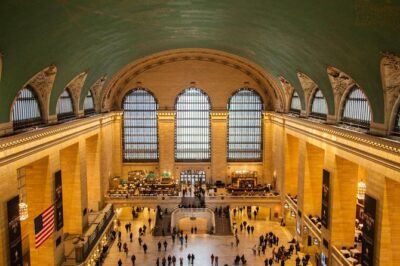 ★ 5.0Secrets of Grand Central Station Walking Tour New York CityTickets from $391,796 traveller reviews
 ★ 5.0Greenwich Village Walking and Food Tasting TourTickets from $941,572 traveller reviews
 ★ 5.0Artistic, Alternative Greenwich Village Walking TourTickets from $39971 traveller reviews
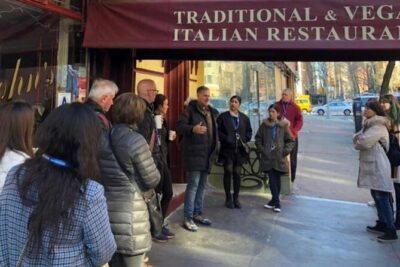 ★ 5.0True Crime NYC: Mafia Walk w/Ret. NYPD Detective and Local FoodTickets from $75848 traveller reviews
 ★ 5.0Central Park Guided Walking TourTickets from $44774 traveller reviews
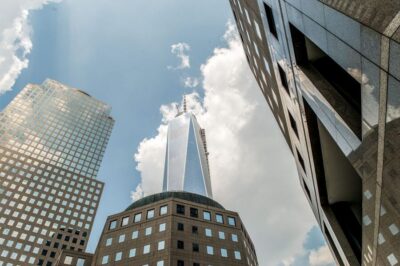 ★ 4.6Private Walking Tour with a LocalTickets from $55771 traveller reviews
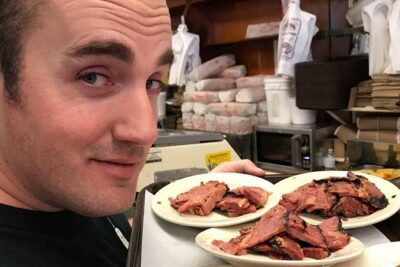 ★ 5.0NYC Lower East Side Walking and Food TourTickets from $94646 traveller reviews
More useful New York routes