
Review · NEW YORK CITY TOURS
Upper West Side: Your Guide to Understanding NYC
Film scenes meet real neighborhood life. This Upper West Side tour strings together movie and TV settings you can actually stand in front of, from the brownstone vibe of You’ve Got Mail to the Ghostbusters headquarters apartment building. I also like how the guide, Mike, uses straightforward stories to explain what shaped the neighborhood, including its Irish and Italian roots.
The big catch is simple: this is a walk that can run up to 6 hours, and lunch isn’t included. If you hate long outdoor breaks or you need a full meal planned into your schedule, you’ll want to build your own food plan for the afternoon.
Key highlights at a glance
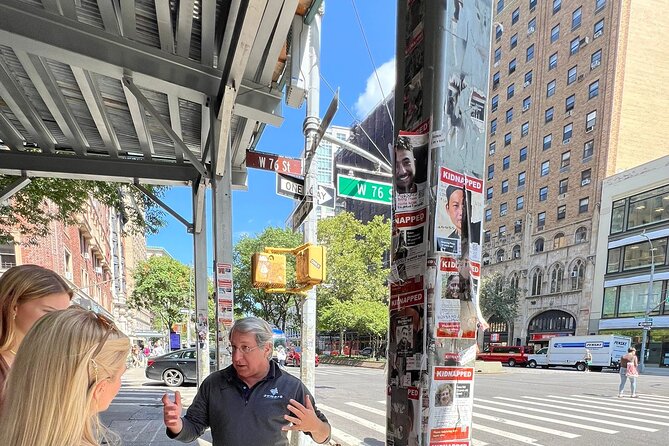
- Private tour for up to 6 people so you can ask questions as you go
- Film-location stops tied to recognizable titles like Seinfeld and Only Murders in the Building
- Pre-war streets and riverfront views along West End Avenue and Riverside Drive
- Zabar’s and classic neighborhood food culture near an old-school Italian market
- Parks and architecture nerd moments at Verdi Square and a Grand Central-inspired bank
Why the Upper West Side works so well for a first NYC understanding
The Upper West Side can look calm and residential, but it’s doing a lot of work under the surface. That’s what I like about this tour: it doesn’t treat the area like a museum. You move from block to block, and the guide helps you see why these buildings, streets, and storefronts ended up here in the first place.
I also appreciate the tone. Mike’s style feels practical, not lecture-y. You’ll get the kind of context that makes later wandering make sense, whether you’re into architecture, immigrant neighborhoods, or just trying to understand how NYC organizes daily life.
You can also read our reviews of more guided tours in New York City



What the $575 group price really means for value
The tour costs $575 per group, up to 6 people. That matters, because you’re paying for a professional guide’s time, not a per-person ticket.
Here’s the math that helps you decide:
- If you split it with 6 people, it’s about $96 per person.
- If it’s just 2 or 3 of you, it becomes much more expensive per person.
So this is best value for small groups, families traveling together, and friends who like to walk and chat. If you’re solo and want a similar experience, you may want to compare against per-person guided walking tours in NYC, since this one is priced by the group.
Start at Times Square, end near Gray’s Papaya
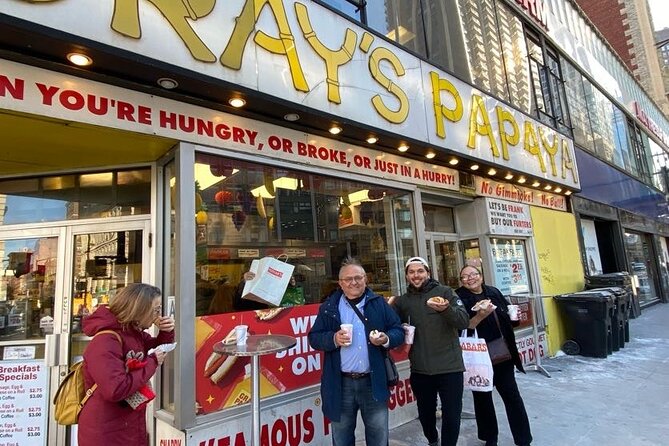
The start point is in the Times Square area (Manhattan, NY 10036), and the tour ends near Gray’s Papaya (2090 Broadway, New York, NY 10023). That end point is handy because it drops you right where you can grab something familiar and fast without hunting for a place.
Also, the tour offers pickup, and the meeting location is near public transportation. In a city where getting across Manhattan can eat your day, this kind of planning support is real value.
Stop 1 at 225 W 86th St: where You’ve Got Mail meets Ghostbusters
This is one of the most fun parts because it hits your movie memory fast. At 225 W 86th St, you’ll see the brownstone look that fits You’ve Got Mail. Then you’ll shift to the Ghostbusters headquarters apartment building and other nearby filming connections tied to Seinfeld, How I Met Your Mother, and Only Murders in the Building.
What makes this more than trivia is how Mike uses these backdrops to explain neighborhood change. In the stories you’ll hear, the buildings aren’t just scenery, they’re evidence. You’ll get practical context on how NYC living evolved, including the shift from classic brownstone-style homes into apartment living, plus how big public changes like electricity rolled out and affected everyday life.
What to watch for here: the scale and spacing of these facades. Even if you are not an architecture person, this stop helps you train your eye for what makes Upper West Side buildings feel distinctly NYC.
Possible drawback: if you expect lots of entry into interior locations, this stop is more about seeing the film settings and architecture from the outside. The value is in the viewpoint plus the explanation.
West End Avenue and Riverside Drive: pre-war grandeur with river air
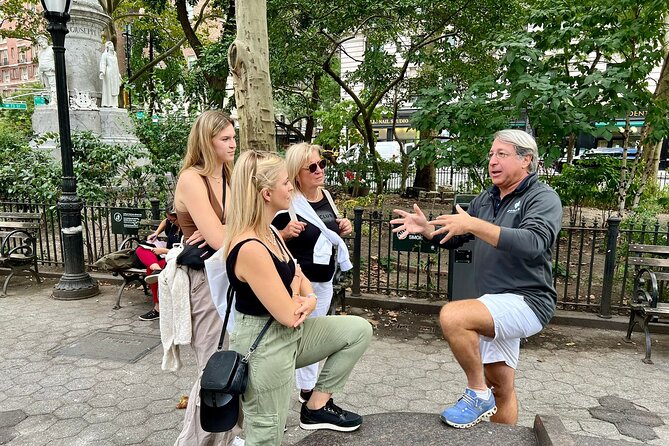
After the film-focus of the morning, the tour takes you to Riverside Drive and West End Avenue. This is where the neighborhood opens up visually. You’ll walk through stretches of grand pre-war buildings along West End Avenue, then continue along Riverside Drive, which runs parallel to Riverside Park.
This is also a nice rhythm change. The tour is not only about facades and TV landmarks. The guide gives you the neighborhood geography you need, so when you later look toward the water or scan the long building lines, you’ll know what you’re seeing.
If you’re the type who likes photos, this is a strong section. Even without a camera, it’s a good reset for your brain.
Tip: wear shoes that can handle uneven sidewalks and curb cuts, since you’ll be on your feet for hours.




Zabar’s stop: a century-old Italian market moment
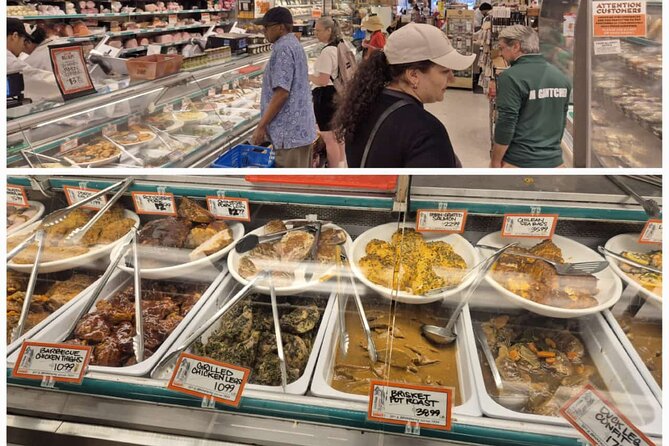
Zabar’s is a key cultural stop on this walk, described as a century-old Italian market on Broadway (with the address around 2245 Broadway). Even if you’re not there to shop, it’s a place where neighborhood culture shows up in the storefront itself.
I like this stop because it balances the heavier themes from the architecture and film section. You get a real-world sense of what locals might do during a normal day, and how food markets became social anchors in immigrant and working-class communities.
Also, this is a stop where you can slow down without feeling like you broke the tour. The guide uses these places to ground the story, so the neighborhood roots feel tangible, not abstract.
Verdi Square: a small park shaped by Broadway’s curve
Verdi Square is the kind of place you might walk past if you didn’t know it was there. It’s a compact green space shaped by the curve of Broadway, and it gives you a breather in the middle of the morning.
I find this matters for comfort. After a couple of stops that are visually dense, a small park resets your focus. Plus, it’s a good point to ask questions, since the pace here tends to feel less rushed.
If your group includes kids or people who tire easily, this park pause is often the moment that makes the walking tour feel manageable.
Broadway Theatre area and a Grand Central-inspired bank inside 2100 Broadway
Near the Broadway Theatre area, the tour points out architectural details and an interior bank experience tied to Grand Central-inspired design. A specific example mentioned is Apple Bank for Savings at 2100 Broadway.
This stop is a reminder that NYC loves to hide beauty in plain sight. Even if you are not planning to spend time inside a bank, it’s still useful to learn how these civic and commercial spaces borrow from famous transit-era grandeur.
What you gain: a better sense of how NYC communicates importance. The guide ties it back to the same themes you saw earlier, how buildings and institutions reflect what people valued, and how design helped move crowds and daily life.
Possible drawback: if you want nonstop film stops, this section may feel more architecture-focused than movie-focused. It’s still connected, just in a different way.
How Mike turns “seeing” into understanding
Mike comes through again and again in the feedback, and for good reason. The tour is built around asking questions as you go, and he’s known for being open, friendly, and very willing to explain how the city works at a human level.
From the way he’s described, Mike doesn’t just list facts. He connects them. He’ll talk about why things were built a certain way, what changes brought new kinds of residents, and how public infrastructure shaped daily life. One review even mentioned his explanations about electricity being introduced to the public and how NYC shifted residents from brownstones to apartments.
That type of thinking is what makes the tour useful after you’re done walking. You start noticing patterns on your own. You also get practical tips that help you eat and move around later the same day, not just during the tour window.
Food breaks and classic Upper West Side stops
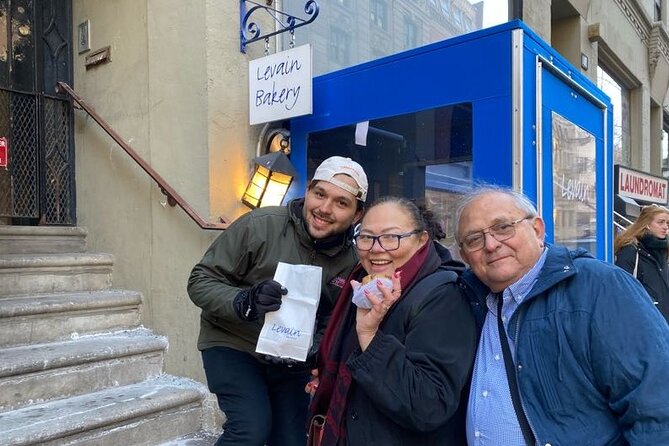
Lunch is not included, but the tour sets you up for classic NYC eating. The tour ends near Gray’s Papaya, which makes a hot dog stop an easy option. Along the route, you’ll also find strong pointers toward neighborhood treats like bagels, and famous cookies like Levain cookies.
In other words, you’re not locked into a formal meal. You can handle this tour like locals do: stop for a bite, keep the day moving, and save the sit-down meal for later.
Practical approach: if you start in the morning, plan either an early lunch or a late lunch after the tour. Since lunch isn’t included, waiting too long can leave you stuck deciding where to eat while tired.
How long you should plan for (and why 3 to 6 hours matters)
The tour is listed as 3 to 6 hours, approximate. That range is a big clue about how the experience feels. If you enjoy questions and slower exploration, it can stretch toward the longer end. If your group is quick at each stop, you’ll likely stay closer to the shorter side.
Either way, this is a half-day plan that pairs well with a rest period later. You’ll also want to think about weather. NYC walking tours feel more comfortable with layers, a hat or sunglasses when the sun is strong, and a light rain layer if clouds roll in.
Who should book this Upper West Side walking tour
This tour is a strong match if you want three things at once:
- A neighborhood-focused NYC experience, not just landmark selfies
- A film and TV location walk tied to real streets
- A guide who explains how the city formed, including Irish and Italian roots
It also works well for first-timers who want direction. The guide’s stories and practical tips can help you plan the rest of your trip with more confidence, especially when it comes to where to eat.
If you dislike walking for hours, or you need structured sit-down food as part of the program, you may find it stressful. But if you can handle a solid half-day on your feet, it’s a very satisfying way to get oriented.
Should you book it or skip it
Book it if your travel style is part history, part movie love, and part neighborhood curiosity. This is the kind of tour that helps you understand NYC quickly, because it teaches you how to look at streets and buildings like they matter.
Skip it if you want lots of indoor sites, set-timed museum stops, or a fully planned meal. Since lunch is not included and most key stops are about viewing and discussion, this one fits best when you enjoy walking, asking questions, and grabbing snacks on your own schedule.
If you’re traveling as a small group and want a private guide who can tailor answers to your interests, this tour hits a sweet spot.
FAQ
How long is the Upper West Side guided tour?
It runs about 3 to 6 hours, depending on the pace and how long you spend at stops.
How much does the tour cost?
The price is $575.00 per group, for up to 6 people.
Is this a private tour?
Yes. It’s a private tour/activity, and only your group will participate.
Where does the tour start and end?
It starts near Times Square (Manhattan, NY 10036) and ends near Gray’s Papaya (2090 Broadway, New York, NY 10023).
Does the tour offer pickup?
Pickup is offered.
Is lunch included?
No, lunch is not included.
What language is the tour offered in?
The tour is offered in English.
Is free cancellation available?
Yes. You can cancel for a full refund up to 24 hours in advance of the experience start time.
More Guided Tours in New York City


More Tour Reviews in New York City


Not for you? Here's more nearby things to do in New York City we have reviewed











More New York City Tours to consider.
 ★ 4.7SUMMIT One Vanderbilt TicketsTickets from $4751,195 traveller reviews
 ★ 4.7Empire State Building Tickets – Observatory & MuseumTickets from $4725,757 traveller reviews
 ★ 4.6Statue of Liberty & Ellis Island with FerryTickets from $1918,683 traveller reviews
 ★ 4.5American Museum of Natural History TicketTickets from $3715,447 traveller reviews
 ★ 5.0New York in One Day Guided Sightseeing TourTickets from $9913,166 traveller reviews
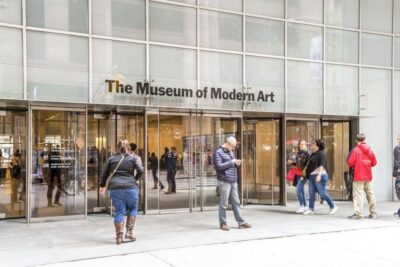 ★ 4.6Museum of Modern Art (MoMA) Entry TicketTickets from $3012,540 traveller reviews
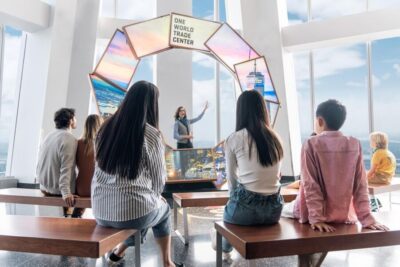 ★ 4.7One World Observatory Skip-the-Line TicketTickets from $3012,329 traveller reviews
 ★ 4.7New York CityPASS®: Save up to 41% at 5 Top AttractionsTickets from $15410,548 traveller reviews