
Review · GREENWICH VILLAGE TOURS
Greenwich Village LGBTQ+ Pride Walking Tour
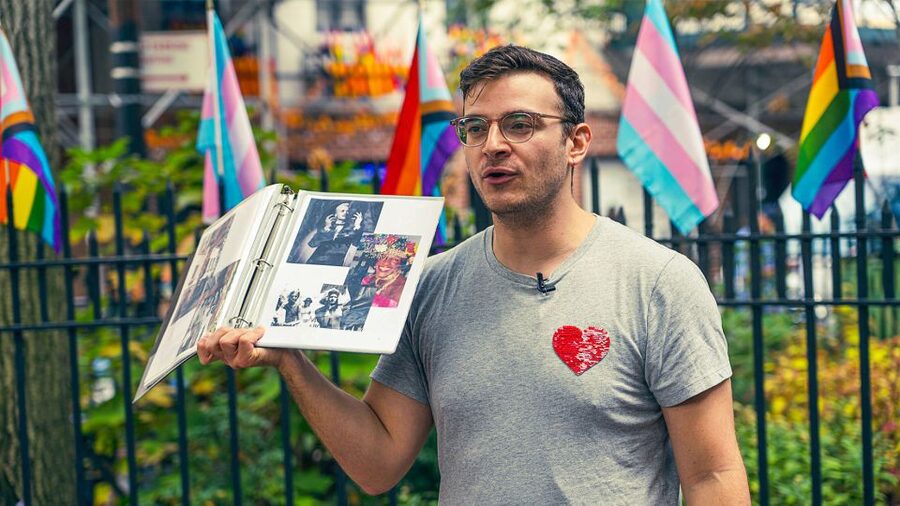
A two-hour walk can change your perspective. This Greenwich Village LGBTQ+ Pride Walking Tour brings you to major organizing sites like the Stonewall Inn, then ties it back to why Pride feels year-round in this neighborhood, not just in June.
I also like how the intersectional focus connects different LGBTQ+ generations in NYC, instead of treating each moment like a separate island. One possible drawback: at 2 hours, you cover a lot of ground and serious themes, so you may want to pace yourself if you prefer lighter tours.
Quick reasons this Pride walk is worth your time
- Stonewall Inn stop focused on the activists and the shift that followed
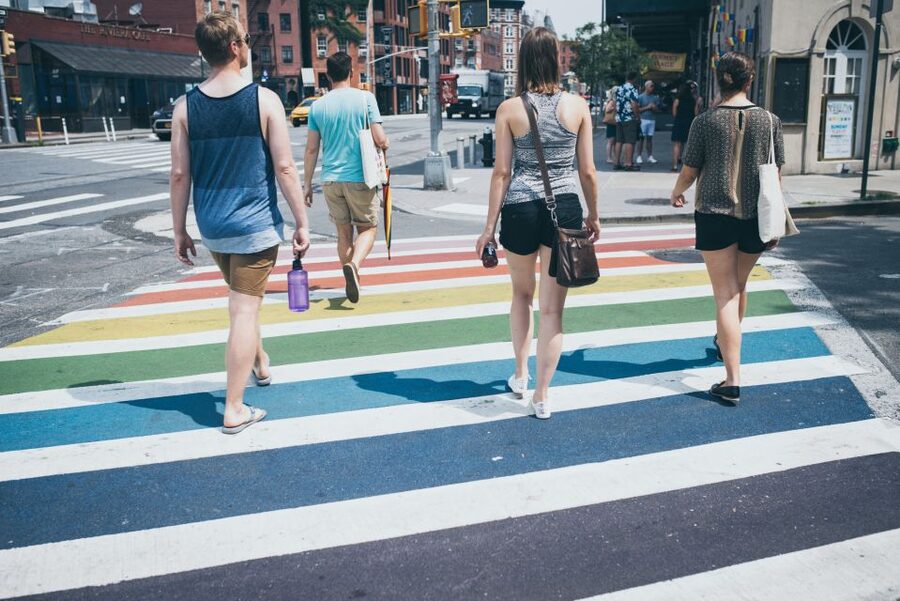
- Pride year-round in Greenwich Village, with the neighborhood itself as a living reference point
- Intersectional LGBTQ+ rights context across generations in New York City
- NYC AIDS Memorial visit that turns public memory into a lesson about community and advocacy
- LGBT Community Center entry so you can see a key hub, not just a photo spot
- Live guide Q&A, with at least one guide named Michael answering questions clearly
Why Greenwich Village Pride makes sense in 2 hours
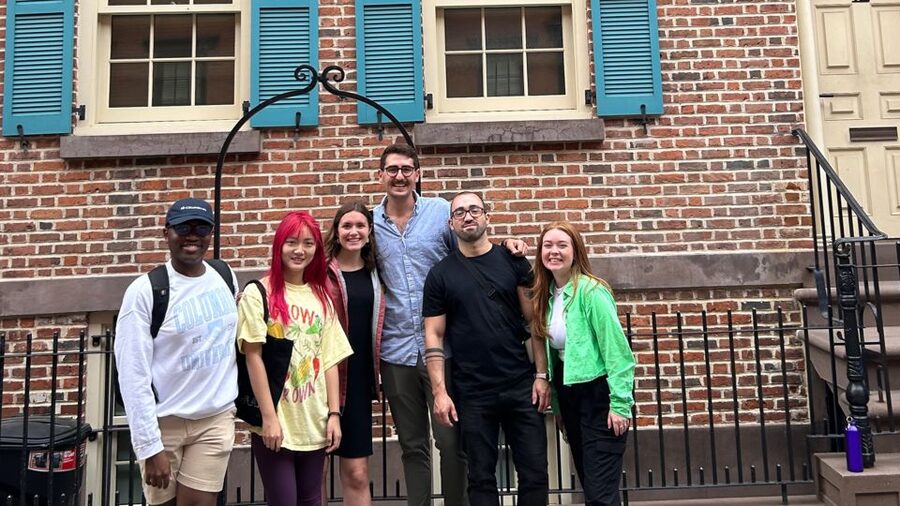
Greenwich Village is one of those places where history does not stay in museums. You walk through blocks that helped shape modern LGBTQ+ activism, and the tour keeps pointing out the common threads between eras.
At 2 hours, the pace is purposeful. You are not getting a textbook, but you are getting enough context to understand what people fought for, what they built, and why the fight continued.
If you are the type who likes to connect dots between past and present, this format works. It is basically a guided “how we got here” route, with real stops that anchor each idea.
You can also read our reviews of more walking tours in New York City



Getting oriented at McCarthy Square (the meeting point that’s easy to find)
You start at McCarthy Square, across from Morandi Restaurant, at 211 Waverly Place. The practical tip I love here is visual: look for the flagpole and the birdhouses. That saves you from wandering around the Village like you are searching for a single missing sock.
Once the group gathers, your guide sets the tone with what you will cover and why these sites matter. A good walking tour is partly navigation, and this one starts with a clear, identifiable spot.
The tour is wheelchair accessible, so it is designed with mobility in mind. The walk itself is still a city stroll, so if you have limited stamina, plan for frequent stops and give yourself a comfortable pace.
Stonewall Inn: the moment where activism changed the script
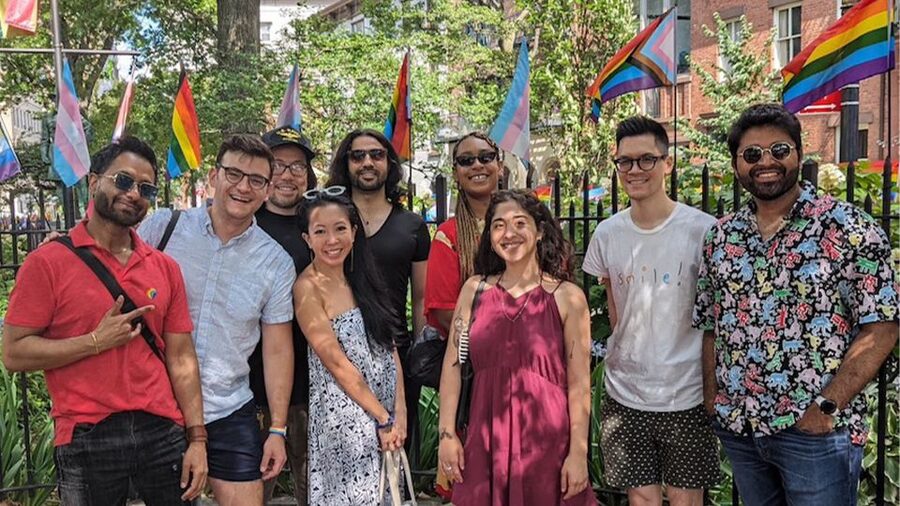
The Stonewall Inn is the headline stop, and for good reason. The tour does not treat it like a static monument. You learn about the activists who helped change history, and you connect that energy to the broader arc of LGBTQ+ rights.
What I like about anchoring at Stonewall is that it gives you a reference point for everything else you see. When you later visit memorials and community hubs, you can better understand them as part of an ongoing push, not just separate chapters.
Practical note: Stonewall is a famous site in a packed area. Expect a lively street environment, and consider arriving with a mindset of “listen first, photo second.”
The Gay Liberation Monument: why language and visibility mattered
From Stonewall, the tour’s logic continues. The Gay Liberation Monument stop helps you understand that rights movements are not only about laws. They are also about visibility, naming, and insisting that your identity has public space.
If you come in thinking the LGBTQ+ rights movement is just one long fight, this stop helps you see the tactics behind it. Public art and monuments are not filler. They are a way communities mark what they demanded and what they refused to accept.
You will likely find this kind of stop especially useful if you like history that connects culture to politics. In the Village, that connection is not theoretical. It is right there in the streetscape.
NYC AIDS Memorial: turning grief into public responsibility
The NYC AIDS Memorial is one of those stops that changes how you look at the neighborhood. Even without going into every personal story, a memorial like this signals that community activism came with real loss and real urgency.
I appreciate that the tour includes it in the flow of LGBTQ+ history. It grounds the conversation in the fact that rights movements are not only about celebrations and legal milestones. They are also about care, advocacy, and fighting for dignity when the stakes are life and death.
Because this stop involves solemn subject matter, I suggest you bring a steady emotional pace. If you want a tour that is light and purely scenic, this is not that. If you want meaning, it delivers.
More NYC tours and experiences for the shortlist

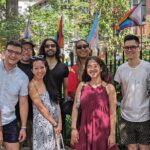

LGBT Community Center entry: the organizing hub, not just the landmark
The route also includes the LGBT Community Center, including visit and entry. That detail matters. A lot of tours point at buildings. This one gets you inside the space, which helps you understand how communities gather, organize, and support each other over time.
I love stops like this because they shift the lens from “events” to “institutions.” Activism needs places to meet, resources to access, and spaces where people can build power together.
One value play here is that entry is included, so you are not left wondering whether you will have to pay extra or miss out. If you care about practical understanding, this is the kind of stop that turns a story into something tangible.
Pride all year round: why this neighborhood feels different
The tour frames the Village as a place where Pride is not seasonal. That theme shows up through the site choices: a revolution-era landmark, movement monuments, an AIDS memorial, and a community center.
That is how you get a sense of continuity. You see how different LGBTQ+ generations in New York City shaped what came next. You also see how activism evolves, from moments of disruption to long-term organizing.
This is also where intersectionality clicks. LGBTQ+ rights did not develop in a vacuum. The tour’s approach helps you understand how multiple identities and experiences shaped the movement over time, not just one simplified storyline.
The guide factor: Michael’s Q&A style is a highlight
At least one review highlights the guide experience strongly, with a guide named Michael. The standout detail is that he is not just reciting facts. He responds to questions and keeps the explanations clear.
That kind of live Q&A changes a tour from “good stops” into an actual learning experience. You can ask what you are curious about, and the guide can connect details across sites.
If you like interaction, this matters. If you prefer silent museum-mode travel, you can still enjoy it, but the tour is designed for conversation, not just listening through headphones.
What you should bring (and how to get the most out of the stops)
Since this is a walking tour with major landmark stops, treat it like city sightseeing with focus. Wear comfortable shoes, and plan for changing street conditions like crowds near iconic sites.
Bring a notepad or notes app if you want to capture names and themes as the guide connects them. The tour aims to show links between generations, so jotting down the big ideas can help it stick.
Also, mentally prepare for a range of emotions. Stonewall and the AIDS memorial are part of the same story arc, and that arc includes both struggle and resolve.
Price and value: what $49 buys you
At $49 per person for 2 hours, the value comes from three places: time, access, and focus. First, it is long enough to cover multiple major sites without feeling rushed into one photo and out.
Second, you get entry to the LGBT Community Center included in the price. That adds real value because it supports an on-the-ground understanding of community space.
Third, the tour’s theme is not just “see famous places.” It is about learning the political and social movements that shaped the LGBTQ+ community over time, with an intersectional lens. For many visitors, that is what turns a walking route into a memorable, useful experience.
Who this tour fits best (and who might want a different option)
This is a strong match if you want LGBTQ+ history that ties past activism to modern understanding. It is also a good pick if you like thematic tours where each stop explains a bigger idea.
You might want to consider another option if you are looking for a purely celebratory route with minimal heavy topics. This tour includes the NYC AIDS Memorial, and the Stonewall story is rooted in real conflict and upheaval.
If you are traveling with someone who enjoys discussion, this tour is built for that. The guide’s interactive style and willingness to answer questions make it easier to share the experience.
Should you book this Greenwich Village LGBTQ+ Pride Walking Tour?
Yes, if you want a tight, well-paced walk through landmark LGBTQ+ sites in Greenwich Village with real interpretive context. The combination of Stonewall, movement monuments, the AIDS Memorial, and LGBT Community Center entry gives you more than sightseeing.
Book it especially if you value a guide who engages, including the named guide Michael who answers questions and keeps things understandable. If you are emotionally steady and curious about the history behind the neighborhood’s Pride energy, this is an easy yes.
FAQ
How long is the Greenwich Village LGBTQ+ Pride Walking Tour?
The tour lasts 2 hours.
How much does the tour cost?
The price is $49 per person.
Where do I meet the tour guide?
Meet at McCarthy Square, across from Morandi Restaurant at 211 Waverly Place. Look for the flagpole and the birdhouses.
Which sites are included on the tour?
The tour includes stops such as the Stonewall Inn, the Gay Liberation Monument, the NYC AIDS Memorial, and the LGBT Community Center, plus additional historic sites.
Is entry to the LGBT Community Center included?
Yes, visit and entry to the LGBT Community Center are included.
What language is the tour guide?
The live tour guide speaks English.
Is the tour wheelchair accessible?
Yes, the tour is wheelchair accessible.
More Walking Tours in New York City


More Tours in New York City






More Tour Reviews in New York City




Not for you? Here's more nearby things to do in New York City we have reviewed











More Greenwich Village Tours to consider.
 ★ 5.0Greenwich Village Food Tour with 6 Locals Favorites DishesTickets from $971,812 traveller reviews
 ★ 5.0Greenwich Village Walking and Food Tasting TourTickets from $941,572 traveller reviews
 ★ 5.0Artistic, Alternative Greenwich Village Walking TourTickets from $39971 traveller reviews
 ★ 5.0NYC Greenwich Village Italian Food Guided Walking TourTickets from $89627 traveller reviews
 ★ 5.0Greenwich Village Food Tour | Tasty Tours NYCTickets from $79549 traveller reviews
 ★ 4.5New York City Ghost Tour of Greenwich VillageTickets from $39466 traveller reviews
 ★ 5.0High Line Park and Greenwich Village Food TourTickets from $159398 traveller reviews
 ★ 4.8Greenwich Village Guided Walking TourTickets from $39300 traveller reviews
More useful New York routes