
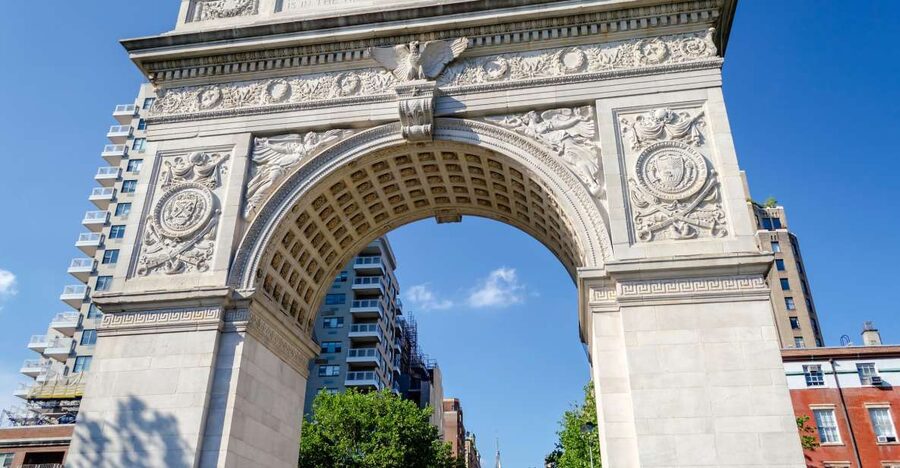
Review · GREENWICH VILLAGE TOURS
Greenwich Village Tour
Two hours can feel like a whole era. This Greenwich Village tour ties together literature, nightlife, and activism using real street corners, not museum walls. I like how the walk lands you in the middle of Washington Square Park energy, where musicians and protesters have long shared the same ground. I also like that it marks big turning points, like Stonewall Inn, in a way you can actually picture and remember.
Best of all, it is built for conversation and good storytelling. You will get a local guide and a small group, and the guides I saw named for this tour include Joel, Conor, Percy, Liz, Claire, Rory, Gabby, Sean, and James, all praised for making the facts entertaining.
One drawback to plan for: you do walk, and the tour runs in most weather. If it is canceled due to unfavorable weather, you get an alternate date or a full refund, but you should still dress for the outdoors and keep your shoes comfy.
Key Highlights You Should Actually Care About
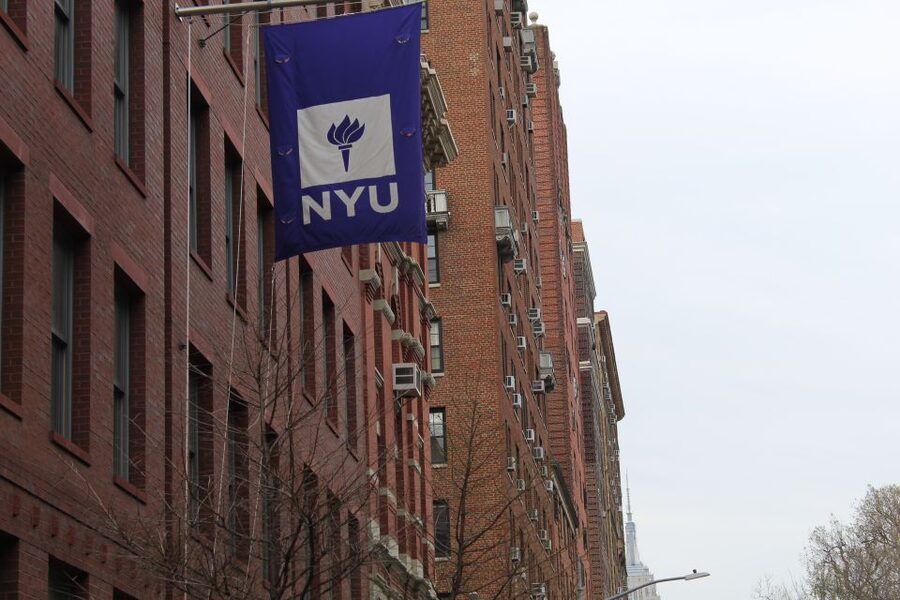
A tight 2-hour route. You cover a lot without feeling stuck in one neighborhood pocket.
Washington Square Park context. You learn how this space went from a former potter’s field to a hub for music and protest.
Triangle Shirtwaist Fire stop. The Brown Building visit connects 1911 tragedy to the American labor movement.
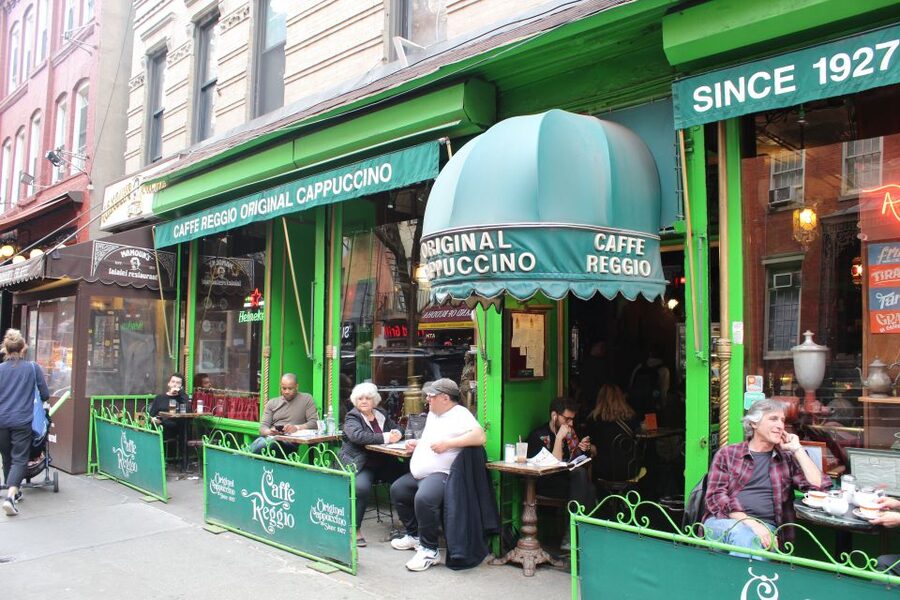
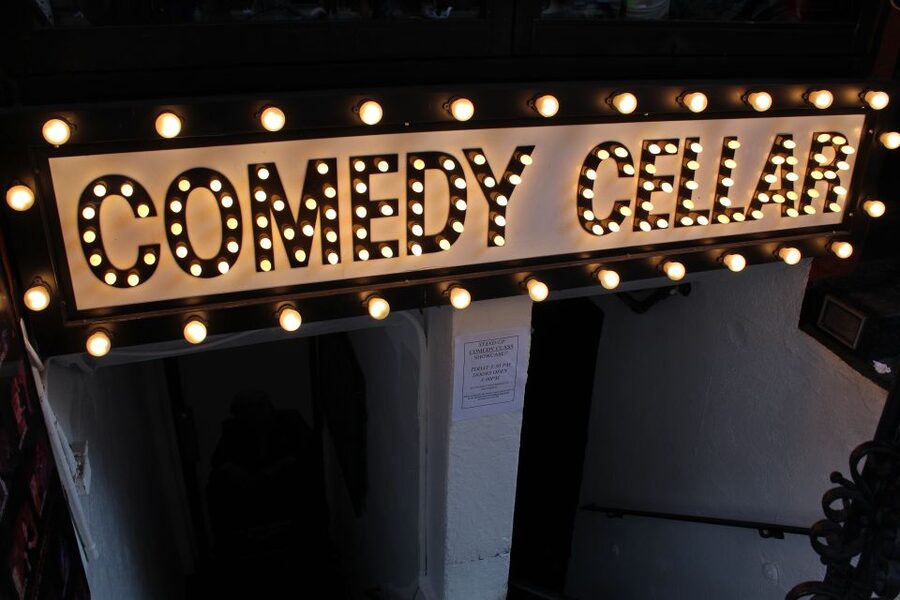
McDougal Street culture hits. You pass Cafe Wha, Cafe Reggio, and the Comedy Cellar along with a quick note on pizza.
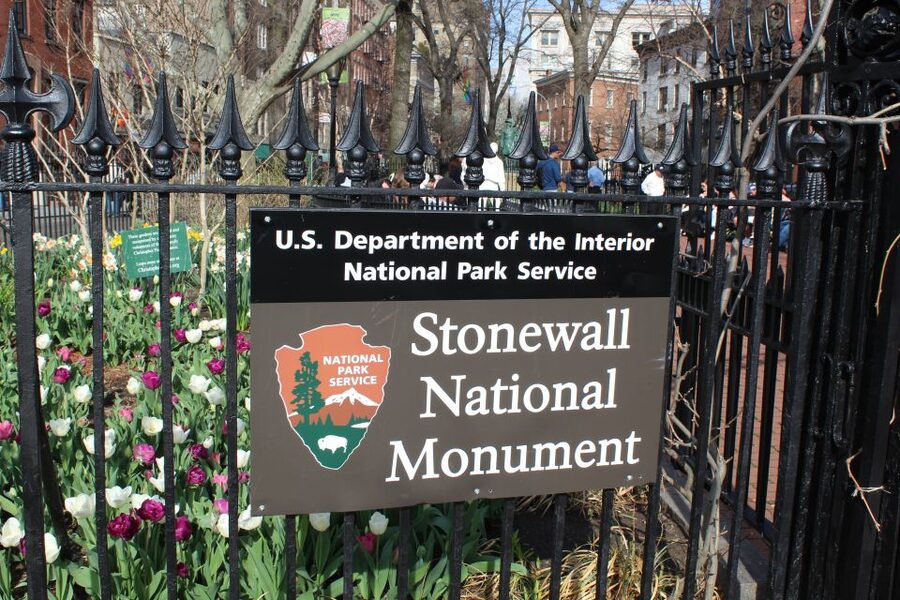
Stonewall Inn, 1969. You end with the riot that helped launch America’s Gay Rights Movement at the exact site.
Starting At Waverly Diner: A Quick Way to Get Oriented Fast
The tour starts at the corner of 6th Avenue and Waverly Place, right in front of Waverly Diner. This matters more than you might think. Greenwich Village is a grid until it suddenly stops behaving like one, so getting a clean beginning point helps you follow the story.
Within the first stretch, your guide sets up the Village as more than pretty streets. You get the big theme: people came here to create, argue, and reinvent themselves, and the neighborhood’s famous landmarks grew out of that habit. It is the kind of framing that makes every next block click into place.
This also explains the tour pacing. It is 2 hours, and it focuses on “what happened here and why it mattered,” not long detours. You will get enough time to look up at buildings, notice storefronts, and still keep moving.
You can also read our reviews of more tours and experiences in New York City.



Edgar Allan Poe House and the Washington Square Hotel: When the Village Loves Stories
One of the first stops is the area around the Edgar Allan Poe house. Even if you are not a die-hard literature person, Poe is a shortcut to understanding why the Village attracts writers. The guide uses the location to connect literary fame to everyday streets, not just to a book title.
Next comes the Washington Square Hotel. This is a smart move on a short tour, because the hotel sits right in the Village rhythm where visitors and locals mix. Your guide can talk about how a place like this becomes part of the neighborhood’s identity over time, even if you just pass by it today.
If you care about atmosphere, this early segment is where you start building it. You begin to see the Village as a stage set for people who want to be seen, heard, or remembered. That viewpoint makes the later stops land harder.
Washington Square Park: Potter’s Field to Protest Stage
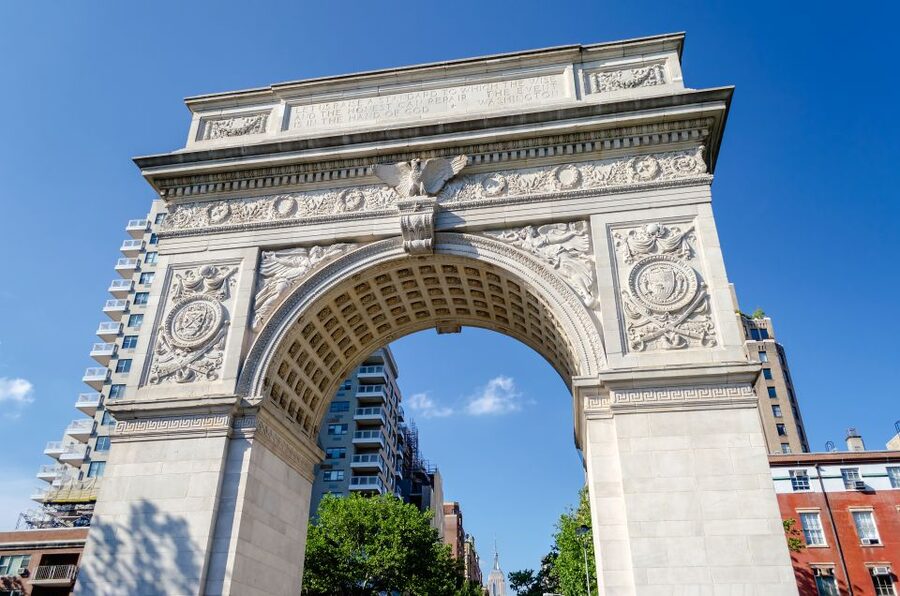
Then you hit Washington Square Park, and the tour pays off in a practical way. You do not just walk through and take pictures. You learn that this park was once a potter’s field, which adds weight to the place right away.
From there, the story shifts to why the park became a public stage. Over time, it turned into a destination for musicians and protesters, the kind of people who show up because they want an audience and they want momentum. The point is not to romanticize conflict or hardship, it is to understand how public space shapes culture.
I like that your guide explains the “how” and “why.” When you understand that the park’s purpose changed, it becomes easier to spot the pattern in modern-day street life. It is the same neighborhood, just with different causes and different performers.
Practical tip: bring your eyes as much as your camera. This stop rewards you for looking around, not only at the main paths. There is usually enough activity in the area to make the context feel alive.
The Brown Building Stop: The Triangle Shirtwaist Fire and Labor Rights
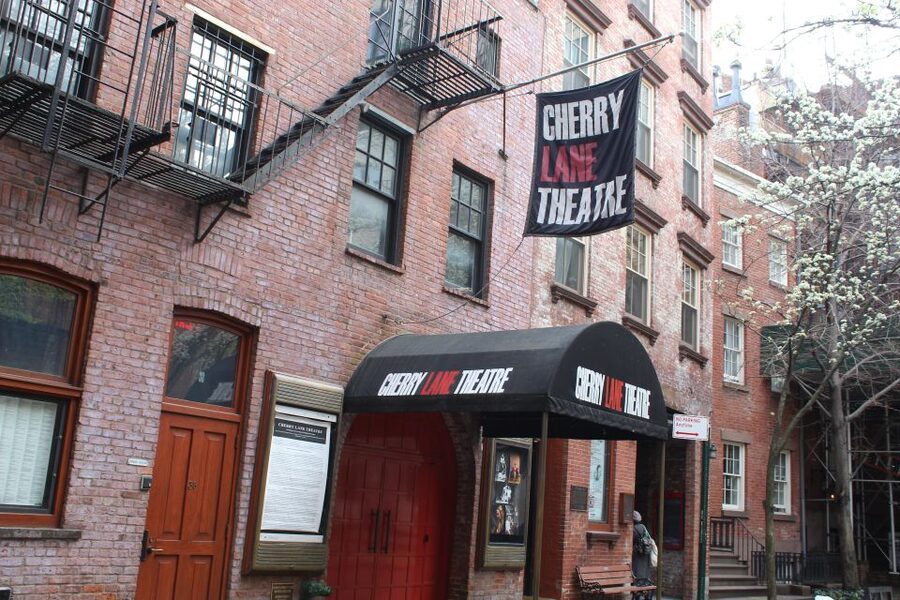
The tour then visits the Brown Building, tied to the Triangle Shirtwaist Factory Fire in 1911. This is one of those stops where a guide’s delivery matters a lot. Done well, you leave with more than a date. You grasp how tragedy can force change.
The tour focuses on what the fire led to, specifically its role in the American labor movement. That connection is valuable because it turns a historical event into a lesson about systems, safety, organizing, and power. You are not just learning what happened, you are learning why it echoed beyond one factory and one day.
A short walking tour cannot cover every detail, so the best guides pick the thread that helps you understand cause and effect. Here, the thread is labor rights and how workers gained more leverage. If you pay attention to that framing, the stop feels meaningful instead of heavy for heavy’s sake.
Caution for your pacing: this segment can feel emotionally intense. If you tend to get overwhelmed by big news-style history, take a moment during the walk to reset. You still get the full tour flow after.
McDougal Street Culture Run: Cafe Wha, Cafe Reggio, Comedy Cellar
After the labor stop, you walk up McDougal Street. This is where the tour balances the heavier history with pure Village creativity. You will see Cafe Wha and Cafe Reggio, and you also stop around the Comedy Cellar area.
These places matter because they represent how Greenwich Village became a magnet for performance culture. Not just famous performers, but the whole ecosystem around open mics, experimentation, and risk-taking. Your guide connects those venues to the neighborhood’s personality: people tried new ideas here because the community allowed it.
The tour also includes a note about where the best pizza in NYC is sold. The exact wording is part of the local flavor, and the point is practical. The Village is full of food options, but this helps you focus your next meal decision when you are hungry and already walking.
If you are the kind of traveler who likes a “food and fun checklist,” this section is for you. It is also a good break from concentrated history. You get to shift gears, look at storefronts, and hear how comedy and music grew alongside activism nearby.





Christopher Street to Stonewall Inn: 1969 and Gay Rights Movement History
The end of the walk heads down Christopher Street and ends at the Stonewall Inn. This is the most famous political and cultural landmark in the route, because a riot in 1969 here helped start America’s Gay Rights Movement.
On a good tour, this does not feel like a single plaque moment. It feels like a turning point pinned to real geography. Your guide likely connects Stonewall to wider themes of community visibility, fear and courage, and the cost of being treated unfairly.
I like ending here because it gives the whole tour a payoff. Earlier stops cover protest energy at Washington Square, the fight for worker safety and rights, and the Village’s role as a creative incubator. Stonewall ties those threads together into one idea: movements need places to gather, and the Village often acted as a gathering point.
If you want to keep the momentum after the tour, take your time at the final stop. Even if the route ends, you will understand what you are looking at. That makes your photos more than souvenirs.
Group Size, Pace, and What the Walk Feels Like
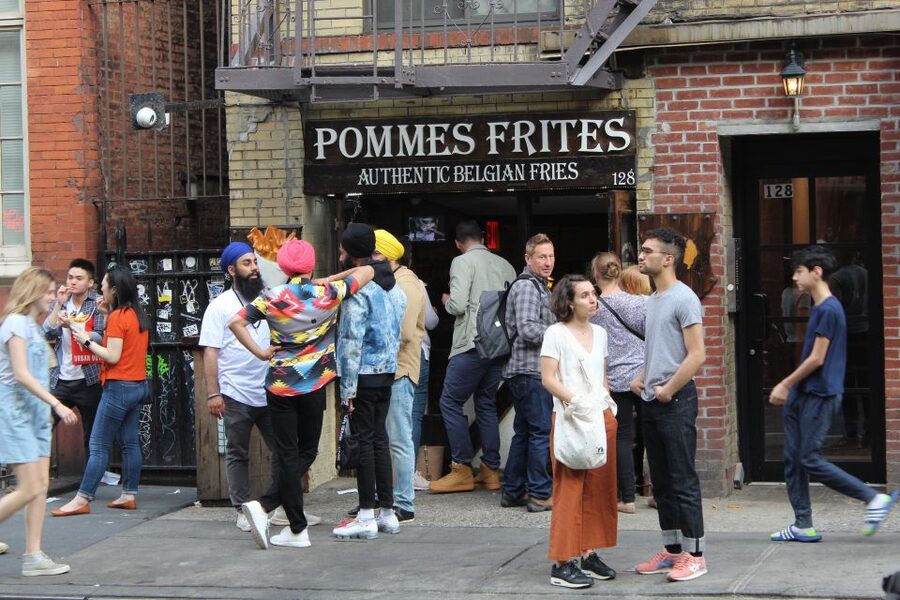
This is a small group tour, limited to 10 participants, and it is wheelchair accessible. The small size affects the experience in a positive way. It makes it easier for your guide to set pace, handle questions, and keep you from turning into a human stampede around tight corners.
The tour is also 2 hours, which is a sweet spot for Greenwich Village. You get enough time to move through multiple districts of the Village without feeling like you need a full day and a second pair of shoes.
What you should plan for is the walking itself. The tour says there is a reasonable amount of walking, and comfortable shoes are recommended for that reason. If you have mobility concerns, consider doing a slower self-guided day around the area afterward, so the tour acts as your orientation plus a few core stops.
Best fit: this tour works well for first-time visitors who want a sharp overview, and it also helps returning visitors notice connections they may have missed. If you like history that links to today, you will appreciate how the guide treats art, protest, and labor as part of one neighborhood story.
Price and Value for a 2-Hour Village Tour
The price is $47 per person for a 2-hour guided walk. For Manhattan, that is in the category of “worth it if you want context fast.” The value comes from the guide and the density of stops. You are not paying for hours of transportation or waiting around at a single attraction.
The tour is a local guide experience, with live narration in English. That matters because the payoff is the connections between stops, not just the stop list. You are learning why Washington Square became a gathering place, why the Brown Building matters, and why Stonewall is a worldwide reference point.
I also like the practical flexibility offered alongside the schedule. The tour includes free cancellation up to 24 hours in advance and a reserve now, pay later option. That makes it easier to book while keeping your day plans open, especially if you are juggling weather in the city.
Where value can vary is in what you personally want. If you only care about one or two icons and you hate walking, you may feel rushed. But if you enjoy a guided narrative with several key stops, this price feels fair.
Quick Prep Checklist Before You Meet the Guide
This tour is simple, but a little prep makes it smoother.
Bring:
- Comfortable shoes (you will thank yourself later)
- A weather-ready outfit, since it operates in most weather
Not allowed:
- Pets
- Weapons or sharp objects
- Oversize luggage, or luggage or large bags
Also remember: if you choose not to follow your guide or their instructions, it is not guaranteed you will be reunited with the group. That is worth taking seriously in a dense neighborhood where street corners look similar fast.
Should You Book This Greenwich Village Tour?
Yes, if you want a guided walk that explains why the Village became a home for artists and activists. You get a clean 2-hour loop with major anchors, from Washington Square Park to the Brown Building and ending at Stonewall Inn.
Book it if:
- You like stories that connect culture and politics on real locations
- You want an efficient way to understand the Village in one afternoon
- You prefer a small group format and a guide who keeps things engaging
Skip it, or at least adjust expectations, if:
- You hate walking and tight city pacing
- You want deep museum-level coverage at each stop
- You are traveling only during rough weather and cannot be flexible
If you do book, wear good shoes, dress for the weather, and show up ready to look up at buildings and listen closely. This tour is built for that. When you do, Greenwich Village starts making sense in a way that lasts well past the last photo.
FAQ
Where does the Greenwich Village Tour meet?
The tour meets in front of Waverly Diner at the corner of 6th Avenue and Waverly Place.
How long is the tour?
The tour lasts 2 hours.
What is the price?
The price is $47 per person.
Is the tour guided?
Yes, it is a live tour with an English-speaking guide.
How large is the group?
The group is small, limited to 10 participants.
Is the tour wheelchair accessible?
Yes, the tour is wheelchair accessible.
What should I bring?
You should wear comfortable shoes. The tour involves a reasonable amount of walking.
What is the cancellation policy?
You can cancel up to 24 hours in advance for a full refund.
Are pets allowed?
No, pets are not allowed.
More Tours in New York City



More Tour Reviews in New York City
Not for you? Here's more nearby things to do in New York City we have reviewed







More Greenwich Village Tours to consider.
 ★ 5.0Greenwich Village Food Tour with 6 Locals Favorites DishesTickets from $971,812 traveller reviews
 ★ 5.0Greenwich Village Walking and Food Tasting TourTickets from $941,572 traveller reviews
 ★ 5.0Artistic, Alternative Greenwich Village Walking TourTickets from $39971 traveller reviews
 ★ 5.0NYC Greenwich Village Italian Food Guided Walking TourTickets from $89627 traveller reviews
 ★ 5.0Greenwich Village Food Tour | Tasty Tours NYCTickets from $79549 traveller reviews
 ★ 4.5New York City Ghost Tour of Greenwich VillageTickets from $39466 traveller reviews
 ★ 5.0High Line Park and Greenwich Village Food TourTickets from $159398 traveller reviews
 ★ 4.8Greenwich Village Guided Walking TourTickets from $39300 traveller reviews
More useful New York routes