
Review · WALL STREET TOURS
Wall Street Insider Tour with a Finance Professional
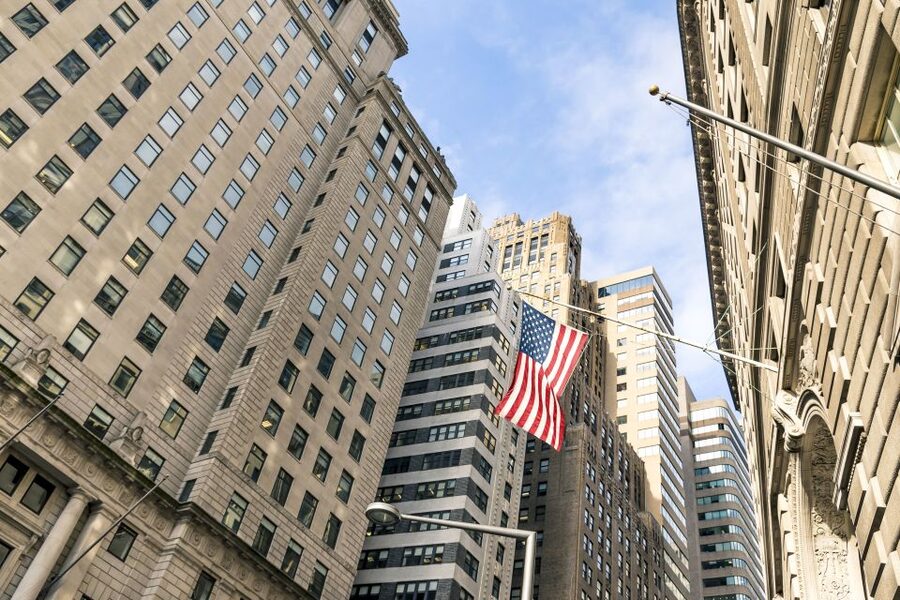
Want Wall Street stories from people who lived them? This tour turns Manhattan’s Financial District into a living classroom, guided by former traders, bankers, and brokers who talk like they’ve been there, not like they read a script. You’ll walk close enough to feel the scale of the institutions, while still getting the human side: immigrants, risk, rules, and the kind of drama that usually stays behind office doors.
I especially love the firsthand insider storytelling. Guides like Jess, Jose, and Emily bring personal perspective, from Wall Street career experience to a regulatory angle (Jess has SEC background mentioned in guide stories). I also love the high-contrast mix of icons and context, from the NYSE photo stop to Federal Hall’s national moment and the less-famous streets that shaped how money moved in New York.
One consideration: it’s a fast 75 to 90 minute walking route with several photo stops, so if you want long museum-style lingering at each landmark, you might find the pacing a bit tight.
Key highlights before you go
- Insider-only perspective from former Wall Street professionals, with real Q and A time in smaller groups
- NYSE and Federal Hall photo stops that connect finance to the founding of the nation
- Federal Reserve and Harry B Helmsley Plaza drop-off areas tied to where modern finance actually happens
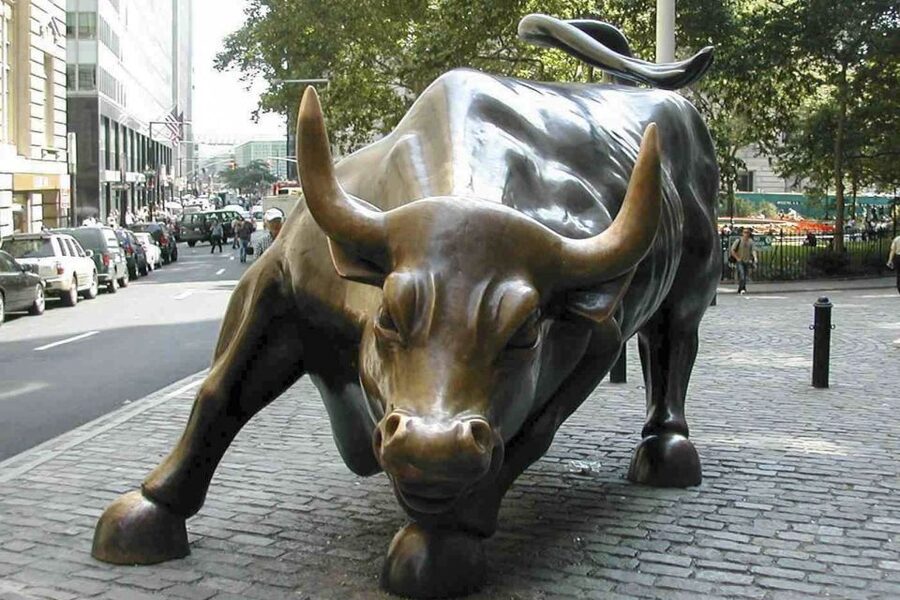
- Charging Bull and Stone Street for symbolism plus street-level history you can feel
- Immigrant stories about how people shaped financial institutions, not just how institutions shaped people
- A surprising cautionary tale about how even well-intended actions can leave loopholes
From Blue Bottle to Broad Street’s power corridor
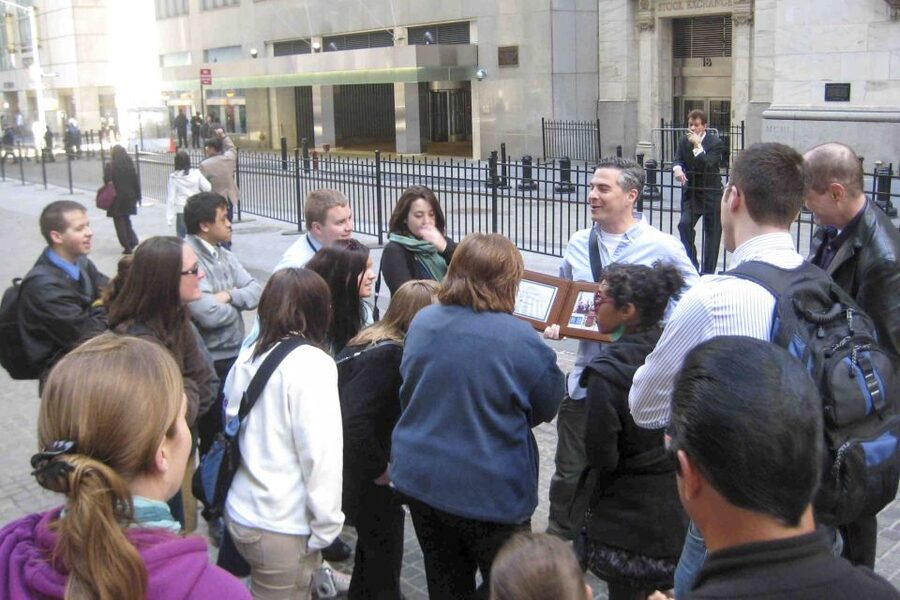
I like starting this tour at street level, and this one does it right. You meet your guide outside Blue Bottle Coffee, then you’re quickly in the real working rhythm of the Financial District, not the themed version. The route begins at 22 Broad St, which is a smart way to orient you. You get the skyline, the street grid, and the “this is where decisions get made” feeling early.
What makes this start valuable is that the guide sets expectations for how to read the area. You’re not just sightseeing. You’re learning how the neighborhood grew from a trading outpost into a global finance center, and how the buildings reflect that shift. The best guides also help you notice details you would otherwise walk past, like the difference between a public-facing landmark and an institution that feels closed-off on purpose.
If you’re the type who likes asking questions, this format is a plus. A review experience that stood out to me was how groups can be small enough that you can actually ask follow-ups. Even if your group is larger, plan on bringing a couple of questions about how markets work or how regulation changes incentives. The guides are set up for discussion.
You can also read our reviews of more tours and experiences in New York City.



The NYSE stop: architecture with a trader’s eye
At the New York Stock Exchange, you get a photo stop plus context, and that pairing matters. The NYSE is famous for its marble-and-columns look, but a first-time visitor can miss the bigger point. The building is a symbol of trust in a system that runs on uncertainty. When a former trader or broker explains it, you start to see why the design feels ceremonial. Markets need participants to believe there’s a structure underneath the chaos.
Here’s what you can do to make this stop more than a snapshot. When you get your photo, take ten seconds and look at the entrances and how people move around the perimeter. Then listen for your guide’s explanation about how the NYSE helped standardize trading and signaling. That’s the practical takeaway: behind the glamour, it’s about coordination and credibility.
Some guides also bring humor and personal anecdotes into the mix. One review mentioned a guide named Eric Mossman who also works as a stand-up comedian, and that kind of voice helps the story land without turning into a lecture. If you’re worried that finance tours can feel dry, this stop is usually where the mood shifts from history to storytelling you actually remember.
Wall Street itself: where drama meets the street grid
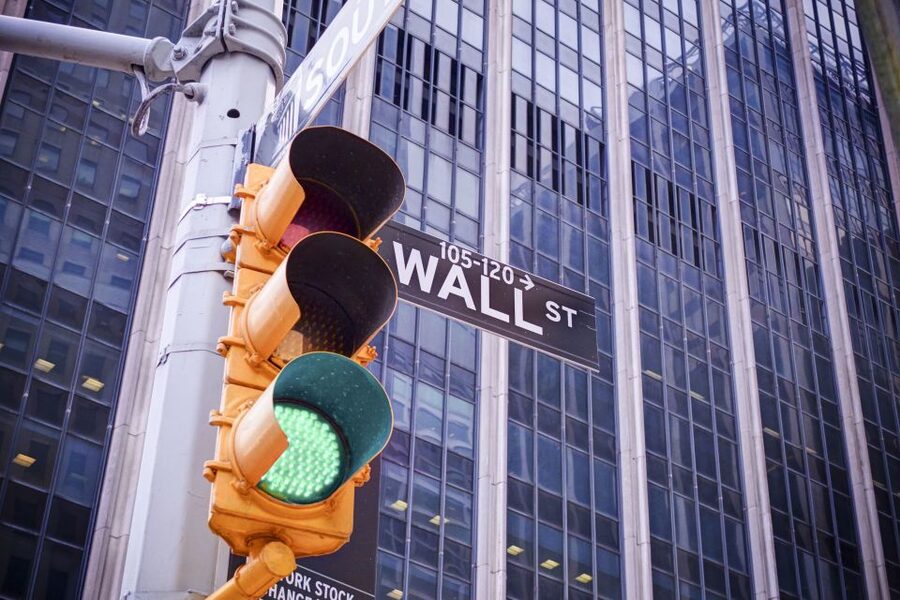
The tour moves into “Wall Street proper,” with another photo stop and guided walking time. This is where the experience becomes more than a highlight reel. Your guide ties what you see on the sidewalks to how finance operates: the idea that proximity, reputation, and rules all matter.
I also like that you’re not only hearing about the biggest players. The tour story focuses on immigrants who helped shape financial institutions. That angle makes the neighborhood feel less like an elite club and more like a magnet that drew people with ambitions and skills. You start to understand that the financial system wasn’t built by one kind of person. It was built by many, often adapting to opportunity and hardship.
One of the most memorable moments built into the tour concept is a cautionary tale about a cleanup effort with the best intentions that still let criminals evade detection for over a century. You don’t need to know details beyond what your guide shares, but you should listen for the takeaway. It’s a lesson about incentives. When you change the surface, you don’t automatically fix what’s underneath.
Federal Hall and Washington’s inauguration: finance as nation-building
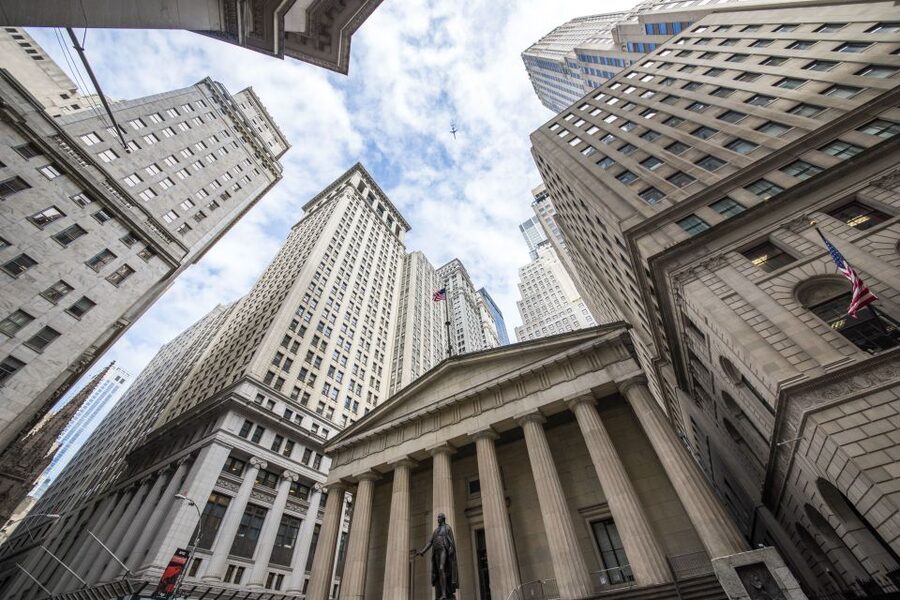
Federal Hall is a high-value stop, and it’s not just because it’s famous. This is where the tour ties Wall Street to the founding story of the United States. You’ll be at the location associated with where Washington was inaugurated as president. Hearing that connection while standing in the Financial District gives you a bigger frame for why money and politics have always been tangled.
For me, this is the moment where the tour earns its name “insider.” A guide with Wall Street work experience can connect the dots between public legitimacy and private finance. Markets need confidence not only in companies, but in the rules of the game. Federal Hall represents the early push for stable governance, which is the kind of stability finance later depends on.
Also, the architecture helps. Federal Hall’s setting makes it easy to picture the early days of New York as a trading outpost. Even if you’ve never taken a history tour before, your guide will likely translate the timeline into street-level meaning. You’ll leave knowing that the Financial District is not just modern skyscrapers and headlines. It’s built on older political decisions too.
Stone Street Historic District: the small street that explains the big money
Stone Street Historic District is one of those places that feels like a time machine, but you don’t need to romanticize it. The value here is in how your guide connects it to commerce. This is the kind of stop where you can look down at the street and imagine how goods, people, and information moved in earlier centuries.
The tour treats it as more than scenery. Expect a guided walk and explanation about what made the area practical for trade and settlement. It also helps you understand why the Financial District shaped behavior. When people gather where transactions happen, culture and networks form too. That’s part of why today’s institutions can feel both powerful and oddly personal.
If you’re a detail person, this is a good time to ask about the “why” behind specific buildings or street patterns. Guides tend to have crisp explanations because they live with the layout, even if they’re not always in the same way as traders are. And if your guide is the type who shares personal stories, this stop often becomes the bridge between history facts and real-life “how it feels” descriptions.





Charging Bull: symbolism, not just a photo
Charging Bull is where the tour shifts into more recognizable pop culture. Yes, you’ll have a photo stop and some guided explanation, but try not to treat it as just a selfie moment. The bull is a symbol people project onto. Your guide helps you read it in context.
This is another moment where having a finance professional matters. A trader or broker can talk about the way symbols work in markets: optimism, momentum, and collective emotion. You’re not learning stock tips. You’re learning how mood travels.
Also, if you like people-watching, this is the place to do it for a minute. Look at how visitors move and pose, then listen for how your guide explains the bull’s meaning in the street’s economy. It’s a simple stop, but it can stick with you because it’s memorable and easy to connect to bigger themes you heard earlier.
Trinity Church: the moral backdrop to a profit-driven world
Trinity Church shows up as another photo stop, but I’d treat it as a pause for perspective. The Financial District can feel like pure ambition, and a church in the middle of that can feel like contrast for its own sake. The tour nudges you to see it as part of the story, not an interruption.
Expect your guide to connect the presence of major institutions to the social framework around commerce. Churches, civic buildings, and public spaces helped shape community identity. That identity mattered for trust, charity, and the shared rules that allowed trade to scale.
I like this stop because it balances the tour emotionally. If you’ve come in thinking Wall Street is all spreadsheets and cold decisions, Trinity Church gives you a reminder that societies build the stage where business happens. Even if you don’t focus on religion, you can pay attention to the way public institutions coexist with financial power.
Federal Reserve area and the walk’s practical ending
The tour includes Federal Reserve Bank of New York as a drop-off area, plus Harry B Helmsley Plaza as another possible ending point. That matters because it changes how you plan your next move. If you want to continue exploring, look at the Federal Reserve area as a logical continuation rather than a random last stop.
Why include the Fed at all? Because it’s one of the few places in the district where the mission is clear: shaping monetary conditions. Your guide’s insider framing helps you connect the Fed’s role to the bigger theme of rules and incentives. Even if you don’t leave with a textbook explanation of policy, you’ll probably leave with a clearer sense of why institutions like the Fed can influence behavior across markets.
Also, ending near a major plaza gives you an easier way to re-enter the city. You’re not stuck wondering how to get out. You can plan a meal or subway connection based on where you’re released.
Price, time, and value at $39 for 75 to 90 minutes
At $39 per person for a 75 to 90 minute walking tour, the value mostly depends on what you’re buying. You’re not paying for a long museum itinerary. You’re paying for access to lived experience and a tight route that hits major landmarks without wasting time.
Here’s how I’d judge the price as a traveler. If you want Wall Street facts only, you can find them online for free. But if you want interpretation, you need a guide who can connect dots: the founding era, the growth of markets, the role of regulation, and the human behavior behind the symbols. This tour is built for that kind of sense-making.
The duration is also a smart fit for busy days. Seventy-five to ninety minutes is long enough to cover the core sights, but short enough that you’re not trapped in a half-day. If you’re arriving in New York for the first time and want orientation fast, this is a good use of time.
One more value point: the tour is described as wheelchair accessible, and it’s designed as a walking experience with photo stops rather than a multi-venue marathon. If mobility is limited, you’ll still want to gauge how comfortable you are with standing at stops, but the structure is built with access in mind.
Who should book this Wall Street Insider Tour
I think this tour is best for three types of people.
First, book it if you want finance explained through human stories. If you’ve ever wondered why markets feel irrational, you’ll like how insider experience turns theory into real-world incentives.
Second, it’s great if you’re a history-and-architecture person who’s tired of only getting dates. You’ll see the NYSE, Federal Hall, Charging Bull, and Trinity Church, but the payoff is the interpretation, not the postcard view.
Third, it fits couples, solo travelers, and small groups who want a guided route without a long commitment. The pricing and tight timing work well for first-day planning, and some guides seem to run tours in smaller groups often enough that questions get answered clearly.
If you’re looking for hands-on trading simulations or heavy technical finance, this is probably not your match. The focus here is story, context, and what these institutions represent.
Should you book this Wall Street Insider Tour?
Yes, you should book it if your goal is to understand the Financial District like a working insider would, not like a textbook version. The biggest reason to go is the blend of firsthand Wall Street professional storytelling with landmark stops that actually matter: NYSE, Federal Hall (including Washington’s inauguration connection), Stone Street, Charging Bull, Trinity Church, and the Federal Reserve area.
I’d skip it only if you prefer long, quiet museum time at each site or you want deep, technical finance instruction. Otherwise, it’s one of the more practical ways to make sense of Wall Street in under two hours, with guides who bring personality, humor, and real-world perspective into the walk.
FAQ
How long is the Wall Street Insider Tour?
The tour lasts about 75 to 90 minutes.
Where do I meet the guide?
Meet your guide outside Blue Bottle Coffee.
What stops are included during the tour?
The tour includes photo stops at the New York Stock Exchange, Wall Street, Federal Hall, Stone Street Historic District, Charging Bull, and Trinity Church, plus drop-off locations near the Federal Reserve Bank of New York and Harry B Helmsley Plaza.
Is pick-up or drop-off included in the price?
No pick-up or drop-off is included, but the tour lists two drop-off locations.
Is the tour offered in English?
Yes, the tour is in English.
Is the tour wheelchair accessible?
The tour is wheelchair accessible.
Are there options for private groups?
Yes, private group options are available.
What is the cancellation policy?
Free cancellation is offered up to 24 hours in advance for a full refund.
Is reserve and pay later available?
Yes, you can reserve now and pay later.
More Tours in New York City




More Tour Reviews in New York City
Not for you? Here's more nearby things to do in New York City we have reviewed











More Wall Street Tours to consider.
 ★ 4.5NYC City Tour: Statue of Liberty, 9/11 Memorial, Wall StreetTickets from $392,059 traveller reviews
 ★ 4.5Wall Street Insider Tour with a Finance ProfessionalTickets from $39571 traveller reviews
 ★ 5.0Manhattan Group Tour Including Wall Street and 911 MemorialTickets from $39408 traveller reviews
 ★ 4.6Wall Street Tour with 9/11 Memorial and Statue FerryTickets from $39367 traveller reviews
 ★ 4.9Wall Street and Financial District Walking TourTickets from $34284 traveller reviews
 ★ 5.0How Money Was Made Wall Street Walking TourTickets from $49185 traveller reviews
 ★ 5.0Wall Street and Financial District Walking TourTickets from $34116 traveller reviews
 ★ 5.0Wall Street, Financial District Walking Tour Lower Manhattan, NYCTickets from $39108 traveller reviews
More useful New York routes