
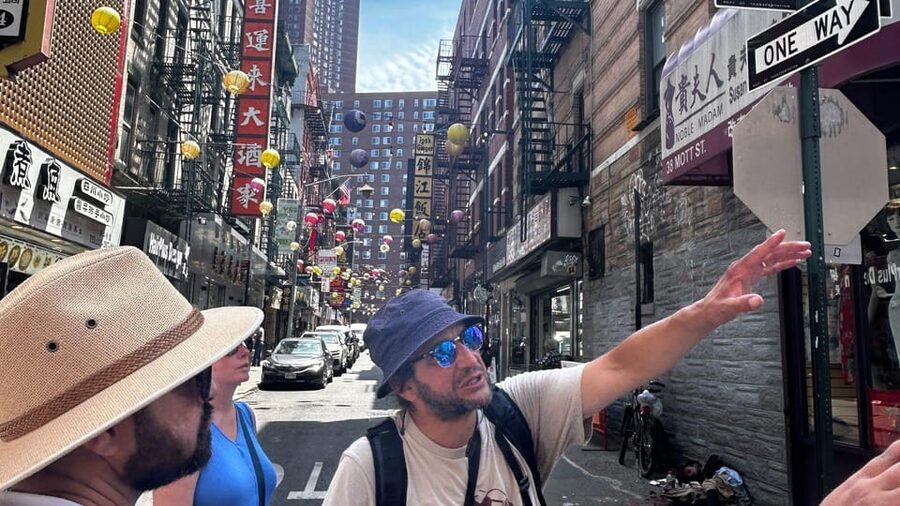
Review · CHINATOWN & LITTLE ITALY TOURS
NYC: Chinatown & Little Italy Food Tour (4 Food Stops Incl.)
Four tastings, two neighborhoods, big stories. This Chinatown and Little Italy walk pairs dim sum with real immigrant-street context on Mott and Mulberry Streets, so you taste and you learn at the same time. I like that it is built around classic stops, not random sampling.
Two other things I really like: the guide style and the pacing. The tour runs tight, includes multiple guided moments like photo stops and street walks, and you get a clear plan for when to eat, when to look, and when to hear the background. It also feels like good value because the tastings are part of the ticket price.
One consideration before you book: this tour is not suitable for vegans, vegetarians, or gluten intolerance. If you need meat-free or gluten-free options, you might want to choose a different tour route.
Key things you will notice on this Chinatown and Little Italy food tour
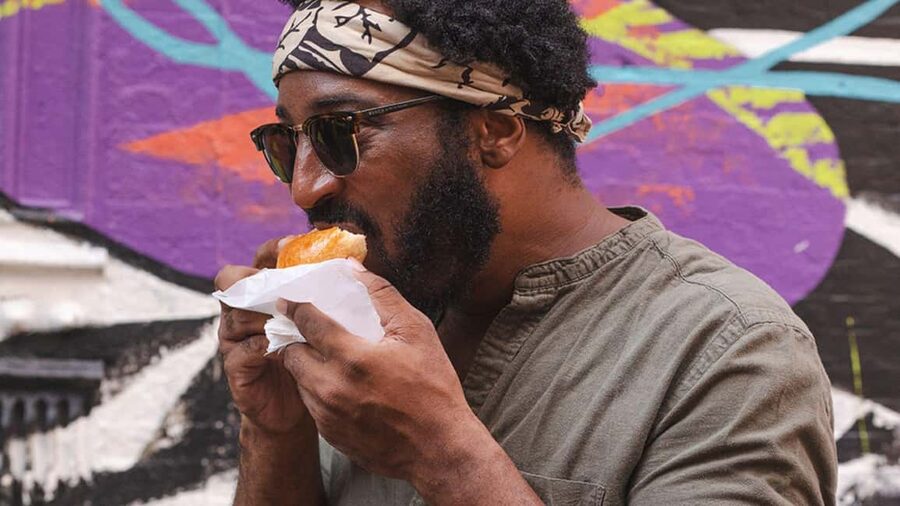
- Mei Lai Wah baked buns: dim sum tradition from a family bakery that has been a go-to since the late 1960s.
- Mott Street Fish Market: an informal market stop with fresh seafood and produce, popular with locals.
- Doyers Street murals: a street known as Murder Alley in 1900, now famous for murals and restaurants.
- Shanghainese soup dumplings at Supreme Restaurant: a signature item that fits the area’s Chinese food story.
- Italian classics at the finish: New York-style pizza flavors and a cannoli finale at Caffé Palermo, home of the Cannoli King for 51 years.
Two hours in old Manhattan: why the timing works
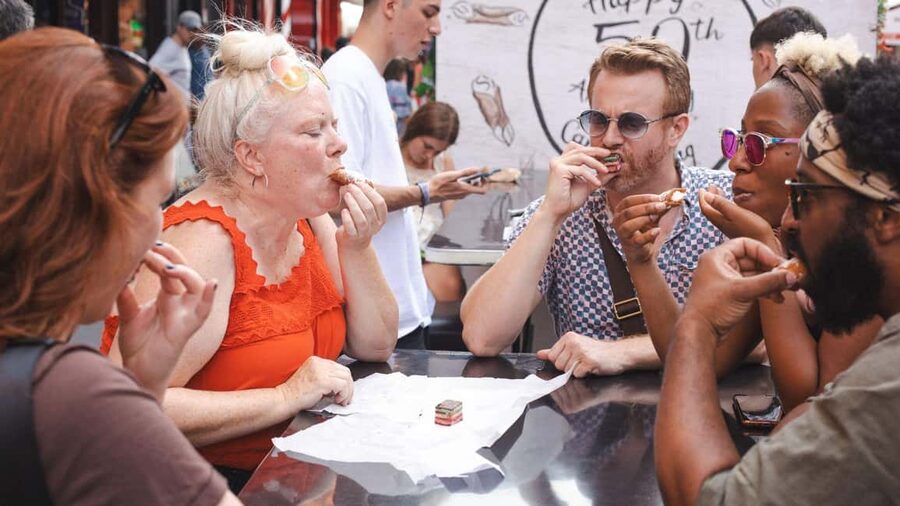
A lot of food tours get long and sloppy. This one stays focused, because it is designed around a short walking loop with four tastings included plus guided neighborhood moments. That matters if you have limited time in New York, or if you do not want your day to turn into a marathon of standing in line.
At 2 hours total, you can realistically pair it with other plans the same day. I also like that the pace leaves room to actually look around. Chinatown and Little Italy can blur together fast when you are sightseeing on your own, but the guide keeps you oriented with street names, photo moments, and a running sense of what you are seeing.
The price is $95 per person, which sounds steep until you think about what you are paying for: a licensed professional guide plus multiple organized tastings in two food-heavy neighborhoods. You are not just buying snacks. You are buying structure, context, and a handoff from place to place so you do not have to guess where to go next.
You can also read our reviews of more food & drink experiences in New York City
Meeting at Baxter and Canal, then walking into immigrant streets
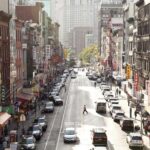
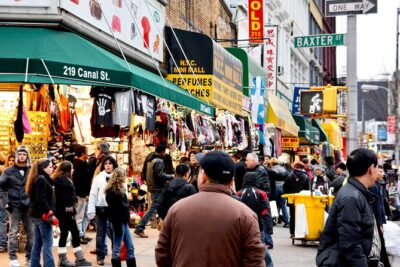
The tour starts from the Chinatown Information Kiosk at the corner of Baxter and Canal Street, with 101 Baxter St also listed as the start point. From there, you spend time around historic streets like Mott and Mulberry, which are tied to the big wave of immigrants arriving in the 1800s.
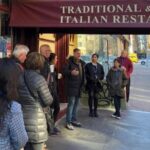
What I like about this approach is that you get a sense of the neighborhood as something lived in, not just photographed. The guide helps connect street corners to community life, and that makes the food stops feel less random. You are tasting what people built their days around, not just what sounds good on a menu.
You also get a look at architectural and cultural details along the way. The route specifically flags the Church of the Transfiguration, completed in 1801, which has served immigrant groups in the neighborhood for over 200 years. Even if you are not a church-history person, you will probably notice the contrast between calm street scenes and how much community meaning is packed into a small footprint.
Stop one that sets the tone: dim sum from Mei Lai Wah
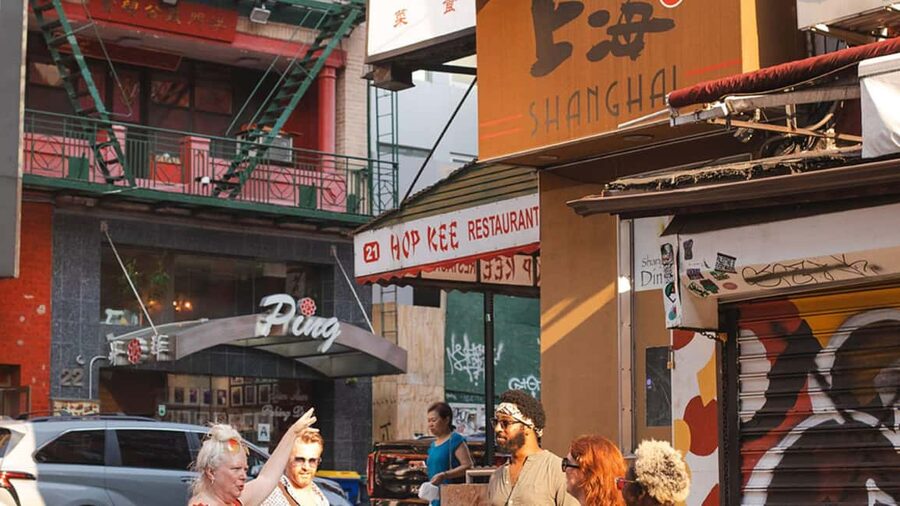
One of the best reasons to do a Chinatown food tour is that dim sum is not just a dish, it is a food culture. This tour leans into that with a tasting at Mei Lai Wah, described as a family bakery that has been the go-to spot for baked buns since the late 1960s.
Why this matters to you: baked buns and dumpling styles are a quick way to understand how the neighborhood’s Chinese food evolved and stabilized over time. Even if you think you already know what you will get, this kind of bakery-based stop usually helps you taste the difference between what is cooked for speed and what is cooked for consistency.
Practical tip: when you arrive hungry, you will enjoy this stop more. When you arrive already full, baked goods can feel like a lot in a short window. This tour keeps the schedule tight, so give yourself enough room to taste without forcing.
Doyers Street and the art of looking up
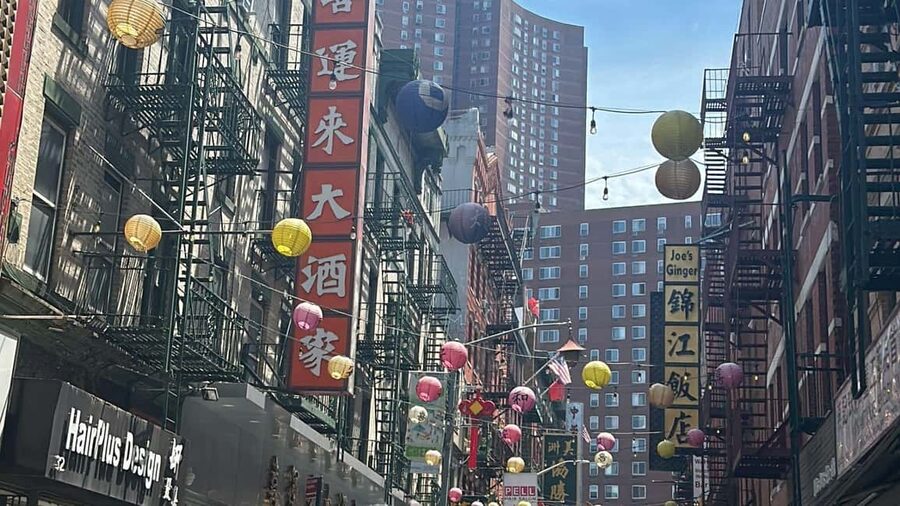
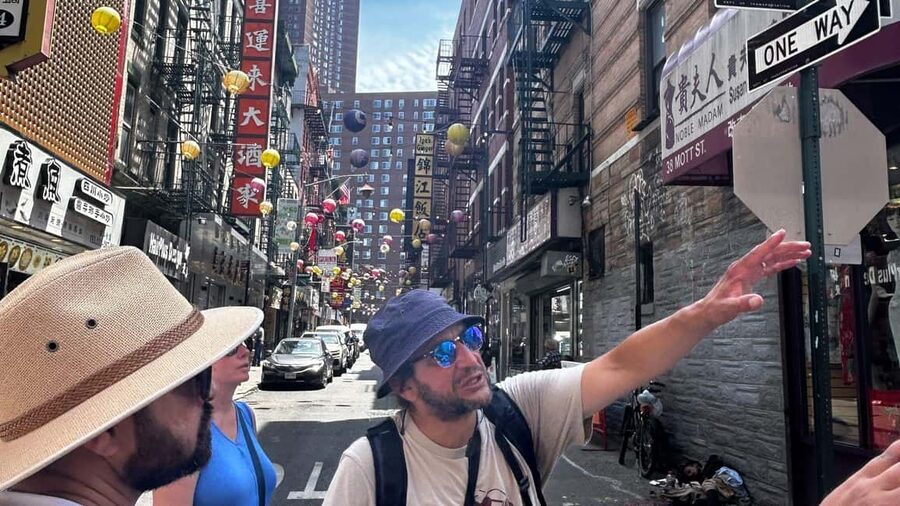
After you get oriented, the tour moves through Chinatown with built-in visual moments. Doyers St is called Murder Alley in 1900, and today it is known for murals and restaurants. That is a fun change of pace because it turns the walk into more of a street-culture experience, not just a food checklist.
For me, the key value here is how quickly the guide helps you read the street. You start noticing narrow views, repeating design details, and the way small restaurant signs and mural art shape the energy of a lane. If you are only passing through, this kind of guided noticing is exactly what you miss on your own.
You will also do photo stops, which can be useful even if you are traveling light. It helps you avoid that awkward moment of trying to frame a shot while everyone else is already moving.
A market stop you can smell: Mott Street Fish Market
Then you shift gears with a food market visit at Mott St Fish Market. The tour describes it as an informal market made up of shops selling fresh-caught fish, seafood, fruits, and vegetables. It is popular with Chinatown locals and foodies who know where to look.
This is not a tasting stop in the same way a bakery or pizzeria is, but it is valuable. Markets teach you what “fresh” actually looks like in a working neighborhood. You learn how produce and seafood are displayed, and you get a sense of how locals shop when they are not optimizing for tourist comfort.
Practical consideration: market areas can get busy and can be a little intense on the senses. If you are sensitive to strong fish smells, come prepared mentally. Also, wear shoes you can stand in, because a market visit can mean more lingering than a restaurant stop.
More NYC tours and experiences for the shortlist

Supreme Restaurant: soup dumplings with a Shanghainese focus
The tour includes time around Supreme Restaurant, described as a small, laidback Shanghainese restaurant known for signature soup dumplings. This is one of those stops where the food choice does most of the storytelling for you.
Soup dumplings are not just about flavor. They connect to technique, texture, and the idea that dumplings are meant to be experienced carefully. Even if you do not obsess over technique, you will probably taste the difference between a dumpling meant to be rushed and one made for a slower, more deliberate bite.
I also like that the tour does not treat Chinatown as one single “Chinese food” category. The Shanghainese mention helps you taste variety within the wider Chinese food world in the neighborhood.
Di Paulo’s Fine Foods and the Italian rhythm of Little Italy
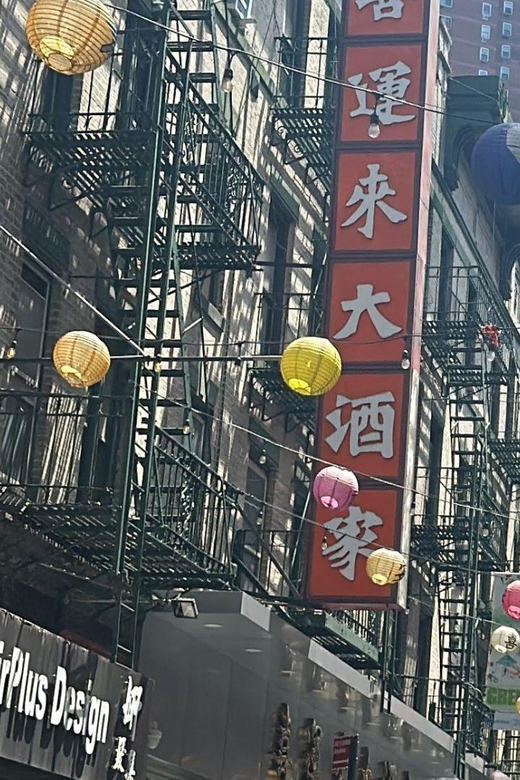
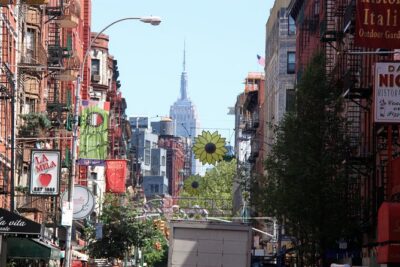
Once you cross into Little Italy, the tone changes. The tour highlights Italian food institutions and keeps pulling you through places that feel old in the best way, like you are walking alongside families who have been serving the block for generations.
You may pass through or reference Di Paulo’s Fine Foods, an importer of Italian meats and cheeses that has been family-owned and operated since 1925. That kind of longevity matters for food travel. It suggests continuity, and it explains why certain Italian favorites feel more settled here than in places where restaurants change every few years.
You might also see Cafe Roma, a Little Italy institution owned and operated by the same family since 1891. Even without a full sit-down meal, these names help you understand the neighborhood’s identity is built on repetition. People return, not just because of hype, but because the food and the service rhythm are consistent.
Nolita Pizza: a newer stop with serious local pull
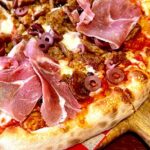
For pizza, the tour points to Nolita Pizza, described as a relative newcomer that has quickly captured hearts and taste buds. It also notes strong Google reviews and popularity for Instagram-worthy moments.
This stop is a useful reminder that neighborhoods are not frozen museums. Even in areas with deep roots, new places can become part of the community story fast. If you love trying what is “next” without leaving the historic context, this pizza stop gives you that.
Practical tip for pizza on a tour: take a pause before you start chewing. Pizza tastings can happen quickly across a schedule, and if you race through it, you miss the point. I like doing the first bite slowly, then speeding up. It keeps the flavors clearer.
The finale that wins everyone over: Caffé Palermo Cannoli King
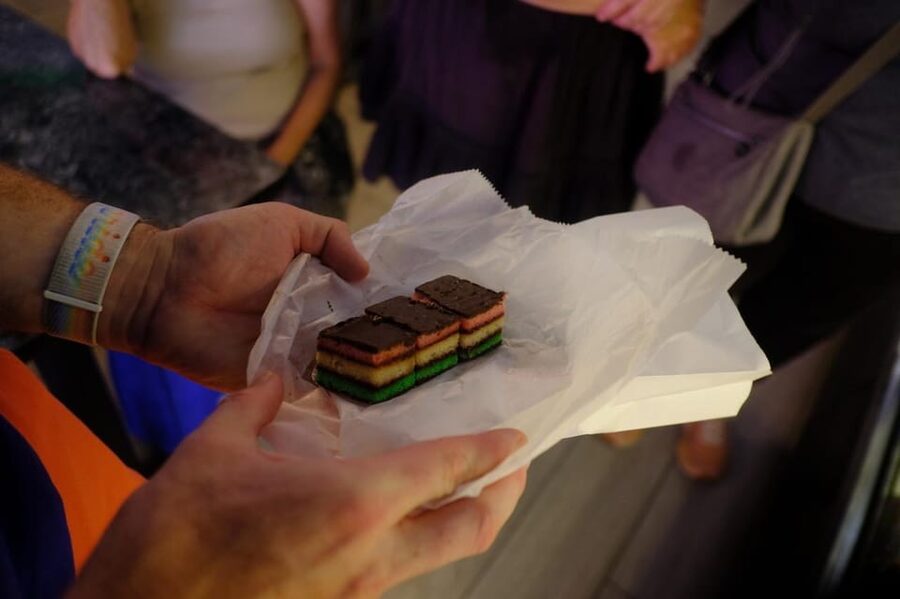
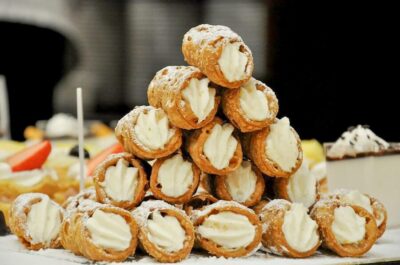
The tour finishes at Caffé Palermo, home of the Cannoli King for 51 years. It is one of the clearest “end on a high note” picks in the whole route.
A cannoli is a perfect closing food because it is sweet, filling, and easy to share without needing a fork-and-knife situation. It also gives you a clean flavor contrast from the salt and dumpling flavors of Chinatown. If you came here mainly for savory bites, the cannoli is the payoff that makes the whole tour feel balanced.
And if you love dessert history, this is one of the few tour stops that is built around a long-running identity, not just a single menu item. Fifty-one years of being known for cannoli is a big deal in a city where food trends move fast.
What you get for $95: tastings, guide, and built-in neighborhood context
This is where I think the value math works out. At $95, you are not buying a vague “food walk.” You are buying:
- two tastings of traditional Chinese dishes in Chinatown
- two tastings of Italian pizza and dessert in Little Italy
- a licensed, professional English guide
That combination is what keeps the tour from feeling like a DIY scramble. You get someone to guide you through what to eat and when, plus the street context that explains why these specific places became staples.
The structure also reduces guesswork. In neighborhoods like this, “where should I go” can become a rabbit hole. This tour hands you a path, so you spend less time comparing menus and more time enjoying the food.
One more subtle value point: because the tastings are built into the tour, you do not have to keep mentally calculating what each bite costs. That makes it easier to stay in the moment.
The walking and comfort checklist (so you enjoy every stop)
No need to overthink it, but do plan for comfort. This is a short food tour, but it still includes walking between multiple streets and stops, plus a market visit where you might stand and look longer than you expect.
I recommend:
- wear shoes you can stand in
- bring a refillable water bottle if you like staying hydrated
- if you have a dietary restriction, check fit first, because this tour is not suitable for vegans, vegetarians, or gluten intolerance
If you show up with a big appetite and decent walking stamina, you will get the most from the two-hour schedule.
Who should book this Chinatown and Little Italy food tour?
Book it if you want:
- a 2-hour organized way to experience Chinatown and Little Italy
- a guide who tells stories while you eat
- four tastings across Chinese and Italian classics, ending with a cannoli
Skip it if:
- you are vegan or vegetarian
- you have gluten intolerance
- you want a fully customized menu based on allergies or dietary needs (the tour data here does not suggest tailored options)
It also works well for first-time visitors who want a fast hit of two big neighborhoods without needing to do a lot of map work. If you like your food tourism with a bit of context, this style fits.
Should you book this Chinatown and Little Italy food tour?
If you are the type who loves getting your bearings fast and tasting your way through a neighborhood, I think this tour is a smart pick. The best parts are the structured tastings and the fact that you get both Chinese and Italian food anchors, with a real neighborhood-story vibe as you walk.
My “yes” comes down to this: Mei Lai Wah for baked buns, a Chinatown market stop, and the cannoli finale at Caffé Palermo. That is a clear, memorable arc in just two hours, guided by a licensed English professional.
If your dietary needs fall outside the tour’s fit, then save your money and choose something else. But if you can eat typical Chinese and Italian staples, this is the kind of tour that turns a quick New York afternoon into a story you can actually taste.
FAQ
How long is the NYC: Chinatown & Little Italy Food Tour?
The tour lasts 2 hours.
How much does the tour cost?
It costs $95 per person.
How many food tastings are included?
It includes two tastings of traditional Chinese dishes in Chinatown and two tastings of Italian pizza and dessert in Little Italy.
Where does the tour start?
The tour begins from the Chinatown Information Kiosk at the corner of Baxter and Canal Street (101 Baxter St is also listed as a starting location).
Where does the tour end?
The activity ends back at the meeting point, and Caffé Palermo is listed as the finish location.
What types of food will I taste?
You can expect traditional Chinese dishes such as dim sum (including baked buns and dumplings), New York-style pizza, Italian dessert, and cannoli.
Is the tour suitable for vegans or vegetarians?
No. It is not suitable for vegans or for vegetarians.
Is it suitable for people with gluten intolerance?
No. It is not suitable for people with gluten intolerance.
What language is the tour guide?
The tour is guided in English by a licensed, professional guide.
Is gratuity included in the price?
No. Gratuity is not included.
Is free cancellation available?
Yes. You can cancel up to 24 hours in advance for a full refund.
Can I reserve now and pay later?
Yes. Reserve now & pay later is available.
More Food & Drink Experiences in New York City
More Tours in New York City






More Tour Reviews in New York City



Not for you? Here's more nearby things to do in New York City we have reviewed








More Chinatown & Little Italy Tours to consider.
 ★ 5.0SoHo, Little Italy, and Chinatown Walking Tour in New YorkTickets from $393,153 traveller reviews
 ★ 5.0Chinatown & Little Italy Food Tour with 7 Flavorful TastingsTickets from $992,733 traveller reviews
 ★ 5.0Original NYC Guided Food Tour of Chinatown and Little ItalyTickets from $1302,194 traveller reviews
NYC Food Tour: Chinatown and Little ItalyTickets from $991,090 traveller reviews
★ 5.0Original NYC Guided Food Tour of Chinatown and Little ItalyTickets from $1302,194 traveller reviews
NYC Food Tour: Chinatown and Little ItalyTickets from $991,090 traveller reviews
 ★ 4.7Chinatown and Little Italy Food TourTickets from $80703 traveller reviews
 ★ 4.7SoHo, Little Italy, and Chinatown Guided TourTickets from $30614 traveller reviews
 ★ 4.6SoHo, Little Italy, and Chinatown 2-Hour Guided WalkTickets from $39566 traveller reviews
 ★ 5.0SoHo, Little Italy, and Chinatown NYC Guided Walking TourTickets from $36443 traveller reviews
More useful New York routes