
Review · NEW YORK CITY TOURS
Sushi Workshop for Home Chefs in NYC
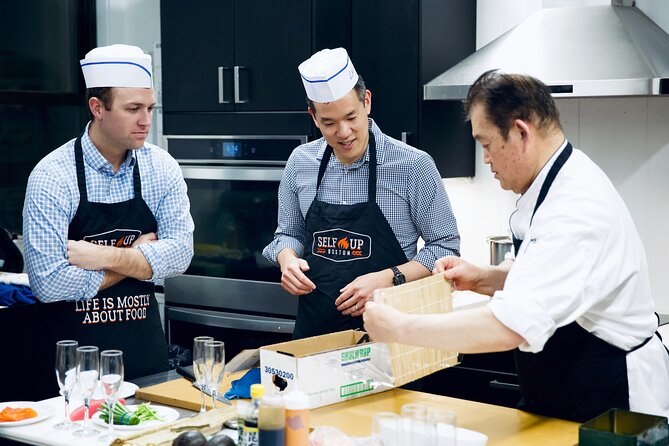
Sushi night, upgraded to hands-on. This NYC sushi workshop teaches you the practical moves for making sushi rolls and eating them the right way, with instruction in English and a sit-down feast at the end. In a small class up to 20 people, chefs like Oliver and Danny keep the energy focused and fun.
I love that the class actually centers on technique you can reuse at home, not just watching. You’ll work on hand rolling and stuffing rolls with help that makes the steps feel doable, even if you are not a sushi regular.
One possible drawback to plan for: the pacing can be a bit quick, and there have been suggestions for clearer sushi rice guidance and a smoother approach around a vinegar step. If you want extra help, come ready to ask.
Key highlights you will care about
- Up to 20 people so you get real attention, not just a demo vibe
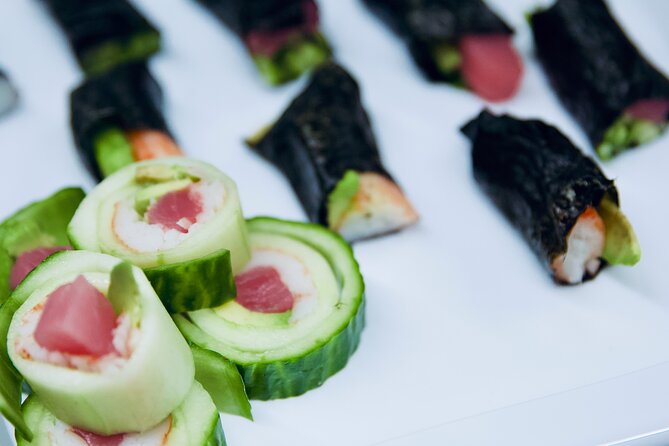
- Hand rolling and stuffing rolls with chef coaching you can copy later
- Presentation tips that help your sushi look as good as it tastes
- Chopstick instruction for better eating at the table
- Professional, funny chef teams like Oliver and Danny, plus Chris and Armando
- A sit-down meal so you feast on what you made, with a sweet take-home touch like cookies
A sushi workshop for real home cooks, not sushi tourists
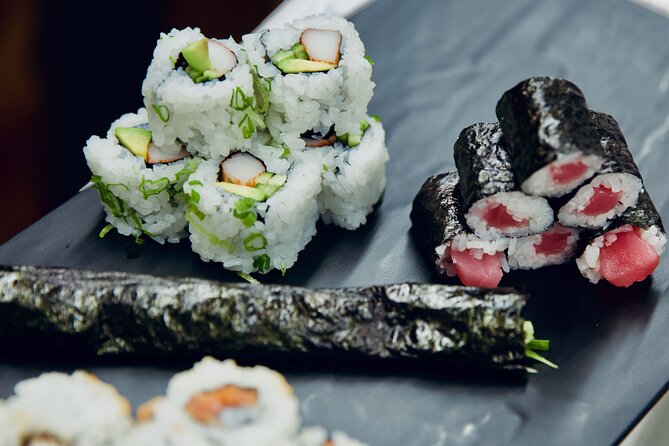
This is the kind of NYC food class that makes sense if your goal is skill, not souvenirs. You show up for a 3-hour session, and you leave with techniques for sushi basics like rolling and building. Then you get to eat what you make, which turns the whole thing from a lecture into a payoff.
What makes it especially appealing in New York is the format. It is a small group, capped at 20 people, which matters when the task is delicate. Sushi is about precision and patience, and a big class turns that into chaos. Here, the small size keeps the mood calm enough to focus on what your hands are doing.
There is also a clear “you will use this” angle. You get tips meant to improve your cooking skills, plus guidance on how to eat Japanese food properly with chopsticks. That is a win if you have ever felt awkward at a sushi counter.
More NYC tours and experiences for the shortlist



What the 3-hour class covers, from dish origins to your final feast
The workshop is built as a multi-course sushi-making experience. You learn the importance of patience while you practice delicate steps like hand rolling and stuffing sushi rolls. That matters because sushi falls apart when you rush it, and it tastes better when it is built carefully.
Before you start assembling, you get context for classic Japanese dishes. That includes understanding where dishes fit in, then using that foundation to build better presentation skills. Presentation might sound cosmetic, but in sushi it affects how you hold it, bite it, and even how the filling distributes.
The class also brings in chopstick skills and Japanese food culture. If chopsticks are a struggle, the chef teaches you how to handle them properly. It is not just about the food in front of you, it is about making your next restaurant meal less intimidating.
Then comes the best part, the part you actually booked for: you sit down and eat. You get to feast on the sushi you made, which is a practical way to judge what you did right and what you want to practice again.
Rolling and stuffing sushi rolls: the hands-on part that sticks
The core action here is making sushi rolls. You are not just cutting garnishes while someone else builds the sushi. You harness delicate techniques for hand rolling and stuffing rolls, guided by the chef while you practice.
This is where a workshop like this earns its keep. Rolling is one of those skills that looks simple until you try it. The details decide whether your roll is tight enough to hold together, not too tight, not loose, and whether the filling stays where it should. A good instructor helps you feel the pressure and rhythm.
From the chef instruction style in this class, the emphasis is on making steps manageable. Chefs have been praised for making sushi feel simple enough that you can actually do it yourself. That is what you want, because the goal is not to impress anyone at the table. The goal is to walk out and recreate it with confidence.
If you are worried you will mess it up, do not. The structure is built around you practicing the process, then eating results you can be proud of. Even when your first roll is not perfect, you learn what to adjust in the next one.
Sushi rice and presentation skills you can use the next time you cook
Sushi is only as good as the rice and the build. You get time understanding classic dish basics, and you get presentation guidance that treats sushi as something you shape, not something you just dump on a plate. Presentation skills are part of what makes Japanese meals feel intentional.
There has been at least one improvement suggestion from past participants: a more explicit demo on sushi rice. That does not mean you will be left guessing, but it does tell you what to pay attention to. If sushi rice is your weak spot, treat it as the moment to ask specific questions. Ask how you know it is ready, and what to watch for as it cools and sticks.
You might also hear comments about a vinegar step. One person suggested skipping boiling vinegar next time due to steam. That is not the kind of thing you need to overthink, but it is a reminder that sushi workshops can include heated steps. If you are sensitive to strong smells or steam, it is totally fair to let the chef know so they can guide you safely through the process.
Nigiri and sashimi moments, and how to eat your creation like you mean it
The class focuses on sushi, including raw-fish categories like nigiri and sashimi. Even if you are not yet a pro with raw fish, the workshop framing helps you learn what makes each style distinct. You are learning the foundation, then applying it while you roll and build your own sushi.
Presentation is repeatedly treated as a skill, not an afterthought. That means you learn how sushi is arranged and handled, which connects directly to eating. Sushi is not just about taste, it is about bite and balance.
Then the meal turns into a lesson in eating. Chopstick instruction is part of the class flow. If you have ever struggled with chopsticks, you will likely appreciate this more than you expect. Getting the grip and movement right changes how confident you feel when you finally sit down to eat.
And yes, you get to enjoy it. The class ends with you sitting down to feast on what you made. One sweet detail from past sessions: there is sometimes a take-home treat like cookies, which is a fun bonus after a hands-on cooking class.






Meet the chefs: why the teaching style matters in a delicate class
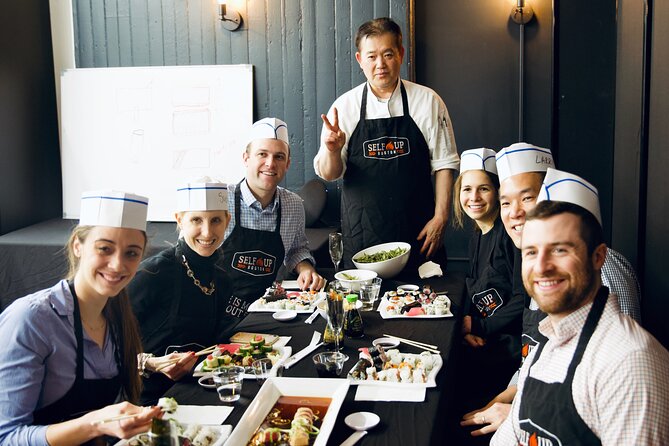
In a sushi workshop, the chef personality is not fluff. It affects whether you stay calm while doing delicate work. This experience is led by chef teams who have been described as professional, funny, and full of practical kitchen tips.
You may meet different chefs depending on the day, but names that have shown up include Oliver and Danny, plus Chris and Armando, and also Edgar. There are also mentions of chefs like Paige and Chef T, and assistants such as Ashley and Dani. The pattern you want to look for is consistent: clear teaching, a relaxed vibe, and help when your rolls start to look, well, like rolls that need help.
That teaching approach is what makes the difference between a class where you learn sushi ideas and a class where you actually learn sushi technique. If the chefs keep it simple and step-by-step, you leave with a repeatable method.
The small group size reinforces this. With a maximum of 20 people, you are less likely to feel like a visitor in someone else’s kitchen lesson. You get feedback and corrections at the moments that count.
Location and timing: planning your Midtown lunch-hour sushi class
The meeting point is at 325 W 37th St #12f in New York, starting at 12:00 pm. The activity ends back at the meeting point, so you are not juggling multiple transfers after your meal.
This matters because a cooking class is already time-consuming. You do not want extra stress from a complicated route when you are holding fragile food during practice. The good news is that it is near public transportation, and you get a mobile ticket, plus confirmation at booking. That makes it easier to plan with less uncertainty.
Also, this one tends to book ahead. On average, it is reserved about 16 days in advance. If you are targeting a birthday, date night, or a specific weekend, it is smart to lock in early rather than waiting.
Price and value: is $120 worth a sushi workshop in NYC?
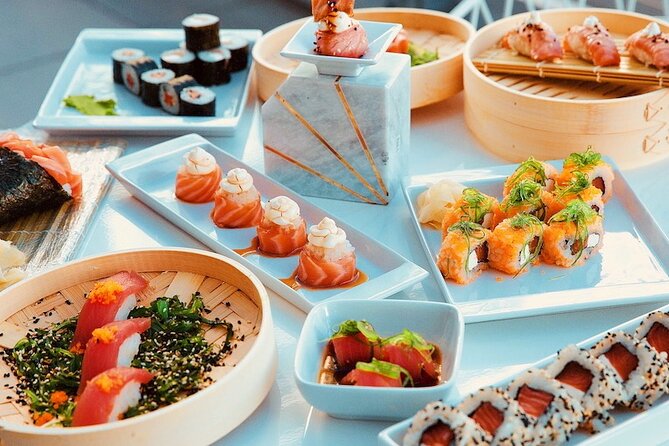
$120 per person for a 3-hour sushi workshop sounds like real money, because NYC cooking classes usually do not pretend to be cheap. The question is what you actually get.
Here, you are paying for multiple things at once:
- hands-on sushi-making practice, including rolling and stuffing
- instruction and tips you can use again at home
- a sit-down meal featuring what you make
- culture and chopstick guidance that makes sushi more enjoyable in the real world
That combination is where the value lives. If you only wanted to taste sushi, you could spend less at a restaurant. But you would miss the structured practice and feedback. If you only wanted technique, you might spend more and still leave without eating results you built.
Given the small group size and the focus on learning practical skills, $120 can feel fair, especially if you consider that you are effectively leaving with both a meal and a new cooking ability. It is also a good deal for couples who might otherwise pay restaurant prices on repeat.
Who this sushi workshop fits best, from date night to team building
This class has a natural pull for date night and special occasions. You are making food together, then sharing the results at the table. It is interactive, not awkward, and it gives you something real to talk about while you eat.
It is also a smart pick if you like learning skills you can reuse. Past participants connected the workshop to taking the new technique back to home cooking, including excitement to do it again later.
The workshop format also works for small groups and team building. When the chefs create a relaxed, fun kitchen environment, it becomes a shared project. That is the kind of group activity where everyone can participate, even if some people are better at chopsticks than others.
If you are a beginner, you do not need to come as a sushi expert. You do want curiosity and a willingness to slow down. Sushi rewards patience, and the class is designed around that.
A practical takeaway: how to get the most from your sushi class
If you want this to pay off at home, treat the class like a skills session. That means:
- watch what the chef does with your hands, not just what they say
- take notes on the steps you struggle with during rolling
- ask about sushi rice details since there has been interest in clearer rice guidance
- focus on presentation, because it affects how the roll holds together and how you enjoy it
Also, go in hungry. The workshop ends with you eating what you made, and that is part of the value. You will learn faster when you can taste and notice the difference between what you intended and what your sushi actually delivered.
Finally, if you have chopstick issues, use the moment. The class includes instruction so you can eat comfortably, and you will enjoy the meal more when you are not fighting your utensils.
Should you book this NYC sushi workshop for home chefs?
I would book it if you want a hands-on sushi-making class in New York that mixes technique with a real meal at the end. The small group size, the focus on rolling and stuffing, and the emphasis on presentation and chopsticks all point to a workshop designed to leave you with usable skills, not just a one-time experience.
Skip it only if you are looking for a purely observational tasting event. This is built for doing. Also, if you have strong sensitivities to steam or you want extra clarity on sushi rice from the start, plan to ask questions during the prep steps so you do not feel rushed.
If you’re ready to trade restaurant-only sushi for a skill you can cook again, this workshop is an excellent choice.
More Workshops & Classes in New York City



More Tour Reviews in New York City



Not for you? Here's more nearby things to do in New York City we have reviewed












More New York City Tours to consider.
 ★ 4.7SUMMIT One Vanderbilt TicketsTickets from $4751,195 traveller reviews
 ★ 4.7Empire State Building Tickets – Observatory & MuseumTickets from $4725,757 traveller reviews
 ★ 4.6Statue of Liberty & Ellis Island with FerryTickets from $1918,683 traveller reviews
 ★ 4.5American Museum of Natural History TicketTickets from $3715,447 traveller reviews
 ★ 5.0New York in One Day Guided Sightseeing TourTickets from $9913,166 traveller reviews
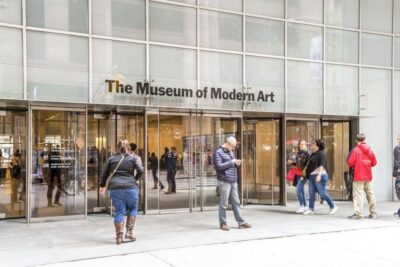 ★ 4.6Museum of Modern Art (MoMA) Entry TicketTickets from $3012,540 traveller reviews
 ★ 4.7One World Observatory Skip-the-Line TicketTickets from $3012,329 traveller reviews
 ★ 4.7New York CityPASS®: Save up to 41% at 5 Top AttractionsTickets from $15410,548 traveller reviews
More useful New York routes